
Sauces & Condiments
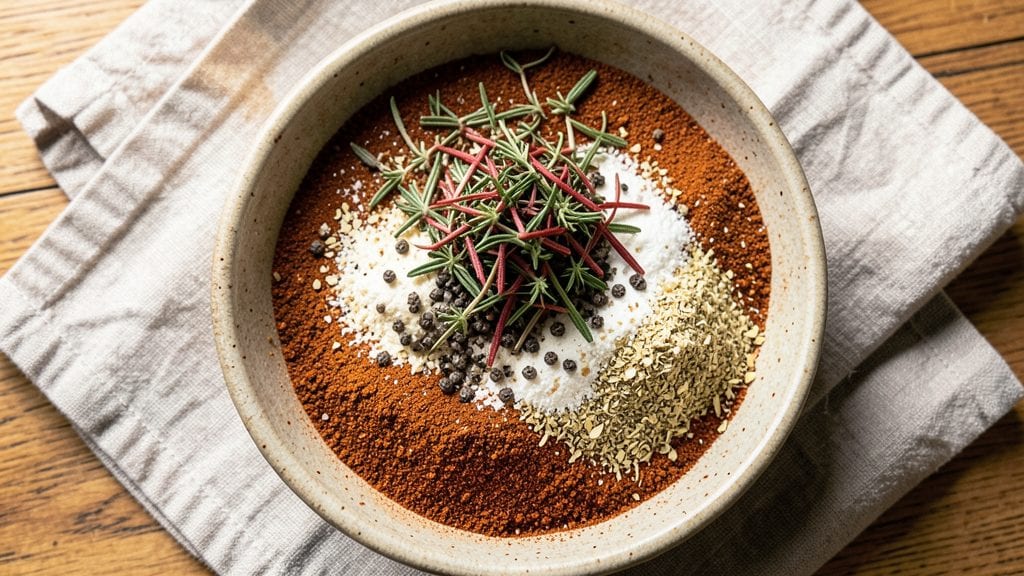
Creating a homemade McCormick pork seasoning transforms your grilling and roasting into restaurant-quality experiences with just a few pantry staples. Growing up in small-town Georgia, I learned how the right blend of spices could turn simple pork into something unforgettable—this recipe captures that magic in a jar.
The key lies in balancing smoky paprika with warm spices like garlic and onion powder, creating depth that store-bought blends can't match.
This bold smoky blend works perfectly as a dry rub for ribs, a marinade for chops, or even a seasoning for pork roasts. Unlike pre-packaged mixes, this version lets you control the heat and intensity, ensuring every bite delivers that perfect balance of smokiness and savory warmth.
The spices are toasted together briefly to deepen their flavors, a technique I picked up during my apprenticeship under Master Chef Chen in Charleston.
With just 10 minutes of prep, you'll have a versatile seasoning that lasts for months in an airtight container. The blend includes paprika for color and smokiness, garlic powder for depth, and a touch of black pepper to cut through the richness.
It's the kind of seasoning that elevates any pork dish, whether you're slow-cooking a shoulder or searing chops on the grill.
Once you've mixed it, store it in your spice rack and use it whenever pork is on the menu. It's a game-changer for home cooks who want professional results without the guesswork. Let's get started on making this blend that'll become your new kitchen staple.
Ingredients for mccormick pork seasoning
A handful of spices. One jar. The secret to restaurant-quality pork seasoning.
| Ingredient | Amount | Notes |
|---|---|---|
| Smoked Paprika 🌶️ | 3 tbsp | For authentic smoky flavor |
| Garlic Powder 🧄 | 2 tbsp | Warm, aromatic base |
| Onion Powder 🧅 | 2 tbsp | Sweet, savory foundation |
| Black Pepper 🌶️ | 1 tbsp | Freshly ground preferred |
| Dried Thyme 🌿 | 1 tbsp | Earthy, herbal depth |
| Dried Oregano 🍃 | 1 tbsp | Bold, Mediterranean notes |
| Brown Sugar 🍚 | 1 tbsp | Balances heat with sweetness |
| Salt 🧂 | 1 tbsp | Fine grain preferred |
| Cayenne Pepper 🔥 | ½ tsp | Adjust for heat preference |
| Ground Cumin 🌿 | 1 tsp | Toasted for deeper flavor |
The smoked paprika is where the magic starts—look for Penzeys or McCormick brand for that authentic smoky kick. I always grab it from Whole Foods when I want the best quality, but even the regular grocery store stuff works fine. The garlic and onion powders are non-negotiable for that classic pork seasoning flavor. Pro tip: if you can find Mexican oregano at a Latin market, it adds a whole new dimension to the blend. The brown sugar might seem odd, but it balances the heat and caramelizes when used on meat, giving it that restaurant-quality finish.
No cayenne? Red pepper flakes at half the amount will give you similar heat. Short on cumin? Ground coriander works in a pinch—it’s got that earthy warmth. Want more smokiness? Add 1 tbsp of chipotle powder instead of some of the paprika. Fresh herbs like rosemary or sage can be dried and added at half the amount if you’ve got them lying around. And if you’re watching sugar, sweetener blends or monk fruit can replace the brown sugar without sacrificing flavor.
Store in an airtight container in a cool, dark place for up to 6 months. I keep mine in a small glass jar on my spice rack—it lasts forever and keeps the flavors fresh. The blend tastes even better after a few weeks as the spices meld together. For best results, toast the spices in a dry pan for 1-2 minutes before mixing to deepen their flavors. This isn’t just a seasoning—it’s a staple that’ll make every pork dish sing.
Why You'll Love This Recipe
- No Fuss, No Stress: I mix this in under 10 minutes—just dump the spices into a bowl, whisk once, and call it done. The only tricky part? Breaking up those stubborn smoked paprika clumps, but honestly, even my kids can handle that.
- Smoky, Sweet, Addictive: That smoked paprika and brown sugar combo? It’s like a hug for your taste buds. The garlic and thyme add warmth, while the cumin gives it that je ne sais quoi—your pork will taste like it’s been slow-roasted all day, even if you’re microwaving it.
- Works Everywhere: Slather it on pork chops, toss it with frozen fries, or even sprinkle it on popcorn for a savory kick. My grandma used it in her chili, and now it’s my go-to for everything from sheet-pan dinners to lazy weeknight tacos.
- Cheap & Lasts Forever: For less than $10, you’ve got enough seasoning to feed a small army. Store it in a jar, and it’ll keep for months—no waste, no excuses. Plus, it’s cheaper than buying pre-made blends, and way more flavorful.
Step-by-step instructions for crafting your own pork seasoning
This blend transforms simple pork into restaurant-worthy flavor—let's mix it properly.
Measure All Ingredients Precisely
Start by gathering all your ingredients in a medium-sized mixing bowl. I like to use a digital scale for accuracy with spices, but measuring spoons work perfectly fine too. Place the 3 tablespoons of smoked paprika first—its deep, smoky aroma sets the foundation for this blend. Next, add the 2 tablespoons of garlic powder and 2 tablespoons of onion powder right beside it. These two create that irresistible savory depth that makes pork dishes sing.
Add the 1 tablespoon of dried thyme and 1 tablespoon of dried oregano next. These herbs bring earthy warmth and bright Mediterranean notes that pair beautifully with pork. Sprinkle in the 1 tablespoon of brown sugar—this balances the heat and adds a subtle caramelization when cooked. The 1 tablespoon of salt and 1 teaspoon of ground cumin go in last, completing the flavor profile. Finally, add the ½ teaspoon of cayenne pepper—this is where you can adjust to taste if you prefer more or less heat.
Whisk Until Uniformly Distributed
Using a whisk or small spatula, gently fold all the ingredients together. Start by breaking up any clumps of spices—especially the smoked paprika and cayenne pepper, which can sometimes stick together. I like to whisk in a circular motion for about 30 seconds to ensure everything blends smoothly. You want the mixture to look consistent, with no visible pockets of individual spices. This step is crucial because uneven distribution can lead to flavor imbalances in your final dish.
After whisking, give the bowl a gentle shake to help the spices settle evenly. Run your fingers lightly through the mixture to check for any remaining clumps. If you find any, use the back of your spoon to break them up. The goal is to create a fine, cohesive blend where every teaspoonful delivers the same bold, smoky flavor profile. This is the moment that matters: a well-mixed blend means perfectly seasoned pork every time.
Store Properly for Maximum Freshness
Transfer your freshly mixed pork seasoning to an airtight container. I prefer using a small glass jar with a tight-sealing lid—it keeps the spices fresh and protects them from moisture. Label the container clearly with the contents and date, so you can keep track of how long it's been stored. This blend stays potent for about 3 months when stored in a cool, dark place like your pantry. If you notice the spices losing their aroma before then, it's time to make a fresh batch.
For best results, I like to make a fresh batch before each grilling or roasting session. The spices maintain their peak flavor and aroma when used within a few weeks of mixing. If you're planning to use this seasoning on frozen pork or for long-term storage, consider dividing the mixture into smaller portions—this way, you only open what you need for each cooking session. Proper storage ensures your pork always gets that bold, smoky treatment it deserves.
Pro Tips For Making Mccormick Pork Seasoning
- BREAK UP THE CAYENNE FIRST: I learned this the hard way—adding the cayenne pepper last means it clumps into a single hot brick. Instead, sprinkle that ½ teaspoon directly over the smoked paprika while measuring, then whisk it in immediately. The paprika’s oil content helps distribute it evenly, so you get consistent heat in every bite—not just random fiery spots.
- TOAST THE CUMIN: That 1 teaspoon of ground cumin tastes flat if you skip this. Dry-toast it in a small pan over medium heat for 30 seconds until fragrant—just until you smell its earthy aroma, not burning. Let it cool completely before mixing into the blend, or the heat will dull the other spices. Sounds weird, but it works: your pork will taste deeper, almost nutty, like it’s been slow-smoked.
- SHAKE THE BOWL AFTER WHISKING: You whisked for 30 seconds, ran your fingers through it, and think it’s done? Not quite. Give the bowl a quick shake—hold the whisk handle and tilt the bowl side to side a few times—so the heavier spices (like the smoked paprika) don’t settle at the bottom. I used to skip this, and half my seasoning would end up lumpy. Now? Every teaspoon is identical, and my pulled pork never tastes uneven.
- USE FINE-GRAIN SALT ONLY: That 1 tablespoon of salt makes or breaks the balance, and coarse salt won’t dissolve properly. Fine grain (like table salt or sea salt) distributes evenly and won’t leave gritty surprises in your pork. I know, I know—you might have kosher salt on hand. But trust me, this isn’t the step to improvise. The blend’s harmony depends on it.
Troubleshooting great mccormick pork seasoning
Clumping Spices
Smoked paprika and cayenne pepper are notorious for clumping, especially when stored improperly. To prevent this, I always sift them through a fine-mesh sieve before mixing. If you find stubborn clumps after whisking, rub them between your fingers or use the back of a spoon to break them up.
A quick trick is to toast the spices lightly in a dry skillet for 30 seconds before mixing—the heat helps break down clumps and intensifies the flavors. This step is especially helpful if your spices have been sitting in the pantry for a while. 🔥
Uneven Flavor Distribution
If your seasoning tastes inconsistent—some areas spicy, others bland—it's likely due to uneven mixing. The 30-second whisking in Step 2 isn't enough for some spices.
After whisking, transfer the mixture to a clean kitchen towel, fold it into a packet, and gently squeeze it through your fingers to ensure even distribution. For extra thoroughness, I sometimes use a mortar and pestle to grind the spices together briefly.
This manual process guarantees every teaspoon delivers the same bold flavor. Honestly, this step separates the home cooks from the pros.
Loss of Aroma After Storage
If your seasoning loses its vibrant aroma after a few weeks, it's likely exposed to moisture or air. Store it in a glass jar with an airtight lid away from direct sunlight. I keep mine in my spice rack, but a cool, dark pantry works too.
For longer storage, consider vacuum-sealing the seasoning to remove excess air. If the spices smell dull, it's time to make a fresh batch—no amount of toasting can revive them. This is why I always make small batches when I know I'll use them within 2-3 months. 💡
Too Much Heat
The ½ teaspoon of cayenne pepper can make the blend too spicy for some palates. If you prefer less heat, reduce it to ¼ teaspoon or skip it entirely.
For a milder version, replace the cayenne with ½ teaspoon of red pepper flakes, which provides color and a gentle kick without overwhelming heat. I like to test the seasoning on a small piece of pork first to gauge the spice level before committing to a full rub.
This way, you can adjust the cayenne to your taste without wasting the whole batch.
Dull or Flat Taste
If your seasoning tastes flat or lacks depth, it might be due to stale spices. Fresh spices are key—if your garlic powder or onion powder have been sitting for over a year, their flavors fade.
For a quick fix, toast the spices in a dry pan over low heat for 1-2 minutes until fragrant. This revives their aroma and intensifies the flavors. I also recommend using high-quality spices like Penzeys or McCormick—they make a noticeable difference in the final blend.
If you're still not satisfied, try adding a pinch of ground coriander to enhance the earthy notes. 🌿
Sticking to Meat
If your seasoning sticks to the meat instead of adhering well, it's likely because the spices aren't properly bonded. To fix this, lightly toast the spices in a dry skillet until fragrant, then let them cool before mixing. This step helps the spices cling better to the meat.
Another trick is to mix the seasoning with a little cornstarch or arrowroot powder (about ½ teaspoon) before applying it to the meat. This creates a light coating that helps the spices stick without making the meat gummy. I've found this works wonders for ribs and pork chops. 💪
Nutrition facts
Frequently asked questions
Can I adjust the heat level in this pork seasoning?
The ½ teaspoon of cayenne pepper gives this blend its kick, but you can easily dial it down. Reduce it to ¼ teaspoon for mild heat or swap it for ½ teaspoon of red pepper flakes to keep the color without the intense burn. Always taste-test on a small piece of pork first to gauge the perfect spice level for your palate!
Why does my seasoning taste uneven or clumpy?
Uneven flavors usually mean the spices weren't mixed thoroughly enough. After whisking for 30 seconds, try folding the mixture through a clean kitchen towel to break up clumps. For extra precision, lightly toast the spices in a dry pan for 30 seconds before mixing—this helps them blend more evenly and intensifies their flavors.
How do I prevent my seasoning from losing its aroma over time?
Store your blend in a glass jar with an airtight lid away from light and heat. I keep mine in my spice rack, but a cool pantry works too. For longer freshness, consider vacuum-sealing small portions. If the spices smell dull after 3 months, it's time for a fresh batch—no amount of toasting can revive stale spices.
Can I use this seasoning for other meats besides pork?
This bold blend works beautifully on chicken, beef, or even vegetables like roasted potatoes or Brussels sprouts. The smoky paprika and herbs add depth to any dish, though pork truly brings out its full potential. For poultry, you might want to reduce the salt slightly to avoid overpowering the meat.
What's the best way to apply this seasoning to meat?
For ribs or chops, pat the meat dry first, then rub the seasoning generously all over—don't be shy! Let it sit for 15-30 minutes before cooking to help it adhere. For marinades, mix 2 tablespoons of the seasoning with ¼ cup of oil and let the meat soak for at least 4 hours (overnight for best results). This creates a flavorful crust every time!