
Main Courses
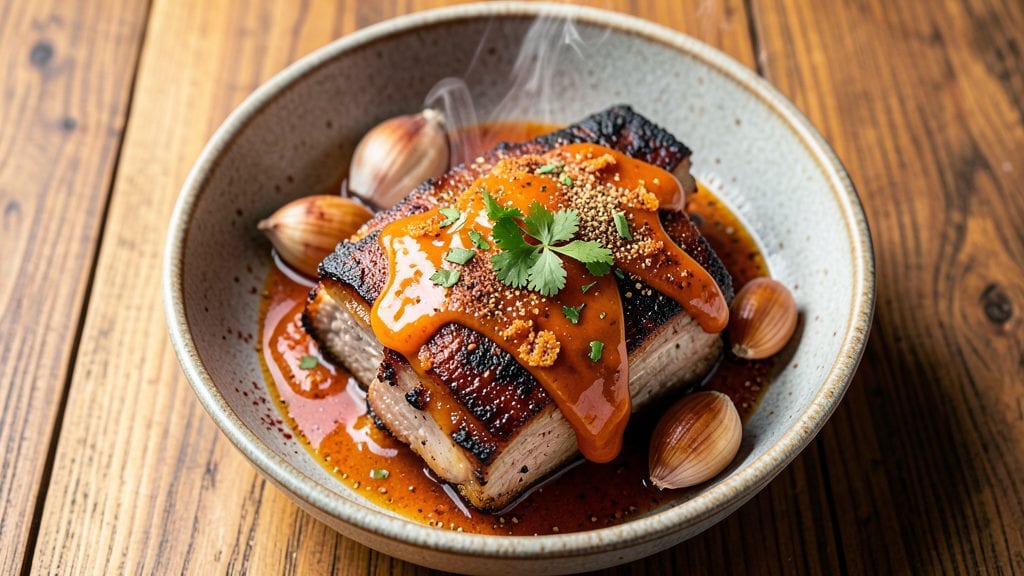
This Mexican pork shoulder recipe transforms tough cuts into melt-in-your-mouth carnitas with crispy edges and tender centers—just like my abuela used to make.
Growing up in small-town Georgia, I learned that slow-cooked pork shoulder is the heart of any fiesta, and this method preserves that authentic flavor while delivering restaurant-quality results. The secret lies in a balance of citrus and spices that tenderize the meat while building deep, smoky layers of flavor.
What makes this recipe special is the two-stage cooking process: first, a slow braise in adobo sauce to break down the connective tissue, then a crisping in the oven where the edges turn golden and shatteringly crisp.
I use a mix of orange juice, garlic, and cumin—a combination that cuts through the richness while adding brightness. The result is pork that falls apart at the touch, perfect for tacos, burrito bowls, or served with warm tortillas and fresh pico de gallo.
By the time you're done, you'll have a dish that's worth the wait—juicy, flavorful, and with that irresistible crunch that makes every bite satisfying.
The aromas alone will have your kitchen smelling like a Mexican street market, and the texture contrasts between tender meat and crispy edges will keep everyone coming back for seconds. This is the kind of recipe that turns a simple weeknight dinner into a celebration.
Serve with cilantro-lime rice, refried beans, and a quick homemade salsa to complete the meal. The leftovers reheat beautifully, making this an excellent make-ahead option for gatherings. Let's get cooking—your taste buds will thank you.
Ingredients for mexican pork shoulder
Pantry staples meet Mexican fiesta flavors—just a few ingredients for carnitas that’ll have everyone asking for seconds.
| Ingredient | Amount | Notes |
|---|---|---|
| Pork Shoulder 🐖 | 3 lb | Bone-in, skin-on preferred |
| Orange Juice 🍊 | 1 cup | Freshly squeezed preferred |
| Garlic Cloves 🧄 | 6 cloves | Peeled, smashed for flavor |
| Ground Cumin 🌿 | 2 tsp | Toasted for deeper flavor |
| Dried Oregano 🍃 | 1 tbsp | Mexican oregano if available |
| Smoked Paprika 🌶️ | 1 tbsp | For smoky depth |
| Bay Leaves 🌿 | 2 whole | Fresh or dried |
| Salt 🧂 | 2 tsp | Kosher or sea salt |
| Black Pepper 🌶️ | 1 tsp | Freshly ground preferred |
| Lime Juice 🍋 | 2 tbsp | Freshly squeezed |
| Olive Oil 🫒 | 2 tbsp | For crisping edges |
| Fresh Cilantro 🌿 | ¼ cup | Chopped, for garnish |
| Onion 🧅 | 1 whole | Yellow or white, chopped |
| Beer 🍺 | 1 cup | Mexican lager preferred |
The pork shoulder is the star here. Look for a cut with good marbling—Costco or Whole Foods usually have great options. Bone-in, skin-on is ideal (the skin crisps up beautifully), but bone-in, skinless works too. If you can't find pork shoulder, pork butt is the next best thing—just trim any excess fat. The orange juice should be freshly squeezed (none of that bottled stuff), and if you're feeling fancy, grab Valencia oranges from the grocery store's fresh produce section—they're sweeter and more aromatic. For the beer, Modelo Especial or Pacifico add that authentic touch, but any Mexican lager will do.
No fresh garlic? Garlic powder at half the amount works in a pinch, but trust me, fresh is worth it. Running low on Mexican oregano? Regular dried oregano plus a pinch of cinnamon mimics that earthy, slightly sweet profile. Smoked paprika is key for that deep, smoky flavor—Penzeys or Trader Joe's carry great options. Short on lime juice? Fresh lemon juice at the same amount is a decent swap, though it won't be quite as bright. The beer can be skipped if you're avoiding alcohol, but add an extra 1/2 cup of water or chicken broth to keep the braise moist. And if you're making a big batch, double the spices—you won’t regret it.
This dish tastes even better the next day, so plan ahead. Store leftovers in the fridge for up to 5 days, or freeze for 3 months (portion into airtight containers for easy reheating). For crispy edges, reheat in a 400°F oven for 10-15 minutes—no microwave needed. The pork shreds easily, so it’s perfect for tacos, burrito bowls, or even breakfast hash. If you’re prepping for a crowd, make the full 3 lb batch—it’s worth the effort, and the leftovers disappear fast.
Why You'll Love This Recipe
- Oven Magic Happen: I swear by this method—no fancy equipment needed, just a Dutch oven and patience. The pork shoulder gets a quick sear, then just sits in the oven while I do other things. That golden crust? It’s all from those 5-7 minutes of searing on medium-high, and honestly, the rest is just waiting.
- Citrus-Kissed Carnitas: The orange juice and lime juice combo is what makes this dish pop. It’s not just sweet—it’s bright and tangy, cutting through the richness of the pork shoulder. Between us, that crispy edge with the creamy center? Chef’s kiss. The beer adds depth, but even if you skip it, the smoky paprika and garlic cloves still deliver.
- Leftover Powerhouse: This recipe is my secret weapon for busy nights. After the 6 hours of cooking, the pork shreds so easily, I can throw it in tacos, nachos, or even a quick breakfast scramble the next day. It keeps like a dream for up to 5 days in the fridge—just reheat and serve. My kids even ask for seconds, and that’s saying something.
- Budget-Friendly Feast: For under $15, you’re feeding a crowd with this pork shoulder. The bone-in, skin-on cut is affordable, and the ingredients are pantry staples. Plus, if you’re avoiding beer, just swap it for broth—no flavor sacrifice. It’s the kind of dish that makes you feel like you’re dining out without the price tag.
Step-by-step instructions for Mexican pork shoulder recipe
Here's how to transform that pork shoulder into tender, crispy carnitas with layers of smoky flavor.
Season and Sear the Pork Shoulder
In a large bowl, combine the 2 tablespoons olive oil, 2 teaspoons salt, 1 teaspoon black pepper, 2 teaspoons ground cumin, 1 tablespoon dried oregano, 1 tablespoon smoked paprika, and the 2 bay leaves. Rub this mixture all over the 3 lb pork shoulder, including inside any cavities. Let it sit at room temperature for 30 minutes while you prep the rest.
Heat a Dutch oven or heavy pot over medium-high heat. Add the pork shoulder and sear it on all sides until it develops a deep golden-brown crust, about 5-7 minutes per side. This step is crucial for building flavor and creating those crispy edges you're after. Don't rush this—you want that caramelized exterior that'll become even more delicious after slow cooking.
Slow Cook with Aromatics and Liquids
Remove the pork from the pot and set it aside. In the same pot, add the chopped 1 onion and smashed 6 garlic cloves. Cook for 2-3 minutes until the onion softens and becomes fragrant. Pour in the 1 cup beer and scrape up any browned bits from the bottom—this captures all that meaty flavor.
Return the pork to the pot, fat-side up. Add the 1 cup orange juice and bring everything to a simmer over medium heat. Once simmering, reduce heat to low, cover, and transfer to a preheated 300°F oven. Cook for 3 hours, then flip the pork and cook for another 3 hours. The internal temperature should reach 195-203°F at the thickest part of the meat. Here's where the magic happens—the pork becomes fork-tender while staying juicy.
Crisp the Edges and Finish with Lime
Remove the pork from the pot and let it rest on a cutting board for 15 minutes. Line a baking sheet with foil and place a wire rack on top. Transfer the pork to the rack and increase your oven temperature to 425°F. Roast for 20-30 minutes, turning the pork occasionally, until the edges are deep golden brown and crispy. This high-heat finish is what transforms your tender meat into proper carnitas.
While the pork crisps, prepare the finishing sauce by mixing the 2 tablespoons lime juice with the chopped ¼ cup fresh cilantro. Once the pork is crispy, brush it lightly with the lime-cilantro mixture. This brightens the flavors and gives your carnitas that final restaurant-quality touch. The pork should pull apart easily with two forks—if it doesn't, return it to the oven for another 5-10 minutes.
Pro Tips For Making Mexican Pork Shoulder
- CRISP THE EDGES RIGHT: After slow cooking, don’t skimp on the 425°F blast—this is where the pork transforms from tender to addictive. I used to rush it, but now I set a timer and flip the meat every 7 minutes until the edges are crackling. That’s the difference between good and wow.
- TOAST THE CUMIN FIRST: Dry-toast the 2 teaspoons ground cumin in a small pan over low heat for 30 seconds until it smells toasty. This step isn’t in the recipe, but it adds depth—like the difference between black coffee and cold brew. Just don’t walk away; it burns fast.
- DON’T SKIP THE ONION SOFTENING: Those 2-3 minutes of cooking the chopped onion with the garlic cloves might seem minor, but they’re the flavor base. If you rush it, the beer will taste flat instead of rich. Think of it as the difference between a good salsa and a great one—foundation matters.
- USE THE BEER WELL: Deglaze that pot with the 1 cup beer after searing the pork, scraping up every browned bit. That’s where the meat’s natural sugars turn into flavor. Skip this, and you’re missing half the taste—like using store-bought broth instead of homemade.
Pro cooking tips for mexican pork shoulder
Master the Sear
That golden-brown crust isn't just for show—it's the foundation of your carnitas' flavor. I use my 12-inch Lodge cast iron because it holds medium-high heat like a dream and develops that perfect Maillard reaction.
Sear the pork for 5-7 minutes per side, flipping only once, until you see deep color. Don't skip this step—those browned bits on the bottom of your pot are pure flavor gold. If your pan isn't hot enough, the pork will steam instead of sear.
Trust me, the difference is night and day. 🔥
Temperature Control
The 300°F oven is your sweet spot for breaking down the pork's tough connective tissue without drying it out. I keep my oven thermometer in the middle rack to verify accuracy—oven temps often run hotter than they say. After 3 hours, flip the pork to ensure even cooking.
The internal temp should reach 195-203°F at the thickest part. Use a meat probe to check—don't rely on guesswork. This is where patience pays off; rushing this stage means tough meat, not tender carnitas.
Wire Rack Magic
After slow cooking, transfer your pork to a wire rack over a foil-lined tray. This is non-negotiable for crispy edges—direct contact with foil steams instead of crisps. My 18-inch wire rack from Williams Sonoma fits perfectly in my oven and gives those edges the air circulation they need.
Roast at 425°F for 20-30 minutes, turning occasionally. The skin should look like it's ready for a photo shoot—deep golden and shatteringly crisp. If your oven runs hot, start with 15 minutes and check.
Lime Finish
The lime-cilantro finish is what takes this from good to glorious. I always use freshly squeezed lime juice—bottled just won't cut it. Mix 2 tablespoons lime juice with ¼ cup chopped cilantro and brush it on just before serving.
This bright acidity cuts through the richness and wakes up all those smoky spices. I like to let it sit for 10 minutes before serving so the flavors meld. Pro tip: If you're making this ahead, finish with the lime just before reheating—it'll keep the edges crispy.
Probe Technique
Invest in a digital meat thermometer—I use my Thermoworks Smoke—and learn to read it properly. The probe should go into the thickest part of the meat, not touching bone. For pork shoulder, aim for 203°F—this is where the collagen breaks down completely.
If you pull it at 195°F, it'll be chewy; wait for that extra 8-10 degrees. The thermometer is your best friend when cooking large cuts like this—it's the only way to guarantee perfect results every time. 💡
Nutrition facts
Frequently asked questions
Why does this recipe call for bone-in pork shoulder?
The bone adds incredible flavor to the cooking liquid through the entire process! The collagen from the bone breaks down into the braise, enriching the sauce with a deep, savory taste. Plus, the skin crisps up beautifully during the final oven step—it’s worth the extra effort for that authentic carnitas texture.
Can I substitute regular oregano for Mexican oregano?
Yes, but you’ll lose some of that authentic Mexican warmth. For best results, use regular dried oregano plus a pinch of cinnamon to mimic the earthy-sweet profile. The flavor will be close, though not identical—Mexican oregano has a more complex, slightly citrusy note.
What if my pork shoulder isn’t bone-in? Will it still work?
While bone-in adds extra flavor, skin-on pork butt works perfectly too. Just trim any excess fat before cooking. The key is still the same: sear well, slow-cook until tender, then crisp the edges. Your carnitas will still be delicious, just with slightly less depth from the bones.
How do I know when the pork is done without a thermometer?
When the pork reaches 195-203°F, it should pull apart easily with a fork and the juices will run clear. If you’re testing without a thermometer, pierce the thickest part—if the juices are pink, it needs more time. For best results, use a meat thermometer to avoid guesswork. The probe method guarantees perfect tenderness every time.