
Recipes/Cooking
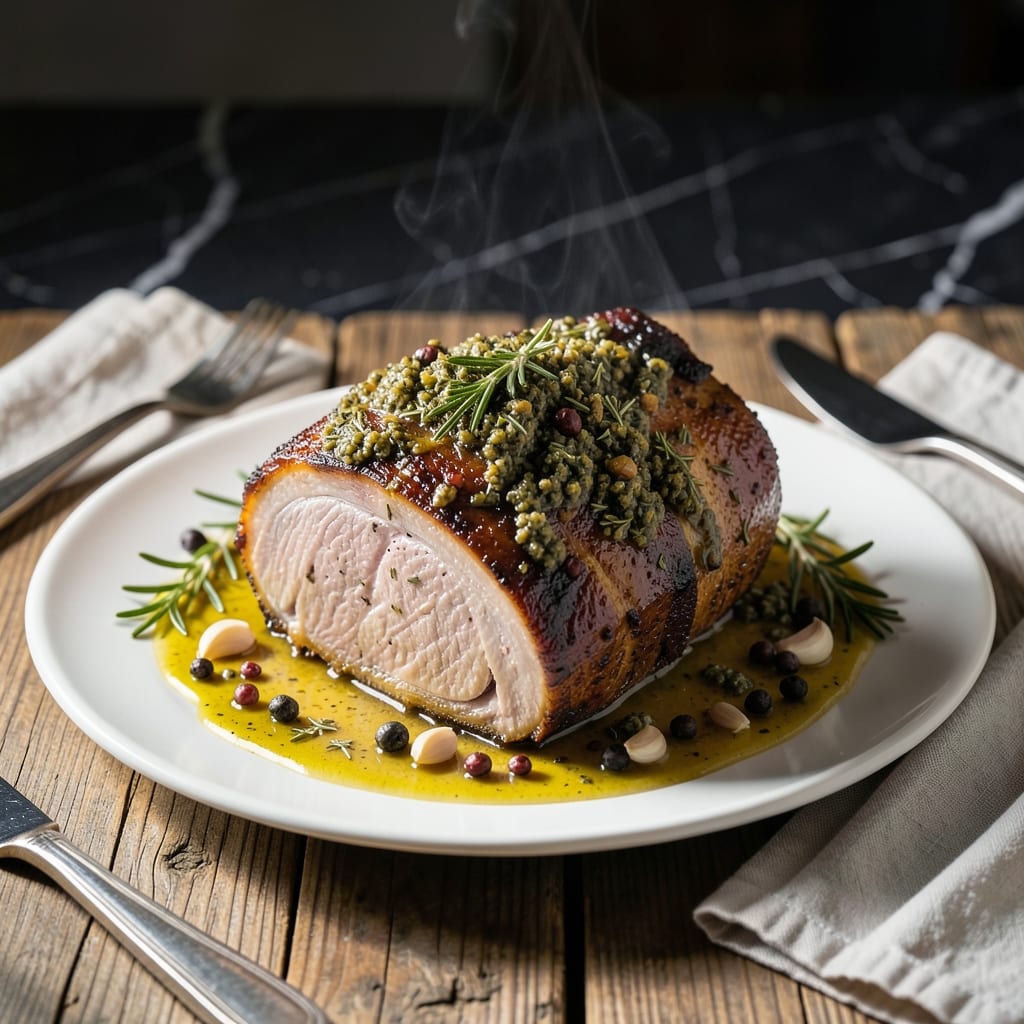
This Norwegian pork roast recipe brings Scandinavian tradition to your kitchen with a simple yet impressive herb-crusted centerpiece. Growing up in Georgia, I learned that pork deserves respect, and this method proves it.
What sets this apart is the crust—a blend of fresh herbs and breadcrumbs that forms a golden, fragrant seal as it roasts. The pork stays juicy inside while developing deep, savory flavor that fills your kitchen with irresistible aroma.
At 325°F, the slow roasting process transforms an affordable cut into tender, pull-apart perfection. The technique is foolproof, requiring only basic ingredients and patience.
Serve with roasted potatoes and lingonberry jam for an authentic Nordic experience. Here's how to make it right every time.
Ingredients for Norwegian Pork Roast
Herb-crusted pork shoulder with Scandinavian flair. Simple ingredients, impressive tradition.
| Ingredient | Amount | Notes |
|---|---|---|
| Pork Shoulder Roast 🥩 | 3 lb | Bone-in, skin-on preferred |
| Fresh Rosemary 🌿 | 2 tbsp | Finely chopped, stems discarded |
| Fresh Thyme 🍃 | 2 tbsp | Leaves stripped from stems |
| Fresh Sage 🍃 | 1 tbsp | Finely minced for crust |
| Garlic Cloves 🧄 | 6 cloves | Minced for herb blend |
| Dijon Mustard 🟡 | 3 tbsp | Whole grain preferred |
| Panko Breadcrumbs 🍞 | 1 cup | Unseasoned for crust |
| Olive Oil 🫒 | ¼ cup | Extra-virgin for richness |
| Kosher Salt 🧂 | 2 tsp | Diamond Crystal preferred |
| Black Pepper 🌶️ | 1 tsp | Freshly ground for crust |
| Whole Grain Mustard 🟡 | 1 tbsp | For additional depth |
| Juniper Berries 🫒 | 1 tsp | Lightly crushed for authenticity |
| Lingonberry Jam 🍇 | ½ cup | For serving, optional |
The pork shoulder is non-negotiable for authentic texture. Bone-in, skin-on cuts from Whole Foods or local butchers yield the best results—the marbling ensures juiciness. For herbs, fresh rosemary, thyme, and sage are essential; dried simply won’t deliver the same aromatic punch. Juniper berries add a distinctly Nordic note (find them at Penzeys or specialty spice shops).
No pork shoulder? Pork loin works but requires careful monitoring to prevent dryness—reduce roasting time by 25%. Dried herbs at one-third the amount work if fresh aren’t available. Stone-ground mustard can replace Dijon in a pinch. For the breadcrumbs, traditional dry breadcrumbs are fine, though panko’s texture is superior for crust formation.
Prep the herb crust up to 24 hours ahead—store covered in the fridge. Cooked roast keeps 4-5 days refrigerated or 3 months frozen. Slice against the grain before serving for maximum tenderness. Always bring pork to room temperature before roasting (about 1 hour on the counter).
Why You'll Love This Recipe
- Set and Forget: That pork shoulder roasts itself while the rosemary and thyme do all the heavy lifting.
- Herb-Kissed Perfection: The garlic and fresh sage melt into the meat, every bite ridiculously good.
- Feeds the Crew: I stretch one roast into sandwiches, tacos, and a proper Sunday dinner.
- Leftovers for Days: Honestly, it tastes even better sliced cold the next morning.
Step-by-Step Instructions for Norwegian Pork Roast
Execute these precise techniques to achieve a perfectly herb-crusted Scandinavian-style roast with rich flavors.
Prepare the Herb Crust Base
In a food processor, combine the 2 tbsp fresh rosemary, 2 tbsp fresh thyme, 1 tbsp fresh sage, 6 cloves garlic cloves, 1 tsp juniper berries, 2 tsp kosher salt, and 1 tsp black pepper. Pulse until finely minced and fully integrated—the mixture should resemble a coarse paste with visible herb flecks.
Transfer to a mixing bowl and stir in the 3 tbsp Dijon mustard and 1 tbsp whole grain mustard. The dual mustards create depth: Dijon provides sharpness while whole grain adds texture. This base will adhere the crust to the pork shoulder roast while infusing it with aromatic complexity.
Create and Apply the Crust
Fold the 1 cup panko breadcrumbs into the herb-mustard mixture until evenly coated. The panko's coarse texture ensures a crispy exterior that contrasts with the tender meat. Drizzle in 0.25 cup olive oil gradually while stirring—the mixture should hold together when pressed but remain crumbly.
Pat the 3 lb pork shoulder roast dry with paper towels to ensure maximum crust adhesion. Rub the entire surface with the herb-crumbs mixture, pressing firmly to create an even ¼-inch thick layer. Place the roast fat-side up on a rack in a roasting pan to allow air circulation during cooking.
Roast to Perfection
Preheat your oven to 375°F. Roast the pork shoulder for 1 hour, then reduce the temperature to 325°F and continue cooking for another 1.5 to 2 hours. The initial high heat sets the crust while the lower temperature ensures even cooking without drying the meat.
Check for doneness when the internal temperature reaches 195°F—the meat should pull apart easily with a fork. The crust will be deep golden brown and the fat cap perfectly rendered. If the crust browns too quickly, tent loosely with foil during the final hour.
Rest and Serve with Lingonberry Jam
Transfer the roast to a cutting board and let it rest for 20 minutes before slicing. This allows the juices to redistribute, ensuring moist, flavorful meat. The crust will firm up slightly during resting, making it easier to serve intact slices.
Serve the Norwegian pork roast with 0.5 cup lingonberry jam on the side for an authentic Scandinavian touch. The jam's tartness cuts through the richness of the pork, while its vibrant color provides a beautiful contrast to the golden crust. Slice against the grain for maximum tenderness.
Pro Tips For Making Norwegian Pork Roast
- Score the Fat: Cut deep crosshatches into the pork shoulder’s fat cap—about 1/2 inch apart—so the rosemary, thyme, and garlic can penetrate as it roasts.
- Herb Paste, Not Sprigs: Mash the fresh rosemary, thyme, sage, and minced garlic with a pinch of salt to create a paste before rubbing it into the meat; it clings better and flavors every bite.
- Start Hot, Finish Low: Sear the roast at 450°F for 20 minutes to crisp the skin, then drop to 325°F to slow-cook the shoulder until it’s fall-apart tender, about 2.5 hours.
- Rest Under Foil: After pulling it from the oven, tent the roast with foil and let it sit for at least 15 minutes—this keeps the juices inside instead of all over the cutting board.
Serving Suggestions for This Recipe
Scandinavian Sides
Serve with roasted fingerling potatoes tossed in olive oil and fresh rosemary. Their earthy flavor complements the herb crust beautifully. I like using Yukon Golds for their buttery texture. 🌿
Pickled Vegetables
Quick-pickled red cabbage or cucumbers add a bright, tangy contrast. Thinly slice 1 head and soak in 1 cup apple cider vinegar with 1 tbsp sugar and 1 tsp salt for 30 minutes.
Lingonberry Focus
Warm the lingonberry jam slightly before serving—just 30 seconds in the microwave makes it more spreadable. The tartness cuts through the richness perfectly, just like in my Charleston days.
Bread Basket
Offer rustic rye bread or flatbread to soak up juices. I get mine from local Atlanta bakeries. Toast lightly and brush with garlic butter for extra flavor.
Fresh Herbs
Garnish with fresh dill sprigs or parsley for color. A handful of watercress on the plate adds a peppery bite that pairs wonderfully with the pork. 💛
Beverage Pairing
Serve with a crisp Scandinavian lager like Carlsberg or a light Pinot Noir. The carbonation cleanses the palate between each rich, herby bite.
Nutrition Facts
Frequently Asked Questions
What cut of pork works best for this roast?
Use bone-in, skin-on pork shoulder for authentic texture and flavor. The marbling keeps it juicy during the long roasting time. Avoid lean cuts like tenderloin—they dry out too quickly.
Can I make the herb crust ahead of time?
Yes! Prepare the crust mixture up to 24 hours in advance and store it covered in the fridge. Apply it to the pork just before roasting for the freshest flavor.
How do I prevent the crust from burning?
If the crust browns too fast, tent the roast loosely with foil during the final 1 hour. The initial 375°F sets the crust, while 325°F finishes cooking gently.
What’s a good substitute for lingonberry jam?
Cranberry sauce works well as a substitute—its tartness pairs similarly with the rich pork. Warm it slightly before serving for easier spreading.