
Main Courses
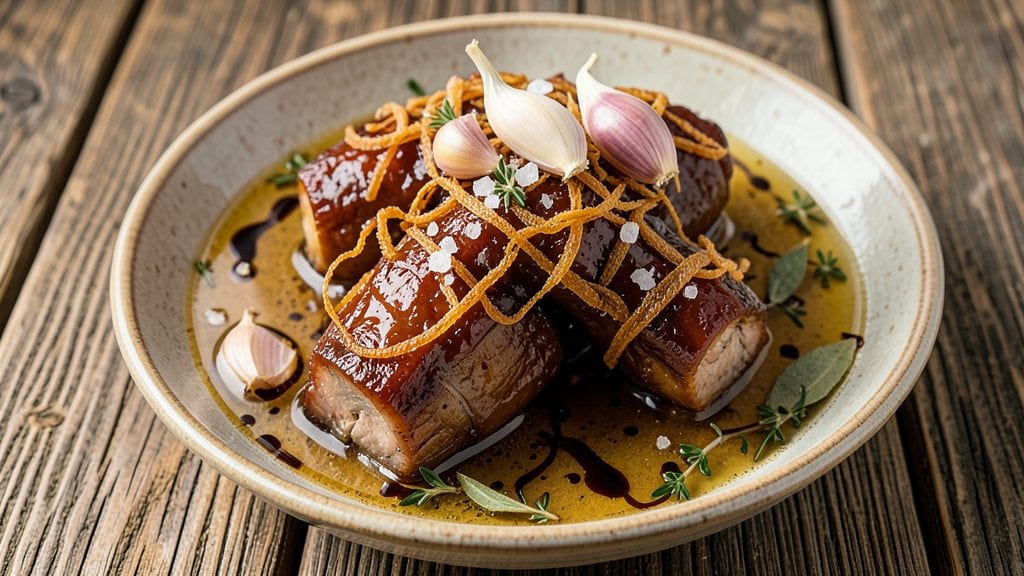
This old-fashioned pickled pork hocks recipe brings back the rich, tangy-sweet comfort of Southern kitchens where preservation was both art and necessity. 🌟 Growing up in Georgia, I learned how pork hocks—simmered until falling-apart tender—became the centerpiece of family gatherings, their collagen-rich broth transforming simple sides into something extraordinary.
The process marries tradition with science: salt cures the meat while vinegar preserves it, creating a dish that’s as nourishing as it is delicious.
The key to success lies in patience—parboiling removes impurities, while the pickling brine (vinegar, spices, and aromatics) infuses flavor over time. Whether you ferment for depth or quick-pickle for convenience, the result is the same: tender, flavorful hocks that melt in your mouth.
This method honors the past while fitting seamlessly into modern meal prep, delivering restaurant-quality comfort at home.
What you’ll achieve is a dish that’s rich in both taste and tradition—perfect for hearty meals, potlucks, or even gourmet plating. The tangy-sweet profile pairs beautifully with cornbread, collard greens, or a crisp white wine.
Every bite carries the legacy of Southern cooking, where simplicity meets sophistication in one unforgettable dish.
Ready to master this technique? The steps are methodical but rewarding, ensuring you’ll end up with pork hocks that taste like they’ve been simmering for hours—even if you’re working with a tighter schedule. Let’s get started on creating a dish that’s as much about heritage as it is about flavor.
Ingredients for old fashioned pickled pork hocks
Rich, tangy, and deeply traditional—this Southern comfort dish brings heritage to your table.
| Ingredient | Amount | Notes |
|---|---|---|
| Pork Hocks 🐷 | 4 lb | Bone-in, skin-on preferred |
| Granulated White Vinegar 🍶 | 2 cups | Distilled vinegar preferred |
| Water 💧 | 4 cups | Filtered or spring water |
| Coarse Sea Salt 🧂 | 1 ½ cups | Diamond Crystal preferred |
| Brown Sugar 🍚 | ½ cup | Light or dark variety |
| Garlic Cloves 🧄 | 10 cloves | Peeled, smashed lightly |
| Fresh Ginger Root 🌿 | 2 tbsp | Grate finely, no skin |
| Black Peppercorns 🌶️ | 2 tbsp | Whole peppercorns |
| Allspice Berries 🌶️ | 1 tbsp | Crushed lightly |
| Bay Leaves 🍃 | 4 whole | Dried bay leaves |
| Mustard Seeds 🌶️ | 2 tbsp | Yellow or brown |
| Cayenne Pepper 🔥 | 1 tsp | Adjust to taste |
| Fresh Thyme Leaves 🌿 | 1 tbsp | Or 1 tsp dried |
The pork hocks are the heart of this dish. Bone-in, skin-on cuts yield the best collagen and flavor—look for freshly butchered hocks at specialty grocers or butcher shops. Costco often carries them pre-packaged, but if you're buying loose, ask for even-sized pieces to ensure even cooking. I always rinse them briefly under cold water to remove any surface blood before curing, which helps with texture. For extra authenticity, Southern-style butcher shops sometimes carry pre-cured hocks, but curing your own gives you full control over the salt balance.
No fresh ginger? Powdered ginger at half the amount works in a pinch, but the flavor isn't quite the same. Dried thyme at one-third the quantity is fine if fresh isn't available, though it lacks that fresh herbal brightness. Want to skip the cayenne? Omit it entirely—this isn't a spicy dish, just tangy and savory. The brown sugar can be swapped for honey or molasses if you prefer a deeper caramel note, though the vinegar balance will shift slightly. For the vinegar, distilled white vinegar is traditional, but apple cider vinegar adds a subtle fruitiness that works beautifully with the ginger.
This keeps beautifully for 3 months in the fridge if stored properly. After pickling, transfer to clean glass jars with tight lids, leaving about an inch of headspace. The hocks will sink as they cook, so don't worry about overfilling. For longer storage, freeze portions in airtight containers for up to 6 months. The broth is even better after a few days—let it sit overnight to develop deeper flavors. I always make extra because the hocks get eaten first, leaving behind a rich, tangy broth perfect for soups or gravies. Just reheat gently on the stovetop, stirring occasionally to prevent sticking.
Why You'll Love This Recipe
- No-Fuss Flavor Bomb: Honestly, the dry brine with 1.5 cups coarse sea salt is the secret—no fancy prep, just rub, refrigerate, and forget for a day. The rest is just simmering with a spice bundle that smells like a holiday kitchen. I’ll be real: that’s the part where the magic happens with minimal effort.
- Tangy-Sweet Addiction: The ½ cup brown sugar and 2 cups vinegar create that perfect balance—sweet enough to satisfy, tangy enough to wake up your palate. Add the smashed garlic and ginger, and you’ve got a flavor profile that’s bold but not overpowering. My daughter picks out the cayenne pepper every time, but she still begs for seconds.
- Budget-Friendly Collagen Gold: Pork hocks are cheap, but the results? Pure collagen-rich perfection—melt-in-your-mouth tender with that crispy skin. And with 3 months in the fridge or 6 months frozen, you’re not just saving money, you’re saving time. I pull a batch out of the freezer for lazy Sundays, and it’s always exactly what I need.
Step-by-step instructions for old fashioned pickled pork hocks
This method delivers melt-in-your-mouth pork hocks with a perfect balance of tangy, sweet, and spicy flavors.
🍳 Step 1: Prepare the Pork Hocks for Brining
Rinse the 4 lb pork hocks thoroughly under cold water and pat them completely dry with paper towels. This step is crucial—any moisture left on the meat will prevent proper salt penetration during the brine.
Place the pork hocks in a large bowl and sprinkle 1½ cups coarse sea salt evenly over all surfaces, including the cavity if your pork hocks are split. Use your hands to massage the salt into the meat, ensuring it gets into all the crevices. This dry brine helps tenderize the meat and creates that beautiful, crispy exterior we're after.
Cover the bowl and refrigerate for 12-24 hours, turning the pork hocks occasionally. The salt will begin to break down the muscle fibers, making the meat more tender. Don't skip this step—it's what transforms tough cuts into fork-tender perfection.
🍳 Step 2: Create the Pickling Liquid
In a large stockpot, combine 4 cups water and 2 cups granulated white vinegar. Bring this mixture to a boil over medium-high heat, then reduce to a simmer. While it heats, prepare your aromatic bundle by tying together 4 bay leaves, 1 tbsp allspice berries, 2 tbsp mustard seeds, 2 tbsp black peppercorns, 10 smashed garlic cloves, 2 tbsp finely grated fresh ginger root, 1 tbsp fresh thyme leaves, and 1 tsp cayenne pepper in a small piece of cheesecloth or a spice bag.
Once the liquid is simmering, add the aromatic bundle and ½ cup brown sugar. Stir gently to dissolve the sugar completely. The liquid should have a rich, golden color and smell like a spice market—this is where all the magic begins. Let the mixture simmer for 10 minutes to allow the flavors to meld together.
⏰ Step 3: Braise the Pork Hocks
Remove the pork hocks from the brine and rinse them thoroughly under cold water to remove any excess salt. This step prevents the brine from becoming too concentrated in the pickling liquid. Add the pork hocks to the simmering pickling liquid, ensuring they're fully submerged. If needed, add a little more water to cover them completely.
Bring the liquid back to a gentle simmer, then reduce the heat to low. Cover the pot and let it cook for 3-4 hours, turning the pork hocks occasionally. You'll know they're ready when they're fork-tender and the meat pulls away from the bone with minimal resistance. The liquid should have reduced slightly and taken on a beautiful amber color.
Here's the thing—don't be tempted to rush this step. The slow cooking is what develops that incredible texture and flavor. If you're short on time, you can pressure cook them for 90 minutes instead, but the flavor will be slightly different.
🍽️ Step 4: Rest and Serve
Once the pork hocks are tender, remove them from the liquid and let them rest at room temperature for 15-20 minutes. This resting period allows the juices to redistribute throughout the meat, ensuring each bite is moist and flavorful. While they rest, you can strain the pickling liquid if you prefer a clearer presentation, or leave it as-is for a more rustic look.
To serve, slice the pork hocks into individual portions and arrange them on a platter. Ladle the pickling liquid over the top and garnish with additional fresh thyme leaves if desired. The meat should be fork-tender with a beautiful pink hue, and the liquid should have that perfect balance of tangy, sweet, and spicy flavors.
This dish is pure comfort food—serve it with crusty bread to soak up all that delicious pickling liquid, or pair it with a simple green salad for a complete meal. The collagen-rich meat will practically melt in your mouth, making every bite worth the wait.
Pro Tips For Making Old Fashioned Pickled Pork Hocks
- Smash, Don’t Chop Garlic: Those smashed garlic cloves aren’t just for show—they burst during simmering, releasing flavor directly into the liquid. I used to mince them, and the dish never had that same depth. Lightly smash them with the flat of your knife or a glass bottle, but leave the skins on for easier handling.
- Simmer Low, Not Slow: The liquid should barely bubble—think of a whisper, not a shout. I learned this after my first batch turned cloudy from too much agitation. Keep the heat at the lowest setting that maintains a gentle simmer, and the pork hocks will stay tender without curdling the liquid.
- Rinse the Brine Off: Skipping the cold water rinse after brining? That’s how you end up with a salt bomb of a liquid. The excess salt will make the pickling liquid overly concentrated, and your pork hocks might taste harsh. A thorough rinse keeps the balance just right—tangy, sweet, and spicy, not salty.
- Bundle Spices Tight: Loose spices sink to the bottom and burn. Tie that aromatic bundle snugly in cheesecloth or a double-layered coffee filter—no gaps. I once used a flimsy mesh bag, and half the mustard seeds ended up stuck to the pot. Tight bundle = even flavor in every bite.
Creative variations of old fashioned pickled pork hocks
Southern-Style Spicy Pickled Hocks
For those who love a kick, I add 2 tbsp Penzeys hot honey to the pickling liquid during the simmering step. The honey balances the vinegar’s sharpness while the cayenne pepper brings genuine heat. I also include an extra ½ tsp crushed red pepper flakes in the aromatic bundle.
The result? A dish that’s tangy-sweet with a slow-building spice that lingers. This version became a favorite at The Smoky Pig when we wanted to spice up our holiday menu—it’s the perfect balance of tradition and a little fire. 🔥
Quick-Pickle Version
If you’re short on time but still want that tangy depth, try this shortcut: After the 12-24 hour brine, rinse the hocks and submerge them in a 1:1 vinegar-to-water mixture with ½ cup brown sugar and all the aromatics (minus the sugar simmering step).
Simmer for 2 hours instead of 3-4. The texture won’t be as melt-in-your-mouth, but the flavor is still rich and complex. I’ve used this method during busy restaurant rushes—it’s a lifesaver without sacrificing too much quality.
Heritage-Style Fermented Hocks
For a deeper, funkier flavor inspired by my ancestors’ methods, skip the vinegar entirely and ferment the hocks first.
After the 12-24 hour salt brine, rinse them and pack them into a clean jar with 4 cups water, 1 tbsp whey or yogurt (for lactic fermentation), and 2 tbsp mustard seeds.
Let them ferment at room temperature for 3-5 days, then add the vinegar and aromatics for the final 2-hour simmer. The result is a tangy, almost cheesy depth that’s unlike anything store-bought.
I’ve raised heritage Gloucestershire Old Spots pigs for years, and this method honors their rich, robust flavor.
Sweet-and-Sour Asian Fusion
Swap the brown sugar for ½ cup coconut sugar and add 1 tbsp grated ginger and 3 star anise pods to the aromatic bundle. After simmering, finish with 2 tbsp soy sauce and 1 tbsp rice vinegar for a tangy, slightly sweet broth.
Serve with steamed jasmine rice and a side of quick-pickled cucumbers. This fusion became a hit at our Charleston pop-up event—it’s a delicious way to blend Southern tradition with Asian flavors. The star anise adds a subtle licorice note that pairs beautifully with the pork’s richness.
Smoky Maple-Glazed Hocks
For a modern twist, after braising, transfer the hocks to a baking dish and drizzle with ¼ cup pure maple syrup mixed with 1 tbsp liquid smoke and 1 tbsp apple cider vinegar. Roast at 350°F for 20 minutes until caramelized.
The glaze adds a deep, smoky sweetness that contrasts perfectly with the tangy broth. I developed this version when I wanted to elevate the dish for a high-end menu—it’s unexpected but absolutely delicious. Serve with cornbread and a sharp cheddar cheese to cut through the sweetness. 💛
Nutrition facts
Frequently asked questions
Why does the pork hocks need a dry brine before pickling?
The 12-24 hour dry brine with 1½ cups coarse sea salt is essential—it tenderizes the meat by breaking down muscle fibers while creating that perfect crispy exterior. This step transforms tough cuts into melt-in-your-mouth perfection. Skipping it means less flavorful, chewier results.
Can I use bone-less pork hocks for this recipe?
Not ideal for authentic flavor! Bone-in, skin-on pork hocks add collagen and depth. If you must, use bone-in cuts—they still deliver that rich, tangy-sweet taste but may take slightly longer to cook.
What if my pickling liquid turns cloudy during cooking?
A slightly cloudy liquid is normal—it means the spices are releasing flavor! For clearer broth, strain it after cooking. If it smells off, discard it and start fresh. The hocks will still taste great regardless.
How do I know when the pork hocks are fully tender?
They're done when a fork slides through easily and the meat pulls away from the bone. After 3-4 hours of simmering, check periodically. For extra assurance, cut one open—it should be pink and juicy, not dry.
Can I make this recipe without fresh ginger?
Yes! Use ½ tsp powdered ginger (half the fresh amount) or swap for 1 tbsp orange zest for citrusy brightness. The flavor won't be identical, but it'll still be delicious.