
Recipes/Cooking
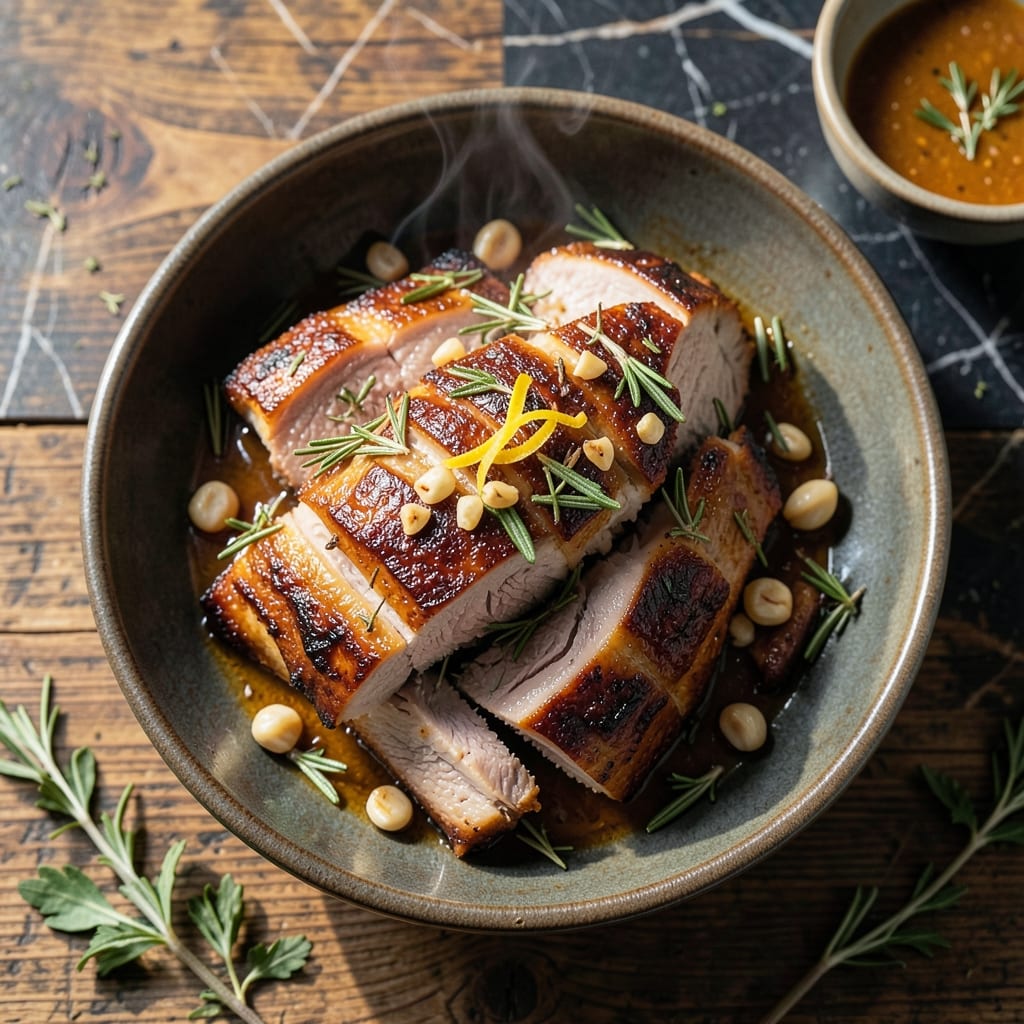
This oven roasted pork recipe delivers herb-crusted juiciness with caramelized edges every time. Growing up in Georgia, I learned that pork deserves respect and proper technique.
My method starts with a simple dry brine to ensure the meat stays tender throughout cooking. The herb crust forms a flavorful seal while the high heat creates that coveted caramelization.
You'll get pork that's perfectly juicy inside with a golden, crisp exterior. The aroma alone will have everyone gathering around the kitchen.
Serve it with roasted vegetables or mashed potatoes for a complete meal. This technique never fails to impress at any dinner table.
Ingredients for Oven Roasted Pork
Herb-crusted pork with caramelized edges starts with these quality ingredients for maximum flavor and tenderness.
| Ingredient | Amount | Notes |
|---|---|---|
| Pork Shoulder 🍖 | 2 lb | Bone-in, skin-on preferred |
| Kosher Salt 🧂 | 1 ½ tbsp | Diamond Crystal preferred |
| Freshly Ground Black Pepper 🌶️ | 1 tbsp | Coarse grind recommended |
| Dried Rosemary 🌿 | 1 tbsp | Crushed between fingers |
| Dried Thyme 🍃 | 1 tbsp | Rubbed to release oils |
| Garlic Cloves 🧄 | 6 cloves | Minced to paste consistency |
| Olive Oil 🫒 | ¼ cup | Extra-virgin for richness |
| Dijon Mustard 🟡 | 2 tbsp | Whole-grain acceptable |
| Fresh Sage Leaves 🌿 | 10 pieces | Lightly bruised |
| Brown Sugar 🟤 | 2 tbsp | Light or dark variety |
| Apple Cider Vinegar 💧 | 1 tbsp | Balances richness |
| Chicken Stock 🥣 | ½ cup | Low-sodium preferred |
The pork shoulder is non-negotiable for optimal juiciness. Bone-in, skin-on cuts from Whole Foods or a trusted butcher deliver superior results. Look for vibrant pink color and generous marbling—this fat renders down, basting the meat from within. For the herbs, Penzeys offers exceptional quality, but fresh bundles from your grocer’s produce section work beautifully too.
No fresh sage? Dried sage at half the amount provides adequate flavor. Brown sugar can be swapped for maple syrup at one-third the quantity. The chicken stock may be replaced with vegetable stock for a lighter profile, or white wine for added depth. If using store-bought stock, Better Than Bouillon offers concentrated flavor without additives.
The dry-brined pork can rest uncovered in the fridge for up to 24 hours. Leftovers keep well for 4-5 days refrigerated or freeze beautifully for 3 months. Reheat gently in a low oven to preserve moisture and texture.
Why You'll Love This Recipe
- Set It and Forget It: Honestly, I just rub the pork shoulder with salt, pepper, rosemary and thyme, pop it in the oven, and walk away.
- That Herb Crust: The rosemary and thyme form this insane crispy layer that makes every bite ridculously good.
- Feeds a Crowd: I made this for my son’s birthday and it was exactly what we needed—plenty for everyone and then some.
- Leftovers for Days: Between us, the shredded pork makes the best tacos, sandwiches, and soups for the whole week.
Step-by-Step Instructions for Oven Roasted Pork
Master the technique of transforming pork shoulder into a succulent, herb-crusted centerpiece with caramelized edges.
Prepare the Herb Marinade and Score the Pork
In a bowl, combine the 0.25 cup Olive Oil, 2 tbsp Dijon Mustard, 2 tbsp Brown Sugar, 1 tbsp Apple Cider Vinegar, minced 6 cloves Garlic Cloves, 1.5 tbsp Kosher Salt, 1 tbsp Freshly Ground Black Pepper, 1 tbsp Dried Rosemary, and 1 tbsp Dried Thyme. Whisk until fully emulsified—the mixture should look thick and glossy.
Pat the 2 lb Pork Shoulder dry with paper towels, then score the fat cap in a crosshatch pattern, cutting about ¼ inch deep. This helps the marinade penetrate and encourages even browning. Rub the herb mixture all over the pork, making sure to work it into the scores and crevices.
Marinate and Bring to Room Temperature
Place the pork in a shallow dish and press the 10 pieces Fresh Sage Leaves into the surface—they’ll crisp up beautifully during roasting. Cover and refrigerate for at least 4 hours, or preferably overnight, to allow the flavors to deeply penetrate the meat.
Remove the pork from the refrigerator 1 hour before roasting to bring it to room temperature. This ensures even cooking throughout. The surface should feel cool but not cold to the touch when ready. Preheat your oven to 375°F during this time.
Sear and Begin Roasting
Place a roasting pan with a rack in the preheated oven for 5 minutes to get it hot. Carefully add the pork shoulder, fat-side up, to the rack. Roast uncovered for 1 hour to start the browning process. The fat cap should begin to render and the surface will start to develop a golden crust.
After the first hour, pour the 0.5 cup Chicken Stock into the bottom of the pan. This creates steam that keeps the meat moist while allowing the top to continue caramelizing. Baste the pork with the pan juices every 30 minutes to enhance the flavor and encourage even browning.
Finish Roasting to Perfection
Continue roasting for another 1.5 to 2 hours, or until the internal temperature reaches 195°F on a meat thermometer. The pork should be fork-tender at this point, with the meat easily pulling away from the bone. The exterior should be a deep, rich brown with crispy, caramelized edges.
If the pork begins to darken too quickly, tent it loosely with foil to prevent burning while allowing the interior to finish cooking. The pan juices should be reduced and slightly syrupy, with the fat rendered and the herbs deeply fragrant.
Rest and Serve
Once done, transfer the pork shoulder to a cutting board and tent loosely with foil. Let it rest for 20 to 30 minutes—this allows the juices to redistribute, ensuring moist, flavorful meat. The internal temperature will rise slightly during this time, which is normal.
Serve the pork by pulling it apart with forks or slicing it thickly. Spoon the pan juices over the top for added moisture and flavor. The result should be tender, juicy pork with a crisp, herb-infused crust and caramelized edges that deliver a perfect balance of savory and sweet.
Pro Tips For Making Oven Roasted Pork
- Preheat the Pan: I learned this the hard way—start with a screaming hot pan or Dutch oven to sear the pork shoulder before roasting. That initial crust locks in juices and adds depth the herbs can cling to.
- Salt the Night Before: Rub the pork shoulder with kosher salt at least 12 hours ahead. It penetrates deep, tenderizing the meat and making every bite taste seasoned, not just the surface.
- Skip the Cold Meat: After burning a few roasts, I finally figured out: let the pork sit at room temp for 30-40 minutes before it hits the oven. Cold meat cooks unevenly and dries out at the edges.
- Use Fresh Herbs: Sounds weird, but it works: swap dried rosemary and thyme for fresh if you have them. They brighten the flavor without overpowering the pork’s natural richness—just double the amount.
Make-Ahead Tips for oven roasted pork
Overnight Dry Brine
For maximum flavor penetration, I dry brine my 2 lb Pork Shoulder with the salt and herb mixture the night before. This gives the seasonings 12-24 hours to work their magic. Just pat it dry, apply the rub, and leave it uncovered in the fridge. The surface will develop a tacky texture that helps the crust form beautifully. 💪
Marinade Prep Ahead
The herb marinade can be made 2 days in advance and stored in an airtight container. When ready to use, just whisk it again to re-emulsify. I’ve found the flavors actually deepen over time, especially the garlic and rosemary.
Partial Cook Method
If you're short on time, roast the pork at 375°F for 1 hour the day before, then refrigerate it overnight in the pan juices. The next day, finish cooking at 325°F until it reaches 195°F. This method saves time while still delivering tender results.
Pan Juice Storage
After roasting, strain and save those precious pan juices in a jar. They’ll keep in the fridge for 3 days or can be frozen for up to 1 month. Reheat gently and drizzle over sliced pork for an instant flavor boost when serving. 💡
Reheating for Crowds
For a dinner party, I’ll cook the pork a day ahead, then reheat it in a 300°F oven, covered with foil and a splash of chicken stock, for about 30-40 minutes. The meat stays juicy, and the flavors continue to meld.
Herb Prep Shortcut
Crush the dried rosemary and thyme the night before and store in a small bowl. This releases their oils early, intensifying their aroma. Just
Nutrition Facts
Frequently Asked Questions
What internal temperature should I aim for?
Cook until the center reaches 195°F for fall-apart tenderness. This ensures collagen breaks down completely while keeping the meat juicy inside.
Can I use a different cut of pork?
Yes! Pork loin works but cooks faster (145°F). For best results, stick with shoulder for that perfect caramelized crust and melt-in-your-mouth texture.
How do I prevent dry meat?
Don't skip the marinating step—it locks in moisture. Also, let it rest for 20-30 minutes after cooking to redistribute juices.
Should I cover the pork while roasting?
Leave it uncovered for the first 1 hour to develop the crust. Then tent loosely with foil if it darkens too quickly.