
Side Dishes
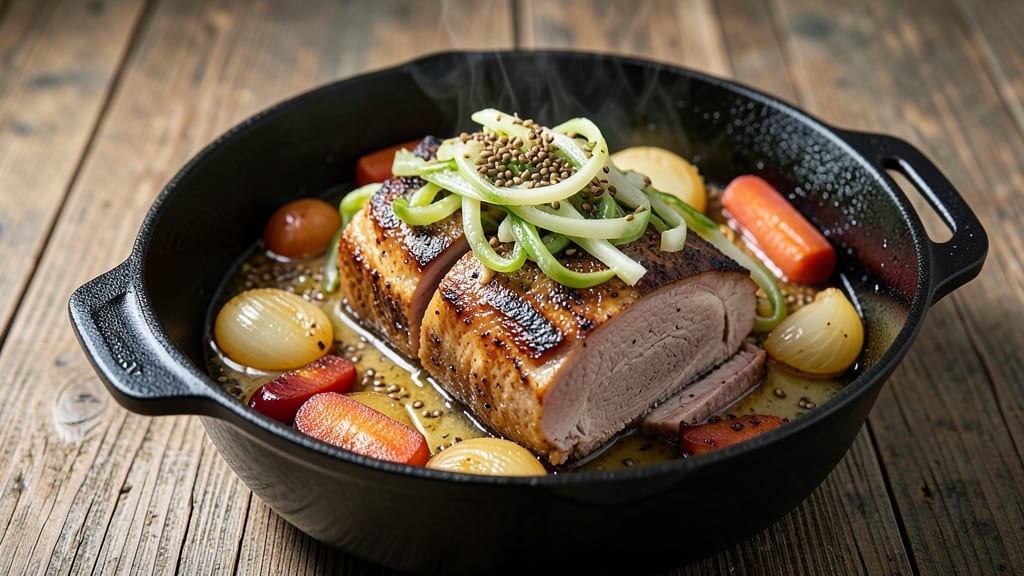
This Pa Dutch pork and sauerkraut recipe brings hearty Midwestern comfort to your table with a perfect balance of tender meat and tangy fermented cabbage. Growing up in small-town Georgia, I learned how pork and sauerkraut transform simple ingredients into a dish that feeds both body and soul.
The slow-cooked method ensures melt-in-your-mouth pork while preserving the sauerkraut's signature crunch and acidity.
What makes this recipe stand out is the careful seasoning blend—just enough caraway, mustard seeds, and black pepper to complement the pork without overpowering it. The sauerkraut gets sautéed with onions until softened but still retains its texture, creating a side that's both flavorful and satisfying.
This method delivers restaurant-quality results in your own kitchen, with minimal effort but maximum reward.
By the time you serve this dish, you'll have perfectly seasoned pork that falls apart easily, paired with sauerkraut that's tender yet still holds its shape.
The combination of sweet, savory, and tangy flavors makes this a complete meal on its own, or it pairs beautifully with roasted potatoes or crusty rye bread. The aroma alone will have everyone gathered at your table.
This recipe is designed to be versatile—adjust the seasoning to your taste, add apples for extra sweetness, or swap in mushrooms for depth. It's the kind of dish that gets better with leftovers, making it perfect for meal prep or feeding a crowd.
Let's get started on creating this comforting classic that tastes like home.
Ingredients for pa dutch pork and sauerkraut
Simple ingredients create Midwestern comfort you’ll crave all winter long.
| Ingredient | Amount | Notes |
|---|---|---|
| Pork Shoulder 🐷 | 3 lb | Fat-capped for flavor |
| Sauerkraut 🥬 | 2 cups | Undrained, good quality |
| Yellow Onions 🧅 | 2 whole | Medium, finely chopped |
| Carrots 🥕 | 4 whole | Medium, sliced |
| Dried Caraway Seeds 🌿 | 1 tbsp | Toasted for aroma |
| Yellow Mustard Seeds 🌶️ | 1 tsp | Whole seeds preferred |
| Black Peppercorns 🌶️ | 1 tsp | Freshly crushed |
| Apple Cider Vinegar 🍎 | 2 tbsp | For tangy balance |
| Brown Sugar 🍯 | 2 tbsp | Light or dark |
| Dried Thyme 🌿 | 1 tsp | Or 1 tbsp fresh |
| Salt 🧂 | 1 tsp | Kosher or sea salt |
| Beef or Chicken Broth 💧 | 1 cup | Low-sodium preferred |
| Olive Oil 🫒 | 2 tbsp | For sautéing onions |
The pork shoulder is your secret weapon here—fat-capped pieces render down into silky sauce, not greasy mess. Look for organic or grass-fed at Whole Foods or Costco for the best flavor. I always buy it pre-cubed to save time, but if you're cutting your own, trim just enough fat to keep it manageable. The sauerkraut quality matters too—look for vibrant green color and no added sugars. Lacto-fermented is ideal, but if you're short on time, store-bought sauerkraut (like Great Value) works in a pinch. Just drain it well before using.
No caraway seeds? Ground caraway at half the amount gets you close, though the seeds add that wonderful toasty aroma. Want more sweetness? Swap brown sugar for honey or maple syrup—just reduce the vinegar slightly to balance. Fresh thyme is ideal, but dried works at one-third the amount. The broth can be beef or chicken, but low-sodium is key—you don’t want to overpower the pork’s natural flavor. Onions? Yellow or red both work, but yellow gives that classic Pa Dutch sweetness. Skip the pre-shredded carrots—they turn mushy too fast.
This dish tastes even better the next day, so make it ahead if you can. Store in the fridge for up to 5 days, or freeze portions for 3 months—just thaw overnight in the fridge. The sauerkraut will keep its tang if you freeze it with the pork, but the texture gets softer. For serving, I like to garnish with fresh parsley and serve over buttered noodles or with crusty bread. The leftovers reheat beautifully—just add a splash of broth to keep it moist. Trust me, this is the kind of dish that disappears fast at family gatherings.
Why You'll Love This Recipe
- One-Pot Wonder: Honestly, this is the kind of dish where you throw everything in one pot and walk away. That searing step for the pork shoulder takes the longest—just 15 minutes total—but the rest is hands-off braising. No chopping marathon, no constant stirring, just toss in the onions, carrots, and spices, then let the oven do the work while you prep sides.
- Tangy-Sweet Perfection: The apple cider vinegar and brown sugar? That’s the magic duo. It turns the sauerkraut from just pickled cabbage to something tangy-sweet with layers of flavor. And those toasted caraway seeds—chef’s kiss—they add that earthy aroma that makes your kitchen smell like a cozy Pennsylvania farmhouse.
- Weeknight Hero: Between us, this is my secret weapon when I’m exhausted but still need dinner on the table. Sear the pork in the morning if you’re ahead, or do it right before work—it just needs that 3-4 hour bake. Serve it over noodles or with crusty bread, and you’ve got a meal that’s instant comfort. No takeout, no fuss.
Step-by-step instructions for Pa Dutch pork and sauerkraut
Here's how to create this hearty, slow-cooked masterpiece that delivers deep flavor and tender meat every time.
Sear and Prep the Pork Shoulder
Heat a large Dutch oven over medium-high heat. Add the 2 tablespoons olive oil and let it get just hot enough to shimmer. Place the 3 lb pork shoulder, fat-side down, in the pan and sear undisturbed for 8-10 minutes until the fat renders and the meat develops a deep golden-brown crust.
Flip the pork shoulder and sear the other side for another 5-7 minutes. This step creates the foundational flavor and texture—don't rush it. Once browned, remove the pork and set it aside on a plate. You'll notice the fat in the pan has rendered out, leaving behind rich, savory bits that will form the base of your sauce.
Sauté Vegetables and Toast Spices
In the same Dutch oven, add the 2 yellow onions and 4 carrots, sliced into rounds. Cook over medium heat for 8-10 minutes, stirring occasionally, until the onions soften and the carrots begin to caramelize slightly. This process draws out their natural sweetness, which will balance the tangy sauerkraut later.
Add the 1 tablespoon dried caraway seeds, 1 teaspoon yellow mustard seeds, and 1 teaspoon black peppercorns to the pan. Toast them for 1-2 minutes until fragrant—this step releases their aromatic oils and deepens their flavor. Stir in the 1 teaspoon dried thyme and 1 teaspoon salt, letting them bloom for 30 seconds. You'll smell the spices melding together, creating a warm, earthy base for the dish.
Build the Sauce and Braise the Pork
Pour in the 2 tablespoons apple cider vinegar and 2 tablespoons brown sugar, scraping up any browned bits from the bottom of the pan. Add the 1 cup beef or chicken broth and bring everything to a simmer. Return the pork shoulder to the Dutch oven, fat-side up, and add the 2 cups sauerkraut on top of the pork.
Cover the Dutch oven and transfer it to a preheated 300°F oven. Braise the pork for 3-4 hours until the meat is fork-tender and easily pulls apart. The sauerkraut will soften and meld with the pork, creating a rich, tangy-sweet sauce. Check occasionally to ensure there's enough liquid—if it looks too dry, add a splash of water or broth.
Rest and Serve for Maximum Comfort
Once the pork is tender, remove it from the oven and let it rest for 15-20 minutes. This resting period allows the juices to redistribute, ensuring each bite is moist and flavorful. During this time, you can skim any excess fat from the sauce if desired—though many Pa Dutch dishes embrace a richer finish.
Shred the pork shoulder using two forks, mixing it back into the Dutch oven with the sauerkraut and sauce. Taste and adjust the seasoning if needed—you might want to add a pinch more salt or a splash of vinegar to balance the flavors. Serve the pork and sauerkraut over buttered egg noodles or crusty bread for a complete, comforting meal.
Pro Tips For Making Pa Dutch Pork And Sauerkraut
- Wait for That Crust: I used to flip the pork too soon after the first side browned, and the crust never got crisp enough. Let the fat render fully—8 to 10 minutes undisturbed—until the pork releases easily from the pan. That golden crust is where all the flavor hides, and it’s worth the patience.
- Rinse the Sauerkraut: Sounds weird, but it works: give the 2 cups sauerkraut a quick rinse under cold water before adding it to the pot. This cuts the harshness of the brine without diluting the tang, so the final dish stays balanced. Drain it well afterward—no one wants a soggy mess.
- Scrape Like Your Life Depends On It: After searing the pork and sautéing the onions, don’t just dump in the vinegar and broth—scrape up every last bit of browned goodness stuck to the Dutch oven. Those bits are pure flavor, and they’ll turn your sauce from good to rich. A wooden spoon works, but a silicone spatula is your best friend here.
- Check the Liquid Early: I learned this the hard way—waiting until the end to add broth if the sauce looks dry means you’re left with a gloppy, uneven consistency. After 2 hours in the oven, peek under the lid and add a splash of water or broth if needed. Better to adjust now than scramble later when the pork’s almost done.
Make-ahead tips for this dish
Slow Cooker Shortcut
For busy weeknights, transfer the seared pork and sautéed veggies to a 6-quart slow cooker with all the spices and broth. Cook on low for 8 hours or high for 5 hours, then stir in the sauerkraut during the last 30 minutes to preserve its texture.
I use my Hamilton Beach slow cooker because it maintains even heat—no hot spots that can overcook the edges. 💫
Freezer-Friendly Prep
Prep everything up to Step 3, then freeze the pork and sauce mixture in a ziplock freezer bag with 1-inch headspace. Thaw overnight in the fridge, then finish cooking in the oven for 2-3 hours at 300°F.
The sauerkraut can be added fresh after thawing to keep its crunch. I label these with dates—they keep for 3 months without losing flavor.
Sauerkraut Texture Tips
To keep sauerkraut from turning mushy, add it only in the last 30 minutes of cooking. If using store-bought sauerkraut, drain it well but save 2 tablespoons of the brine—it adds depth to the sauce.
For extra tang, stir in 1 teaspoon apple cider vinegar at the end. I always taste-test before serving—this is where you can adjust the balance between sweet and sour. 🌶️
Leftovers Reinvented
Turn next-day leftovers into Pa Dutch pork sliders by shredding the pork and mixing it with a little extra broth. Serve on brioche buns with a dollop of Dijon mustard and sauerkraut on top.
For a heartier meal, mix the pork with mashed potatoes and top with crispy fried onions. These leftovers reheat beautifully—just add a splash of broth to keep everything moist.
Meal Prep Timeline
Start the pork searing on Sunday morning, then slow-cook it while you run errands. The flavors develop beautifully over time, so don’t rush it. By evening, you’ll have a fully cooked meal ready to serve.
Store in glass containers for up to 5 days—the sauerkraut’s tang actually improves as it sits. I like to prep two batches at once: one for dinner and one for lunches during the week. 💡
Garnish Like a Pro
Before serving, sprinkle with fresh parsley or chopped chives for brightness. A drizzle of honey or a pinch of smoked paprika adds a restaurant-quality finish. For extra crunch, toast pecans or walnuts and sprinkle on top.
These small touches elevate the dish without changing the core flavors—it’s all about presentation, folks. ✨
Nutrition facts
Frequently asked questions
Why does this recipe use fat-capped pork shoulder?
The fat cap on pork shoulder isn't just for flavor—it renders down during cooking, creating a rich, savory sauce that coats the meat and vegetables. This traditional method ensures each bite is moist and packed with deep, umami notes. Plus, the fat adds a luxurious mouthfeel that makes this dish feel special.
Can I skip the searing step and just slow-cook the pork?
Searing is essential for developing that deep, caramelized crust that forms the flavor foundation. Without it, your pork will lack the rich, savory depth that makes this dish unforgettable. Skip it at your own risk—your taste buds will thank you for that initial step!
How do I know when the pork is done if I'm not checking it every hour?
Use a meat thermometer to check the internal temperature—it should reach 195°F for fall-apart tenderness. The pork will also pull apart easily with a fork when you test it. If you don't have a thermometer, look for juices that run clear when you pierce the thickest part of the meat.
What's the best way to reheat leftovers without drying them out?
Gently warm the pork and sauerkraut in a skillet over low heat, adding a splash of broth or water to prevent sticking. Alternatively, reheat in the oven at 300°F for 20-30 minutes, covered with foil. This keeps everything moist and preserves that perfect tangy-sweet balance.