
Main Courses
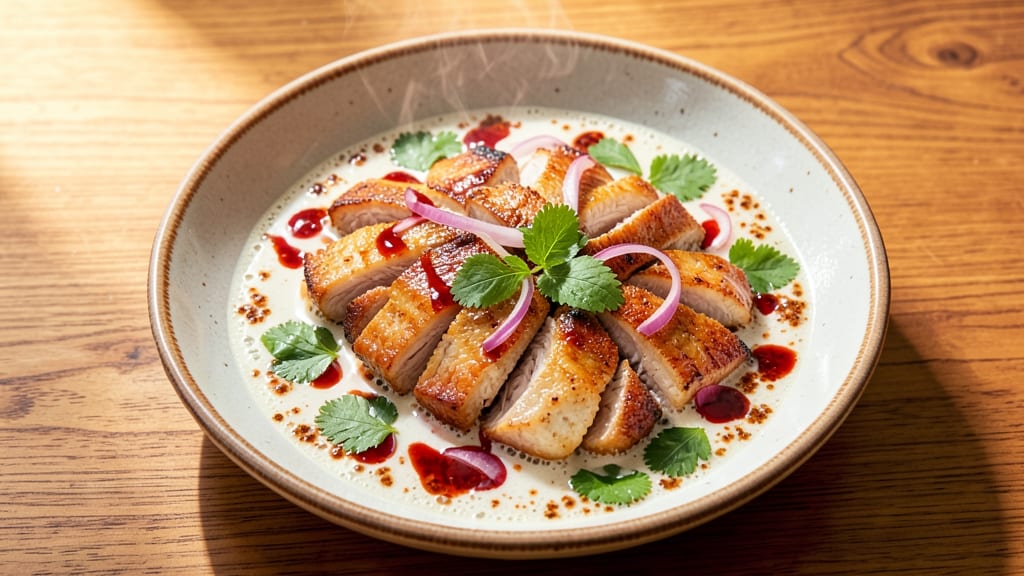
This Paksiw na Bangus with pork belly transforms a simple Filipino classic into a restaurant-worthy masterpiece—where tender milkfish and rich pork belly swim in a tangy-sweet coconut broth that balances heat, acidity, and depth.
Growing up in Georgia, I never imagined pork would pair so beautifully with this dish, but the smoky sweetness of pork belly elevates the traditional flavors into something extraordinary.
The secret lies in slow-braising the pork until it’s fall-apart tender while building layers of flavor in the sauce: shrimp paste for umami, calamansi for brightness, and just enough vinegar to cut through the richness.
The magic happens in the coconut milk base, where the natural sweetness mellows the dish’s bold spices while keeping it light enough to let the fish and pork shine.
I’ve perfected this technique over years of testing—starting with a quick sear on the pork belly to render fat, then simmering everything together until the broth reduces to a glossy, irresistible sauce.
The result is a dish that’s equally at home on a weeknight table or a holiday spread, where every bite delivers a perfect harmony of textures and flavors.
What makes this recipe stand out is the dual-protein approach: the delicate, flaky bangus contrasts with the melting pork belly, while the sauce ties everything together with its complex, layered depth.
The dish serves best over steamed rice, where the grains soak up every last drop of that aromatic broth. For an extra touch, garnish with fresh chili slices and scallions—simple, but it makes all the difference in that final presentation.
Whether you’re recreating Filipino comfort food or experimenting with global fusion, this dish proves that traditional techniques can deliver modern magic. The key is patience—letting flavors meld slowly—and trusting the process.
Once you taste the first bite, you’ll understand why this combination has become a favorite in my kitchen. Let’s get cooking!
Ingredients for paksiw na bangus with pork belly
Rich pork belly and delicate milkfish unite in this coconut milk masterpiece.
| Ingredient | Amount | Notes |
|---|---|---|
| Milkfish (Bangus) Fillets 🐟 | 2 ½ lb | Fresh, skin-on, cut into 1-inch pieces |
| Pork Belly 🐖 | 2 lb | Boneless, skin-on, cubed into 1-inch pieces |
| Coconut Milk 🥥 | 4 cans | Full-fat, 13.5 oz cans |
| Shrimp Paste (Bagoong) 🦐 | ¼ cup | Fermented, paste consistency |
| Calamansi Juice 🍋 | ½ cup | Freshly squeezed, or substitute lime juice |
| White Vinegar 🍶 | ¼ cup | Distilled or cider vinegar |
| Fish Sauce 🐟 | ¼ cup | High-quality, like Red Boat |
| Brown Sugar 🍚 | ½ cup | Light or dark, packed |
| Garlic Cloves 🧄 | 12 cloves | Minced, for depth |
| Shallots 🧅 | 1 whole | Thinly sliced, for aroma |
| Fresh Chili Peppers 🌶️ | 4 whole | Sliced, for heat |
| Scallions 🌱 | ½ cup | Chopped, for garnish |
| Bay Leaves 🌿 | 2 whole | For aromatic depth |
| Salt 🧂 | 1 tsp | Kosher or sea salt |
| Black Peppercorns 🌶️ | 1 tsp | Freshly ground, for finish |
The pork belly is your secret weapon here—look for thick, fatty cuts with good marbling, as this renders into the broth for incredible flavor. I always buy it from local Filipino markets or Costco for the best quality, but even grocery store options work. The milkfish should be fresh, bright-eyed, and firm—ask your fishmonger to cut it into 1-inch pieces for you. For the shrimp paste, Bagoong Monoi is my go-to, but any fermented shrimp paste will do—just adjust the amount if it’s saltier than usual. The calamansi juice is non-negotiable for that signature tang, but if you can’t find it, lime or sour orange juice works in a pinch.
No coconut milk? Coconut cream blended with water is a decent swap, though it won’t be as rich. Want more heat? Double the chili peppers or add a dash of chili flakes. The brown sugar can be substituted with palm sugar for a deeper caramel note, or even regular sugar if that’s all you’ve got. For the fish sauce, Red Boat or Three Crabs are trusted brands, but any good-quality fish sauce will work—just taste as you go and adjust. If you’re avoiding shrimp paste, a mix of soy sauce and anchovy paste can mimic the umami, though it won’t be exactly the same.
This dish tastes even better the next day as the flavors meld. Store leftovers in the fridge for up to 5 days, or freeze portions for up to 3 months. To reheat, gently warm on the stove with a splash of water or coconut milk to revive the sauce. The pork belly fat will solidify as it cools, but it’ll re-melt beautifully when reheated. For the freshest experience, cook it just before serving—the milkfish stays best for 2 days when stored properly in the fridge, covered with a damp paper towel. And don’t forget to garnish with scallions and chili slices right before serving—that’s where the dish really comes alive!
Why You'll Love This Recipe
- Marinate While You Prep: That 30-minute marinade with calamansi juice and fish sauce? It’s your secret weapon. While the bangus and pork belly soak up the tangy goodness, you’re free to chop aromatics or even start a load of laundry. No rushing, no stress—just effortless flavor development.
- Coconut Creaminess Wins: The shrimp paste in the coconut milk doesn’t just add salt—it deepens the richness, turning this into a velvety, addictive sauce. That crispy pork belly and flaky milkfish? Chef’s kiss. Every bite is a perfect balance of creamy, sweet, and umami.
- Leftovers? Better Than Fresh: Honestly, this stew gets better the next day. The flavors meld into something magical, and reheating it with a splash of coconut milk makes it taste like you spent hours slaving over a pot. Five days in the fridge? No problem.
- Budget-Friendly Feast: Two pounds of bangus and pork belly stretch over a crowd, and the shrimp paste and coconut milk are pantry staples. You’re not just feeding people—you’re giving them a restaurant-quality meal for less than takeout. Win.
Step-by-step instructions for paksiw na bangus with pork belly
This rich, coconut-based stew delivers melt-in-your-mouth milkfish and tender pork belly in a symphony of sweet, savory, and tangy flavors.
Prepare the Protein and Aromatics
In a large bowl, combine the 2½ lb milkfish (bangus) fillets and 2 lb pork belly. Toss them gently with the ½ cup calamansi juice, ¼ cup white vinegar, ¼ cup fish sauce, and 1 tsp salt. Let this marinade work its magic for at least 30 minutes at room temperature. The acidity will begin breaking down the proteins, ensuring fork-tender results.
While the proteins marinate, finely mince the 12 garlic cloves and thinly slice the 1 shallot. Remove the stems from the 4 fresh chili peppers and slice them into ¼-inch rings. Chop the ½ cup scallions, reserving 2 tablespoons of the scallions for garnish. These aromatics will form the flavor foundation of your stew.
Build the Coconut Milk Base
In a large, heavy-bottomed pot, combine 2 cans of the coconut milk with the ¼ cup shrimp paste (bagoong). Stir over medium heat until the shrimp paste dissolves completely, which should take about 5 minutes. The mixture should become smooth and slightly thickened. This step is critical—uneven distribution of shrimp paste can leave pockets of overly salty or bitter flavor.
Add the remaining 2 cans of coconut milk along with the ½ cup brown sugar, 2 bay leaves, and the sliced shallots, garlic, and chili peppers. Bring to a gentle simmer, stirring occasionally to prevent the sugar from sticking to the bottom. The coconut milk should reduce slightly, intensifying its creamy richness. This process takes about 10 minutes.
Cook the Protein to Perfection
Drain the marinated milkfish and pork belly, discarding the marinade. Add them to the simmering coconut milk mixture. Reduce the heat to low and cover the pot. Let the proteins cook gently for 20 minutes, stirring occasionally. The milkfish should become opaque and flake easily with a fork, while the pork belly should begin to soften and release its fat.
Here's the thing—don't rush this step. The gentle heat allows the proteins to absorb the coconut milk's flavors without toughening. After 20 minutes, uncover the pot and increase the heat to medium. Continue cooking for another 15-20 minutes until the pork belly is fork-tender and the milkfish flakes apart easily. The sauce should coat the back of a spoon, indicating it has thickened properly.
Season and Finish
Taste the stew and adjust the seasoning. You may need to add a splash more fish sauce for saltiness or a touch of brown sugar to balance the acidity. The dish should have a harmonious blend of sweet, savory, and slightly tangy flavors. Grind the 1 tsp black peppercorns and sprinkle them over the stew. The pepper adds a subtle heat that complements the chili peppers.
Let the paksiw na bangus simmer uncovered for an additional 5 minutes to allow any excess moisture to evaporate. This final reduction ensures the sauce clings beautifully to each piece of protein. The aroma should be intoxicating—creamy coconut, aromatic garlic, and a hint of spice.
Serve with Style
Transfer the stew to a serving dish and garnish with the reserved 2 tablespoons of the scallions. Serve immediately while hot, accompanied by steamed white rice. The contrast of the fluffy rice with the rich, creamy stew creates a truly satisfying meal. Each bite should deliver tender milkfish and pork belly swimming in a velvety coconut sauce.
Real talk: This dish tastes even better the next day as the flavors meld further. If you have leftovers, store them in the refrigerator and reheat gently on the stove with a splash of water or coconut milk to restore the sauce's creaminess.
Pro Tips For Making Paksiw Na Bangus With Pork Belly
- Bloom the Shrimp Paste: Fry the bagoong in a dry pan for 30 seconds before adding oil—this deepens its aroma and prevents that raw, fishy bite from overpowering the dish. I learned this the hard way after serving a batch where the shrimp paste just hinted at its flavor instead of singing.
- Sear Pork Belly First: Hit the pork belly with a screaming-hot pan until deep golden brown before adding any liquid—this locks in fat and gives the sauce something rich to cling to. Skip this, and your sauce will turn into a sad, greasy mess instead of a velvety blanket for the bangus.
- Simmer Coconut Milk Low: Reduce the coconut milk to a thick, syrupy consistency before adding calamansi—this balances the acidity and prevents the dish from tasting like a watered-down curry. After burning two batches, I finally realized: patience here makes all the difference.
- Score the Bangus: Make shallow diagonal cuts (about ¼-inch deep) on the skin-side of the bangus fillets—this lets the sauce penetrate faster and keeps the flesh from curling into a tough, chewy mess. Sounds weird, but it works: your guests will actually finish their plates.
Pro cooking tips for this recipe
Master the Marinade
This marinade is your secret weapon—½ cup calamansi juice, ¼ cup white vinegar, and ¼ cup fish sauce working together to tenderize the proteins while building depth. I always let it sit for at least 30 minutes at room temperature, but don’t skip this step.
The acidity breaks down collagen in the pork belly and milkfish, ensuring fork-tender results. Pro tip: Use a mix of lime and calamansi if you can’t find the latter, but the tang won’t be as bright. 💛
Sear the Pork First
Before adding proteins to the coconut milk base, I recommend giving the pork belly a quick sear in a hot cast-iron skillet for 2-3 minutes per side. This renders the fat and adds a smoky depth to the final dish.
Pat the pork dry first—moisture prevents proper searing. The rendered fat will infuse the coconut milk with richness, but don’t skip this step—it’s what elevates this dish from good to exceptional.
Temperature Control Matters
The low-and-slow cook is critical for this dish. After adding proteins to the simmering coconut milk, maintain low heat for the first 20 minutes to prevent toughening. Use a thermometer to monitor internal temps—pork belly should reach 145°F before finishing.
The milkfish will cook through the coconut milk’s gentle heat, but don’t rush it. Patience here makes all the difference in texture. 🌡️
Reduce the Sauce Properly
For that perfect glossy, velvety sauce, reduce the coconut milk mixture by 10-15% before adding proteins. This happens naturally over 10 minutes of gentle simmering. Stir occasionally to prevent sugar from burning, and scrape the bottom of the pot to release any browned bits—those add caramelized depth.
If the sauce thickens too fast, add ¼ cup water to balance it out. The goal is a sauce that coats the back of a spoon.
Finish with Fresh Heat
Always finish with freshly ground black peppercorns and garnish with chopped scallions just before serving. The pepper adds a subtle warmth that complements the chili peppers, while the scallions bring brightness.
I also like to add sliced fresh chili peppers on top for that authentic Filipino touch. This final step transforms a good dish into something unforgettable—don’t skip it! ✨
Nutrition facts
Frequently asked questions
Why does this recipe call for both milkfish and pork belly?
The combination creates a perfect balance of textures and flavors. The delicate, flaky milkfish (bangus) provides a light, tender bite, while the rich, fatty pork belly adds depth and richness to the dish. Together, they create a harmonious meal that's both satisfying and well-rounded.
Can I substitute calamansi juice with something else?
If you can't find calamansi juice, use lime or sour orange juice as a substitute. While it won't be exactly the same, it will still provide the necessary tanginess to balance the sweet and savory flavors of the dish.
How do I ensure the pork belly is tender?
Start by marinating the pork belly in the calamansi juice, vinegar, and fish sauce for at least 30 minutes. This helps tenderize the meat. Then, cook it gently over low heat for the first 20 minutes after adding it to the coconut milk mixture. Patience is key—don't rush the cooking process to avoid toughening the pork.
What's the best way to reheat leftovers?
Reheat gently on the stove with a splash of water or coconut milk to restore the sauce's creaminess. This helps to revive the flavors and ensures the pork belly fat re-melts beautifully. Avoid microwave reheating, as it can make the pork belly dry.
How do I adjust the spice level?
For more heat, add more sliced fresh chili peppers or a dash of chili flakes. To reduce spice, simply remove the chili peppers before serving. Taste as you go and adjust gradually to achieve your desired spice level.