
Recipes/Cooking
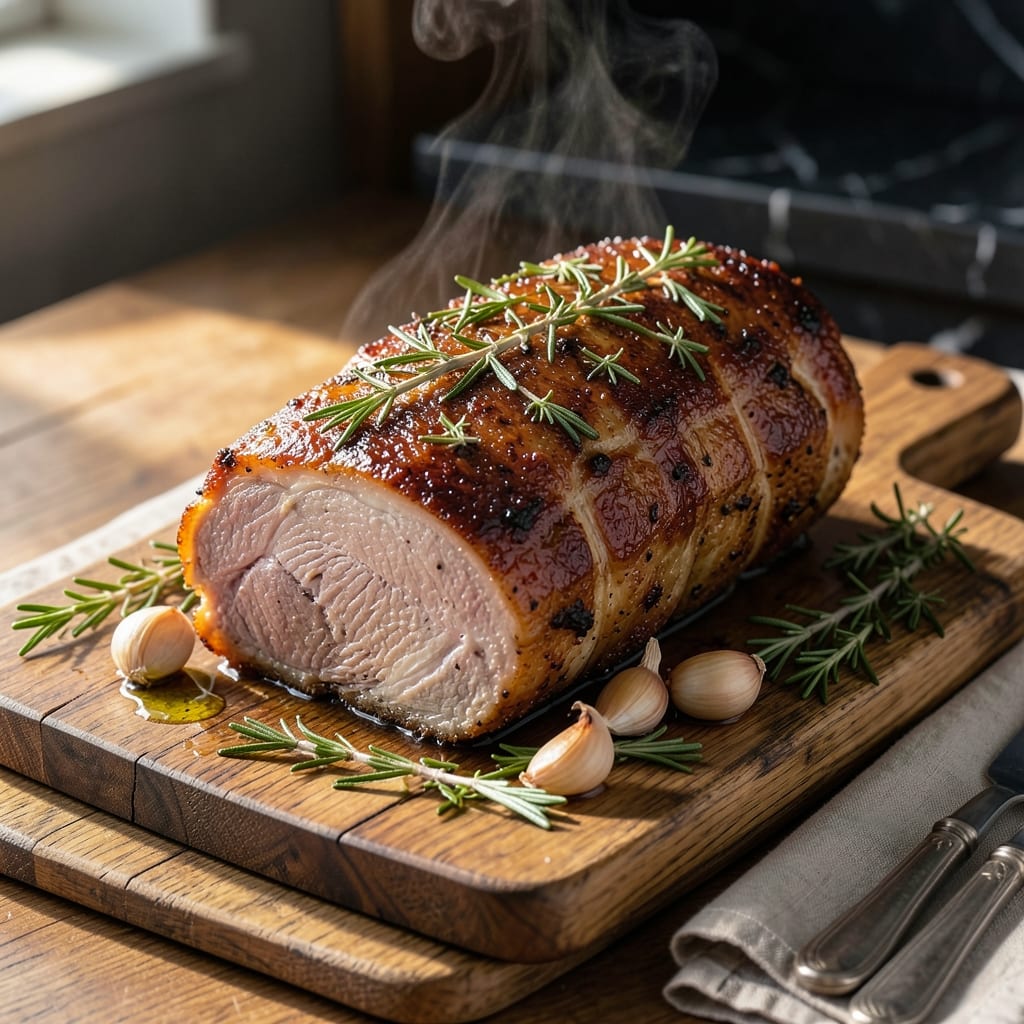
A pan seared pork roast recipe delivers golden crust and juicy, herb-infused meat that rivals any restaurant dish. I developed this method after years of perfecting pork at The Smoky Pig, focusing on precision and flavor balance.
The key is starting with a dry brine, which ensures every bite stays moist and flavorful. Searing creates that coveted crispy exterior while locking in natural juices, making this dish both impressive and approachable.
With a few simple techniques and herb-infused seasoning, you’ll achieve tender pork with a rich, caramelized crust. This recipe transforms an ordinary roast into a centerpiece worthy of any dinner table.
Perfect for Sunday suppers or special occasions, this method guarantees consistent, professional-quality results every time.
Ingredients for Pan Seared Pork Roast
Professional-quality ingredients for a restaurant-worthy centerpiece with herb-infused depth and golden crust.
| Ingredient | Amount | Notes |
|---|---|---|
| Pork Shoulder Roast 🥩 | 3 lb | Bone-in, skin-on preferred |
| Kosher Salt 🧂 | 1 tbsp | Diamond Crystal preferred |
| Freshly Ground Black Pepper 🌶️ | 1 tbsp | Coarse grind for texture |
| Fresh Rosemary 🌿 | 2 tbsp | Chopped, stems removed |
| Fresh Thyme 🍃 | 2 tbsp | Leaves stripped from stems |
| Garlic Cloves 🧄 | 6 cloves | Smashed, peeled |
| Olive Oil 🫒 | 2 tbsp | High smoke point preferred |
| Unsalted Butter 🧈 | 2 tbsp | For basting finish |
| Dijon Mustard 🟡 | 1 tbsp | For crust development |
| Red Wine Vinegar 🍷 | 1 tbsp | For acid balance |
| Chicken Stock 🥣 | ½ cup | Low-sodium preferred |
| Yellow Onion 🧅 | 1 whole | Roughly chopped for bed |
| Carrots 🥕 | 3 whole | Cut into thick chunks |
The pork shoulder is non-negotiable here. Bone-in, skin-on yields the most flavorful results, with the fat cap rendering down to baste the meat naturally. Source from a reputable butcher like Whole Foods or local farms if possible—the marbling should be visible and abundant. For the herbs, fresh rosemary and thyme are essential; dried simply won’t deliver the same aromatic punch.
No pork shoulder? Pork loin works but requires more vigilance to prevent drying out. Fresh herbs can be swapped for dried at one-third the amount, though the flavor profile will be less vibrant. For the stock, homemade or high-quality low-sodium is ideal—avoid overly salty commercial brands. The Dijon can be replaced with whole-grain mustard for a rustic twist.
Store the raw pork on a tray in the coldest part of your fridge for up to 2 days. Prepped herbs wrapped in damp paper towels keep for 5 days. The cooked roast holds beautifully—keeps 4-5 days refrigerated or freezes for 3 months.
Why You'll Love This Recipe
- One Pan Wonder: I love that I can sear the pork shoulder in the same pan I roast it in—minimal cleanup, maximum flavor.
- Herb Infused Crust: The rosemary and thyme create this incredible aromatic crust that makes every bite irresistibly savory.
- Feeds a Crowd: Honestly, this pork shoulder roast is my go-to for Sunday dinners or when the in-laws drop by unannounced.
- Leftovers for Days: Between us, the leftovers make the best sandwiches or tacos—I always double the batch on purpose.
Step-by-Step Instructions for Pan Seared Pork Roast
Master the technique for a golden crust and herb-infused juices with this precise method.
Season and Sear the Pork Shoulder
Pat the 3 lb Pork Shoulder Roast dry with paper towels. Rub the surface with 1 tbsp Kosher Salt, 1 tbsp Freshly Ground Black Pepper, 2 tbsp Fresh Rosemary, and 2 tbsp Fresh Thyme, pressing the herbs into the meat to create a flavorful crust.
Heat 2 tbsp Olive Oil in a large Dutch oven or heavy pot over medium-high heat. When the oil shimmers, add the pork shoulder and sear for 4-5 minutes per side until deep golden brown. Use tongs to turn the roast—this ensures even browning without tearing the crust.
Build the Aromatic Base
Transfer the seared pork to a plate and reduce heat to medium. Add the roughly chopped Yellow Onion and thick chunks of Carrots to the pot. Cook for 3-4 minutes, stirring occasionally, until the vegetables begin to soften and develop light caramelization.
Create a well in the center of the pot and add 6 cloves Garlic Cloves, 1 tbsp Dijon Mustard, and 1 tbsp Red Wine Vinegar. Stir for 30 seconds until fragrant—this builds the flavor foundation for the herb-infused juices.
Deglaze and Braise the Roast
Pour 0.5 cup Chicken Stock into the pot and scrape the bottom with a wooden spoon to release all the browned bits. These fond elements are packed with flavor and will dissolve into the braising liquid, creating a rich sauce.
Return the pork shoulder to the pot, along with any accumulated juices. Add 2 tbsp Unsalted Butter on top of the roast for a finishing baste. Cover the pot and transfer it to a preheated 325°F oven. Braise for 2.5 to 3 hours until the pork is fork-tender.
Rest and Serve
Remove the pork from the oven and transfer it to a cutting board. Let it rest uncovered for 15 minutes—this allows the juices to redistribute for maximum moisture and tenderness. Tent loosely with foil if needed to retain warmth.
Meanwhile, skim excess fat from the braising liquid and simmer the remaining juices over medium heat for 5 minutes to slightly reduce and intensify the flavors. Slice the pork and serve with the aromatic vegetables and herb-infused sauce spooned over the top.
Pro Tips For Making Pan Seared Pork Roast
- Pat It Dry: Use paper towels to thoroughly dry the pork shoulder before seasoning—this guarantees a better sear instead of steamed meat.
- Season Early: Salt the pork at least 30 minutes before cooking; it draws out moisture then reabsorbs, making the meat more flavorful and tender.
- Don’t Overcrowd: Use a pan large enough to give the roast space, or sear in batches—crowding drops the temperature and leads to soggy, uneven browning.
- Rest Before Slicing: Let the roast rest under foil for 10 minutes after cooking; it keeps the juices inside the meat instead of all over your cutting board.
Pro Cooking Tips for pan seared pork roast
Dry Brine First
I always start with a dry brine at least 12 hours before cooking—it’s the secret to juicy pork. Generously coat the 3 lb Pork Shoulder Roast with 1 tbsp Kosher Salt and let it sit uncovered in the fridge. This draws out moisture, which then reabsorbs with enhanced flavor. 💡
Cast Iron Matters
Use a heavy cast iron Dutch oven for even heat distribution. My vintage Lodge pieces are perfect for this. Preheat the pot over medium-high heat until the oil shimmers but doesn’t smoke—this ensures a proper sear without bitter notes.
Don’t Crowd the Pan
Sear the pork in batches if needed—crowding lowers the pan temperature and causes steaming instead of browning. I learned this the hard way during my early days at The Smoky Pig. A deep golden crust only forms with adequate space between pieces.
Baste Regularly
Every 20-30 minutes during braising, spoon the herb-infused juices over the pork. This keeps the surface moist and builds layers of flavor. I use a basting spoon from my collection for this step—it’s a small touch that makes a big difference. 🔥
Internal Temp Check
Use an instant-read thermometer to check for 195-203°F internal temperature. At this range, collagen breaks down into gelatin, giving you that perfect pull-apart tenderness. I rely on my ThermoWorks MK4 for accuracy.
Rest Properly
Let the roast rest for 15-20 minutes before slicing. This allows juices to redistribute, preventing dry meat. Tent loosely with foil to keep warm—this is non-negotiable for restaurant-quality results.
Nutrition Facts
Frequently Asked Questions
What cut works best for pan searing?
Pork shoulder is ideal for its marbling and connective tissue. This cut stays juicy during the long braise and develops a rich crust. For a leaner option, pork loin works but requires careful monitoring to avoid drying out.
How do I get a crispy crust every time?
Pat the meat completely dry before searing and use medium-high heat with a high-smoke-point oil. Don’t move the roast for 4-5 minutes per side to develop a deep golden crust. Crowding the pan prevents proper browning.
Why rest the roast before slicing?
Resting for 15 minutes lets juices redistribute throughout the meat. Slicing too soon causes moisture loss, leaving the pork dry. Tent loosely with foil to keep it warm while resting.