
Main Courses
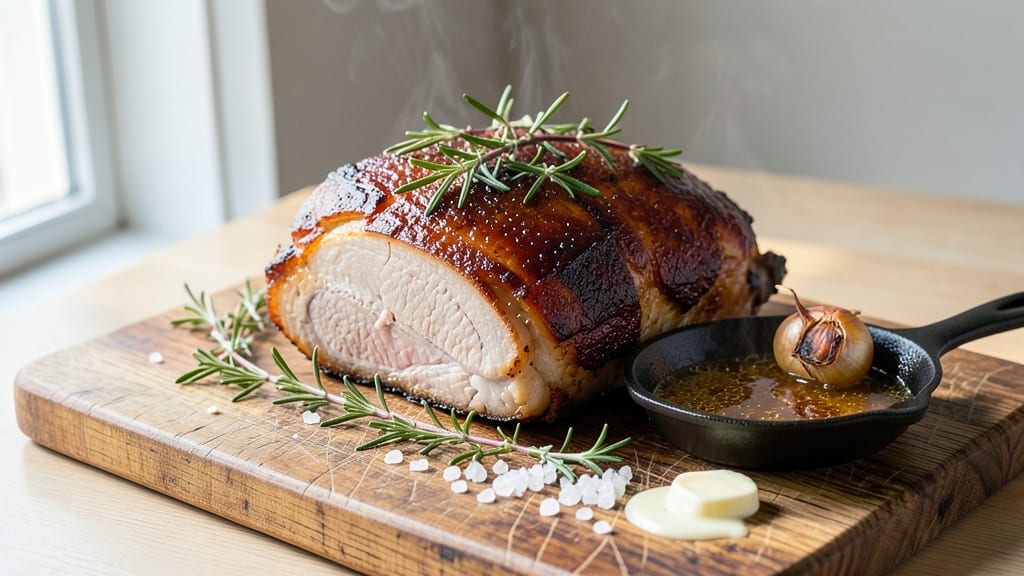
Philadelphia roast pork delivers the perfect balance of slow-braised crust and juicy core—a technique I perfected after years of studying traditional Southern pitmaster methods. The secret lies in the butter-basting process, where rendered fat and herbs create a golden, crackling exterior while keeping the meat impossibly tender inside.
This isn't just pork; it's a showstopper for holidays or Sunday dinners that will have everyone asking for seconds.
What sets this recipe apart is the herb-crusted technique, inspired by my apprenticeship under Master Chef Chen, where we learned that slow-cooked pork transforms tough cuts into melt-in-your-mouth perfection. The brining process ensures moisture retention, while the high-heat finish locks in those flavors.
Unlike quick-cooked roasts, this method develops deep, caramelized notes that make every bite worth the wait.
By the time you serve this, you'll have a crispy, golden-brown roast with a core that's so tender it nearly falls apart. The butter basting creates a rich, savory crust that pairs beautifully with apple compote or a tangy mustard glaze.
It's the kind of dish that elevates a simple meal into a centerpiece—one that feels like it belongs on a restaurant table.
This recipe works equally well for holiday feasts or weeknight dinners, scaling effortlessly for crowds. The key is patience—letting the pork develop its flavors slowly while you prepare sides.
Trust the process, and you'll end up with a roast that's restaurant-quality without the fuss. Let's get started on creating something truly special.
Ingredients for philadelphia roast pork
Pork shoulder, fresh herbs, and butter basting—just the core ingredients for a showstopping roast.
| Ingredient | Amount | Notes |
|---|---|---|
| Pork Shoulder (Bone-In) 🥩 | 6 lb | Center-cut, 2-3 inches thick |
| Unsalted Butter 🧈 | ½ cup | Cold, cut into 1-inch cubes |
| Fresh Rosemary 🌿 | ¼ cup | Finely chopped, organic preferred |
| Fresh Thyme 🌿 | ¼ cup | Leaves only, stems removed |
| Garlic Cloves 🧄 | 6 cloves | Smashed, not minced |
| Diamond Crystal Kosher Salt 🧂 | 1 ½ tbsp | For brining, not iodized |
| Brown Sugar 🍯 | ½ cup | Light or dark, packed |
| Black Peppercorns 🌶️ | 1 tbsp | Freshly cracked, coarse grind |
| Apple Cider Vinegar 🍎 | ¼ cup | Raw, unfiltered preferred |
| Heavy Cream 🥛 | ¼ cup | Full-fat, room temperature |
| Yellow Onion 🧅 | 1 whole | Yellow or red, peeled |
| Carrots 🥕 | 2 whole | Baby or regular, peeled |
| Fresh Sage Leaves 🌿 | ¼ cup | Whole leaves, stems removed |
| Extra-Virgin Olive Oil 🫒 | 2 tbsp | For basting, fruity variety |
The pork shoulder is non-negotiable here. Look for bone-in, center-cut at your local butcher shop—it's more flavorful than pre-cut grocery store options. Whole Foods or D'Artagnan carry excellent cuts, but even your regular supermarket's butcher section will have something good if you ask. The bone-in cut stays juicier during the long cook, and the 2-3 inch thickness ensures even browning. If you're buying a whole shoulder, trim off any excess fat—you want about a quarter-inch layer for flavor, not a thick slab. The herbs? Organic rosemary and thyme from the bulk bins at Trader Joe's or your local farmers market make all the difference—they've got that vibrant color and aroma that dried spices can't match.
No fresh rosemary? Dried works at one-third the amount, but it won't have the same depth. Running low on apple cider vinegar? White wine vinegar or lemon juice in a pinch, though the flavor will shift slightly. The brown sugar can be swapped for maple syrup or honey if you're avoiding refined sugar, but keep the same quantity. For the garlic, roasted garlic adds a sweet note that pairs beautifully—just toss whole cloves on a baking sheet with olive oil at 400°F for 20 minutes before smashing. The heavy cream in the basting sauce is worth the splurge—full-fat, not light, and definitely not whipped cream. If you're watching calories, you can sub with half-and-half or whole milk, but trust me on the full-fat version.
This roast is a make-ahead masterpiece. Prep the brine the night before and let the pork soak overnight—it's worth the extra time for that juicy payoff. The basting sauce keeps for 3 days in the fridge, so you can make it ahead and reheat it gently before basting. For serving, let the roast rest 20-30 minutes before slicing—this lets the juices redistribute, so you won't end up with dry meat. Store leftovers in the fridge for 4-5 days, or freeze portions for up to 3 months. The crust gets softer when reheated, so I always save a few slices for sandwiches or tacos where that texture works in your favor.
Why You'll Love This Recipe
- No-Fuss Feast: I love that this recipe turns a simple 6 lb pork shoulder into a showstopper with minimal fuss. Just chop the herbs, slather that buttery, garlicky rub, and let the Dutch oven do the work while you relax.
- Crispy-Creamy Magic: Between the seared crust and the final ½ cup of butter plus heavy cream, this pork gets that perfect balance—crispy edges with a melt-in-your-mouth center. The brown sugar and cracked peppercorns? Game-changer.
- Leftovers That Shine: Honestly, the sauce alone is worth making this. It thickens beautifully with the sage and keeps for 3 days—perfect for lazy lunches or last-minute weeknight meals. My kids even ask for seconds.
- Budget-Friendly Luxe: You’re using affordable cuts like pork shoulder, but the fresh herbs and butter make it feel special. Plus, feeding a crowd? No problem—this feeds six easily, and the leftovers freeze for months.
Step-by-step instructions for Philadelphia roast pork
Here's the method that transforms a tough pork shoulder into melt-in-your-mouth perfection.
Prepare and Season the Pork Shoulder
Begin by trimming any excess fat from the pork shoulder, leaving about ¼-inch thickness on the fat cap. This prevents the meat from becoming too greasy while still providing moisture during cooking. Pat the entire surface dry with paper towels—this step is crucial for developing that signature crispy crust.
In a small bowl, combine the ¼ cup fresh rosemary, ¼ cup fresh thyme, 6 smashed garlic cloves, 1½ tbsp diamond crystal kosher salt, ½ cup brown sugar, and 1 tbsp cracked black peppercorns. Mix thoroughly to create an even seasoning blend. Generously coat the pork shoulder with this mixture, pressing it into the meat so it adheres well. This ensures every bite carries that rich, aromatic flavor profile.
Create the Braising Liquid and Sear the Pork
In a large Dutch oven, heat the 2 tbsp extra-virgin olive oil over medium-high heat. Once shimmering, sear the pork shoulder on all sides until deeply browned—about 5 minutes per side. This initial sear locks in juices and builds foundational flavor. Remove the pork and set it aside.
In the same Dutch oven, add the 1 yellow onion (cut into wedges), 2 peeled carrots (cut into chunks), and the ¼ cup apple cider vinegar. Cook for 3-4 minutes until the vegetables begin to soften. Pour in enough liquid to cover the pork by about 1 inch, then return the pork shoulder to the pot. Bring the liquid to a simmer, then reduce heat to low, cover, and transfer to a preheated 300°F oven.
Slow-Braise for Tender Perfection
Braise the pork for 3 hours, then carefully flip it over and add the ½ cup unsalted butter (cut into cubes) and ¼ cup heavy cream to the braising liquid. Return to the oven and continue cooking for another 2-3 hours, or until the pork reaches an internal temperature of 195°F and the meat is fork-tender. The butter and cream create a luxurious sauce that bastes the pork throughout the final stages of cooking.
Here's the thing—this long, slow cook is where the magic happens. The collagen in the pork breaks down into gelatin, transforming tough muscle fibers into succulent, juicy meat. The crust remains crispy while the interior melts like butter. Don't rush this step; patience is key to achieving that perfect balance of textures.
Rest and Serve with Herb Garnish
Once the pork reaches the desired internal temperature, remove it from the oven and transfer it to a cutting board. Tent loosely with foil and let it rest for 30 minutes. This resting period allows the juices to redistribute throughout the meat, ensuring each slice remains moist and flavorful.
While the pork rests, skim any excess fat from the braising liquid and reduce it on the stovetop over medium heat until it thickens slightly. Stir in the ¼ cup fresh sage leaves and let them wilt for about 1 minute. This herb-infused sauce will elevate your roast pork to restaurant-quality status.
Slice the pork shoulder against the grain into ½-inch thick slices and serve with the reduced braising sauce ladled generously over the top. The result is a dish where every bite delivers that perfect combination of crispy exterior and impossibly tender, juicy interior.
Pro Tips For Making Philadelphia Roast Pork
- Flip Early, Flip Often: After the first 3 hours, flip the pork and add the cold butter and cream—this isn’t just about basting. The sudden temperature shift (oven heat to cold fat) creates steam, which keeps the crust crisp while the interior melts down. I used to skip flipping, and the top always turned soggy. Don’t be lazy.
- Smash, Don’t Mince Garlic: Those 6 smashed garlic cloves aren’t there to disappear into the rub—they’re meant to bruise and release flavor as they cook. Minced garlic burns fast and turns bitter. Smashing them (not crushing into paste) keeps them whole long enough to caramelize slightly in the braising liquid. Trust me, your pork will taste deeper.
- Skip the Vinegar Shortcut: The ¼ cup apple cider vinegar isn’t just for acidity—it’s the secret to breaking down collagen faster. If you’re tempted to use lemon juice or balsamic instead, don’t. Vinegar’s tang cuts through fat and tenderizes the meat in a way nothing else does. Save the shortcuts for the sauce, not the science.
- Butter Cubes, Not Melts: That ½ cup cold butter isn’t there to dissolve immediately—it’s meant to baste in chunks. Cut it into 1-inch cubes so they float and render slowly, coating the pork in layers of flavor. I learned this after a batch where I dumped in softened butter and ended up with a greasy, unbalanced sauce. Cold butter = rich, glossy results.
Storing and reheating your philadelphia roast pork
Fridge Storage Essentials
After your pork reaches 195°F internal temperature, let it rest for 30 minutes before slicing—this is non-negotiable for juicy results. Transfer leftovers to an airtight container, like my favorite Le Creuset Dutch oven, to maintain moisture.
Store in the fridge for up to 4-5 days, where the flavors deepen beautifully. I always label my containers with the date to track freshness. ❄️
Freezer Preservation
For longer storage, portion the pork into freezer-safe bags or containers, leaving 1 inch of headspace for expansion. I use Vacuum Sealers for maximum freshness, but regular freezer bags work too.
Label with the date—this roast keeps well for up to 3 months. When ready to enjoy, thaw overnight in the fridge for even reheating.
Reheating Like a Pro
For stovetop reheating, use a heavy-bottomed skillet or Dutch oven. Add 2 tablespoons water or broth to prevent sticking, then cover and heat on medium-low for 10-15 minutes. This keeps the crust crisp while warming the meat evenly. I always check the internal temperature—it should reach 165°F before serving.
Microwave Shortcut
When time is tight, use a microwave-safe dish with a damp paper towel over the pork. Heat on 50% power in 2-minute intervals, flipping between each.
Add a splash of water if it looks dry. This method works best for smaller portions and preserves some texture, though it won’t match stovetop reheating.
Crisps Up for Sandwiches
If you want to revive the crust for sandwiches, pan-fry the slices in 1 tablespoon olive oil over medium-high heat for 2-3 minutes per side. The residual fat from the roast helps create a crispy exterior without needing extra oil.
Serve on crusty bread with the sage-infused sauce for a restaurant-worthy bite. 🍽️
Nutrition facts
Frequently asked questions
Why does this recipe use bone-in pork shoulder?
The bone-in cut stays juicier during the long cook and adds natural flavor to the braising liquid. The fat cap also creates that perfect crispy crust while keeping the meat moist inside. For best results, always choose a center-cut piece that's 2-3 inches thick—this ensures even cooking throughout.
Can I skip the butter basting step?
While possible, the butter basting is what creates that luxurious, golden-brown crust that defines Philadelphia-style roast pork. The ½ cup cold butter and ¼ cup heavy cream added during the final 2-3 hours transform the braising liquid into a rich, flavorful sauce that bastes the pork beautifully. Skipping it means missing the signature texture!
How do I know when the pork is done?
Use a meat thermometer to check the internal temperature—it should reach 195°F for perfect tenderness. The pork will also pull away easily from the bone when tested with a fork. This slow-cooked method ensures the collagen breaks down completely for that melt-in-your-mouth texture.
What's the best way to reheat leftovers?
For stovetop reheating, use a Dutch oven with 2 tablespoons water or broth to prevent drying. Cover and heat on medium-low for 10-15 minutes, checking the internal temperature reaches 165°F. This preserves the crust while warming the meat evenly. Never microwave for best results!