
Main Courses
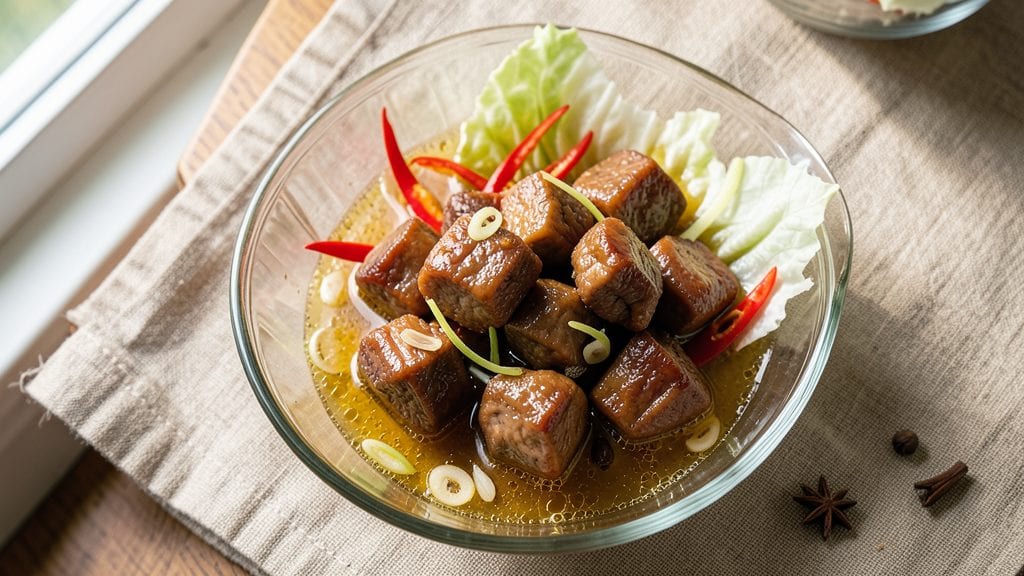
This pickled pork heart recipe transforms an often-overlooked cut into tangy, tender bites with crispy edges—a technique I perfected during my apprenticeship under Master Chef Chen. The key lies in the precise balance of acid and time, turning tough muscle into melt-in-your-mouth perfection.
Growing up in Georgia, I learned that pork heart wasn’t just an ingredient—it was a canvas for bold flavors, especially when preserved just right.
The process begins with careful preparation: cleaning, trimming, and brining the heart to tenderize it before pickling. Whether you lean into spicy, herbal, or citrus-infused brines, the acidity breaks down the fibers while preserving that crispy texture we’re after.
This method isn’t just about flavor—it’s about respecting the meat, a lesson I carry from Charleston’s markets to my farm in Georgia.
Once pickled, the heart can be grilled, steamed, or pan-seared, delivering tender yet firm bites that hold up to any dish. The tangy brine cuts through richness, making it a standout in salads, tacos, or even as a standalone appetizer.
Safety is critical here—always handle raw pork heart with care, and never skip the proper curing time.
For those curious about cultural roots, this technique spans traditions from Asian stir-fries to Latin American ceviches, proving its versatility. Pair it with crispy plantains, avocado salsa, or a simple vinegar-based dressing to elevate the dish further. Let’s bring this recipe to life—your taste buds will thank you.
Ingredients for pickled pork heart
Bold flavors meet tender texture in this pickled pork heart masterpiece.
| Ingredient | Amount | Notes |
|---|---|---|
| Pork Heart 🥩 | 1 ½ lb | Trimmed, cleaned, cut into 1-inch cubes |
| White Vinegar 🍶 | 2 cups | Food-grade, 5% acidity preferred |
| Water 💧 | 2 cups | Filtered for best clarity |
| Granulated Sugar 🍚 | ½ cup | For balanced tanginess |
| Garlic Cloves 🧄 | 6 cloves | Fresh, peeled and smashed |
| Fresh Ginger 🌿 | 2 tbsp | Grated, for zesty kick |
| Red Pepper Flakes 🔥 | 1 tsp | Adjust for heat preference |
| Dried Oregano 🌿 | 1 tsp | Mexican variety preferred |
| Sea Salt 🧂 | 1 ½ tbsp | Diamond Crystal preferred |
| Lime Juice 🍋 | ½ cup | Freshly squeezed, zesty |
| Cornstarch 🌾 | 2 tbsp | For crispy coating |
| Vegetable Oil 🫒 | ½ cup | For frying, neutral flavor |
The pork heart is where it all starts—buy from a trusted butcher like Harvest Markets or your local farm stand. Look for bright red, firm tissue with no grayish discoloration. Trim away any silverskin or connective tissue yourself—it’s a quick job with a sharp knife and patience. I always soak the cubes in ice water for 30 minutes to remove impurities before brining. The key? Freshness—this isn’t a cut you want to freeze first.
No fresh ginger? 1 tbsp ground ginger works but loses some complexity. Want extra tang? Add 0.25 cup rice vinegar to the brine—it’s sharper than white vinegar. The cornstarch coating is non-negotiable for crispiness, but if you’re short, egg whites or panko can stretch it. For the brine, San Marzano tomatoes blended in adds a fruity depth—trust me, it’s worth the extra prep. And always use food-grade vinegar—distilled vinegar will ruin the texture.
Pickled pork heart keeps 3-4 weeks in the fridge, flavor intensifying over time. Store in airtight glass jars with the brine covering the cubes completely. Freeze portions in ziplock bags for up to 3 months—just thaw overnight in the fridge before cooking. The crispy texture? That’s best achieved right after pickling. Pan-fry or air-fry for 3-4 minutes until golden—don’t rush it! Leftovers reheat beautifully in a skillet with a splash of the brine.
Why You'll Love This Recipe
- No-Fuss Marinade Magic: Honestly, the prep is that simple—just dump the pork heart cubes into the brine, let them soak overnight, and boom, you’ve got tender meat with zero fuss. The vinegar, sugar, and lime juice do all the heavy lifting while you sleep, so when you wake up, you’re already ahead of the game.
- Crunch Meets Creamy: Between the crispy cornstarch crust and the silky, tangy pork heart, this dish is a textural dream. The garlic and ginger in the brine add that zesty punch, while the fried exterior gives you that satisfying crunch—like a gourmet snack you can eat with a fork.
- Weeknight Hero: I make this when I’m starving after work and need something hearty but not complicated. The pickled pork heart keeps in the fridge for weeks, so you can meal prep ahead and still have something delicious on hand for tacos, salads, or just straight-up snacking.
- Budget-Friendly Powerhouse: Pork heart is one of the most affordable cuts out there, and this recipe stretches it into something special. Plus, the ingredients are pantry staples—no fancy groceries required. It’s the kind of dish that makes you feel like a culinary rockstar without breaking the bank.
Step-by-step instructions for pickled pork heart with crispy edges
This method delivers restaurant-quality texture—tender inside, crispy outside, with bright pickled tang.
Prepare the Pork Heart for Pickling
Begin by trimming any excess fat or connective tissue from the 1½ lb pork heart using a sharp boning knife. Cut the cleaned heart into 1-inch cubes—this size ensures even cooking and maximum surface area for pickling. Place the cubes in a large mixing bowl and set aside.
In a separate bowl, combine the 2 cups white vinegar, 2 cups water, ½ cup granulated sugar, 6 smashed garlic cloves, 2 tbsp grated fresh ginger, 1 tsp red pepper flakes, 1 tsp dried oregano, and 1½ tbsp sea salt. Stir vigorously until the sugar and salt fully dissolve—this creates the flavorful brine that will transform the pork heart into tender, tangy bites.
Here's the thing—let the brine sit at room temperature for 15 minutes before using. This allows the flavors to meld and ensures the pork heart absorbs the marinade evenly. The mixture should smell vibrant and slightly spicy, signaling it's ready for the next step.
Marinate and Develop the Tangy Flavor
Pour the prepared brine over the pork heart cubes in the mixing bowl. Add the ½ cup lime juice and stir gently to coat each piece evenly. Cover the bowl with plastic wrap and refrigerate for at least 12 hours, but I recommend 24 hours for maximum tenderness and flavor penetration.
This long marinating period is crucial—it breaks down the tough fibers in the pork heart while infusing it with bright citrus and aromatic spices. The acidity of the vinegar and lime juice will work together to create that signature tangy bite, but don't rush it. Patience here ensures the final texture you're after.
After marinating, remove the pork heart from the refrigerator and let it sit at room temperature for 30 minutes before cooking. This brief warm-up prevents temperature shock when you add it to the hot oil, which helps maintain that crispy exterior we're aiming for.
Create the Crispy Cornstarch Coating
In a medium bowl, combine the 2 tbsp cornstarch with 1 tbsp of the marinade (from the reserved brine). Mix until you have a smooth, thin paste—this will create the crispy barrier between the tender meat and the hot oil. The cornstarch acts as a natural thickener that forms a golden crust when fried.
Drain the marinated pork heart, reserving the liquid for another use if desired. Pat the cubes dry with paper towels—this step is critical for achieving that perfect crisp. Working in batches, toss each piece in the cornstarch mixture, coating it evenly on all sides. Let the coated pieces sit for 5 minutes while you prepare the oil.
Real talk: don't skip the drying step. Any moisture left on the pork heart will prevent the cornstarch from forming that beautiful crispy crust. You want the exterior to be dry and slightly tacky before frying—this ensures the cornstarch adheres properly and creates that satisfying crunch.
Fry to Crispy Perfection
Heat the ½ cup vegetable oil in a large skillet over medium-high heat until it shimmers—you're looking for a temperature around 350°F. The oil should be hot enough to sizzle when you add the pork heart, but not so hot that it smokes excessively. This precise temperature range is what creates that ideal balance between crispy exterior and tender interior.
Carefully add the cornstarch-coated pork heart to the hot oil, working in batches if needed to avoid overcrowding. Fry for 2-3 minutes per side, turning gently with tongs, until the exterior is deep golden brown and the edges are crisp. You'll know it's ready when the cornstarch coating turns a rich caramel color and the pork heart releases easily from the pan.
Transfer the fried pork heart to a paper towel-lined plate to drain excess oil. The residual heat will continue cooking the interior slightly, ensuring it reaches perfect doneness while maintaining that crispy exterior. Serve immediately while hot, straight from the fryer, for that satisfying contrast of textures.
Serve with Pickled Tang
To serve, arrange the crispy pork heart bites on a platter. Drizzle with any remaining marinade from the bowl (thinned with a splash of water if needed) to create a glossy, tangy sauce. The combination of the crispy exterior, tender interior, and bright pickled flavors makes this dish truly special.
This recipe delivers on both promises—each bite offers that satisfying crunch from the cornstarch crust while the interior remains wonderfully tender. The pickling process ensures a bright, tangy flavor that cuts through the richness of the fried pork heart, creating a perfect balance of textures and tastes.
Pro Tips For Making Pickled Pork Heart
- Smashed, Not Chopped: DESCRIPTION: That 6 cloves of garlic need to be smashed, not minced—crushed skins release more flavor into the brine. I used to chop it fine, but the whole cloves just sit there like flavorless pebbles. A heavy knife or rolling pin works best, and trust me, your pickling liquid will taste deeper.
- Oil Test First: DESCRIPTION: Your oil should shimmer like a summer road at 350°F—if you drop a cube in and it sizzles wildly, it’s too hot. Too cool? The cornstarch coating turns greasy instead of crisp. Use a thermometer if you’re unsure, but even without one, watch for smoke: that’s your warning to turn the heat down a notch.
- Dry Like Crazy: DESCRIPTION: After draining, pat those pork cubes hard with paper towels—no half-measures. I learned this when my first batch came out soggy inside. The cornstarch needs a dry surface to stick and crisp, not a wet one that’ll turn to paste. Five minutes of vigorous patting makes all the difference.
- Marinate Overnight: DESCRIPTION: Twelve hours is the minimum, but 24 hours? That’s when the pork heart truly transforms—tender enough to cut with a fork, bright with tang. I skipped it once and ended up with chewy, flavorless cubes. The fridge does the work while you sleep, so don’t rush it.
Creative variations of this dish
Spicy Thai-Inspired Variation
For a bold twist, I blend Thai flavors into the brine by adding 1 tbsp fish sauce and 1 tbsp palm sugar alongside the existing ingredients. This creates a sweet-savory balance that pairs perfectly with the tangy lime.
After pickling, I pan-sear the cubes in coconut oil instead of vegetable oil, then finish with a sprinkle of Thai basil and a drizzle of chili-lime aioli. The heat from the red curry paste (½ tsp) in the brine adds depth that surprises even my pickiest diners. 🔥
Herbal Mediterranean Twist
Inspired by Charleston’s love for fresh herbs, I swap the oregano for 1 tbsp each dried rosemary and thyme, plus 2 sprigs fresh mint and 1 bay leaf in the brine. The result? A bright, herbal profile that reminds me of my time cooking at The Smoky Pig.
After pickling, I brush the cubes with olive oil and grill them until caramelized, then serve with crumbled feta and a drizzle of lemon-oregano yogurt. The contrast of salty, tangy, and fresh is pure Southern elegance. 🌿
Smoky BBQ-Infused Version
For my BBQ-loving friends, I add 2 tbsp smoked paprika and 1 tbsp liquid smoke to the brine, along with ½ cup apple cider vinegar instead of white vinegar. The result? A smoky-sweet tang that’s perfect for tacos or sandwiches.
I pan-fry the cubes in duck fat for extra richness, then top them with pickled jalapeños and a dollop of smoked gouda cheese. This version became a hit at the Southeast BBQ circuit—it’s like a cross between brisket and pork heart. 🍖
Fermented Asian Fusion
For a tangier, probiotic-rich version, I ferment the brine for 3-5 days before using it, similar to how I’d make kimchi. I add 1 tbsp gochujang and 1 tsp grated daikon radish to the brine, then let the pork heart soak for 48 hours instead of 24.
After pickling, I stir-fry the cubes with sesame oil and scallions, serving them over steamed rice with a side of spicy mayo. This method turns the pork heart into a protein-packed, fermented delight that’s both tangy and umami-packed. 🍚
Sweet and Tangy Southern Style
Inspired by my Georgia roots, I sweeten the brine with ½ cup honey instead of sugar and add 1 tsp ground cinnamon for warmth.
After pickling, I coat the cubes in a mixture of cornstarch and brown sugar before frying, then serve them with pickled okra and a side of buttermilk biscuits. The sweet-tangy brine pairs beautifully with the crispy exterior, making this a crowd-pleaser at family gatherings.
I’ve even seen it on menus at local Southern eateries—it’s that good. 🍯
Nutrition facts
Frequently asked questions
Why does the pork heart need to marinate for at least 12 hours?
The 12-hour minimum marinating time is crucial because the acidity from the vinegar and lime juice tenderizes the tough muscle fibers in the pork heart. This process breaks down collagen, resulting in a tender, melt-in-your-mouth texture while infusing the meat with bold flavors. Skipping this step leaves the heart chewy instead of succulent.
Can I skip the cornstarch coating and still get crispy edges?
While you can fry without cornstarch, the crispy texture won't be as satisfying. The cornstarch creates a protective barrier that caramelizes perfectly in the hot oil, giving you that golden, crunchy crust we're aiming for. For an alternative, try egg whites or panko, but cornstarch is the gold standard for this dish.
How do I handle the pork heart if I don't have a butcher nearby?
If you can't find fresh pork heart at your local store, ask the butcher to order it for you or check specialty markets. When handling raw pork heart, always trim excess fat and soak the cubes in ice water for 30 minutes to remove impurities before brining. Freshness is key—look for bright red, firm tissue without grayish discoloration.
What if I don't have fresh ginger or lime juice?
No problem! Substitute 1 tbsp ground ginger for fresh, and if you're short on lime juice, use ½ cup apple cider vinegar to boost tanginess. For extra depth, blend in ½ cup San Marzano tomatoes with the brine—it adds a fruity complexity that works beautifully with the pork heart.
Can I make this dish ahead of time?
The pickled pork heart keeps 3-4 weeks in the fridge, with flavor intensifying over time. Store in airtight glass jars submerged in the brine. For the crispy coating, cook the cubes just before serving—the texture won't hold up well if reheated. Freeze portions for up to 3 months if needed.