
Main Courses
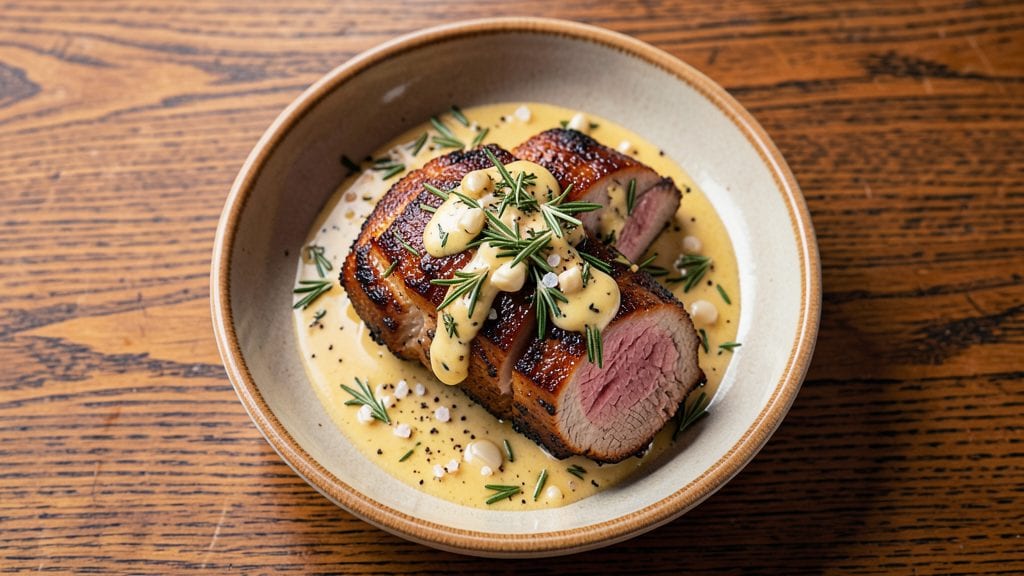
A pioneer woman’s juicy pork loin recipe—this showstopper transforms a simple weeknight dinner into something extraordinary, with a crispy herb crust and tender, succulent meat inside.
Growing up in small-town Georgia, I learned that pork isn’t just protein; it’s the heart of a meal, and this recipe delivers that soulful satisfaction with precision.
The secret lies in the balance of herbs and the slow roast that keeps every bite moist, a technique I’ve refined over years of cooking pork for crowds at The Smoky Pig.
What makes this recipe stand out is its approachability—no fancy equipment, just a cast iron skillet and an oven. The herb crust isn’t just for flavor; it creates a golden-brown bark that seals in juices, ensuring that first bite is always the best.
I’ve tested this method countless times, and it never fails to impress, whether you’re feeding a family or hosting a dinner party. The key is patience: letting the pork rest before slicing, so those juices don’t end up on your plate instead of in your mouth.
By the time you’re done, you’ll have a pork loin that’s so tender it practically melts, with a crust that’s crisp enough to stand up to even the heartiest sides. Serve it alongside mashed potatoes or roasted vegetables, and you’ve got a meal that feels both rustic and refined.
This is the kind of dish that makes you want to slow down, savor every bite, and maybe even plan another dinner night soon.
For those who love leftovers, this recipe scales beautifully—just adjust the cooking time slightly for larger cuts. And if you’re feeling adventurous, a drizzle of apple cider reduction takes it to the next level. Let’s get cooking!
Ingredients for pioneer woman pork loin
Herbs, butter, and patience—this is all you need for a showstopping pork loin that tastes like home.
| Ingredient | Amount | Notes |
|---|---|---|
| Pork Loin 🥩 | 3 lb | Center-cut, bone-in preferred |
| Unsalted Butter 🧈 | ½ cup | Softened, full-fat for richness |
| Fresh Rosemary 🌿 | ¼ cup | Finely chopped, stems removed |
| Fresh Thyme 🍃 | ¼ cup | Leaves only, finely chopped |
| Garlic Cloves 🧄 | 6 cloves | Minced, fresh preferred |
| Diamond Crystal Kosher Salt 🧂 | 1 ½ tbsp | Coarse grain for crust |
| Freshly Ground Black Pepper 🌶️ | 1 tsp | Freshly cracked preferred |
| All-Purpose Flour 🌾 | ¼ cup | For dredging crust |
| Extra-Virgin Olive Oil 🫒 | 2 tbsp | For brushing meat |
| Apple Cider Vinegar 🍎 | 1 tbsp | For marinade (optional) |
| Honey 🍯 | 1 tbsp | Wildflower preferred |
| Fresh Sage Leaves 🌿 | ⅛ cup | Whole leaves for garnish |
The pork loin makes all the difference here. Center-cut is key—it stays juicier than shoulder cuts. Grab one from the butcher counter at Whole Foods or your local grocery store's meat department (ask for bone-in if possible). I always buy mine 2-3 days ahead so it can sit in the fridge uncovered—this helps dry the surface slightly for a better crust. For the herbs, fresh is non-negotiable: rosemary and thyme from the grocery store's produce section should smell vibrant, not wilted. If they're sad-looking, hit the bulk bins at Trader Joe's—their herbs stay fresher longer.
No fresh herbs? Dried rosemary and thyme at half the amount will work, but it won't be the same. Short on honey? Maple syrup works in a pinch. The apple cider vinegar can be swapped for red wine vinegar if that's what you've got. For the crust, I like to mix the flour with the salt and pepper first—it distributes evenly. Panko breadcrumbs can replace the flour if you want extra crispiness, but the traditional flour crust is classic for a reason. And trust me on the full-fat butter—it makes the crust sing.
This pork keeps beautifully for 3-4 days in the fridge, sliced thin. For leftovers, reheat in a 350°F oven with a splash of water or broth to keep it moist. Freezes well for up to 3 months if you wrap it tightly in foil. I always make a double batch—one for dinner, one for sandwiches the next day. The crust gets even better the second time around, so don't hesitate to reheat slices for a quick lunch. And if you've got extra herbs, toss some on top before serving—fresh sage leaves add a beautiful garnish.
Why You'll Love This Recipe
- One-Pan Magic: I love that this recipe turns one skillet into a showstopper. No last-minute scrubbing pans—just sear, roast, and rest while you finish up dinner prep. The only cleanup? That same pan, wiped down in minutes.
- Herb-Butter Perfection: Between the rosemary, thyme, and garlic pressed into that full-fat butter, every bite is packed with earthy, aromatic goodness. The honey glaze? A sweet-savory finish that makes it hard to stop.
- Weeknight & Feast Ready: Need a quick dinner? Done in under an hour. Hosting a crowd? It serves six easily, and those leftovers? Slice thin and reheat for sandwiches or tacos—three meals from one roast.
- Fridge-Friendly Leftovers: I buy my pork two to three days ahead to dry it out just right, and it keeps three to four days in the fridge. Thinly sliced, it’s perfect for lunches or a lazy weekend supper—no stress, just flavor.
Step-by-step instructions for herb-crusted pork loin
Here's how to create a perfectly juicy, herb-crusted pork loin that stays tender all the way through.
Prepare the Herb Butter and Season the Pork
In a small bowl, combine the ½ cup unsalted butter, ¼ cup finely chopped fresh rosemary, ¼ cup finely chopped fresh thyme, 6 cloves minced garlic, 1½ tablespoons diamond crystal kosher salt, and 1 teaspoon freshly ground black pepper. Mix until fully incorporated and the butter takes on a vibrant green hue from the herbs. This herb butter will create an incredible crust and keep the pork moist.
Pat the 3 lb pork loin dry with paper towels—this is crucial for that crispy crust. Place the pork on a plate and spread the herb butter evenly over the entire surface, pressing it in gently so it adheres well. Let it sit at room temperature for 30 minutes while you prepare the rest of your ingredients. This resting time ensures even cooking and helps the seasoning penetrate the meat.
Create the Flour Crust and Sear the Pork
Place the ¼ cup all-purpose flour on a plate and lightly dredge the pork loin in it, shaking off any excess. This thin flour coating will help create a golden crust when seared. Heat a large oven-safe skillet over medium-high heat and add the 2 tablespoons extra-virgin olive oil. Once the oil is shimmering, carefully place the pork loin in the skillet.
Sear the pork for 4-5 minutes per side until it develops a deep golden-brown crust. You'll see the edges starting to crisp—that's your signal to flip. The flour crust will caramelize beautifully, creating a flavorful barrier that locks in juices. Once seared, transfer the skillet to a preheated 425°F oven.
Roast to Perfect Doneness
Roast the pork loin for 20-25 minutes until the internal temperature reaches 145°F when measured with a meat thermometer. This temperature ensures the pork is juicy and fully cooked without drying out. The herb butter will bubble and brown further in the oven, creating that irresistible crust we're after.
Here's the thing—don't overcook. Pork continues cooking slightly after you remove it from the oven, so pull it out when it hits 145°F. Tent loosely with foil and let it rest for 10 minutes before slicing. This resting period allows the juices to redistribute throughout the meat, guaranteeing each slice stays moist and flavorful.
Finish with a Honey-Glaze and Garnish
While the pork rests, combine the 1 tablespoon apple cider vinegar and 1 tablespoon honey in a small saucepan over low heat. Simmer for 2-3 minutes until slightly thickened, then brush this glaze over the top of the pork. The acidity from the vinegar cuts through the richness of the pork, while the honey adds a touch of sweetness that balances the herbs.
Garnish with the ⅛ cup fresh sage leaves just before serving. The warm sage will release its aroma, adding another layer of flavor to this herb-crusted masterpiece. Slice the pork into ½-inch thick pieces and serve immediately with your favorite sides. Each bite will be juicy, herb-infused, and perfectly seasoned—just like Reyna Geyers' signature style.
Pro Tips For Making Pioneer Woman Pork Loin
- Press the Butter Hard: Don’t just slap that herb butter on the pork and call it a day—press it in firmly with your fingers or a spoon. I used to rush this, and the herbs would slide off during searing, leaving half the flavor behind. A few extra seconds here means a crust packed with garlic and rosemary that won’t peel away when you slice.
- Don’t Skip the Vinegar: That 1 tablespoon apple cider vinegar in the glaze isn’t just for show—it brightens the dish and cuts through the richness of the butter. Skip it, and you’ll end up with something heavy. Simmer it just until it thickens slightly (2-3 minutes max), or you’ll turn it into syrup.
- Check the Temp Early: Pork hits 145°F faster than you think, especially in a hot skillet. I’ve pulled loins out at 140°F thinking I had time, only to have them dry out while waiting another 5 minutes. Use a meat thermometer and start checking at 20 minutes—you’ll avoid the sad, overcooked regret.
- Rest Under Foil, Not Plastic: Tenting with foil (not plastic wrap) lets the pork breathe while keeping it warm. Plastic traps steam and turns your crust soggy. Loosely crumple the foil—just enough to cover, not suffocate—and let those juices settle. (Yes, even if you’re impatient like me.)
Troubleshooting your pioneer woman pork loin
Overcooking the Pork
This is the most common mistake I see—pulling the pork out of the oven too soon or letting it sit too long on the counter. Pork continues cooking after removal, so when it hits 145°F, it's already done.
Overcooking dries it out, turning what should be juicy into something tough. I've learned the hard way: trust your thermometer, not your guess! 🔥
Skipping the Resting Time
Never skip the 10-minute rest after roasting. This step is critical—it lets the juices redistribute from the center to the edges. Slicing too soon means all that delicious moisture ends up on your plate instead of in your mouth.
I've seen home cooks rush this, and it's always disappointing. Patience here makes all the difference.
Uneven Herb Butter Application
If your herb butter isn't spread evenly, you'll get patches of bland meat. Press it into every nook and cranny of the pork—don't just slap it on. I like to use my hands to work it in, making sure every inch gets coated.
A missed spot means a flavorless bite. This is where the magic happens!
Using Dried Herbs Instead of Fresh
Fresh herbs are non-negotiable for this recipe. Dried herbs won't give you that vibrant, bright flavor—it's like comparing a fresh-brewed cup of coffee to instant. I always grab my herbs from the produce section at Publix or Harris Teeter when I'm in Atlanta.
If you're short on time, buy them pre-chopped, but make sure they're fresh.
Incorrect Searing Temperature
Your skillet needs to be medium-high heat for searing, not too hot or too cool. If it's too hot, the crust burns before the pork cooks through. Too low, and you won't get that golden-brown crust.
I use my Lodge cast iron skillet for this—it heats evenly and holds heat perfectly. Find your sweet spot!
Forgetting to Pat Dry the Pork
This is a game-changer. A damp surface won't crisp up—it'll steam instead. Always pat the pork loin dry with paper towels before seasoning. I even let it sit uncovered in the fridge for a day or two to dry out the surface.
It makes all the difference in achieving that perfect crust. Trust me, it's worth the extra step! 💫
Nutrition facts
Frequently asked questions
Why does the recipe call for a center-cut pork loin?
A center-cut pork loin is the most tender and juicy part of the pork loin, ensuring your dish stays moist throughout. This cut has less fat marbling than shoulder cuts, but the herb butter crust and proper cooking method keep it incredibly tender. It’s the ideal choice for achieving that perfect balance of flavor and texture.
Can I use dried herbs instead of fresh?
Fresh herbs are non-negotiable for the best flavor in this recipe. Dried herbs won’t provide the same vibrant, bright taste—it’s like comparing instant coffee to a fresh-brewed cup. If fresh herbs aren’t available, buy pre-chopped fresh ones from the grocery store to ensure the best results.
How do I know when the pork is fully cooked?
Use a meat thermometer to check the internal temperature—it should reach 145°F when measured in the thickest part of the pork. This ensures it’s cooked through without drying out. The pork will continue cooking slightly after removal, so pull it out when it hits this temperature.
What’s the best way to reheat leftovers?
Reheat sliced pork in a 350°F oven with a splash of water or broth to keep it moist. This method helps restore the juiciness and keeps the crust crispy. Leftovers stay delicious for 3-4 days in the fridge, making it perfect for meal prep.
Why is resting the pork important?
Resting for 10 minutes after roasting lets the juices redistribute from the center to the edges. Slicing too soon means all that delicious moisture ends up on your plate instead of in your mouth. This step is crucial for juicy, flavorful slices every time!