
Main Courses
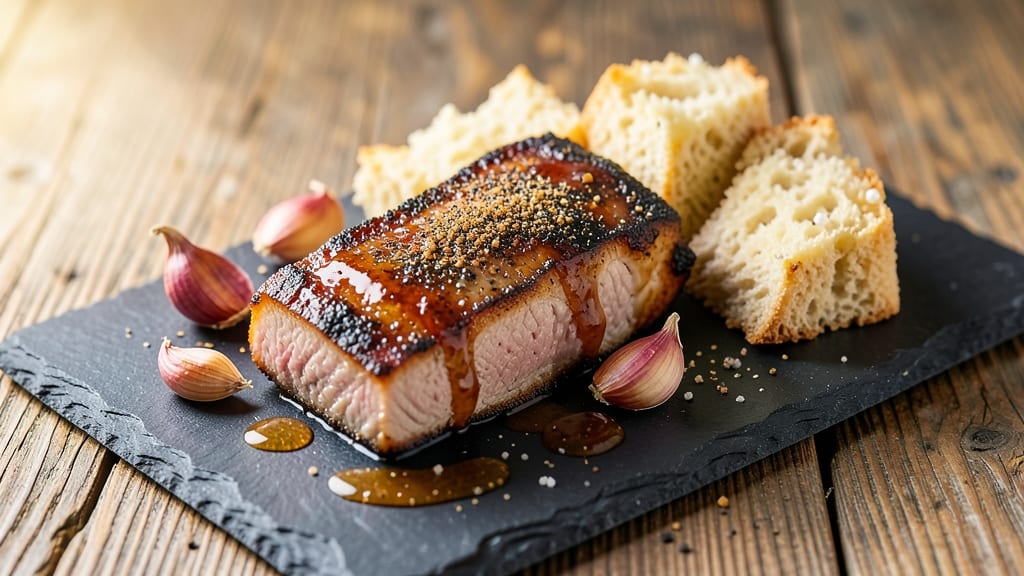
Mastering Pit Boss pork loin transforms a simple cut into a showstopping centerpiece that rivals any competition-style BBQ. Growing up in small-town Georgia, I learned pork isn't just meat—it's the heart of any gathering, and this recipe delivers that same soulful satisfaction with precision.
The key lies in low-and-slow smoking paired with a reverse sear, ensuring every bite stays juicy while the exterior develops that coveted bark.
This method demands patience but rewards with restaurant-quality results that impress even the most discerning guests. We'll start with a dry rub of brown sugar, smoked paprika, and garlic powder, letting it develop flavor while the pork rests overnight.
The Pit Boss maintains consistent temperatures, eliminating guesswork and ensuring perfect doneness every time. For those without a smoker, a grill with indirect heat works just as well—just monitor those temps closely.
What you'll end up with is a pork loin that's tender enough to slice with a fork, with a crust so perfect it could win ribbons at the state fair. The internal temperature should hit 145°F before resting, allowing juices to redistribute.
Serve with classic apple sauce or creamy mashed potatoes to complement the smoky depth. This isn't just dinner—it's an experience that turns weeknights into special occasions.
Pro tip: Let the pork rest uncovered for 15 minutes before slicing—this critical step prevents dryness and ensures every slice maintains its moisture. The secret to juicy perfection lies in the details, and once you master this technique, you'll never buy store-bought pork again. Let's get smoking!
Ingredients for pit boss pork loin
Eleven ingredients transform a simple cut into restaurant-quality smoked pork loin perfection.
| Ingredient | Amount | Notes |
|---|---|---|
| Pork Loin (Bone-In) 🐷 | 4 lb | Skin-on for extra flavor |
| Brown Sugar 🍚 | ½ cup | Light or dark variety |
| Smoked Paprika 🌶️ | 2 tbsp | Sweet or medium heat |
| Garlic Powder 🧄 | 1 ½ tbsp | Freshly ground preferred |
| Onion Powder 🧅 | 1 ½ tbsp | For depth of flavor |
| Black Pepper (Freshly Ground) 🌶️ | 1 tbsp | Coarse grind preferred |
| Salt (Kosher or Sea Salt) 🧂 | 1 ½ tbsp | Fine grain preferred |
| Apple Cider Vinegar 🍎 | 2 tbsp | For tenderizing |
| Pit Boss Wood Pellets (Hickory or Apple) 🔥 | 2 lb | Moisture-rich preferred |
| Apple Sauce 🍎 | 1 ½ cups | For serving, optional |
| Creamy Mashed Potatoes 🥔 | 4 cups | Store-bought or homemade |
The pork loin is your star. Bone-in, skin-on cuts from Costco or your local butcher deliver the best flavor and moisture retention. Look for well-marbled pork—that's where the juiciness comes from. I always grab 4 lbs when I'm feeding a crowd, but you can scale down to 2 lbs if you're cooking for just the family. The wood pellets matter too—Hickory or Apple are crowd-pleasers, but Pecan adds a sweet twist if you're feeling adventurous. Keep them dry and sealed until ready to use; moisture ruins the burn rate.
No apple cider vinegar? Lemon juice or white vinegar works in a pinch, though the flavor won't be quite the same. Want to stretch the dry rub? Add 1 tbsp of cayenne pepper for heat or 1 tbsp of chili powder for smokiness. The salt is non-negotiable—Diamond Crystal kosher salt dissolves evenly, but Morton table salt works fine if that's what you've got. For the wood pellets, Trader Joe's or Walmart have good bulk options, but Traeger or Pit Boss brand pellets burn cleaner and more consistently. Pro tip: Toast the dry rub in a dry skillet for 2 minutes before applying—it deepens the flavor instantly.
This isn't a quick meal. Plan for 6-8 hours of smoking time, plus the overnight rest. Store the pork loin wrapped in plastic in the fridge for up to 2 days before smoking. The dry rub can be mixed ahead and stored in an airtight container for 1 month. Once smoked, let it rest 15-20 minutes before slicing—this is where the magic happens. The internal temperature will drop a few degrees, ensuring juicy perfection. Leftovers keep for 4 days in the fridge or freeze for 3 months. I always double the batch and freeze half for lazy weeknights.
Why You'll Love This Recipe
- No-Fuss Smoking: I’ll admit it—I used to stress over smoking pork, but this recipe is unfussy. Just toss the pork loin in that brown sugar and smoked paprika mix, let the Pit Boss do its thing, and you’ve got dinner. The apple cider vinegar brush is the only real prep, and honestly, it’s worth it for that tender texture.
- Smoky Sweetness: That combo of brown sugar and smoked paprika? It’s like a hug for your taste buds. The garlic and onion powders add depth, but the real star is that crispy bark hiding a melt-in-your-mouth center. Trust me, the first bite will have you reaching for seconds.
- Leftovers? Yes, Please: I always make this for Sunday dinner, and guess what? The leftovers are even better the next day. Slice it up, toss it in a pan with a little apple sauce, and you’ve got a quick lunch or dinner. Plus, it reheats like a dream—no dry, sad meat here.
- Budget-Friendly Feast: A 4-pound pork loin feeds a crowd without breaking the bank, and the dry rub ingredients are pantry staples. You can even prep the rub ahead (it keeps for a month!) so you’re not scrambling last minute. For the price, this is my secret weapon for gatherings.
Step-by-step instructions for smoked pork loin
Here's how to transform your pork loin into a tender, flavorful masterpiece using your Pit Boss.
Prepare and Season the Pork Loin
Begin by removing the pork loin from the refrigerator and letting it sit at room temperature for 30 minutes. This ensures even cooking throughout. While it comes to temperature, prepare your dry rub by combining ½ cup brown sugar, 2 tablespoons smoked paprika, 1½ tablespoons garlic powder, 1½ tablespoons onion powder, 1 tablespoon black pepper, and 1½ tablespoons salt in a small bowl. Mix thoroughly until evenly distributed.
Pat the pork loin dry with paper towels—this step is critical for developing that perfect bark. Generously coat the entire surface with the dry rub, pressing it into the meat so it adheres well. For extra tenderness, brush the surface lightly with 2 tablespoons apple cider vinegar using a pastry brush. This helps break down proteins and keeps the meat moist during the long smoke.
Set Up the Pit Boss for Low and Slow Smoking
Fill your Pit Boss with 2 pounds of hickory or apple wood pellets and preheat to 225°F. Use a water pan in the smoker to maintain moisture and prevent the pork from drying out. Once the temperature stabilizes and you see clean, blue smoke, place the pork loin directly on the grill grates, fat side up. The fat will render slowly, basting the meat as it smokes.
Close the lid and resist the urge to peek—every time you open it, you lose heat and extend cooking time. Let the pork loin smoke undisturbed for 4-5 hours, or until the internal temperature reaches 145°F. You'll know it's ready when the bark is dark and crispy, and the meat pulls away from the bone slightly when tested with a meat thermometer.
Wrap and Finish for Maximum Juiciness
Once the pork loin reaches 145°F, remove it from the smoker and wrap it tightly in butcher paper (not aluminum foil—it breathes better and preserves the bark). Return the wrapped pork to the smoker and continue cooking until the internal temperature hits 195-203°F, about 2-3 additional hours. This step, known as the "Texas crutch," ensures the pork becomes fork-tender without drying out.
During this phase, the collagen in the meat breaks down, transforming into gelatin that keeps every bite moist. The bark will remain crispy while the interior becomes melt-in-your-mouth tender. Let the pork rest wrapped in the butcher paper for 15 minutes before slicing—this allows the juices to redistribute.
Serve with Creamy Mashed Potatoes and Apple Sauce
Slice the pork loin against the grain into ½-inch thick portions. Serve immediately alongside 4 cups creamy mashed potatoes and 1½ cups apple sauce on the side. The mashed potatoes provide a smooth, comforting base, while the apple sauce cuts through the richness of the smoked pork. Each bite should deliver a perfect balance of smoky, spiced flavor with juicy tenderness.
For extra flair, drizzle any accumulated juices from the pork over the mashed potatoes before serving. This ensures no flavor is wasted, and every mouthful is packed with depth. The combination of the crispy bark, tender meat, and creamy sides makes this a showstopper for any gathering.
Pro Tips For Making Pit Boss Pork Loin
- Skip the Vinegar Brush: DESCRIPTION: I used to slather that apple cider vinegar on thick like marinade, thinking more was better. Turns out, the recipe calls for just 2 tablespoons—enough to lightly coat the surface. Too much makes the bark sticky and gummy instead of crispy. Trust the measurement.
- Use Butcher Paper: DESCRIPTION: Wrapping in foil might seem easier, but butcher paper lets the pork breathe while keeping moisture in—just like the recipe says. I tried foil once and ended up with a sad, soggy bark. The paper keeps that perfect crust while still letting the meat tenderize.
- Wait for 225°F: DESCRIPTION: Your Pit Boss might want to rush, but don’t let that temperature climb above 225°F during the initial smoke. I learned this after my first batch came out chewy because the heat crept up. Keep it steady—this is the thing that matters most for that fall-apart texture.
- Slice Against the Grain: DESCRIPTION: The recipe says it, but I ignored it until my first slice turned out tough. Bone-in pork loin has grain direction—cut perpendicular to those muscle fibers for tender bites. A quick glance at the meat’s natural lines before slicing saves you from regret.
Troubleshooting this dish
Temperature Troubleshooting
If your Pit Boss isn't hitting 225°F, check your pellet flow first. I once spent an hour troubleshooting until I realized the auger was clogged—just clean it out with a dry brush.
For inconsistent temps, add a water pan to stabilize the environment. My Lodge cast iron water pan works perfectly. 🌡️
Bark Formation Issues
No crispy bark? Your meat might be too wet when it hits the smoker. Pat it dry thoroughly with paper towels and let it sit uncovered for 30 minutes before applying the dry rub.
I always do this step—it makes all the difference. For extra bark, increase the smoked paprika to 3 tbsp in your rub.
Undercooked Interior
If your pork isn't reaching 145°F after 5 hours, your smoker might need a pellet boost. Add 1 lb more pellets and close the lid tightly.
I also recommend wrapping it in butcher paper at 145°F to speed up the cooking process. This "Texas crutch" method guarantees fork-tender results.
Overcooked Exterior
Burnt bark before the meat is done? Lower your smoker to 200°F and wrap the pork in butcher paper immediately. This slows down the cooking process and protects the exterior. I've had this happen twice—always a lesson in patience! The key is monitoring the internal temperature, not just the bark.
Pellet Burnout
If pellets keep burning out, check your Pit Boss hopper for moisture or debris. Dry pellets burn cleanly, so store them in a sealed container. I keep mine in a 5-gallon bucket with a lid to maintain freshness.
Also, ensure your smoker's air intake isn't restricted—clean the vents regularly for optimal airflow.
Nutrition facts
Frequently asked questions
Why does the recipe call for bone-in pork loin?
Bone-in cuts deliver extra juiciness and richer flavor because the fat surrounding the bone renders slowly during smoking. The bone also helps maintain even cooking temperatures throughout the meat. Plus, the skin-on version adds a delightful crispy texture to the bark. It's a small step that makes a big difference in taste and texture!
Can I use a regular oven instead of the Pit Boss?
While a Pit Boss is ideal for low-and-slow smoking, you can adapt this recipe for an oven using indirect heat. Wrap the pork in foil with 1/2 cup apple cider vinegar and cook at 275°F for 3-4 hours, then finish at 325°F until internal temp reaches 195°F. The results won't be exactly the same, but it'll still be tender and flavorful!
What if my Pit Boss isn't hitting 225°F consistently?
Check your pellet flow first—clogged augers or damp pellets can cause temperature drops. Add a water pan to stabilize heat, and consider toasting your dry rub in a dry skillet for 2 minutes before applying. If temps still fluctuate, reduce the cooking time slightly to prevent overcooking. Consistency is key, but don't stress—even small adjustments work!
How do I know when the pork is done without a thermometer?
Look for a dark, crispy bark and test by gently probing with a fork. If the meat pulls away from the bone slightly and the juices run clear, it's likely ready. For extra assurance, press the tip of your finger against the thickest part—if it feels soft but firm, it's close! The Texas crutch wrapping step helps ensure doneness even if temps vary slightly.
Can I make this recipe ahead of time?
The dry rub can be mixed 1 month ahead and stored in an airtight container. You can also prep the pork by seasoning it 2 days before smoking and refrigerating it wrapped in plastic. Just let it sit at room temperature for 30 minutes before smoking. The flavors deepen overnight, making it even more delicious!