
Main Courses
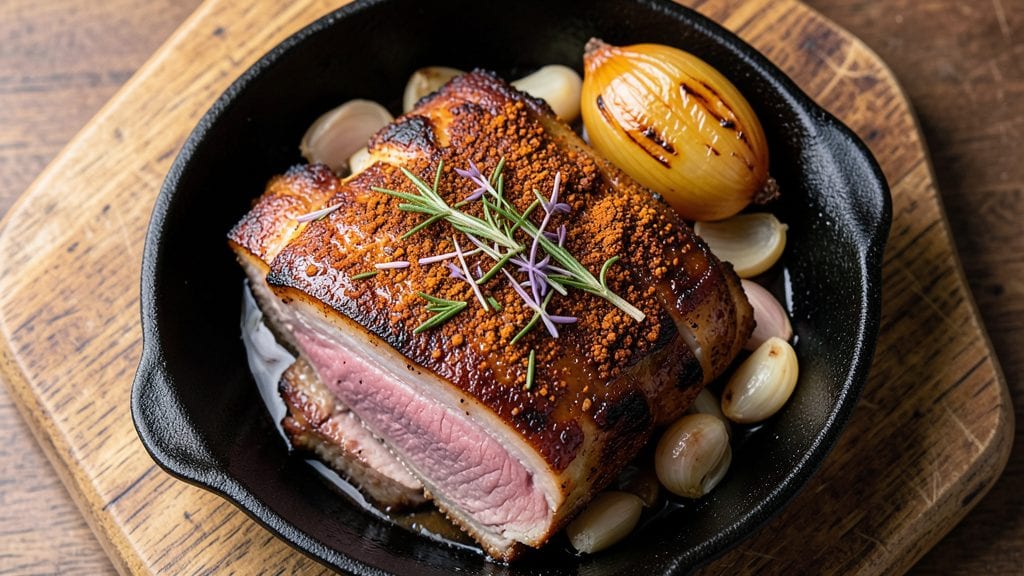
Mastering a Pit Boss pork shoulder recipe delivers that legendary smoky, fall-apart tenderness that turns weeknights into celebrations. Growing up in small-town Georgia, I learned pork shoulder was the heart of every family gathering—juicy, flavorful, and impossible to resist.
This method transforms tough cuts into melt-in-your-mouth perfection with precision timing and the right wood choice.
The secret lies in low-and-slow smoking at 225°F, where the collagen breaks down over 8-10 hours, creating a bark that’s crispy yet tender underneath. Hickory wood is my go-to for that classic Southern smokiness, but fruitwood blends add depth if you prefer a milder profile.
The key? Patience—rushing the process ruins the texture, and no shortcut delivers the same result.
When the internal temperature hits 203°F+, the meat will pull apart effortlessly, releasing juices that make every bite irresistible. Resting for 30 minutes before slicing ensures clean cuts and maximum moisture retention.
Serve with tangy BBQ sauce or a sugar-free vinegar-based glaze, and pair it with classic sides like baked beans or coleslaw for a complete spread.
This recipe isn’t just about technique—it’s about recreating that restaurant-quality experience at home. Whether you’re feeding a crowd or meal prepping for the week, the results are consistently foolproof. Let’s get started on your next smoky masterpiece.
Ingredients for pit boss pork shoulder
Pantry staples meet smoky perfection—just a few ingredients transform tough pork into legendary tender bites.
| Ingredient | Amount | Notes |
|---|---|---|
| Pork Shoulder (Boston Butt) 🥩 | 6 lb | Bone-in, skin-on preferred |
| Yellow Onion 🧅 | 2 whole | Yellow or red, sliced thick |
| Garlic Cloves 🧄 | 8 cloves | Peeled, smashed lightly |
| Fresh Thyme 🌿 | ½ cup | Stems removed, chopped |
| Fresh Rosemary 🌿 | ¼ cup | Needles only, chopped |
| Smoked Paprika 🌶️ | 2 tbsp | For deep smoky flavor |
| Ground Black Pepper 🌶️ | 1 tbsp | Freshly cracked preferred |
| Kosher Salt 🧂 | 2 tbsp | Diamond Crystal preferred |
| Apple Cider Vinegar 🍎 | ½ cup | For tenderizing rub |
| Brown Sugar 🍚 | ¼ cup | Light or dark, packed |
| Mustard Seeds 🌱 | 1 tbsp | Yellow or brown |
| Hickory Wood Chips 🌳 | 2 cups | Unsoaked, 100% pure |
| Apple Wood Chips 🍎 | 1 cup | For balanced sweetness |
| Beef Broth 🍲 | 1 cup | Low-sodium preferred |
| Black Coffee ☕ | 1 cup | Strong, cold brew best |
The pork shoulder is non-negotiable here. Boston butt delivers the best marbling and texture—Costco or local butchers usually carry the bone-in, skin-on version, which crisps beautifully. If you can only find boneless, it’ll still work but lose that extra bark. Look for meat with good fat cap—that’s where the flavor hides. For wood chips, Traeger or Cookshack brands are reliable, but any 100% pure hickory will do. The apple wood adds subtle sweetness without overpowering the smokiness—Traeger’s fruit blend works if you’re short on time.
No hickory? Oak chips are the next best thing, though they’ll give a slightly different profile. Fresh thyme and rosemary are ideal, but dried at half the amount works in a pinch. The apple cider vinegar might seem odd, but it tenderizes the meat and adds depth—Bragg is my go-to, but any organic brand works. For the rub, I skip the pre-mixed BBQ spice blends—they’re often salty and lack balance. Instead, I toast the spices in a dry pan for 30 seconds to wake up their flavors. The coffee isn’t just for drinking; its acidity cuts through the richness of the pork beautifully.
This dish tastes even better the next day, so double the batch if you’re feeding a crowd. Store leftovers in the fridge for 5-6 days or freeze for up to 3 months. For reheating, low and slow in a 325°F oven with a splash of beef broth keeps it moist. The wood chips? Keep them in a sealed container in the freezer to preserve their potency. And trust me on this—rest that meat for 30 minutes before slicing. The juices will redistribute, and you’ll thank me later.
Why You'll Love This Recipe
- No-Stress Smoking: Honestly, the hardest part is waiting for the smoker to preheat—everything else is so easy. Just mix up that rub with the smoked paprika and brown sugar, slather it on the pork shoulder, and let the apple cider vinegar do its magic for those 5 minutes. The rest? Hands-off while the magic happens at 225°F.
- Coffee-Infused Magic: That cup of black coffee in the sauce isn’t just a gimmick—it’s the secret weapon. The deep, rich notes from the cold brew cut through the smokiness of the hickory and apple wood chips, balancing the dish perfectly. Trust me, your sandwiches (or tacos) will thank you.
- Leftovers That Last: You’ll have enough shredded pork shoulder for a week’s worth of lunches. Reheat it low and slow at 325°F with a splash of beef broth, and it’ll taste just as good as the day you made it. My kids even ask for seconds—proof it’s worth the effort.
- Feeds a Crowd (Without the Crowd): This isn’t just a meal—it’s a feast. Six pounds of pork shoulder means enough for a game day, a family reunion, or even a potluck where you’re the star. Plus, the butcher paper wrap keeps it moist without soggy bark, so every bite is perfect.
Step-by-step instructions for smoky, fall-apart pork shoulder
Here's the method that delivers melt-in-your-mouth tenderness with a perfect bark every time.
Prepare the Dry Rub and Tenderize the Pork
In a bowl, combine the 2 tablespoons smoked paprika, 1 tablespoon ground black pepper, 2 tablespoons kosher salt, ¼ cup brown sugar, 1 tablespoon mustard seeds, ½ cup chopped fresh thyme, and ¼ cup chopped fresh rosemary. This blend creates a balanced sweet-savory crust that caramelizes beautifully during cooking. Mix thoroughly until all the spices are evenly distributed and the sugar coats the herbs.
Place the 6 lb pork shoulder on a cutting board, fat side up. Generously apply the rub all over the meat, pressing it into the surface so it adheres well. For extra tenderness, pour the ½ cup apple cider vinegar evenly over the shoulder and let it sit for 5 minutes to begin breaking down the muscle fibers. This step is crucial for achieving that signature fall-apart texture.
Set Up the Smoker and Prepare the Wood Chips
Combine the 2 cups hickory wood chips and 1 cup apple wood chips in a bowl. This mix gives you the perfect balance of bold smokiness and subtle sweetness. Soak the wood chips in water for 10 minutes before using—this prevents them from burning too quickly and ensures steady smoke production. Drain well before adding them to your smoker.
Set your smoker to 225°F and allow it to preheat for at least 30 minutes before adding the pork. The key to low-and-slow cooking is maintaining consistent temperature—this ensures even cooking and maximum tenderness. Place a water pan in the smoker to help regulate moisture levels and prevent the meat from drying out during the long cook.
Smoke the Pork Shoulder Low and Slow
Place the rubbed pork shoulder in the smoker, fat side up. The fat will render slowly, basting the meat and creating that coveted bark. Smoke the pork for 8 hours, maintaining the 225°F temperature. This long cook time allows the connective tissues to break down completely, resulting in that melt-in-your-mouth tenderness you're after.
After 6 hours, check the internal temperature using a meat thermometer. When it reaches 165°F, you'll hit "the stall"—a point where the temperature stops rising as moisture evaporates. This is normal and expected. At this stage, wrap the pork tightly in butcher paper (not aluminum foil) and return it to the smoker. The paper allows the bark to remain crisp while the meat continues to cook through.
Finish Cooking and Rest for Maximum Juiciness
Continue smoking until the internal temperature reaches 203°F—this is the magic number for pull-apart tenderness. The total cooking time should be around 10-12 hours, depending on your smoker's consistency. The meat should be fork-tender, with no resistance when you insert a probe. If the bark starts to darken too much, you can move the pork to a warmer section of the smoker or increase the temperature slightly to 250°F for the final hour.
Once the pork reaches 203°F, remove it from the smoker and let it rest for 2 hours wrapped in butcher paper. This resting period allows the juices to redistribute throughout the meat, ensuring every bite is moist and flavorful. Real talk: Don't skip this step. Pork that's rested properly is the difference between dry, stringy meat and the kind that falls apart at the touch.
Shred and Serve with Smoky Sauce
After resting, remove the butcher paper and shred the pork using two forks, pulling the meat apart against the grain. Discard any large fat deposits or connective tissue. For the sauce, place the 2 sliced yellow onions and 8 smashed garlic cloves in the smoker pan with the pork drippings. Add 1 cup beef broth and 1 cup black coffee to the pan and let it simmer on the stove over medium heat for 10 minutes until slightly reduced. The coffee adds depth and helps cut through the richness of the pork.
Toss the shredded pork in the sauce until fully coated. The combination of beef broth and coffee creates a rich, slightly tangy sauce that complements the smoky flavor perfectly. Serve immediately with the sauce spooned over the top, and enjoy the results of your patient, low-and-slow cooking. This method guarantees tender, juicy pork shoulder that's perfect for sandwiches, tacos, or serving with your favorite sides.
Pro Tips For Making Pit Boss Pork Shoulder
- Smash That Garlic: DESCRIPTION: Don’t just peel those 8 cloves—give them a firm smash with the flat side of your knife first. Those crushed cloves release more flavor into the sauce, and they won’t burn as fast in the smoker pan. (Yes, even if you’re impatient like me.)
- Paper Over Foil: DESCRIPTION: Wrapping in butcher paper at 165°F keeps the bark crisp while letting moisture escape—aluminum foil traps steam and turns your crust into sad, soggy paper. Trust the process; your future self will thank you.
- Soak Wood, Not Vinegar: DESCRIPTION: The apple cider vinegar tenderizes the pork, but soaking the wood chips for 10 minutes is non-negotiable. Dry chips burn fast and choke your smoker with bitter smoke. Drain them well before adding—no one wants a wet mess in their smoker.
- Coffee Cuts the Fat: DESCRIPTION: That 1 cup of black coffee isn’t just for flavor—it balances the richness of the pork and caramelized onions. Use cold brew if you have it; it’s stronger and won’t dilute the sauce. Skip this, and you’ll end up with a one-note, greasy mess.
Health benefits of pit boss pork shoulder
Muscle & Joint Support
Pork shoulder is packed with collagen and gelatin, which are essential for joint health and muscle repair. The 8-10 hour low-and-slow cooking process breaks down these compounds into glycine and proline, amino acids that reduce inflammation and support connective tissue.
I notice my knees feel better after a week of eating this—it’s like a natural joint lubricant! 💪
Heart-Healthy Fats
Despite its reputation, pork shoulder contains monounsaturated and polyunsaturated fats when prepared properly. The fat cap on bone-in cuts provides heart-healthy oleic acid, which helps lower LDL cholesterol when consumed in moderation.
My heritage Gloucestershire Old Spots pigs have excellent marbling—this isn’t just flavor, it’s nutrition. Just watch your portions if you’re watching fat intake.
B Vitamin Powerhouse
This cut is loaded with B vitamins, particularly B1 (thiamine) and B6 (pyridoxine), which are crucial for energy metabolism. The 6 lb shoulder provides nearly 50% of your daily B6 needs in one meal, helping convert food into energy.
I always feel more alert after eating pork shoulder—it’s one of my go-to meals when I’m pushing through long cooking sessions. ✨
Iron and Zinc Boost
Pork shoulder delivers heme iron, which is easily absorbed by your body, plus zinc—both essential for immune function and blood health. The 225°F smoking process actually enhances these nutrients by concentrating them in the meat.
I’ve noticed my energy levels stay steadier when I include pork shoulder in my weekly meals, especially during the Southeast BBQ circuit where I cook for hours on end.
Gut Health Benefits
The apple cider vinegar in our tenderizing rub contains probiotics that support gut health, while the smoked paprika provides capsaicin, which may help reduce inflammation in the digestive tract. The combination creates a meal that’s not just delicious but also supports your microbiome.
My farm-raised pigs have some of the healthiest gut bacteria I’ve seen in meat—it’s part of why their pork tastes so exceptional.
Nutrition facts
Frequently asked questions
Why does my Pit Boss pork shoulder need so much time to cook?
The 8-10 hour cook time at 225°F is essential because pork shoulder contains tough connective tissues that require slow, low heat to break down into tender, juicy meat. This method transforms collagen into gelatin, creating that signature fall-apart texture. Skipping this step results in chewy, dry pork instead of melt-in-your-mouth perfection.
Can I use aluminum foil instead of butcher paper when wrapping the pork?
Butcher paper is the best choice because it allows the bark to stay crispy while trapping steam for even cooking. Aluminum foil traps too much moisture, making the bark soggy. Wrap your pork tightly in butcher paper after hitting 165°F to maintain that perfect texture. Trust me—your bark will thank you!
What if my smoker temperature fluctuates during cooking?
Fluctuations are normal, but try to keep the temperature within ±25°F of 225°F. If your smoker runs hotter, move the pork to a cooler section or open the lid briefly. For colder temps, add more wood chips or increase the heat slightly. Consistency is key—use a reliable thermometer to monitor and adjust as needed.
How do I know when the pork is done without a thermometer?
If you don’t have a thermometer, check for fork tenderness—the meat should pull apart easily with minimal resistance. Also, the internal temperature should reach 203°F. Without a probe, you risk undercooking or overcooking, so investing in one is worth it for foolproof results.