
Main Courses
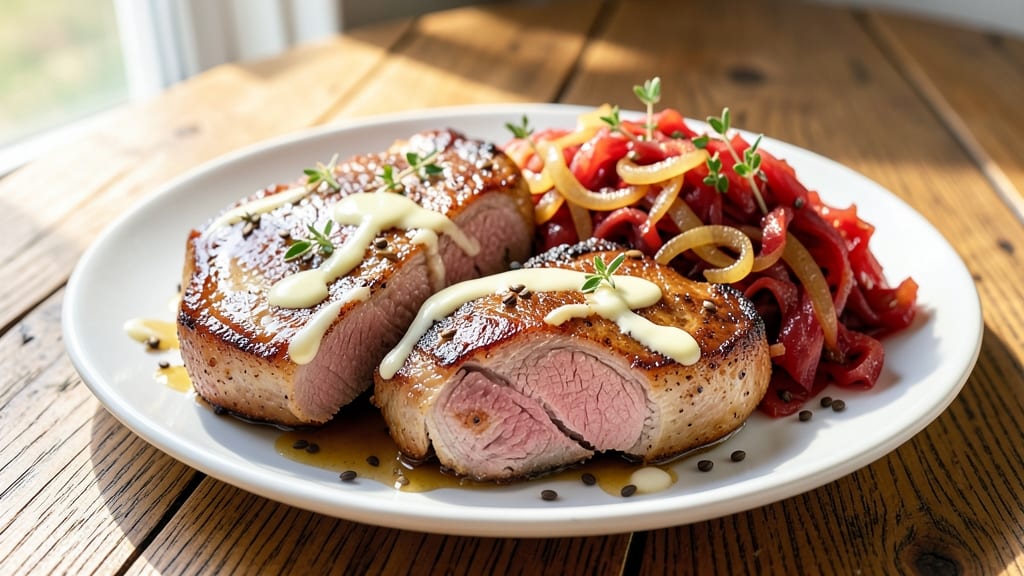
This Polish pork chops and sauerkraut recipe brings hearty Eastern European comfort to your table with crispy pan-seared chops and tangy fermented cabbage. Growing up in small-town Georgia, I learned how pork transforms simple meals into family traditions—just like this dish does in Polish homes.
The secret lies in proper searing and balancing the sharpness of sauerkraut with sweet caramelized onions.
What makes this recipe special is the foolproof technique for achieving crispy pork chops without drying them out, paired with sauerkraut that's sautéed just until tender. You'll need about 20 minutes of active cooking time, plus a few pantry staples like caraway seeds and fresh thyme.
The combination of smoky pork and fermented cabbage creates a flavor profile that's both comforting and complex.
By the end, you'll have perfectly browned pork chops with a tender interior and sauerkraut that's caramelized at the edges but still retains its signature tang. This dish pairs beautifully with mashed potatoes or crusty rye bread, making it ideal for weeknight dinners or holiday gatherings.
The aroma alone will have everyone asking what's for dinner.
Here's where it gets interesting—the sauerkraut doesn't just serve as a side but becomes the star by balancing the richness of the pork. Let's get started with this classic combination that's been feeding families for generations.
Ingredients for polish pork chops and sauerkraut
Crispy pork chops meet tangy sauerkraut in this foolproof Polish classic. Simple ingredients, bold flavors.
| Ingredient | Amount | Notes |
|---|---|---|
| Pork Chops (bone-in, center-cut) 🐷 | 1 ½ lb | Pounded to 1-inch thickness |
| Sauerkraut (unsweetened, liquid-packed) 🥬 | 2 cups | Rinsed and drained well |
| Yellow Onions 🧅 | 2 whole | Thinly sliced, caramelized |
| Unsalted Butter 🧈 | ½ cup | Full-fat for richness |
| Dry Caraway Seeds 🌿 | 1 tbsp | Toasted for aroma |
| Fresh Thyme Leaves 🍃 | 1 tbsp | Or 1 tsp dried thyme |
| Dijon Mustard 🧂 | 1 tbsp | For tangy depth |
| Whole Black Peppercorns 🌶️ | 1 tsp | Crushed, fresh ground |
| Apple Cider Vinegar 🍎 | 1 tbsp | Balances sauerkraut acidity |
| Granulated Sugar 🍯 | 1 tbsp | Caramelizes onions |
| Diamond Crystal Kosher Salt 🧂 | 1 ½ tsp | Adjust to taste |
| Olive Oil 🫒 | ¼ cup | For searing chops |
| All-Purpose Flour 🌾 | ¼ cup | For dredging chops |
The pork chops are everything here. Bone-in, center-cut gives you that perfect balance of tenderness and flavor—don’t skip the bone! Pound them to even thickness (about 1 inch) so they cook uniformly. Costco or your local butcher usually has the best cuts. For sauerkraut, unsweetened, liquid-packed is key—rinsing removes excess salt, but you’ll still get that signature tang. I always grab a 16-oz jar from Trader Joe’s because it’s pre-rinsed, saving me time. The onions? Caramelizing them is non-negotiable—they’re what sweeten the whole dish.
No fresh thyme? Dried thyme at one-third the amount works in a pinch (1 tsp instead of 1 tbsp). Want to skip the caraway seeds? Add an extra pinch of celery seeds for similar earthy depth. The Dijon mustard adds brightness—plain yellow mustard works if you’re out, but it won’t be as tangy. Apple cider vinegar is your secret weapon here: it cuts through the richness of the pork and balances the sauerkraut’s acidity. Don’t skip it—it’s what makes the sauce sing. And if you’re short on time, pre-sliced onions from the grocery store work fine, though homemade is always better.
This dish tastes even better the next day, so make it ahead! Store the sauerkraut mixture in the fridge for up to 4 days—it’ll just get tangier. The pork chops? Best eaten fresh, but you can reheat them gently in a skillet for 2-3 minutes per side to restore crispiness. For freezing, portion the chops and sauerkraut separately—freeze the chops for up to 3 months and reheat from frozen in the skillet. The sauerkraut keeps 6 months frozen, though I find it’s better fresh. Pro tip: Serve with crusty rye bread or mashed potatoes to soak up all that delicious sauce.
Why You'll Love This Recipe
- One-Pan Magic: I love that this dish lives in one pan—no extra dishes, no stress. Just pound the pork chops, sear them in butter and olive oil, then toss in the onions and sauerkraut. The caramelized onions and toasted caraway seeds take over while the chops finish cooking, and you’re done in under 30 minutes. My kitchen stays clean, and I stay happy.
- Tangy, Crispy, Perfect: The contrast here is chef’s kiss—crispy, golden pork chops with that tangy, slightly funky sauerkraut and sweet caramelized onions. The dijon mustard and apple cider vinegar cut through the richness, while the caraway seeds add a warm, earthy kick. Honestly, it’s the kind of dish where every bite surprises you in the best way.
- Leftovers? More Like Leftovers Again: This isn’t just a meal; it’s a plan. The sauerkraut mixture keeps well for up to 4 days, and honestly, it gets even better as it sits. I reheat it with the chops or even on toast for lunch. Plus, the chops freeze beautifully for up to 3 months—just pop them in the skillet when you’re ready. Budget-friendly and foolproof.
- Feeds a Crowd (Without the Crowd): Whether it’s a cozy Tuesday night or a last-minute dinner party, this dish stretches for four or six with no extra effort. The bone-in chops add richness, and the sauerkraut keeps everyone happy—even my picky kid who loves the tangy kick. Plus, it’s the kind of meal that tastes even better the next day, so you’re not stuck with leftovers you’ll dread. Win.
Step-by-step instructions for Polish pork chops with sauerkraut
Here's how to deliver that perfect balance of crispy pork chops and tangy sauerkraut every time.
Prepare the Pork Chops for Crispy Perfection
Start by pounding the 1½ lb pork chops (bone-in, center-cut) to an even 1-inch thickness between two sheets of plastic wrap using a meat mallet. This ensures even cooking and that coveted crispy crust. Pat them completely dry with paper towels—moisture is the enemy of crispiness, so take your time here.
Create your dredge station by placing the ¼ cup all-purpose flour on a shallow plate. In another plate, mix the 1½ tsp diamond crystal kosher salt, 1 tsp crushed whole black peppercorns, and 1 tbsp fresh thyme leaves. Season each chop generously on both sides with this spice blend, then dredge lightly in the flour, shaking off any excess. Let them sit for 5 minutes while you prepare the pan—this gives the flour time to form a proper crust.
Sear the Chops in Butter and Olive Oil
Heat a large skillet over medium-high heat until it's properly searing hot—you should see a slight shimmer when you sprinkle a drop of water. Add the ¼ cup olive oil and ½ cup unsalted butter, letting the butter melt and foam subside. This combination gives you both high smoke point for searing and rich flavor development.
Working in batches if needed, add the seasoned chops to the skillet. Press down gently on each chop during the first minute to prevent curling and ensure even contact with the pan. Cook for 3-4 minutes per side until they develop a deep golden brown crust. The reason we wait for this color is that it traps moisture while creating that satisfying crunch. Remove the chops to a plate and tent loosely with foil to keep warm.
Caramelize the Onions and Toast the Caraway
In the same skillet (no need to clean it—the browned bits add flavor), reduce heat to medium and add the 2 yellow onions that have been thinly sliced. Cook for 10 minutes, stirring occasionally, until they begin to soften and release their moisture. Add the 1 tbsp granulated sugar and 1 tbsp apple cider vinegar, stirring to combine. Increase heat to medium-high and cook for another 8-10 minutes until the onions are deep golden brown and caramelized.
While the onions cook, toast the 1 tbsp dry caraway seeds in a dry skillet over medium heat for 1-2 minutes until fragrant. Add these to the caramelized onions along with the 1 tbsp dijon mustard, stirring to combine. You'll notice the mustard helps balance the acidity from the vinegar and sauerkraut, creating depth of flavor. Remove from heat and set aside.
Cook the Sauerkraut and Combine
In a separate skillet, heat ¼ cup olive oil over medium heat. Add the 2 cups sauerkraut (that you've already rinsed and drained well) and cook for 5-7 minutes, stirring occasionally, until it's heated through and any excess liquid has evaporated. The sauerkraut should be warm but not mushy—you want to preserve that pleasant tang.
Return the seared pork chops to the skillet with the caramelized onions. Add the cooked sauerkraut and spoon the onion mixture over the top. Cover and let everything simmer gently for 5 minutes, allowing the flavors to meld together. The residual heat will finish cooking the chops while infusing them with the sauerkraut's tangy goodness.
Serve with Crispy Topping
For the final touch, transfer the pork chops to serving plates. Spoon the sauerkraut and caramelized onion mixture over the top, creating a beautiful presentation. The contrast of crispy pork chops with the tangy, caramelized sauerkraut is what makes this dish so special. Garnish with additional fresh thyme leaves if desired.
Serve immediately while the chops are still crispy and the sauerkraut is warm. The combination of the golden crust on the pork, the caramelized onions, and the fermented tang of the sauerkraut creates a flavor profile that's both comforting and sophisticated. Don't forget to pair this with some crusty bread to soak up all those delicious juices!
Pro Tips For Making Polish Pork Chops And Sauerkraut
- Press for Flatness: That first minute when you put the chops in the pan? Press down hard with a spatula—no half-hearted tapping. I learned this the hard way after serving you a chop that curled like a shrimp. Flat contact = even browning, and that’s how you get that crisp crust on every bite.
- Rinse, But Don’t Drown: Drain the sauerkraut well, but don’t skip the rinse—just give it a quick swirl under cold water to cut the sharpest acid. I used to skip this, and the flavor would fight with the butter instead of playing nice. Pat it dry after, or the onions will steam instead of caramelize.
- Sugar First, Vinegar Second: Toss the sugar into the onions before the vinegar—let it melt into the slices for a few minutes. Then add the vinegar. This gives the sugar time to work its magic, turning those onions into sweet, sticky ribbons instead of a sad, watery mess. Trust me, the difference is night and day.
- Simmer, Don’t Boil: When you cover the chops and sauerkraut to finish cooking, keep the heat low. A gentle simmer for those 5 minutes lets the flavors marry without turning the sauerkraut into mush. I’ve burned this step twice—now I just watch for the occasional bubble, not a full-on boil. Patience pays off.
Essential equipment for this recipe
Your Trusted Skillet
You’ll need a 12-inch cast-iron skillet—my go-to for this dish because it retains heat like a dream and develops that perfect sear. I’ve got a Lodge skillet from 1998 in my collection, but even a well-seasoned Le Creuset works beautifully.
The key is preheating it properly until it’s medium-high heat and shimmering when you test it with a drop of water. This ensures your pork chops develop that golden crust without sticking. 🔥
Meat Mallet Matters
Pounding your chops to 1-inch thickness is non-negotiable for even cooking, and a meat mallet makes this job effortless. I keep a vintage Wüsthof mallet in my kitchen—it’s got the perfect balance of weight and precision.
If you don’t have one, a heavy rolling pin or even a wine bottle will work in a pinch. Just make sure to pound between two sheets of plastic wrap to keep the meat from tearing.
Trust me, the difference between a uniform chop and a lumpy one is night and day.
Thermometer for Precision
A good instant-read thermometer is your secret weapon for perfect pork chops. I swear by the Thermoworks Smoke because it’s durable and accurate to within ±1°F.
The internal temperature should hit 145°F for medium-rare, but since we’re searing, you’ll want to pull them at 130°F to let them rest and carry over. This ensures juicy, tender meat every time. I keep one in my apron pocket for quick checks while I’m multitasking.
Wooden Spoon for Stirring
For the sauerkraut and onions, a wooden spoon is your best friend. It won’t scratch the skillet like metal, and it’s gentle enough to handle the onions without breaking them up too much.
I’ve got a Ball Blue Willow spoon that’s been in my family for generations—it’s got just the right weight and shape for stirring. If you don’t have one, any sturdy wooden spoon will do. Just avoid plastic or metal, which can damage your skillet’s seasoning.
Mortar and Pestle for Spices
Crushing your whole black peppercorns and caraway seeds fresh in a mortar and pestle adds a depth of flavor that pre-ground spices just can’t match. I use a Ceramic mortar and pestle because it’s durable and easy to clean.
If you don’t have one, a small spice grinder or even the back of a spoon will work. The key is to crush them just before cooking to preserve their aromatic oils. This little step makes a world of difference in the final dish.
Digital Scale for Accuracy
Measuring your ingredients by weight, especially the flour and sugar, ensures consistency every time. I use a digital kitchen scale with gram measurements because it’s far more precise than scooping with a cup.
For the flour, aim for 30 grams (about ¼ cup), and for the sugar, 20 grams (1 tbsp). This small investment in accuracy means your sauerkraut won’t be too sweet or the crust won’t be too dry. It’s a game-changer for home cooks who want professional results.
Nutrition facts
Frequently asked questions
Why pound the pork chops to 1-inch thickness?
Pounding ensures even cooking throughout the chop, preventing some parts from being undercooked while others are overdone. This technique also creates a perfect surface for that crispy exterior you want. Bone-in chops cook more slowly, so thinning them out guarantees tender meat inside while maintaining that satisfying crunch on the outside.
Can I use dried thyme instead of fresh?
Use 1 teaspoon dried thyme for every 1 tablespoon fresh called for. The flavor will be more concentrated, so reduce it slightly if you're concerned about overpowering the dish. Fresh thyme adds brightness, but dried works perfectly in a pinch.
How do I prevent the sauerkraut from becoming mushy?
Cook it over medium heat and stir occasionally for 5-7 minutes until heated through but not broken down. Avoid high heat, which can release too much liquid quickly. Draining well before cooking also helps preserve that pleasant tang without turning it into a paste.
Can I make this dish ahead of time?
The sauerkraut mixture keeps beautifully in the fridge for up to 4 days—it'll even develop more tang! For the pork chops, cook them fresh for best results, but you can reheat gently in a skillet for 2-3 minutes per side to restore that crispy texture. Freeze components separately if needed.
What's the best bread to serve with this dish?
Crusty rye bread or a hearty sourdough work perfectly—they hold up well to the sauerkraut's tang and help soak up all those delicious juices. For something lighter, try a buttery brioche roll or even a simple baguette. The contrast of textures makes every bite even better!