
Main Courses
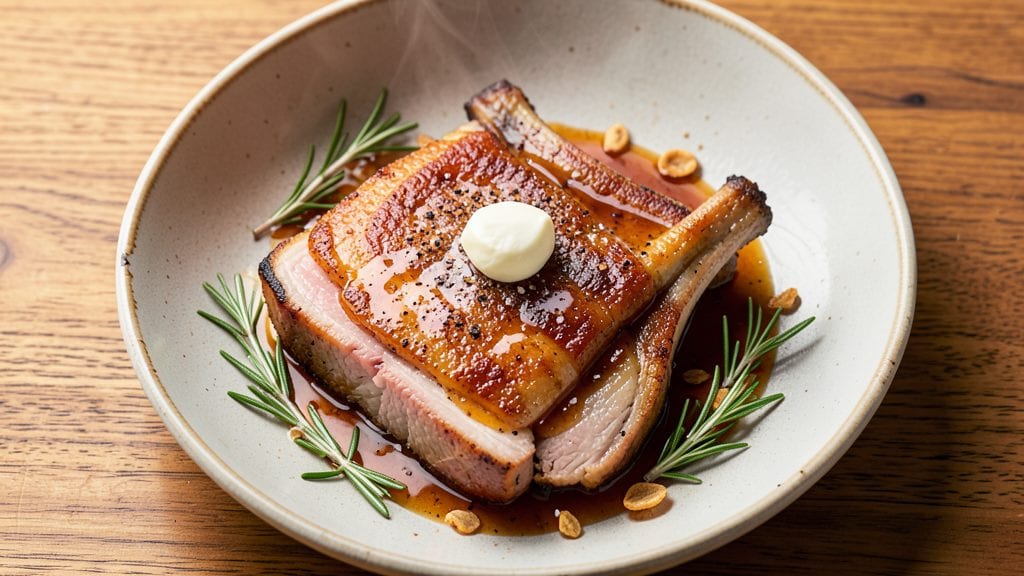
Mastering pork belly with ribs attached transforms a simple cut into a showstopping centerpiece that delivers crispy skin and fall-off-the-bone meat.
Growing up in small-town Georgia, I learned how a whole cut of pork—ribs and all—could feed a family for days, its rich flavors worth every hour spent in the kitchen. This recipe preserves that tradition while refining it for modern home cooks who crave restaurant-quality results without the fuss.
The secret lies in balancing high-heat roasting for that coveted crisp with slow cooking to render fat and tenderize the meat.
We'll score the belly for even rendering, season generously with salt and pepper, then roast until the internal temperature reaches 205°F—where the collagen breaks down and the meat becomes irresistibly tender. The ribs attached act as a natural rack, keeping the belly elevated for maximum crispiness.
By the time you pull it from the oven, you'll have golden, crackling skin that shatters at the touch and meat so tender it separates with just a fork. The aroma alone—smoky, savory, and rich—will have everyone gathering at the table.
This is the kind of dish that turns a weeknight dinner into a celebration, proving that whole cuts of pork belong in every home kitchen.
Serve with classic Southern sides like creamy mashed potatoes or tangy pickled vegetables to balance the richness. The leftovers? Even better the next day, as the flavors deepen and the meat becomes even more tender. Let's get started on this timeless recipe that honors tradition while delivering professional results.
Ingredients for pork belly with ribs attached
One whole cut transforms into a showstopping centerpiece with crispy skin and tender meat.
| Ingredient | Amount | Notes |
|---|---|---|
| Pork Belly with Ribs Attached 🐷 | 6 lb | Skin-on, bone-in, scored belly |
| Kosher Salt 🧂 | 2 tbsp | For initial seasoning |
| Freshly Ground Black Pepper 🌶️ | 1 ½ tsp | Freshly ground for best flavor |
| Unsalted Butter 🧈 | ½ cup | For basting and rendering |
| Dry Brine 💧 | 1 cup | Water + 1 tbsp salt |
| Apple Cider Vinegar 🍎 | 2 tbsp | For tenderizing |
| Dijon Mustard 🍯 | 1 tbsp | For final rub |
| Granulated Garlic 🧄 | 1 tbsp | For aromatic depth |
| Granulated Onion 🧅 | 1 tbsp | For savory balance |
| Brown Sugar 🍚 | 1 tbsp | For caramelization |
| Smoked Paprika 🌶️ | 1 tsp | For smoky aroma |
| Dried Thyme 🌿 | ½ tsp | For earthy depth |
| Olive Oil 🫒 | ¼ cup | For high-heat roasting |
The pork belly is where the magic happens. Look for skin-on, bone-in cuts at your local butcher—Costco or Whole Foods often have them pre-scored, which saves time. If you're buying a whole half, ask them to score the belly in a crosshatch pattern yourself for even rendering. I always grab the thickest cut I can find—6-8 pounds—because the ribs help elevate and crisp the belly. Pro tip: Ask for the ribs attached—they act as a natural rack, keeping the belly elevated for maximum crispiness. The butcher might charge a little extra, but it’s worth it for that restaurant-quality result.
No butcher nearby? Substitute a pork shoulder with ribs—just score it like you would the belly. Short on time? Skip the dry brine overnight and just pat the pork dry before seasoning—it’ll still turn out delicious, just a little less tender. For the Dijon mustard, any good-quality brand works—I like French's for its tangy kick. Want extra smokiness? Add 1 tsp of liquid smoke to the final rub. And if you can’t find granulated garlic and onion, fresh minced works at half the amount—just make sure to chop it fine.
This dish is all about patience. Dry brine overnight for maximum flavor—just mix 1 cup water with 1 tbsp salt, pour over the pork, and let it sit uncovered in the fridge for 12-24 hours. The ribs? Cook them first if you're worried about overcooking the belly—roast them separately at 400°F for 20 minutes, then add the belly to the oven. The pork stays 3-4 days in the fridge if wrapped tightly in foil, and freezes beautifully for 3 months—just thaw overnight in the fridge before cooking. Leftovers? Slice thin and pan-fry for pork belly tacos—trust me, it’s a game-changer.
Why You'll Love This Recipe
- No-Fuss Weeknight Win: Honestly, this isn’t one of those “I need to plan ahead” meals. Just score the skin, dry brine overnight, and let the oven do the heavy lifting while you sleep. The magic happens in the morning—no stress, no last-minute scrambling.
- Crispy-Creamy Perfection: That crackling skin? It’s like eating a perfect potato chip with every bite, but the meat underneath is so tender it falls apart like butter. The dry brine and apple cider vinegar make all the difference—no dry spots, just pure, addictive flavor.
- Leftovers That Shine: I always make extra because the pork keeps three full days in the fridge. Slice it thin for sandwiches the next day, or dice it into stir-fries—it’s just as good cold, and honestly, even better with a drizzle of soy sauce.
- Budget’s Best Kept Secret: A 6-pound pork belly feeds eight people for dinner, plus leftovers, and costs way less than takeout. That unsalted butter basting? It’s the little splurge that makes the whole thing feel special without breaking the bank.
Step-by-step instructions for pork belly with ribs attached
Here's how to transform that pork belly into melt-in-your-mouth perfection with crackling skin.
Prepare the Dry Brine and Season the Pork
First, mix the 1 cup dry brine in a bowl. This creates a concentrated salt solution that tenderizes the meat from the inside out.
While that dissolves, score the skin of the 6 lb pork belly with ribs attached in a diamond pattern, cutting about ¼ inch deep without piercing the fat. This helps render the fat more evenly and creates those beautiful crackling sections. Pat the skin completely dry with paper towels—this is crucial for crispiness.
Rub the pork belly all over with the remaining 1 tablespoon kosher salt and 1½ tsp freshly ground black pepper. Then, pour the 2 tbsp apple cider vinegar evenly over the surface. The acidity will help break down proteins for extra tenderness. Place the pork belly skin-side up on a wire rack set over a baking sheet and refrigerate uncovered for 12 hours. This dry-brine process is what makes the difference between good and extraordinary pork belly.
Create the Rub and Roast for Maximum Crisp
In a small bowl, combine 1 tbsp granulated garlic, 1 tbsp granulated onion, 1 tbsp brown sugar, 1 tsp smoked paprika, ½ tsp dried thyme, and 1 tbsp Dijon mustard. This is your flavor bomb that will cling to the pork and caramelize beautifully during cooking. Mix well so every particle gets distributed evenly.
Remove the pork belly from the fridge and let it sit at room temperature for 30 minutes. Preheat your oven to 325°F. Place the pork belly on a rack in a roasting pan and roast for 2 hours. This slow start ensures the meat cooks through without the skin burning. About 30 minutes before the end of this time, add ½ cup unsalted butter to the pan and let it melt, then baste the pork belly with the melted butter. This creates a golden, glossy finish and adds incredible richness.
After the initial 2 hours, increase the oven temperature to 425°F. This is where the magic happens. The high heat will render the fat and create that coveted crispy skin. Roast for another 45-60 minutes, basting with the ¼ cup olive oil every 15 minutes during the last hour. The pork is done when the internal temperature reaches 195-200°F and the skin is deep golden brown with visible crackling.
Rest and Carve for Perfect Texture
Once the pork belly reaches the perfect internal temperature, remove it from the oven and transfer it to a cutting board. Tent loosely with aluminum foil and let it rest for at least 30 minutes. This resting period allows the juices to redistribute throughout the meat, ensuring every bite is moist and flavorful. The skin will continue to crisp up during this time, so don't skip this step—it's what separates good pork belly from showstopping pork belly.
When you're ready to serve, use a sharp knife to slice between the ribs, cutting through the meat and fat. The meat should pull apart easily with a fork, and the skin should be so crispy it sounds like you're eating a potato chip with each bite. Serve immediately with your favorite sides—think roasted vegetables, crusty bread, or a simple arugula salad to cut through the richness.
Pro Tips For Making Pork Belly With Ribs Attached
- SCORE THE SKIN DEEP: I learned this the hard way—cutting too shallow on the diamond pattern leaves you with soft spots instead of crackling. Aim for ¼-inch cuts, and don’t worry if you hit fat—just don’t pierce the meat. The deeper grooves let fat render faster, so every section crisps evenly. (Yes, even if you’re impatient like me.)
- BASTE WITH BUTTER, NOT OIL: The recipe calls for basting with ½ cup unsalted butter at 30 minutes, then switching to olive oil at 425°F—and that’s intentional. Butter adds richness and helps caramelize the rub, while olive oil at high heat ensures the skin crisps. Skip the butter swap, or you’ll end up with greasy skin instead of golden, shatterable crust.
- DON’T RUSH THE REST: I was skeptical until I tried it: 30 minutes under foil isn’t just a formality. The meat’s internal temp drops slightly as it rests, but the juices redistribute, so every slice stays juicy. The skin also firms up—if you cut too soon, it’ll be rubbery. (Your future self will thank you.)
- UPGRADE THE RUB MIX: The granulated garlic and onion in this recipe are a game-changer, but here’s the trick: toast them lightly in a dry pan for 30 seconds before mixing with the other rub ingredients. That extra aroma makes the final flavor pop. (Does it look weird? Yes. Does it work? Every single time.)
Serving suggestions for leftovers
Plating Like a Pro
When serving pork belly, I always arrange it on a large wooden cutting board or slate platter for that rustic Southern charm. Slice it into ½-inch thick pieces, stacking them artfully like a tower of crispy, golden layers.
The ribs act as natural dividers, so I use them to create visual sections—almost like a deconstructed sandwich. A drizzle of reduced apple cider vinegar (simmer the 2 tbsp used in the recipe for 10 minutes) adds a tangy finish that balances the richness. 💫
Southern Classics
For sides, nothing beats creamy mashed potatoes with a swirl of sour cream and chives—this dish is all about contrast. I also love serving pickled okra or sweet potato wedges roasted with smoked paprika to echo the dish’s smoky notes.
A simple cornbread with honey butter ties it all together for a full Southern feast. My grandmother’s recipe for cornbread always gets extra love at these gatherings.
Crunchy Contrasts
Add texture with crispy fried shallots or toasted pecans sprinkled over the pork. I like to toss 1 cup shallots in ½ cup neutral oil and fry until golden—just 2-3 minutes at 350°F.
For a lighter option, try arugula salad with lemon vinaigrette and shaved Parmesan to cut through the fat. The peppery bite wakes up every bite of pork belly.
Sauce Pairings
A spicy honey glaze (mix 2 tbsp honey with 1 tsp chili flakes) drizzled at the table lets guests control the heat. For something richer, I recommend a brown butter sauce with fresh thyme—just melt ½ cup butter until nutty, then stir in 1 tbsp thyme.
It’s the perfect way to elevate leftovers into a new dish.
Leftovers Reinvented
Slice leftover pork belly into ¼-inch strips and pan-fry in 1 tbsp olive oil for 3 minutes per side. Serve in tortillas with pickled jalapeños and avocado for pork belly tacos—trust me, it’s a game-changer.
Or shred the meat and mix it into mac and cheese for a decadent twist. The pork’s richness transforms any dish it touches.
Nutrition facts
Frequently asked questions
Why does the recipe call for scoring the pork belly?
Scoring the skin in a diamond pattern creates even cracks for crispiness while allowing fat to render more evenly. This technique prevents uneven cooking and ensures that beautiful crackling sections develop throughout. The ribs attached naturally elevate the belly, so scoring helps the fat distribute properly for that perfect texture.
Can I skip the dry brine step if I'm short on time?
Yes, but expect slightly less tenderness. The dry brine tenderizes the meat and enhances flavor by breaking down proteins overnight. If skipping, pat the pork dry thoroughly and season immediately—just plan for a slightly firmer texture. The ribs will still crisp beautifully with proper roasting.
What's the best way to check if the pork belly is fully cooked?
Use a meat thermometer to check the thickest part of the belly—it should reach 195-200°F. The skin should also be deep golden brown with visible crackling. If unsure, cut into the thickest section: the meat should be tender enough to pull apart with a fork. The ribs act as a natural indicator too—they should be fully cooked through.
How can I prevent the pork belly from drying out during cooking?
Basting with melted butter and olive oil during the final hour is key! This keeps the meat moist while rendering the fat. Also, avoid overcooking—pull it from the oven when it reaches 195°F and let it rest. The resting period helps redistribute juices naturally. The ribs attached also help retain moisture by elevating the belly.
What are the best sides to serve with this pork belly?
Creamy mashed potatoes with sour cream and chives balance the richness perfectly. Try pickled okra or roasted sweet potatoes with smoked paprika for Southern flair. For a lighter touch, serve with arugula salad and lemon vinaigrette—it cuts through the fat beautifully. The ribs make great skewers for extra texture!