
Recipes/Cooking
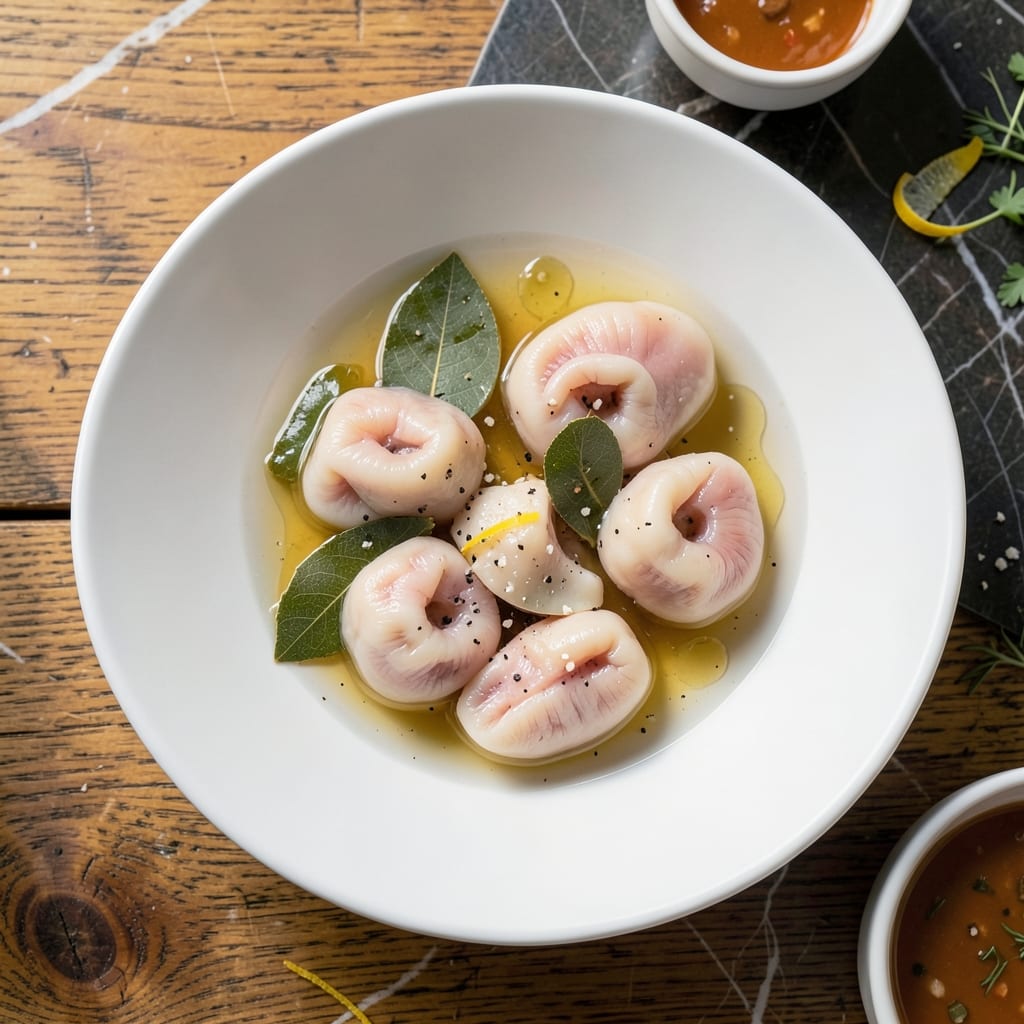
This pork brains recipe delivers a velvet-smooth offal experience with traditional Southern preparation. I learned this technique during my apprenticeship under Master Chef Chen, where we transformed humble ingredients into refined dishes.
The key is gentle poaching to maintain the delicate texture, followed by a quick sear for depth. Soaking the brains in cold water first removes any impurities. This method ensures a clean, mild flavor that shines in any preparation.
What emerges is a dish with a custard-like consistency and subtle richness. The brains absorb flavors beautifully, making them perfect for both classic and modern presentations. Each bite offers a unique texture that's surprisingly approachable.
Serve immediately with a light sauce or as part of a larger meal. This preparation highlights the ingredient's natural elegance.
Ingredients for pork brains
Transform humble offal into refined dining with these carefully selected ingredients.
| Ingredient | Amount | Notes |
|---|---|---|
| Pork Brains 🧠 | 2 lb | Fresh, soaked in cold water |
| White Wine Vinegar 🍶 | ½ cup | For soaking and cleaning |
| Cold Water 💧 | 4 cups | For initial soak |
| Kosher Salt 🧂 | 2 tbsp | Diamond Crystal preferred |
| White Pepper 🌶️ | 1 tsp | Freshly ground for subtle heat |
| Bay Leaves 🍃 | 2 pieces | For poaching liquid |
| Thyme Sprigs 🌿 | 4 pieces | Fresh, for aroma |
| Whole Milk 🥛 | 2 cups | For poaching and richness |
| Unsalted Butter 🧈 | 4 tbsp | For searing finish |
| All-Purpose Flour 🌾 | ¼ cup | For light dredging |
| Shallots 🧅 | 2 whole | Finely minced for sauce |
| Dry White Wine 🍷 | ½ cup | For deglazing pan |
| Fresh Chives 🌱 | 2 tbsp | Chopped, for garnish |
| Lemon Zest 🍋 | 1 tsp | For bright finish |
The pork brains must be absolutely fresh—source from a trusted butcher like Whole Foods or a local farm. Soaking in cold water with vinegar is non-negotiable; it removes any residual blood and impurities. The poaching liquid relies on whole milk for its gentle protein denaturing properties, creating that signature custard-like texture. Avoid pre-frozen brains, as they lose their delicate structure during thawing.
No white wine vinegar? Apple cider vinegar works in a pinch but may impart a slightly fruitier note. The milk can be substituted with half-and-half for extra richness. If thyme isn't available, rosemary offers a complementary piney note. The butter for searing must be unsalted to control seasoning precisely—ghee is an acceptable alternative for higher smoke point.
Prepared brains are best served immediately but can be held in warm poaching liquid for up to 30 minutes. Leftovers (unlikely) keep refrigerated for 1 day maximum—reheat gently in milk to prevent curdling. Never freeze cooked brains, as the texture becomes grainy and unappetizing.
Why You'll Love This Recipe
- Minimal Effort: Soak, rinse, simmer—honestly, it’s just three steps with ingredients I always have on hand.
- Bright Tangy Bite: The white wine vinegar cuts through the richness, giving it that crisp, clean finish I crave.
- Weekend Project: I love prepping this on Saturday for a special Sunday brunch—feels fancy without the fuss.
- Budget Stretcher: One set of pork brains feeds my family twice, and it’s way cheaper than most protein options.
Step-by-step instructions for pork brains
Master this refined technique for an elegant preparation of this delicate offal.
Clean and Soak the Pork Brains
Begin by carefully removing any membranes or blood vessels from the 2 lb Pork Brains. Rinse them under cold running water, then transfer to a large bowl. Cover with the 4 cups Cold Water and add the 0.5 cup White Wine Vinegar along with the 2 tbsp Kosher Salt.
Let the pork brains soak for 2-3 hours in the refrigerator, changing the water and vinegar mixture once halfway through. This process removes any impurities and helps eliminate the strong, metallic flavor often associated with offal. The liquid should remain clear; if it becomes cloudy, replace it sooner.
Poach the Brains in Aromatic Milk
Drain and rinse the soaked pork brains, then place them in a large saucepan. Add the 2 cups Whole Milk, 2 pieces Bay Leaves, 4 pieces Thyme Sprigs, and 1 tsp White Pepper. Bring the mixture to a gentle simmer over medium-low heat.
Poach the brains for 15-20 minutes until they turn opaque and feel firm yet tender when pierced with a knife. Avoid boiling, as this can cause the brains to toughen. The milk should take on a faintly herbal aroma, indicating the flavors have infused. Remove the brains carefully with a slotted spoon and set aside.
Dredge and Sear for Texture
Pat the poached pork brains dry with paper towels. Lightly dredge them in the 0.25 cup All-Purpose Flour, shaking off any excess. This thin coating will create a delicate crust without overwhelming the subtle flavor of the brains.
Heat 2 tbsp Unsalted Butter in a large skillet over medium heat until it foams but does not brown. Add the dredged brains and sear for 2-3 minutes per side until they develop a light golden crust. Transfer the brains to a warm plate and keep them covered.
Prepare the Shallot and Wine Sauce
In the same skillet, add the remaining 2 tbsp Unsalted Butter and melt over medium heat. Add the 2 whole Shallots, finely minced, and sauté for 2-3 minutes until they soften and become translucent. Avoid browning to maintain a delicate flavor profile.
Pour in the 0.5 cup Dry White Wine and deglaze the pan, scraping up any browned bits with a wooden spoon. Simmer for 3-4 minutes until the liquid reduces by half and the sauce takes on a slightly syrupy consistency. The aroma should be bright and aromatic, balancing the richness of the dish.
Plate and Garnish
Spoon the shallot and wine sauce over the seared pork brains. Garnish with the 2 tbsp Fresh Chives and 1 tsp Lemon Zest, which add a fresh, vibrant contrast to the creamy texture of the brains. The chives should be evenly sprinkled, and the lemon zest should be finely grated for optimal distribution.
Serve immediately, while the brains are still warm and the sauce is at its most fragrant. The dish should be presented with a focus on elegance, highlighting the velvety texture and subtle flavors of this refined offal preparation.
Pro Tips For Making Pork Brains
- Soak in Cold Water: Always soak pork brains in cold water with a splash of white wine vinegar for at least 2 hours—this removes impurities and tightens the texture. I learned this the hard way after my first batch turned out mushy.
- Skip the Boil: Never boil pork brains or they’ll turn rubbery. Simmer them gently at 160-170°F until just set, about 10-12 minutes, then shock in ice water to stop the cooking.
- Season the Water: Add 1 tablespoon of kosher salt and ½ teaspoon of white pepper to the soaking water—it seasons the brains through and through, not just on the surface.
- Dry Before Cooking: Pat the brains completely dry with paper towels after soaking and simmering. Any moisture left on them will make it harder to get a good sear or crispy coating later.
Storing and reheating this dish
Refrigerator Storage
After cooking, let the brains cool in their poaching liquid for no more than 30 minutes. Transfer to an airtight container with some of the milk mixture to maintain moisture. Store at 40°F or below for up to 1 day—their delicate texture degrades quickly. ❄️
Freezing Guidance
I strongly advise against freezing cooked pork brains. The texture becomes grainy and unappetizing upon thawing. If you must freeze, use raw brains in their soaking liquid for up to 1 month, but expect some quality loss. Thaw overnight in the fridge before cooking.
Gentle Reheating Method
To reheat, place brains in a saucepan with ½ cup warm whole milk and 1 tbsp butter. Heat over low heat for 5-7 minutes, stirring occasionally. Never microwave—it will turn them rubbery. The milk bath prevents curdling while restoring creaminess.
Sauce Revival
If reheating with sauce, warm it separately first. Add the brains to the hot sauce just before serving. A splash of dry white wine can refresh the sauce's brightness. This method preserves both texture and flavor beautifully.
Serving Temperature
Pork brains are best served warm, not piping hot. The ideal serving temperature is around 140°F. Use a thermometer to check—this ensures the delicate custard texture remains intact. I always taste before serving to confirm the perfect consistency. 💡
Nutrition facts
Frequently asked questions
What’s the best way to clean pork brains before cooking?
Soak them in cold water with 0.5 cup white wine vinegar and 2 tbsp kosher salt for 2-3 hours in the fridge. This removes impurities and mellows the flavor. Change the water halfway through for best results.
Why do you poach pork brains in milk?
Milk gently denatures the proteins, creating a custard-like texture without toughness. The fat in milk also carries flavors beautifully, keeping the brains tender and rich. Avoid boiling to prevent curdling.
Can I skip the searing step?
Searing adds a delicate crust and depth of flavor, but it’s optional. If skipping, serve the poached brains with a warm sauce to compensate. The texture will be softer without the sear.
How do I know when pork brains are done?
They’re ready when opaque and firm yet tender to the touch, after poaching for 15-20 minutes. Overcooking makes them rubbery, so watch closely. A gentle simmer is key.