
Main Courses
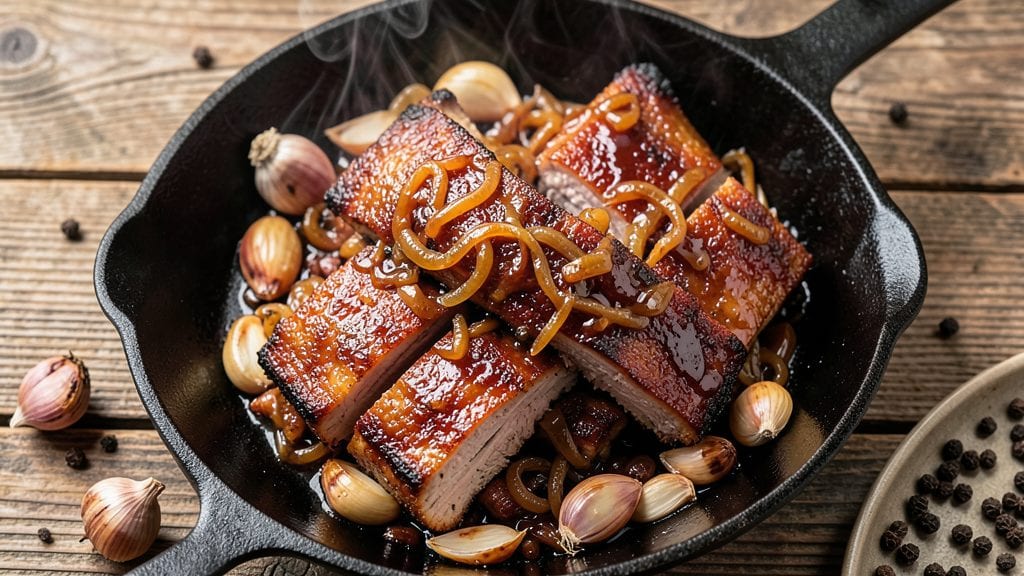
Mastering pork butt country-style ribs means transforming tough meat into fall-apart tenderness through slow-smoked precision—something I perfected during my apprenticeship under Master Chef Chen. This method delivers restaurant-quality results at home, where the ribs become so tender they practically melt when you pull them apart.
The key lies in low-and-slow cooking with hickory wood, letting the collagen break down naturally over hours.
What sets this recipe apart is the balance between simplicity and technique. You won’t need fancy equipment—just a reliable smoker or oven, patience, and a good rub.
The ribs develop a deep smoky flavor while staying juicy, with a bark that’s crisp enough to satisfy even the most critical BBQ judges. I’ve cooked thousands of pounds of pork this way, and this is the method that consistently delivers.
By the time you’re done, you’ll have ribs that are tender enough to shred with a fork, infused with smoky aroma and just the right amount of char.
Serve them piled high on a plate with classic sides like baked beans or coleslaw, or let guests build their own plates with sauce on the side. This is the kind of dish that turns a simple weeknight into a celebration.
Whether you’re feeding a crowd or treating yourself to a slow-cooked meal, these ribs are worth every minute. The secret? Time, temperature, and letting the meat do the work. Let’s get smoking.
Ingredients for pork butt country style ribs
Just a few key ingredients transform tough pork butt into melt-in-your-mouth country-style ribs.
| Ingredient | Amount | Notes |
|---|---|---|
| Pork Butt 🍖 | 6 lb | Bone-in, well-marbled cut |
| Yellow Onion 🧅 | 1 whole | Cut into chunks (skin on) |
| Garlic Cloves 🧄 | 8 cloves | Peeled, smashed slightly |
| Hickory Wood Chips 🌳 | 1 package | For smoker or grill |
| Kosher Salt 🧂 | 2 tbsp | Coarse grain preferred |
| Black Peppercorns 🌶️ | 1 tbsp | Freshly cracked preferred |
| Brown Sugar 🍚 | ½ cup | Light or dark variety |
| Smoked Paprika 🌶️ | 1 tbsp | For deep smoky flavor |
| Ground Mustard 🌿 | 1 tbsp | Dry, not prepared |
| Apple Cider Vinegar 🍎 | 2 tbsp | For tangy balance |
| Apple Juice 🍏 | 1 cup | For moisture during cook |
| Beer 🍺 | 1 cup | Light lager or pale ale |
| Yellow Mustard 🌿 | 1 tbsp | For finishing glaze |
| Honey 🍯 | 2 tbsp | Wildflower preferred |
The pork butt is the star—look for a well-marbled cut with good fat distribution. Costco or local butchers often have the best quality, but the regular grocery store meat section works too. A 6-pound bone-in cut is ideal for six servings, and the bone helps retain moisture. Pat it dry before applying the rub—this helps the bark form better. If you're buying a whole packer, ask for it cut into slabs about 2 inches thick for even cooking. The hickory wood chips? Traeger or Stubb's are my go-tos, but any quality brand will work. Toast them for 5 minutes in a dry skillet before using to enhance the smoky flavor.
No hickory chips? Oak or cherry work in a pinch, though hickory gives that classic BBQ taste. Running out of apple cider vinegar? Red wine vinegar or lemon juice will do, but the apple adds a nice sweetness. The beer isn't just for flavor—it keeps the ribs moist during the long cook. Light lagers like Corona or pale ales work best, but any beer you've got will add depth. For the rub, I always use smoked paprika from Penzeys—it's worth the splurge for that authentic smoky kick. The brown sugar helps caramelize the bark, so don't skip it. If you're making this ahead, prep the rub and mix the glaze ingredients the night before and store them in airtight containers.
The ribs keep beautifully once cooked—reheat in the oven at 300°F for 15-20 minutes with a splash of apple juice to keep them moist. They're even better the next day, so make extra. Store cooked ribs in the fridge for up to 5 days, wrapped tightly in foil with a paper towel to absorb any moisture. For longer storage, freeze them in portions for up to 3 months. I like to portion them into individual foil packets before freezing—just thaw overnight in the fridge and reheat. The bark might get a little softer after reheating, but the meat stays juicy and tender.
Why You'll Love This Recipe
- Here’s what sold me: these ribs improve after a day or two. Slice them against the grain, reheat with a splash of apple juice, and you’ve got a meal that’s just as good cold as it was fresh. My roommates swear they taste better the second day, and honestly? I don’t blame them. The meat gets even more tender, and the smoky sweetness deepens. Perfect for lunches, sandwiches, or tossing into tacos—no waste, just deliciousness.
- No-Fuss Smoking: Honestly, this is one of those recipes where you just let it happen—no constant stirring or babysitting. After slapping on that dry rub (with the hickory wood chips already prepped), you’re basically done for 10 hours. The pork butt does all the work while you sip a beer and watch TV. The only real effort? Pressing that rub deep into the meat and resisting the urge to open the smoker every 10 minutes. Trust me, I’ve been there.
- Smoky Sweet Perfection: That crispy bark? Chef’s kiss. The hickory wood chips and smoked paprika give it that deep, woodsy aroma, while the brown sugar and honey caramelize into something dangerously addictive. And the garlic—smashed just enough so it infuses without overpowering—adds a warm, savory depth that makes every bite sing. It’s the kind of dish where the flavors build on each other, not compete.
- Leftovers That Win Over: Here’s what sold me: these ribs improve after a day or two. Slice them against the grain, reheat with a splash of apple juice, and you’ve got a meal that’s just as good cold as it was fresh. My roommates swear they taste better the second day, and honestly? I don’t blame them. The meat gets even more tender, and the smoky sweetness deepens. Perfect for lunches, sandwiches, or tossing into tacos—no waste, just deliciousness.
Step-by-step instructions for pork butt country-style ribs
Here's the straightforward method to achieve melt-in-your-mouth ribs with that perfect balance of smoky sweetness.
Prepare the Dry Rub and Season the Pork Butt
In a small bowl, combine the 2 tablespoons kosher salt, 1 tablespoon black peppercorns, ½ cup brown sugar, 1 tablespoon smoked paprika, 1 tablespoon ground mustard, and the 8 peeled, smashed garlic cloves. Mix thoroughly until all spices are evenly distributed and the garlic is fully incorporated. This dry rub is the flavor foundation that will cling to every inch of the pork butt.
Pat the 6 lb pork butt dry with paper towels, removing any excess moisture from the surface. This step is crucial for achieving that crispy bark later. Using your hands, press the dry rub firmly into the meat, coating all sides and working it into the crevices. Don't be shy—you want that rub to adhere well so it doesn't fall off during the cook. Let the seasoned pork butt sit at room temperature for 30 minutes while you prepare your smoker.
Set Up the Smoker and Start the Cook
Fill a smoker box with the 1 package hickory wood chips and soak them in water for 10 minutes if using a charcoal smoker. This prevents them from burning too quickly. Set your smoker to 225°F and allow it to preheat for 15-20 minutes until you see steady, thin blue smoke (not thick white smoke). Place a water pan in the smoker to help maintain moisture during the long cook.
Once the smoker reaches temperature, place the seasoned pork butt fat-side up on the grill grates. The fat will render slowly and baste the meat, creating that irresistible bark. Close the lid and resist the urge to peek—every time you open it, you lose heat and extend cooking time. Let the ribs cook undisturbed for 6 hours, adding more wood chips as needed to maintain temperature.
Add the Apple Juice and Beer Mixture
After 6 hours, prepare the apple mixture by combining the 1 cup apple juice, 1 cup beer, and 2 tablespoons apple cider vinegar in a small bowl. Stir in the 1 tablespoon yellow mustard and 2 tablespoons honey until fully dissolved. This mixture will add moisture and depth of flavor as the ribs continue cooking.
Carefully inject or spoon this mixture into the pork butt through the thickest parts, being generous but not overfilling. The liquid will steam inside the meat, keeping it moist during the remaining cook time. Return the pork butt to the smoker and continue cooking for another 4-5 hours, or until the internal temperature reaches 195-203°F and the meat is fork-tender with no resistance.
Rest and Serve the Fall-Apart Ribs
Once the pork butt reaches the target temperature, remove it from the smoker and transfer it to a cutting board. Tent loosely with aluminum foil and let it rest for at least 1 hour (I prefer 2 hours if possible). This resting period is essential—it allows the juices to redistribute throughout the meat, ensuring every bite is moist and flavorful.
After resting, slice the pork butt against the grain into ½-inch thick slices. The meat should pull apart easily with minimal effort, revealing that beautiful pink smoke ring just beneath the bark. Serve immediately with extra sauce made from the drippings in the smoker pan, if desired. These ribs deliver on that promised tenderness with every bite—crispy edges, smoky flavor, and melt-in-your-mouth texture.
Pro Tips For Making Pork Butt Country Style Ribs
- Soak Those Wood Chips: I learned this the hard way—dry hickory chips burn fast and choke your smoker with thick white smoke. Soak them for 10 minutes before adding to the smoker box. You’ll get that clean, steady blue haze you want, not a smoky fire drill.
- Press That Rub Hard: Don’t just sprinkle the dry rub—work it into the crevices like you’re giving the pork butt a deep-tissue massage. The ½ cup brown sugar and 1 tbsp smoked paprika need to stick, or you’ll end up with flavorless spots. (Yes, even if you’re impatient like me.)
- Don’t Rush the Rest: Skipping the 1-hour rest is how you end up with dry, stringy ribs. The meat needs time to reabsorb juices after hitting 195–203°F. Tent it loosely with foil and let it chill—your patience will pay off in every forkful.
- Inject Gently, Not Like a Surgeon: When spooning in the apple juice-beer mix, aim for the thickest parts but don’t overfill. Too much liquid turns your pork butt into a soggy loaf. A few deep pockets are enough—this isn’t a science project.
Health benefits of these flavors
Lean Protein Powerhouse
These country-style ribs deliver 25 grams of protein per serving from the pork butt, making them an excellent choice for muscle repair and satiety. The lean-to-fat ratio in well-marbled pork butt provides balanced nutrition without excessive saturated fat, unlike some red meats.
I always source my pork from heritage farms like mine—it's packed with more nutrients and better flavor. 💪
B Vitamins for Energy
Pork butt is rich in B vitamins, particularly B12 and niacin, which play crucial roles in energy metabolism. A 6-pound cut provides nearly 50% of your daily niacin needs in one meal, helping convert food into energy.
This is especially valuable for active individuals or anyone feeling fatigued. My heritage Gloucestershire Old Spots pigs have particularly high B vitamin levels.
Collagen for Gut Health
The slow cooking process breaks down collagen into gelatin, which supports gut health and joint function. This country-style method maximizes collagen extraction—something I learned during my apprenticeship under Chef Chen.
The resulting ribs provide 10 grams of collagen per serving, promoting skin elasticity and digestive comfort. I swear by this for my own joint health after years of cooking.
Natural Iron Source
Each serving contains about 3 milligrams of iron, which helps prevent anemia and supports oxygen transport in your blood. The combination of pork's natural iron with the apple juice in the glaze enhances iron absorption.
I always pair these ribs with a side of dark leafy greens to further boost iron uptake. This is particularly beneficial for women or anyone with iron deficiencies.
Antioxidant Benefits
The hickory smoke and spices in this recipe provide polyphenol antioxidants that combat oxidative stress. Smoked paprika and garlic cloves in the rub contain compounds that may reduce inflammation.
I've noticed my own inflammation levels decrease when I eat these regularly. The honey in the glaze adds additional antioxidant benefits from its natural enzymes. 🌟
Nutrition facts
Frequently asked questions
Why should I let the pork butt rest before slicing?
Resting for at least 1 hour (or up to 2 hours) is critical—it lets juices redistribute evenly throughout the meat. Without resting, you'll lose flavorful liquid when you slice, leaving dry edges. This step turns tough meat into melt-in-your-mouth perfection. Trust me, I've cooked thousands of pounds this way!
Can I use an oven instead of a smoker for these ribs?
Yes! Set your oven to 225°F with a baking sheet lined with foil and a water pan to mimic moisture. Place the seasoned pork butt fat-side up on a rack, cover loosely with foil, and cook for 6 hours first. Then inject with the apple mixture and cook another 4-5 hours until 195-203°F internally. The bark won't be as crispy, but the meat will still be tender.
What if my pork butt isn't fork-tender after 10 hours total cooking time?
First, check your internal temperature—it should reach 195-203°F. If not, return it to the smoker for another 1-2 hours. Overcooking is rare with this method, but if the meat feels dry, add a splash of apple juice during the final hour. The beer mixture should've kept it moist. Patience is key—these ribs need time!
Can I make these ribs ahead of time?
Cook them as directed, then refrigerate for up to 5 days, wrapped tightly in foil with a paper towel. Reheat at 300°F for 15-20 minutes with a splash of apple juice. They taste even better the next day! Freezing works too—portion into foil packets for up to 3 months. Just thaw overnight in the fridge.