
Recipes/Cooking
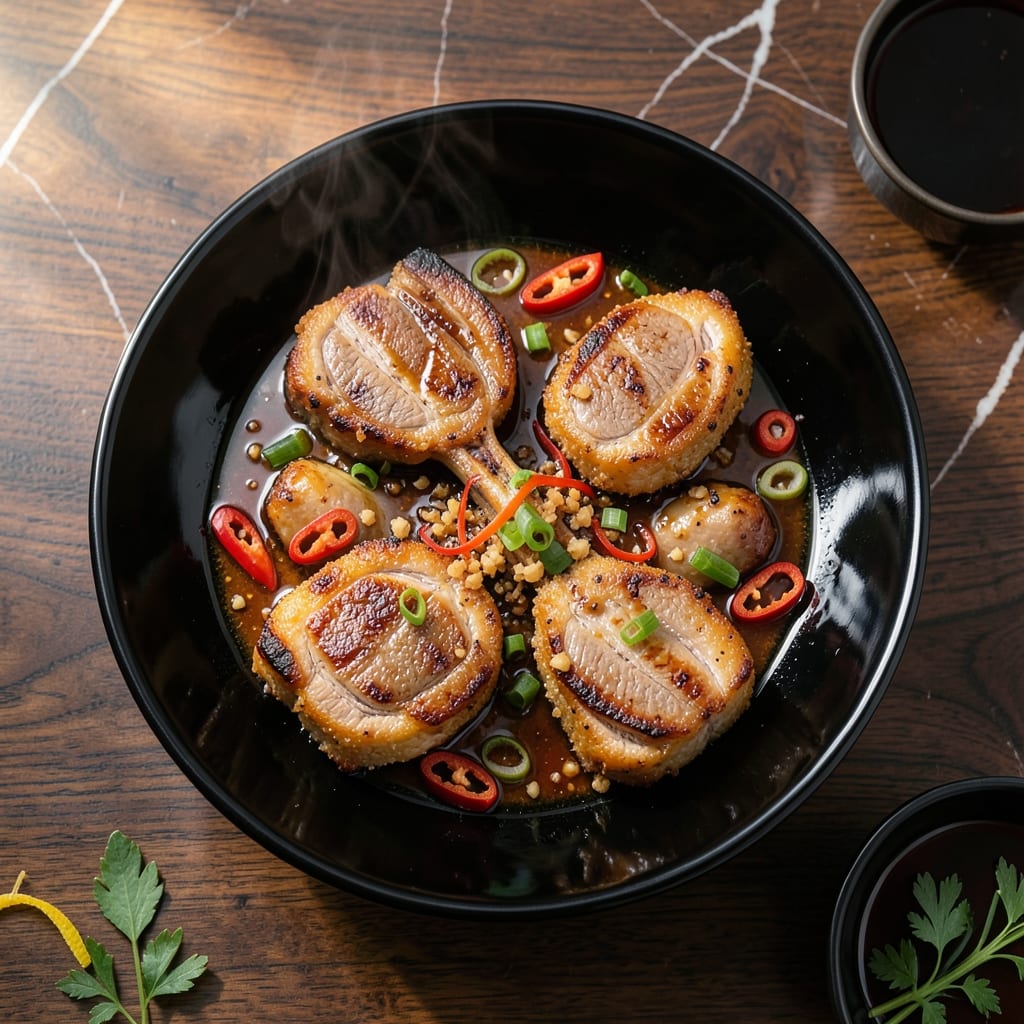
This pork chop recipe Chinese cooking delivers restaurant-quality results with traditional wok-searing techniques. My time under Master Chef Chen taught me the importance of high heat and proper marinade for tender, flavorful meat.
The secret lies in a simple soy-based marinade that tenderizes while adding deep umami richness. A hot wok ensures a perfect sear on the outside while keeping the inside juicy and succulent.
You’ll achieve pork chops with a caramelized crust and moist interior, infused with the aromatic flavors of garlic, ginger, and Chinese five-spice. Each bite offers a balance of savory, slightly sweet, and umami notes.
Serve with steamed rice and stir-fried vegetables for a complete, authentic meal. This method transforms an everyday cut into something extraordinary.
Ingredients for Pork Chop Recipe Chinese Cooking
Restaurant-quality starts with these pantry staples and fresh aromatics. Nothing obscure here.
| Ingredient | Amount | Notes |
|---|---|---|
| Bone-In Pork Chops 🥩 | 4 whole | 1-inch thick, rib or loin |
| Light Soy Sauce 🫒 | ⅓ cup | Low-sodium preferred for balance |
| Dark Soy Sauce 🫒 | 1 tbsp | For color and depth |
| Shaoxing Wine 🍶 | 2 tbsp | Dry sherry as substitute |
| Brown Sugar 🍚 | 1 tbsp | Light or dark, packed |
| Fresh Ginger 🌿 | 1 tbsp | Peeled and minced finely |
| Garlic Cloves 🧄 | 4 cloves | Minced to paste consistency |
| Chinese Five-Spice Powder 🌶️ | ½ tsp | Freshly ground if possible |
| Cornstarch 🌾 | 1 tbsp | For velveting the pork |
| Neutral Oil 🛢️ | 3 tbsp | High smoke point, like peanut or avocado |
| Green Onions 🧅 | 3 whole | Thinly sliced for garnish |
| Sesame Oil 🫒 | 1 tsp | Toasted, for finishing |
| White Pepper 🧂 | ¼ tsp | Ground, for authentic flavor |
The pork chops need to be thick-cut—1-inch bone-in is ideal for that juicy interior. Hit an Asian grocery store for the soy sauces and Shaoxing wine (or grab Kikkoman and dry sherry at regular supermarkets). Fresh ginger and garlic are non-negotiable; the pre-minced stuff in jars lacks the punch. For the five-spice, Penzeys has a great blend, but most grocery store versions work fine.
No Shaoxing wine? Dry sherry or even mirin with a pinch of salt works. Out of dark soy sauce? Add 1 tsp molasses to light soy for similar depth. The cornstarch is key for that velvet texture—don’t skip it. For the oil, peanut oil is traditional, but avocado or vegetable oil (with high smoke point) are solid backups. White pepper is worth seeking out—it’s milder than black and classic in Chinese cooking.
Marinate the pork for at least 30 minutes (or up to 4 hours in the fridge). Cooked chops keep 3-4 days refrigerated, but they’re best fresh. Reheat gently in a skillet to avoid drying them out. The ginger-garlic paste? Make extra and freeze in ice cube trays for next time.
Why You'll Love This Recipe
- One Pan Wonder: I toss the pork chops with soy sauces and Shaoxing wine, then let the oven do the work—minimal cleanup, maximum flavor.
- Sweet-Savory Magic: The brown sugar caramelizes with the dark soy sauce to create this sticky, irresistible glaze that’s honestly hard to resist.
- Weeknight Hero: Between us, this is my go-to for busy evenings. Ready in 30 minutes, and the kids actually ask for seconds.
- Budget Stretcher: Bone-in pork chops are affordable, and a little Shaoxing wine goes a long way to make it taste like a restaurant dish.
Step-by-Step Instructions for Chinese Pork Chops
Here's the method that delivers tender, flavorful chops with that signature wok-seared finish.
Velvet the Pork Chops for Maximum Tenderness
Pat the 4 whole bone-in pork chops dry with paper towels—this ensures a good sear. In a bowl, toss the chops with 1 tbsp cornstarch, 0.5 tsp Chinese five-spice powder, and 0.25 tsp white pepper until evenly coated. The cornstarch creates a protective layer that locks in juices.
Let the coated chops rest at room temperature for 10 minutes while you prep the remaining ingredients. This velveting technique is what gives Chinese-style pork its signature tender texture, even with bone-in cuts.
Prepare the Aromatic Sauce Base
In a small bowl, combine 0.33 cup light soy sauce, 1 tbsp dark soy sauce, 2 tbsp Shaoxing wine, and 1 tbsp brown sugar. Stir until the sugar dissolves completely. The dark soy adds color depth while the light soy provides saltiness.
Mince the 1 tbsp fresh ginger and 4 cloves garlic cloves to a paste-like consistency. Thinly slice the 3 whole green onions, separating the whites from the greens—you'll use both. Keep these ready by the stove; the cooking process moves quickly once it starts.
Sear and Sauce the Chops
Heat 2 tbsp neutral oil in a wok or large skillet over medium-high heat until shimmering. Add the chops and sear for 3-4 minutes per side until deep golden brown and cooked through to 145°F internal temperature. Don't crowd the pan—work in batches if needed.
Remove the chops to a plate. In the same pan, add the remaining 1 tbsp neutral oil and sauté the ginger, garlic, and green onion whites for 30 seconds until fragrant. Pour in the sauce mixture and let it bubble for 1 minute until slightly thickened.
Finish and Garnish
Return the chops to the pan, spooning the sauce over them. Cook for an additional 1-2 minutes to let the flavors meld. The sauce should reduce to a glossy coating that clings to the meat.
Transfer to a serving platter and drizzle with 1 tsp sesame oil. Garnish with the reserved green onion greens. The sesame oil adds a nutty aroma that completes the dish, while the green onions provide a fresh contrast to the rich, umami-packed chops.
Pro Tips For Making Pork Chop Recipe Chinese Cooking
- Score the Fat: I learned this the hard way—cutting small slits along the fat edge keeps the pork chops from curling in the pan. About 3-4 shallow cuts per chop does the trick.
- Bloom the Sauces: Heat the light and dark soy sauces with brown sugar in the pan for 30 seconds before adding the pork. This builds a deeper, stickier glaze that clings to the meat.
- Skip the Overcrowding: After burning three batches, I finally figured out that searing just two chops at a time in a hot pan guarantees a proper crust without steaming them.
- Deglaze with Wine: Once the chops are out, pour in 2 tablespoons of Shaoxing wine and scrape up those browned bits—sounds weird, but it works for an instant flavor boost in the sauce.
Creative Variations of pork chop recipe chinese cooking
Sweet and Sour Twist
Swap the soy-based marinade for ½ cup pineapple juice, 2 tbsp rice vinegar, and 1 tbsp ketchup. Add ½ cup bell pepper strips and ½ cup pineapple chunks when searing. The natural sugars caramelize beautifully, creating that classic sticky glaze. 🌟
Spicy Sichuan Style
Add 1 tbsp Sichuan peppercorns and 1 tsp chili oil to the marinade. Include 2 dried red chilies and 1 star anise pod when sautéing aromatics. The numbing heat from the peppercorns pairs perfectly with the pork's richness.
Black Pepper Garlic
Replace five-spice with 1 tbsp coarsely ground black pepper. Double the garlic to 8 cloves and add 2 tbsp oyster sauce to the marinade. This Cantonese-style version highlights bold, savory flavors I learned from Chef Chen.
Honey Soy Glaze
Mix 2 tbsp honey with the soy sauces in the marinade. After searing, deglaze the pan with ¼ cup water to create a glossy honey-soy reduction. Drizzle extra glaze over the chops before serving for added shine.
Herb Crusted
Press a mix of 2 tbsp chopped cilantro and 1 tbsp toasted sesame seeds onto the chops before searing. The herbs add freshness that cuts through the umami. Garnish with extra cilantro for a vibrant finish.
Nutrition Facts
Frequently Asked Questions
Can I use boneless chops instead?
Yes, but reduce cooking time to 2-3 minutes per side since they cook faster. Bone-in adds flavor and keeps meat moist, but boneless works in a pinch.
Why do we use cornstarch on the pork?
The cornstarch creates a velvet-like coating that locks in juices and helps achieve that signature tender texture. It also promotes better browning during searing.
What if my sauce is too thin?
Simmer uncovered for 1-2 extra minutes to thicken. For quick fixes, mix ½ tsp cornstarch with 1 tbsp water and stir into the sauce.
Can I make this without a wok?
Use a heavy skillet with high sides to contain splatters. Cast iron works perfectly for even heat distribution.