
Recipes/Cooking
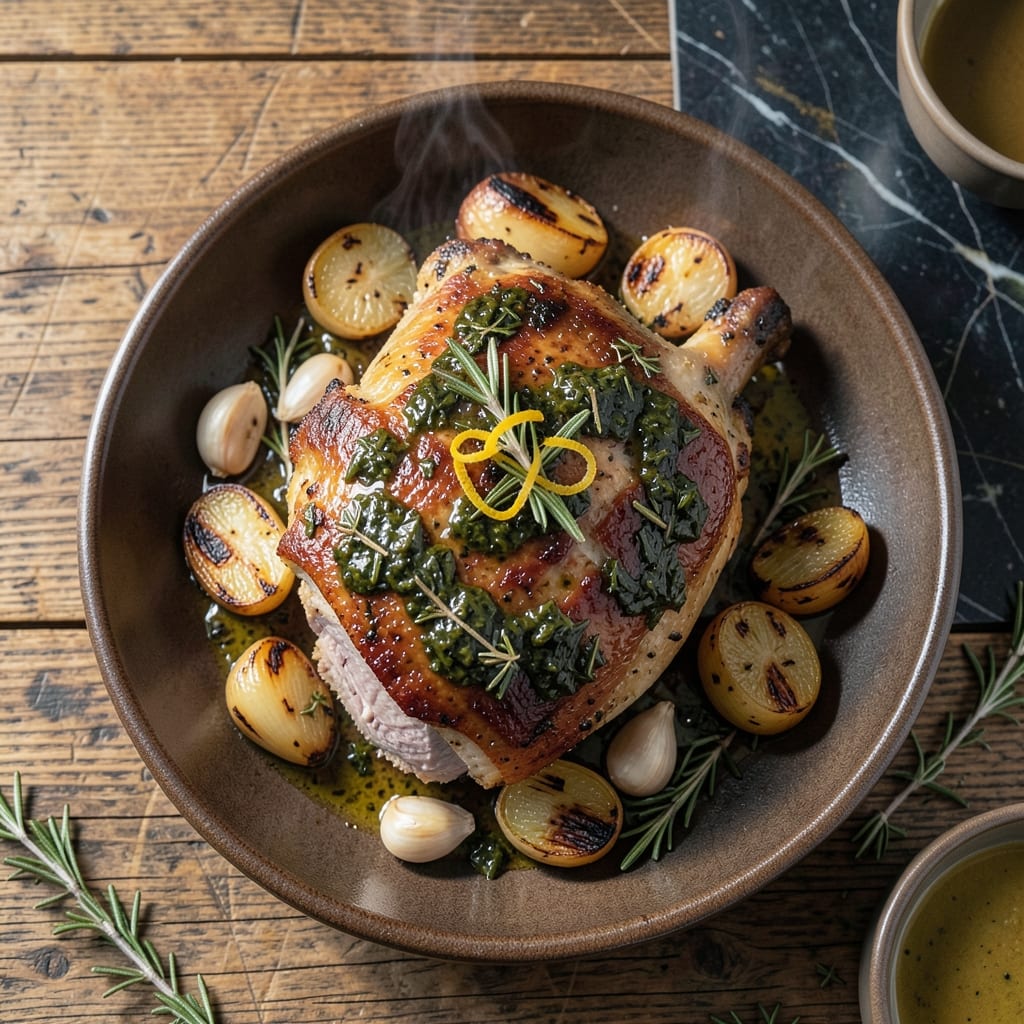
This pork forequarter roast recipe delivers slow-roasted succulence with a crisp herb crust. I developed this method working with heritage breeds at my Georgia farm, perfecting the balance between tender meat and caramelized exterior.
The key is a low oven temperature—275°F—which transforms this economical cut into melt-in-your-mouth perfection. A simple herb rub with rosemary, thyme, and garlic creates an aromatic crust that seals in juices.
After 4-5 hours of slow roasting, you'll have beautifully tender pork with a golden-brown exterior. The meat pulls apart effortlessly, while the herb crust adds texture and depth to every bite.
Let it rest before carving to redistribute the juices. This cut deserves the patience it requires, and the results speak for themselves.
Ingredients for pork forequarter roast
Heritage breed pork, fresh herbs, and slow heat transform this economial cut into something extraordinary.
| Ingredient | Amount | Notes |
|---|---|---|
| Pork Forequarter Roast 🐖 | 4 lb | Bone-in, skin-on for best results |
| Kosher Salt 🧂 | 2 tbsp | Diamond Crystal preferred for even seasoning |
| Freshly Ground Black Pepper 🌶️ | 2 tsp | Coarse grind for texture |
| Fresh Rosemary 🌿 | 3 tbsp | Finely chopped, stems removed |
| Fresh Thyme Leaves 🍃 | 2 tbsp | Stems discarded, loosely packed |
| Garlic Cloves 🧄 | 8 cloves | Minced for maximum flavor infusion |
| Olive Oil 🫒 | ¼ cup | Extra-virgin for herb rub binding |
| Dijon Mustard 🟡 | 2 tbsp | Smooth, not whole grain |
| Yellow Onion 🧅 | 1 whole | Large, quartered for roasting pan |
| Carrots 🥕 | 3 whole | Peeled, cut into 2-inch pieces |
| Celery Stalks 🌿 | 3 pieces | Cut into 2-inch pieces for aroma |
| Chicken Stock 💧 | 1 cup | Low-sodium preferred for control |
| Red Wine 🍷 | ½ cup | Dry variety like Cabernet Sauvignon |
The pork forequarter is the star here. Source from a local farm if possible—heritage breeds like Berkshire or Duroc have incredible marbling (the fat equals flavor). I get mine from White Oak Pastures in Georgia. Look for a roast with the skin on; it crisps up beautifully. Bone-in adds depth to the pan juices. Ask your butcher to leave the fat cap intact—it self-bastes as it roasts.
No fresh rosemary or thyme? Dried works at one-third the amount, but fresh makes a difference. Out of Dijon? Whole grain mustard adds texture, or use 1 tbsp yellow mustard plus 1 tsp dry mustard. For the wine, any bold, dry red works—Merlot, Zinfandel, even a cheap table wine. No alcohol? Additional chicken stock with 1 tbsp balsamic vinegar mimics the depth.
The roast can rest 1-2 hours before carving (it’ll stay warm). Leftovers? Shred for sandwiches or tacos—keeps 4-5 days refrigerated. For longer storage, freeze portions in their juices for up to 3 months (the fat may separate but reheats beautifully).
Why You'll Love This Recipe
- Set and Forget: I rub the roast with salt, pepper, rosemary, and thyme, pop it in the oven, and walk away—no babysitting required.
- Herb-Crusted Bliss: The rosemary and thyme form this crazy aromatic crust that makes every bite taste like a Sunday dinner.
- Feeds a Crowd: One forequarter roast, and suddenly I’ve got enough for sandwiches, tacos, and a proper sit-down meal.
- Leftovers for Days: Honestly, the sliced pork tastes even better the next day in a sandwich with a little mustard.
Step-by-step instructions for pork forequarter roast
Here's my method for achieving fall-off-the-bone tenderness with a fragrant herb crust.
Prepare the Herb Rub and Score the Roast
Combine the 2 tbsp Kosher Salt, 2 tsp Freshly Ground Black Pepper, 3 tbsp Fresh Rosemary, 2 tbsp Fresh Thyme Leaves, and 8 cloves minced Garlic Cloves in a bowl. Stir in the 0.25 cup Olive Oil and 2 tbsp Dijon Mustard until it forms a thick paste.
Pat the 4 lb Pork Forequarter Roast dry with paper towels. Using a sharp knife, score the skin in a crosshatch pattern, cutting about ¼ inch deep. This helps the fat render and the rub penetrate. Rub the herb mixture all over the pork, pressing it into every crevice and the scored skin.
Prep the Roasting Pan and Vegetables
Arrange the 1 whole Yellow Onion (quartered), 3 whole Carrots, and 3 pieces Celery Stalks in the bottom of a roasting pan. These will create a natural roasting rack and infuse the meat with additional flavor as it cooks.
Place the seasoned pork forequarter roast on top of the vegetables, skin-side up. Pour 1 cup Chicken Stock and 0.5 cup Red Wine into the pan, being careful not to wash off the herb rub. Let the roast sit at room temperature for 30 minutes while the oven preheats.
Roast Low and Slow for Maximum Tenderness
Preheat your oven to 325°F. Roast the pork uncovered for 2.5 hours. Baste the roast with the pan juices every 45 minutes to keep the meat moist and build layers of flavor.
You’ll know it’s progressing well when the skin starts to crisp and the herb rub forms a golden-brown crust. The house will smell incredible at this point—resist the urge to turn up the heat. Low and slow is the key to breaking down the connective tissue in this cut.
Check for Doneness and Rest
After 2.5 hours, check the internal temperature with a meat thermometer. You’re aiming for 195-200°F for pull-apart tenderness. If it’s not there yet, return it to the oven and check every 20 minutes.
Once it reaches temperature, transfer the pork forequarter roast to a cutting board and tent it loosely with foil. Let it rest for at least 20 minutes—this allows the juices to redistribute, ensuring every bite is moist and flavorful.
Serve with Pan Juices
While the pork rests, skim excess fat from the pan juices. Strain the liquid into a saucepan and simmer for 5 minutes to reduce slightly. Slice the pork against the grain and arrange it on a platter.
Drizzle the reduced pan juices over the top for extra moisture and flavor. The meat should be so tender it nearly falls apart with a gentle nudge, and the herb crust will add a fragrant, savory note to each bite. Serve with roasted vegetables or mashed potatoes to soak up the juices.
Pro Tips For Making Pork Forequarter Roast
- Start High, Finish Low: Sear the roast at 450°F for 20 minutes to get a deep brown crust, then drop the heat to 325°F to cook through without drying it out. I learned this the hard way after ruining a cut with low-and-slow only.
- Pat It Dry: Blot the pork forequarter with paper towels before seasoning—moisture is the enemy of a good crust, and rosemary and thyme stick better to dry meat.
- Don’t Skip the Rest: Let the roast rest for at least 15 minutes under foil after pulling it from the oven—it keeps the juices from pooling on your cutting board instead of in the meat.
- Use Fresh Herbs: Dried rosemary and thyme work in a pinch, but fresh leaves bruised between your fingers release way more flavor into the crust. Sounds fussy, but it’s worth the effort.
Pro cooking tips for this recipe
Thermometer Precision
Invest in a quality instant-read thermometer like ThermoWorks Thermapen. The difference between 195°F and 200°F is huge with this cut—195°F gives sliceable meat, while 200°F delivers that fall-apart texture I love. Check multiple spots, avoiding bone and fat pockets. 🌡️
Scoring Technique
When scoring the skin, use a sharp chef's knife and cut in a diamond pattern. Go deep enough to penetrate the fat cap but not into the meat. This creates more surface area for the herb rub and helps render the fat evenly.
Basting Strategy
Every 45 minutes, I pull the roast out and baste with pan juices. Use a silicon basting brush—it won't melt like plastic ones. The Dijon mustard in our rub helps create a beautiful glaze as it caramelizes.
Resting Importance
Never skip the 20-minute rest. This is when the magic happens—the juices redistribute, and the collagen fully breaks down. Tent loosely with foil to keep it warm. I learned this the hard way during my first BBQ championship in Charleston. 💡
Pan Juice Reduction
After removing the pork, pour the pan juices into a fat separator. I use a OXO Good Grips model. Skim off the fat, then reduce the liquid by half over medium-high heat for a rich, concentrated sauce to drizzle over the sliced pork.
Carving Method
Slice against the grain in ½-inch thick pieces. The forequarter has distinct muscle groups running in different directions, so rotate your cutting board as needed. My 12-inch Wüsthof carving knife makes this effortless.
Nutrition facts
Frequently asked questions
What is a pork forequarter roast?
This cut comes from the pig's front shoulder and includes part of the neck and upper front leg. It's a flavorful, economical option with good marbling, though it requires slow cooking to become tender.
Why cook it at 325°F instead of higher heat?
Low heat breaks down connective tissue gently without drying the meat. Higher temps would make the exterior tough before the inside cooks through. The slow process creates that melt-in-your-mouth texture.
Can I use a different herb combination?
Sage and oregano work well, or try a Cajun spice rub. The key is using 2-3 tablespoons total of fresh herbs to maintain the flavor balance with the pork's richness.
How do I know when it's done?
Use a meat thermometer - it's ready at 195-200°F. The meat should pull apart easily with a fork. Don't rely on color alone, as pork can look done before it's truly tender.