
Recipes/Cooking
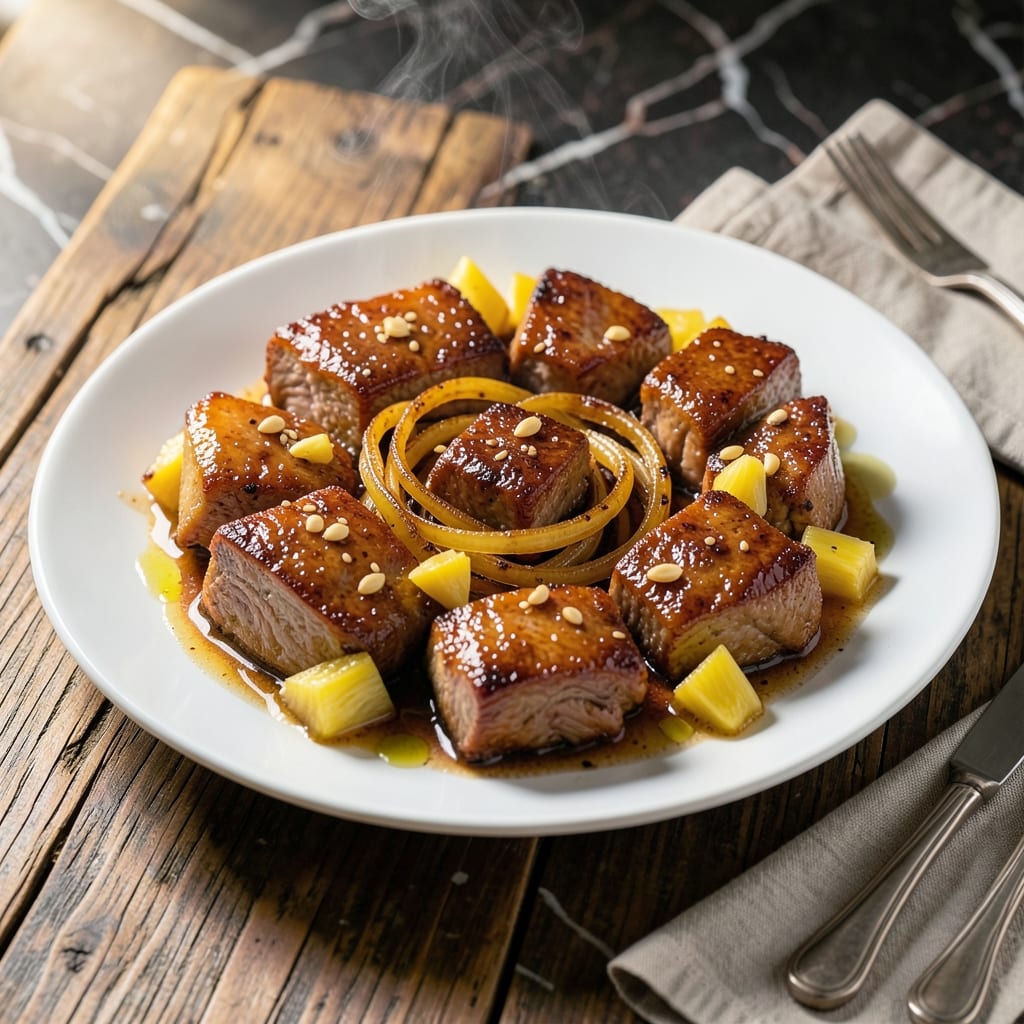
This pork hamonado pinoy cooking recipe brings Filipino comfort to your kitchen with tender meat in a sweet-savory pineapple sauce. The dish balances tangy vinegar with brown sugar for depth.
Traditional Pinoy techniques create fall-off-the-bone pork through slow simmering. Pineapple juice adds natural sweetness while soy sauce provides umami richness.
The final glaze reduces into a sticky coating that clings perfectly to each piece. Serve with steamed rice to soak up the flavorful sauce.
This authentic version stays true to family recipes passed down through generations. Simple ingredients yield impressive results every time.
Ingredients for Pork Hamonado Pinoy Cooking
Traditional Filipino ingredients create this sweet-savory pineapple-glazed pork dish with deep, balanced flavors.
| Ingredient | Amount | Notes |
|---|---|---|
| Pork Shoulder 🥩 | 2 lb | Cut into 2-inch cubes, bone-in preferred |
| Pineapple Juice 🍍 | 2 cups | 100% juice, no added sugar |
| Brown Sugar 🍚 | ¾ cup | Light or dark, packed |
| Soy Sauce 🫒 | ½ cup | Filipino brand preferred, like Silver Swan |
| White Vinegar 💧 | ½ cup | Standard 5% acidity |
| Garlic Cloves 🧄 | 8 cloves | Peeled and minced |
| Yellow Onion 🧅 | 1 whole | Medium, thinly sliced |
| Bay Leaves 🍃 | 3 pieces | Dried, whole |
| Black Peppercorns 🌶️ | 1 tsp | Lightly crushed |
| Ground Black Pepper 🌶️ | ½ tsp | Freshly ground for garnish |
| Salt 🧂 | 1 tsp | Diamond Crystal kosher preferred |
| Pineapple Chunks 🍍 | 1 cup | Fresh or canned in juice, drained |
| Vegetable Oil 🫒 | 2 tbsp | For searing pork |
The pork shoulder is non-negotiable for authentic texture—bone-in gives the richest flavor and stays juicy through the long simmer. Filipino markets or Asian grocery stores will have the best cuts, but any well-marbled pork shoulder from Whole Foods or Costco works. Look for pieces with good fat distribution; trim excess only if absolutely necessary. Pineapple juice should be 100% with no added sugar for proper balance.
No pineapple juice? Crushed pineapple strained works in a pinch, though it won’t be as smooth. Coconut vinegar at half the amount can replace white vinegar for a different but still authentic tang. Soy sauce is flexible—Silver Swan or Datu Puti for authenticity, but any soy sauce will do. Brown sugar can be swapped for muscovado sugar (the good stuff, not the pre-shredded kind) for deeper molasses notes.
The dish tastes even better the next day. Store leftovers in an airtight container for up to 5 days in the fridge or freeze for 3 months. Reheat gently on the stove with a splash of water to revive the sauce. Pineapple chunks can be prepped ahead—just keep them in juice to prevent browning.
Why You'll Love This Recipe
- One Pot Wonder: I just toss the pork shoulder with pineapple juice, brown sugar, soy sauce, and vinegar in a pot and let it simmer—no complicated steps.
- Sweet-Tangy Magic: The combination of brown sugar and pineapple juice creates this ridiculously good balance of sweet and tangy that coats every bite.
- Feeds the Fam: Between us, this dish is my go-to for family dinners, Birthdays, and even potlucks because everyone, even the picky eaters, asks for seconds.
- Budget Stretcher: Pork shoulder is affordable, and the sauce ingredients are pantry staples, so I get a flavor-packed meal without breaking the bank.
Step-by-Step Instructions for Pork Hamonado
Master the balance of sweet and tangy with this authentic Filipino method for perfect pork every time.
Sear and Brown the Pork Shoulder
Heat the 2 tbsp Vegetable Oil in a large pot over medium-high heat. Add the 2 lb Pork Shoulder cubes in batches, ensuring not to overcrowd the pot. Sear each piece until all sides develop a deep golden-brown crust, about 5-6 minutes per batch.
This initial browning creates a flavor foundation through the Maillard reaction. Remove the pork and set aside. The rendered fat in the pot will enhance the sauce's depth, so don't discard it.
Build the Aromatic Base
In the same pot, add the 1 whole Yellow Onion and sauté for 2-3 minutes until translucent. Introduce the 8 cloves Garlic Cloves and cook for 30 seconds until fragrant but not browned.
Add the 3 pieces Bay Leaves and 1 tsp Black Peppercorns, stirring to release their aromas. This step develops the aromatic backbone that will infuse the dish with complex, layered flavors characteristic of Filipino cuisine.
Create the Pineapple-Glazed Sauce
Pour in the 0.5 cup Soy Sauce, 0.5 cup White Vinegar, 2 cups Pineapple Juice, and 0.75 cup Brown Sugar. Stir until the brown sugar fully dissolves, creating a glossy, amber-colored liquid.
Bring the mixture to a gentle simmer, then return the pork to the pot. The liquid should just cover the meat. Add the 1 tsp Salt and stir to combine. This sweet-tangy sauce will reduce and thicken as the pork cooks.
Braise to Tenderness
Reduce heat to low, cover, and let the pork braise for 1.5 to 2 hours. Check occasionally and stir gently to prevent sticking. The pork is ready when it's fork-tender and the sauce has reduced to a syrupy consistency.
During the last 15 minutes of cooking, add the 1 cup Pineapple Chunks to the pot. This allows them to absorb the flavors without turning mushy. The sauce should coat the back of a spoon with a beautiful sheen.
Finish and Serve
Once the pork is tender, discard the bay leaves and adjust seasoning if needed. The sauce should balance sweet, tangy, and savory notes. Sprinkle with 0.5 tsp Ground Black Pepper for a final touch of warmth.
Transfer to a serving dish, ensuring each portion is generously coated with the glossy pineapple sauce. The pork should be melt-in-your-mouth tender with a rich, caramelized exterior. Serve hot with steamed rice to soak up every last bit of the flavorful sauce.
Pro Tips For Making Pork Hamonado Pinoy Cooking
- Simmer Don’t Boil: Keep the heat low once the pineapple juice and brown sugar go in—I learned this the hard way after my first batch turned into chewy candy instead of tender pork.
- Score the Fat: Cut shallow slits into the pork shoulder’s fat cap before braising; it lets the soy-vinegar glaze penetrate deeper and makes every bite more flavorful.
- Balance the Tang: Taste the sauce before adding all the vinegar; if the pineapple juice is extra sweet, dial back the sugar or the vinegar by a tablespoon to avoid that puckery face moment.
- Reduce the Sauce: After the pork is tender, pull it out and crank the heat to medium-high for 5-7 minutes to thicken the sauce into a glossy coat that clings instead of running off the meat.
Best Sauces and Condiments for This Recipe
Sweet Enhancements
I love drizzling extra pineapple syrup from the can over the finished dish for added sweetness. A sprinkle of toasted coconut flakes adds wonderful texture contrast. The natural sugars in pineapple caramelize beautifully during cooking. 🍍
Tangy Complements
For a brighter finish, serve with calamansi lime wedges—Filipino markets always have them. A side of pickled vegetables like atchara (pickled papaya) cuts through the richness perfectly. The acidity balances the sweetness beautifully.
Savory Boosters
I often add a dash of fish sauce (patis) to the sauce while cooking for extra umami depth. A spoonful of hoisin sauce stirred in at the end creates a more complex flavor profile. Both are traditional Pinoy pantry staples.
Spicy Kicks
For heat lovers, serve with siling labuyo (Filipino bird's eye chili) on the side. A drizzle of chili oil over the finished dish adds warmth without overwhelming the delicate pineapple glaze. I grow my own peppers for this. 🌶️
Fresh Garnishes
Fresh cilantro leaves or green onions add color and brightness. Thinly sliced red onions provide a crisp, sharp contrast. These simple garnishes elevate the presentation beautifully.
Rice Pairing
Always serve with steamed jasmine rice to soak up the incredible sauce. For special occasions, I use bagoong rice (shrimp paste rice) which adds another layer of authentic Filipino flavor. The sauce is the star here.
Nutrition Facts
Frequently Asked Questions
Can I use pork loin instead of shoulder?
Shoulder is ideal for its fat content, but loin works if you reduce cooking time to 1-1.5 hours. It may be less tender and dry out faster without the marbling.
Why does the sauce need vinegar?
The white vinegar balances the sweetness and cuts through the richness of the pork. It’s a classic Pinoy technique for achieving that signature sweet-savory-tangy flavor.
How do I prevent the sauce from burning?
Cook on low heat and stir every 15-20 minutes. If it thickens too quickly, add 1/4 cup water or pineapple juice to adjust consistency.
Can I make this in a slow cooker?
Yes! Sear the pork first, then cook on low for 6-8 hours or high for 4 hours. Add pineapple chunks in the last 30 minutes.