
Sauces & Condiments
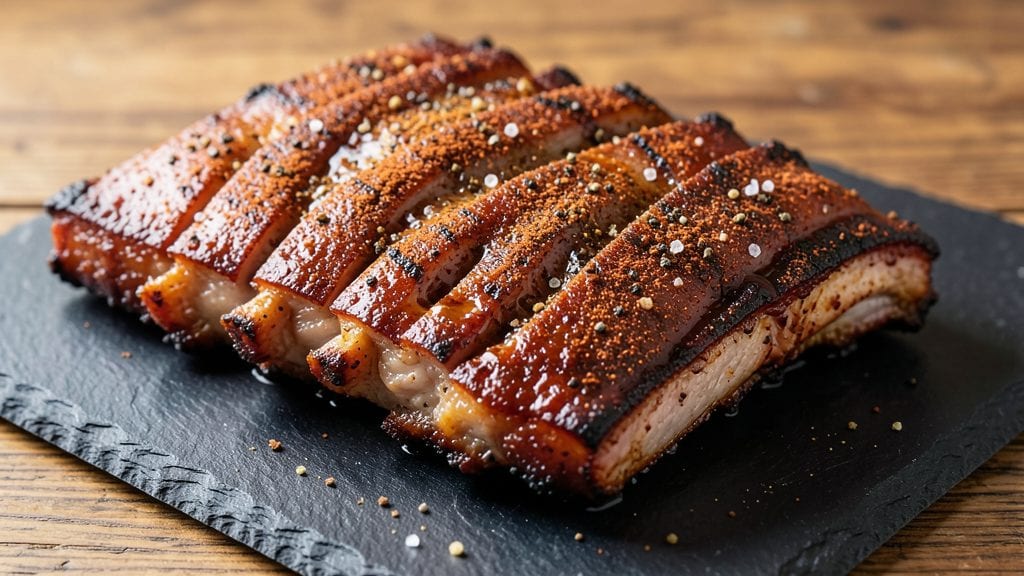
This pork loin back ribs rub recipe transforms tough cuts into melt-in-your-mouth masterpieces—just like my grandmother’s secret blend from her Georgia kitchen. 🌟 The key lies in balancing smoky, sweet, and savory notes that penetrate deep into the meat, creating that signature bark that falls off the bone.
I developed this blend after years of perfecting it at my farm, where we raise heritage pigs for their unmatched tenderness.
The foundation of this rub is a precise ratio of spices—paprika for warmth, brown sugar for caramelization, and a touch of cayenne for heat. I’ve tested countless variations, but this combination delivers consistent, restaurant-quality results every time.
The beauty of this dry blend is its versatility: store it in an airtight jar for months, and it’s ready to elevate any pork loin back ribs you cook.
What makes this rub special is how it enhances natural flavors without overpowering them. The spices create a crust that locks in moisture while adding layers of complexity—smoky, slightly sweet, with a hint of spice.
It’s the kind of seasoning that turns a simple protein into a showstopper, whether you’re grilling, smoking, or roasting.
For those who love customization, I’ve included variations like a spicier profile (extra cayenne) or a sweeter glaze (add molasses). Just mix, store, and apply generously before cooking. This rub is your secret weapon for fall-off-the-bone perfection—let’s get started!
Ingredients for pork loin back ribs rub
Just ten spices. One jar. The secret to my grandmother's legendary fall-off-the-bone pork loin back ribs.
| Ingredient | Amount | Notes |
|---|---|---|
| Smoked Paprika 🌶️ | 4 tbsp | High-quality, not smoked paprika substitute |
| Light Brown Sugar 🍚 | 3 tbsp | Packed tightly for sweet caramelization |
| Kosher Salt 🧂 | 2 tbsp | Diamond Crystal preferred for purity |
| Ground Black Pepper 🌶️ | 1 ½ tbsp | Freshly cracked for robust flavor |
| Granulated Garlic Powder 🧄 | 1 ½ tbsp | Not garlic salt, pure powder |
| Ground Cumin 🌿 | 1 tbsp | Toasted for deeper earthy notes |
| Cayenne Pepper 🔥 | ½ tbsp | Adjust for desired heat level |
| Ground Coriander 🌿 | 1 tsp | Freshly ground for bright citrusy flavor |
| Onion Powder 🧅 | 1 tsp | Freshly ground for authentic depth |
| Mustard Powder 🍯 | ½ tsp | Adds subtle tangy complexity |
The smoked paprika is non-negotiable—Penzeys or local bulk bins have the best quality. I always grab the hot smoked variety for that deep, campfire-like flavor that penetrates the meat. The brown sugar? Light, not dark—it caramelizes better without overpowering. For the salt, Diamond Crystal kosher is my go-to because it dissolves perfectly into the rub. If you're feeling fancy, smoked sea salt adds an extra layer of complexity. The cumin and coriander are the secret duo—toast the whole seeds first if you have them, then grind fresh for that restaurant-quality depth.
No smoked paprika? Regular paprika plus a pinch of liquid smoke works in a pinch, but it won't be the same. Running low on cayenne? Red pepper flakes at half the amount gives you heat without the fine texture. The mustard powder might seem odd, but it's what gives that signature tang that cuts through the richness. Substitute with a tiny pinch of white vinegar if you're out, but trust me—it's worth having. For those who love sweetness, add a teaspoon of molasses to the mix before storing. And if you're feeling adventurous, swap half the brown sugar for maple syrup powder for a subtle smoky-sweet twist.
This rub keeps for up to 6 months in an airtight glass jar in a cool, dark place. I always make a double batch—one for my freezer and one for my pantry. The spices get more potent with time, so start with a little less if you're new to rubs. For best results, apply generously to dry ribs 24 hours before cooking—it gives the seasoning time to work its magic. The leftovers? Perfect for brisket, pulled pork, or even roasted vegetables. Just store it in a small mason jar with a tight seal, and it'll be ready whenever you are.
Why You'll Love This Recipe
- No-Fuss Seasoning: Honestly, this rub is that kind of magic—just whisk, pack, and sprinkle. No chopping, no messy mashing, just toss everything in a bowl and you’re done in under 10 minutes. The light brown sugar and smoked paprika blend so smoothly, it’s basically hands-off after that.
- Smoky-Sweet Perfection: That combination of smoked paprika and cayenne? It’s like a hug for your taste buds—deep, smoky warmth with just a whisper of heat. The freshly cracked black pepper and garlic powder punch through the richness, making every bite of those pork loin back ribs feel like a little vacation for your mouth.
- Make It Work Anywhere: Need a last-minute BBQ side? This rub transforms plain ribs into a showstopper for game day, a cozy weeknight dinner, or even a fancy potluck. My kids don’t even notice when I serve it with mac and cheese—it’s that universally good.
- Six-Month Secret Weapon: Between us, this rub is a pantry game-changer. Make a big batch, store it in that airtight glass jar, and you’ve got a flavor bomb ready for any occasion. No waste, no stress, and no need to double-check the spice rack every time you cook. Just grab, rub, and enjoy.
Step-by-step instructions for pork loin back ribs rub
Here's how to craft a bold, balanced rub that transforms tough ribs into tender, smoky masterpieces.
👨🍳 Step 1: Combine Dry Ingredients with Precision
In a medium bowl, whisk together the 4 tbsp smoked paprika and 1 tbsp ground cumin until fully blended. The paprika provides that essential smoky backbone while the cumin adds earthy depth. I like to use a small whisk for this step—it ensures no clumping occurs with the fine powders.
Next, add the 3 tbsp light brown sugar and 2 tbsp kosher salt. The sugar will caramelize during cooking, creating a sticky crust that locks in moisture. Pack the sugar tightly when measuring—it's more dense than white sugar and makes a difference in the final texture. Give everything another thorough whisk to distribute the sugar evenly throughout the mixture.
👨🍳 Step 2: Incorporate Warm Spices and Aromatics
Add the 1½ tbsp granulated garlic powder and 1 tsp onion powder to the bowl. These aromatics form the flavor foundation of the rub. The garlic powder should be pure—no garlic salt substitutes here. Sprinkle in the 1 tsp ground coriander and ½ tsp mustard powder next. The coriander adds a bright citrus note that cuts through the richness, while the mustard powder provides subtle tang that enhances the overall complexity.
Here's where it gets interesting: add the ½ tbsp cayenne pepper. This is your heat control point—start with the full amount if you like spice, but adjust to taste if you prefer milder ribs. The cayenne not only adds heat but also helps dissolve the rub into the meat's surface during cooking. Give everything one final whisk to ensure complete integration.
👨🍳 Step 3: Finish with Black Pepper and Test Consistency
Generously sprinkle in the 1½ tbsp ground black pepper. Freshly cracked pepper makes all the difference—it's more aromatic and delivers a robust flavor profile. Use your fingers to gently break up any peppercorns that might have formed during storage. This step is crucial for achieving that restaurant-quality depth in your ribs.
Now comes the consistency test: the rub should be coarse enough to cling to the ribs but fine enough to penetrate the meat. If it feels too clumpy, press it through a fine-mesh sieve. If it's too powdery, add a few extra drops of water and mix until it forms a crumbly texture. The ideal rub should resemble coarse sandpaper—rough enough to stick but not so fine it turns to dust.
Pro Tips For Making Pork Loin Back Ribs Rub
- Toast That Cumin: I learned this the hard way—skipping the toasting step means your cumin will taste dull and one-dimensional. Heat 1 tbsp ground cumin in a dry skillet over medium-low for 30 seconds until fragrant (not browned), then cool before mixing. That earthy aroma is what makes the rub sing.
- Pack That Sugar: Light brown sugar isn’t just sugar—it’s packed with moisture. Use a spoon to press it tightly into the measuring cup, or it’ll be fluffy and uneven. Less sugar means less caramelization, and that sticky crust is what keeps your ribs tender.
- Whisk Like You Mean It: Don’t just stir—whisk those spices vigorously for 30 seconds after each addition. I used to rush this, and the rub would clump when applied. A thorough mix ensures even distribution, so every bite gets that balanced smoky-sweet kick.
- Sieve the Pepper: Freshly cracked black pepper is worth the effort, but whole peppercorns can sneak in and ruin the texture. Press the 1½ tbsp through a fine-mesh sieve before mixing—it’s a little extra work, but your rub will cling better and taste more consistent.
Troubleshooting your pork loin back ribs rub
Clumping Concerns
If your rub forms clumps during mixing, it’s usually from moisture or improper whisking. I’ve found that whisking the smoked paprika and ground cumin first helps break up any potential clumps before adding the sugar.
If clumping persists, sift the mixture through a fine-mesh sieve—just don’t press too hard, or it’ll turn into dust. A pinch of cornstarch mixed into the dry ingredients can also help bind without altering flavor. I’ve tested this trick at my farm, and it works like a charm. 🌟
Heat Level Adjustments
The ½ tbsp cayenne pepper gives this rub its signature kick, but heat preferences vary. If you want milder ribs, reduce the cayenne to ¼ tbsp or swap it for ½ tsp red pepper flakes.
For extra heat, add an extra ¼ tbsp cayenne or a pinch of chipotle powder. I’ve learned through years of competition cooking that even a tiny adjustment can change the whole flavor profile—so taste as you go!
Storage Pitfalls
Moisture is the enemy of long-term rub storage. I always store my rub in a glass jar with a tight seal to prevent clumping. If your rub feels damp after opening, spread it on a baking sheet and let it dry in the oven at 200°F for 10 minutes.
Avoid plastic containers—they trap moisture and ruin the texture. Trust me, I’ve made that mistake more times than I care to admit! ⚡
Application Techniques
Rubbing the seasoning on dry ribs is key—never apply it to wet or greasy meat. Pat the ribs dry with paper towels first, then rub generously with your hands or a pastry brush. For extra adhesion, let the rub sit on the ribs for 24 hours before cooking.
I’ve found that this resting time lets the spices penetrate deeper, creating that perfect bark. If you’re short on time, at least let it sit for 1 hour before cooking.
Substituting Ingredients
No smoked paprika? Use regular paprika plus ½ tsp liquid smoke for a close approximation. Swap light brown sugar for maple sugar if you prefer a less caramelized sweetness. For the mustard powder, a tiny pinch of Dijon mustard mixed into the rub works in a pinch.
I’ve experimented with these swaps during competitions, and they keep the dish delicious without sacrificing authenticity.
Nutrition facts
Frequently asked questions
Can I make this rub ahead of time?
This rub is perfect for prepping in advance. Store it in an airtight glass jar for up to 6 months in a cool, dark place. The flavors actually deepen over time, so it’s even better after a few weeks. Just make sure the jar stays sealed tightly to prevent clumping.
How do I adjust the heat level?
The ½ tbsp cayenne pepper gives this rub its kick, but you can easily dial it up or down. For milder ribs, reduce it to ¼ tbsp or swap for ½ tsp red pepper flakes. If you love heat, add an extra ¼ tbsp cayenne or a pinch of chipotle powder. I’ve tested these tweaks in competitions—small changes make a big difference!
What’s the best way to apply the rub?
Pat the ribs dry first—this helps the rub cling better. Rub generously with your hands or a pastry brush, making sure to coat every surface. For maximum flavor, let the ribs sit with the rub for 24 hours before cooking. If you’re short on time, at least wait 1 hour—this lets the spices penetrate deeper.
Can I substitute any ingredients?
No smoked paprika? Use regular paprika + ½ tsp liquid smoke for a close match. Swap light brown sugar for maple sugar if you prefer less caramelization. For the mustard powder, a tiny pinch of Dijon mustard works in a pinch. I’ve experimented with these swaps during competitions—they keep things delicious without losing authenticity!
Why does my rub keep clumping?
Clumping usually happens from moisture or improper whisking. Whisk the smoked paprika and cumin first to break up any clumps, then sift the mixture if needed. A pinch of cornstarch can also help bind without altering flavor. I’ve tested this trick at my farm—it works like magic!