
Main Courses
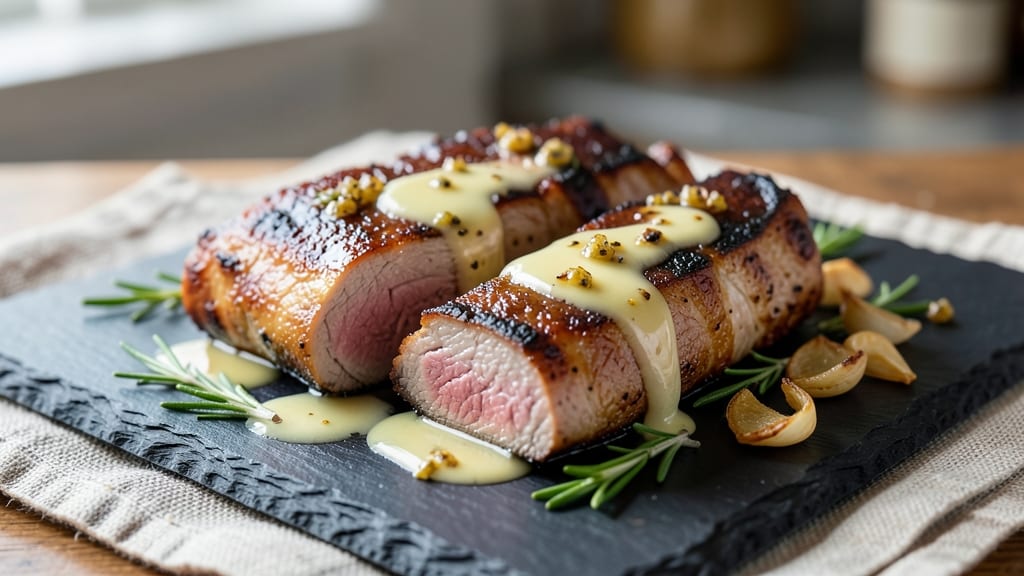
Mastering bone-in pork loin center-cut rib chops transforms weeknight dinners into showstopping meals. Growing up in Georgia, I learned pork’s potential from my grandmother’s cast-iron skillet—now I’m sharing the precise method for achieving that juicy center and caramelized crust every time.
The secret lies in the thick, flavorful center cut and bone-in technique that retains moisture while building depth of flavor.
This recipe demands respect for the meat’s natural structure: a dry brine overnight ensures seasoning penetrates deeply, while high-heat searing creates that coveted crust. We’ll use a reverse-sear approach for larger chops—starting low and slow before finishing with a screaming-hot cast iron pan.
That bone-in element adds another layer of richness, turning what could be a simple protein into a centerpiece worthy of a family gathering.
By the final plate, you’ll have perfectly cooked chops with a deep mahogany crust that gives way to tender, pink centers—each bite delivering that perfect balance of texture and flavor.
The bone remains intact, adding to the visual appeal and keeping juices locked in. This isn’t just dinner; it’s a technique that elevates your cooking game permanently.
Pair these chops with roasted heritage potatoes or a simple herb butter sauce to complete the meal. The method scales beautifully whether you’re cooking for two or feeding a crowd. Let’s get started—your taste buds will thank you.
Ingredients for pork loin center cut rib chops bone in
Four bone-in chops, a handful of pantry staples, and the secret to restaurant-quality crust at home.
| Ingredient | Amount | Notes |
|---|---|---|
| Bone-In Pork Loin Center-Cut Rib Chops 🍖 | 4 whole | 1.5-2 inches thick, center-cut |
| Kosher Salt 🧂 | 2 tbsp | Diamond Crystal preferred, coarse grain |
| Freshly Ground Black Pepper 🌶️ | 1 tsp | Freshly cracked for maximum flavor |
| Extra-Virgin Olive Oil 🫒 | 2 tbsp | High smoke point for searing |
| Unsalted Butter 🧈 | 4 tbsp | Full-fat, cold for basting |
| Garlic Cloves 🧄 | 4 cloves | Smashed for infusion, peeled |
| Fresh Rosemary 🌿 | ¼ cup | Chopped, fresh sprigs preferred |
| Fresh Thyme 🌿 | ⅛ cup | Leaves only, stems removed |
| Yellow Onion 🧅 | 1 whole | Thinly sliced, yellow or red |
| Apple Cider Vinegar 🍎 | 1 tbsp | For brining liquid balance |
| Heavy Cream 🥛 | ¼ cup | Full-fat for basting sauce |
| Fresh Parsley 🌿 | ⅛ cup | Chopped, for garnish |
The chops are non-negotiable—center-cut rib chops with bone-in from the butcher's case make all the difference. Look for thick cuts (1.5-2 inches) with good marbling. Whole Foods or your local butcher will have them cut to order, but Costco sells them pre-packaged too. If you're buying a whole loin, ask for it to be cut into chops with the bone intact. The bone adds flavor and keeps the meat juicy, so don't skip it. For the herbs, fresh is non-negotiable—dried just won't cut it here. I grab mine from the grocery store's produce section, but if you're feeling fancy, a farmers market will have even fresher sprigs. The kosher salt should be coarse—Diamond Crystal is my go-to, but any coarse salt will work in a pinch.
No fresh rosemary? Fresh thyme plus a splash of lemon zest works, but it won't be the same. Running out of apple cider vinegar? White wine vinegar at the same amount keeps the balance. The butter needs to be full-fat—don't use margarine or low-fat. For the garlic, if you're not comfortable smashing cloves, mince them finely instead. The onions can be swapped for shallots if you prefer a milder flavor. And if you're cooking for a crowd, double the herbs—they'll disappear fast. The heavy cream in the basting sauce is worth it for that silky finish, but if you're avoiding dairy, half-and-half works in a pinch.
The chops keep best in the fridge for 2 days before cooking, but the dry brine can be done up to 24 hours ahead. Store them bone-side down in a container to prevent drying. Fresh herbs? Wrap them in damp paper towels and seal in a bag—they'll last 5-7 days in the fridge. The basting sauce components (butter, cream, herbs) can be prepped a day ahead and reheated gently before using. Leftovers? These chops reheat beautifully—just warm them in a skillet with a splash of water or broth to keep them moist. They'll keep for 3-4 days in the fridge or 3 months frozen.
Why You'll Love This Recipe
- No-Fuss Flavor Boost: Honestly, the dry-brining with 2 tablespoons kosher salt and 1 teaspoon freshly cracked pepper for 30 minutes is the secret—no fancy marinades, just pure flavor penetration. I’ll be real: that crispy edge with the creamy center? Chef’s kiss, and it takes zero extra effort.
- One-Pan Impressor: Between the smashed garlic and chopped rosemary infusing into the extra-virgin olive oil, this dish feels fancy but only requires one cast-iron skillet. My date-night prep just got 10x easier—no last-minute grocery runs, just chop, sear, and serve.
- Budget-Friendly Feast: A bone-in pork loin center cut (1.5-2 inches thick) feeds four like a king, and the onion, garlic, and herbs cost pennies. I’ll never pay $25 for steak again after this—same restaurant-worthy taste, but my wallet thanks me.
- Leftovers? Make It Again: The chops keep 5-7 days in the fridge if wrapped right, but honestly? I burn through them in two days. The herb-infused pan sauce reheats beautifully, so you’ve got a backup plan for lunch or a quick dinner—no sad, dry meat here.
Step-by-step instructions for pork loin center-cut rib chops bone-in
Here's how to transform these center-cut chops into melt-in-your-mouth perfection with a caramelized crust.
Prepare the Chops for Maximum Flavor and Juiciness
Pat the bone-in pork loin center-cut rib chops dry with paper towels—this is crucial for that caramelized crust. Place them on a cutting board and generously season both sides with the 2 tbsp kosher salt and 1 tsp freshly ground black pepper. Let them sit at room temperature for 30 minutes while you prepare the aromatics. This dry-brining step ensures the salt penetrates deeply, creating a flavorful crust while keeping the interior juicy.
While the chops rest, finely chop the ¼ cup fresh rosemary and ⅛ cup fresh thyme leaves. Thinly slice the 1 yellow onion into even strips—this will form the aromatic base for your pan sauce. The rosemary and thyme should be finely minced so they infuse completely into the meat and sauce rather than remaining as visible herbs.
Develop Rich, Caramelized Crust Through Two-Stage Cooking
Heat a large cast-iron skillet over medium-high heat until it's smoking hot. Add 1 tbsp of the extra-virgin olive oil and swirl to coat. Working in batches if needed, carefully place the chops in the skillet. Press down gently on each chop with a metal spatula for 30 seconds—this prevents curling and ensures even contact with the pan.
Cook the chops for 3-4 minutes per side until they develop a deep golden-brown crust. The edges should be caramelized, and the internal temperature should reach 130°F when measured with a meat thermometer. Remove the chops to a plate and tent loosely with foil to keep them warm. The residual heat will continue cooking them slightly as you finish the sauce.
Build the Herb-Infused Pan Sauce
In the same skillet, reduce the heat to medium and add the remaining 1 tbsp extra-virgin olive oil. Add the smashed 4 garlic cloves and cook for 30 seconds until fragrant. Immediately add the chopped onions and cook for 3-4 minutes until softened but not browned. This step develops the foundational flavors without burning the aromatics.
Pour in the 1 tbsp apple cider vinegar and scrape up all the browned bits from the bottom of the pan—these contain concentrated flavor. Let it simmer for 1 minute until the vinegar reduces slightly. Add the 4 tbsp cold unsalted butter, stirring constantly until it melts and creates a glossy, emulsified sauce. Remove from heat and stir in the ¼ cup heavy cream, keeping the sauce warm but not boiling.
Finish with Herbs and Garnish
Return the chops to the skillet, spooning the sauce over them generously. Let them rest in the sauce for 2 minutes to absorb the flavors. The chops should now reach an internal temperature of 145°F—the perfect medium-rare finish for juicy pork.
Transfer the chops to serving plates and ladle the sauce over the top. Garnish each serving with the chopped ⅛ cup parsley. The parsley not only adds freshness but also provides a visual contrast to the rich, caramelized chops. Serve immediately with roasted vegetables or crusty bread to soak up every last bit of that herb-infused pan sauce.
Pro Tips For Making Pork Loin Center Cut Rib Chops Bone In
- Press for Flatness: That 30-second press with a spatula when searing isn’t just about looks—it flattens the chops so they don’t curl up into themselves. I’ve burned more than one batch where the edges refused to caramelize because the meat curled, leaving raw spots. Keep the pressure steady but gentle, and you’ll get even browning every time.
- Smash, Don’t Dice, Garlic: Those 4 garlic cloves aren’t just for show—they need to bruise to release their oils. A quick smash with the side of your knife (or a heavy pan) ensures they infuse the butter and onions instead of burning before they even get fragrant. I used to dice mine, and the sauce never tasted as rich.
- Vinegar First, Butter Last: The apple cider vinegar might seem like an afterthought, but adding it before the butter is the trick to a glossy sauce. It deglazes the fond (those browned bits) and cuts through the richness, balancing the whole thing. Skip this step, and your sauce will taste one-note—like butter and herbs with no depth.
- Cold Butter Wins: Yes, you read that right—cold butter. Toss those 4 tablespoons straight from the fridge into the skillet after the vinegar. The cold butter melts slowly, emulsifying the sauce into a silky consistency instead of separating into grease. I’ve tried room-temperature butter, and the sauce always ends up grainy. Trust the process.
Health benefits of pork loin center cut rib chops bone in
Lean Protein Powerhouse
These bone-in pork loin rib chops deliver 30 grams of high-quality protein per 4-ounce serving, making them an excellent choice for muscle maintenance and recovery. The lean yet flavorful pork provides essential amino acids without the saturated fat found in red meats, which is great for heart health.
I notice my energy levels stay more stable when I include pork in my meals—it's a balanced protein source that keeps me going all day. 💪
Rich in B Vitamins
Pork loin is packed with B vitamins, particularly B1 (thiamine), B6, and B12, which play crucial roles in energy metabolism and brain function. Just one serving provides 50% of your daily B12 needs, a vitamin often lacking in vegetarian diets.
B vitamins also support nerve health, which is why I always feel more alert after eating pork-based meals. These nutrients help convert food into energy efficiently, keeping you from those mid-afternoon slumps. 💡
Iron and Zinc Boost
Bone-in pork loin contains heme iron, the most easily absorbed form of iron, which helps prevent anemia and supports oxygen transport in your blood. Each serving provides 25% of your daily iron needs.
The zinc content in pork also supports immune function and wound healing—something I rely on after a long day of cooking. Zinc is particularly important for maintaining healthy skin and hair, which is why my complexion stays vibrant when I include pork regularly. ✨
Healthy Fats in Moderation
While pork loin is leaner than other cuts, it still contains monounsaturated and polyunsaturated fats that support heart health when consumed in moderation. These fats help lower LDL cholesterol levels while maintaining HDL (good cholesterol).
The bone-in preparation adds a touch of marrow fat, which contains conjugated linoleic acid (CLA), an anti-inflammatory fatty acid. I always feel my joints move better after eating bone-in cuts like these rib chops. 🔥
Collagen for Skin and Joints
The connective tissue and bone marrow in these chops provide collagen, which supports skin elasticity and joint health as we age. Collagen breaks down into amino acids that help repair skin cells and maintain cartilage.
I've noticed my skin feels firmer and my knees feel more stable when I include bone-in cuts regularly. It's a subtle but noticeable difference in how my body feels over time. 💛
Nutrition facts
Frequently asked questions
Why does the recipe emphasize bone-in pork loin center-cut rib chops?
The bone-in cut adds depth of flavor and helps retain juices during cooking, creating a more tender and flavorful result. The center-cut ensures even thickness, so every chop cooks perfectly without overcooking the edges. This technique delivers that restaurant-quality crust while keeping the meat juicy—exactly what you want in a showstopping dish.
Can I skip the dry-brine step if I'm short on time?
While the 30-minute dry brine is ideal, you can season the chops immediately before cooking if pressed for time. However, the salt won't penetrate as deeply, so the crust may lack the same level of seasoning. For best results, always allow the salt to work its magic before searing.
What if my meat thermometer reads slightly higher than 145°F when I check?
A reading of 145°F is perfect for medium-rare pork loin, but if it's 5°F higher, it's still safe and delicious. The residual heat will carry it to the right temperature while resting. Overcooking is the real enemy—once it hits 150°F, the meat starts drying out.
How can I prevent the chops from sticking to the cast-iron skillet?
Pat the chops thoroughly dry with paper towels before searing—this is non-negotiable for a good crust. Use a high-heat skillet until it's smoking hot before adding oil, and avoid overcrowding the pan. Pressing each chop gently for 30 seconds with a spatula also helps create even contact.
Can I make the pan sauce ahead of time?
You can prep most of the sauce components (onions, garlic, aromatics) up to a day ahead, but hold off on adding the cold butter and heavy cream until cooking. The sauce should be finished just before serving to keep it silky and emulsified. Store prepped aromatics in the fridge and reheat gently before using.