
Main Courses
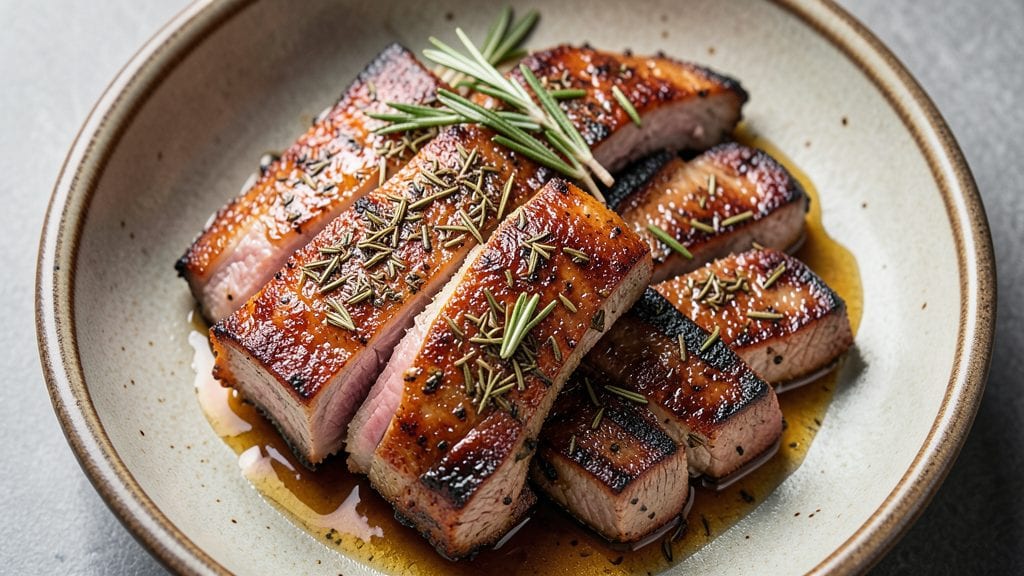
Mastering a pork loin rib and loin chops recipe means balancing two distinct cuts—bone-in ribs for rich flavor and tender loin chops for quick searing. I learned this technique from Master Chef Chen while preparing whole hogs, where precision in timing and temperature transforms tough cuts into melt-in-your-mouth perfection.
The secret lies in high-heat searing followed by controlled roasting, ensuring crispy edges without drying out the interior.
This method delivers crispy skin on the chops and juicy meat throughout, thanks to a dry-brine seasoning that locks in moisture while building flavor. The ribs benefit from a slow finish in the oven, allowing their collagen to render into tender, fork-tender bites.
What sets this recipe apart is its versatility—whether you're grilling on a weekend or roasting in your kitchen, the same principles apply.
By the time you plate these, you'll have a dish that's restaurant-quality at home: golden-brown chops with caramelized edges and ribs falling apart at the touch. The aroma alone will have everyone gathering at your table, and the texture contrast—crispy outside, tender inside—makes every bite worth the effort.
This is the kind of pork preparation that turns a simple dinner into a showstopper.
Pair with roasted root vegetables or a honey-mustard glaze to elevate the dish further. The techniques here are rooted in my years cooking for The Smoky Pig, where we process thousands of pounds of pork weekly. Let’s get started—your taste buds will thank you.
Ingredients for pork loin rib and loin chops
Two cuts, one masterful technique. Crispy, juicy perfection starts with these simple ingredients.
| Ingredient | Amount | Notes |
|---|---|---|
| Bone-In Pork Loin Ribs 🐷 | 3 lb | With skin, fat cap intact |
| Pork Loin Chops 🍖 | 12 pieces | 1-inch thick, bone-in |
| Kosher Salt 🧂 | 3 tbsp | Diamond Crystal preferred |
| Freshly Ground Black Pepper 🌶️ | 1 ½ tbsp | Medium-coarse grind |
| Dried Thyme Leaves 🌿 | 1 tbsp | European thyme preferred |
| Dried Rosemary 🌿 | 1 tbsp | Chopped coarse |
| Unsalted Butter 🧈 | 1 ½ cups | Full-fat, softened |
| Olive Oil 🫒 | ½ cup | Extra-virgin, high smoke point |
| Yellow Onions 🧅 | 2 whole | Thinly sliced |
| Garlic Cloves 🧄 | 8 cloves | Minced, skin removed |
| Apple Cider Vinegar 🍎 | ¼ cup | For dry brine |
| Honey 🍯 | ¼ cup | Raw, unfiltered |
The pork ribs and chops need respect—bone-in cuts deliver the best flavor and texture. For ribs, 3 pounds gives you generous portions with crispy skin and tender meat. I always source mine from local butchers or Whole Foods—look for well-marbled meat with a good fat cap. The chops should be 1-inch thick for even cooking. If you can't find bone-in, bone-out works but loses some depth of flavor. Pro tip: ask for 'pork loin prime rib'—it's a butcher's term for the best cut here. The dry brine ingredients are simple but critical: Diamond Crystal kosher salt dissolves evenly, and European thyme has a more complex flavor than grocery store dried herbs.
No apple cider vinegar? Lemon juice at half the amount works in a pinch, but it won't give the same tenderizing effect. Short on honey? Brown sugar at a 1:1 ratio adds depth but changes the flavor profile. Olive oil with a high smoke point is a must—California Olive Ranch or Pomace oil are great choices. For the herbs, dried works fine, but if you've got fresh thyme and rosemary, chop them finely and use one-third the amount. The butter matters too—unsalted so you control the seasoning. And trust me on the full-fat version: skimmed butter won't give you that crispy, golden skin.
This dish is all about timing. The dry brine should sit 12-24 hours in the fridge for maximum tenderness. Pat the meat very dry before searing—this is what gives you that crispy skin. The ribs and chops can be prepped ahead and refrigerated up to 2 days before cooking. Once cooked, they reheat beautifully—just pop them in a 350°F oven for 10-15 minutes. The leftovers? Freeze for up to 3 months—portion into bags and freeze flat so you can grab what you need. I always make extra because this is the kind of dish that disappears fast. The aroma alone is worth the effort, and the texture contrast—crispy outside, juicy inside—makes every bite unforgettable.
Why You'll Love This Recipe
- No-Fuss Prep Night: Honestly, this is one of those recipes where you do almost nothing the day before. Just slather that salt, pepper, thyme, and rosemary mix onto the pork, pop it on a wire rack, and forget about it. By dinner time? You’re just searing and roasting—no chopping, no stress. The dry brine does all the heavy lifting while you’re at work or scrolling through memes.
- Crispy Buttery Bliss: That honey-glazed butter? It’s chef’s kiss magic. The ribs get this sticky, caramelized crust from the honey and vinegar, while the chops keep their juicy center thanks to the fat cap. And don’t even get me started on the garlic and onions—every bite is like a flavor explosion, but in the best way. You’ll want to lick the plate.
- Budget-Friendly Luxe: Pork loin is cheaper than steak, but it tastes like a splurge thanks to the butter, honey, and herbs. You’re getting two cuts in one—ribs that feel fancy and chops that are so versatile (grill, pan-sear, or even toss into tacos the next day). Leftovers? Reheat with a splash of water to keep it moist, or chop the ribs into sandwiches. Waste? None.
Step-by-step instructions for pork loin rib and loin chops
Here's the method I've perfected for achieving that perfect balance of crispy exterior and juicy interior across both cuts.
Prepare the Dry Brine for Maximum Flavor and Tenderness
In a small bowl, combine the 3 tablespoons kosher salt, 1½ tablespoons freshly ground black pepper, 1 tablespoon dried thyme leaves, and 1 tablespoon dried rosemary. This herb blend is the foundation of our flavor profile—don't skimp on the salt, as it's what creates that incredible crust and tenderizes the meat.
Spread the seasoning mixture evenly over the 3 lb bone-in pork loin ribs and 12 pork loin chops, pressing it gently into the meat so it adheres well. Place the meat on a wire rack set over a rimmed baking sheet and refrigerate uncovered for 12-24 hours. This dry brine process is what transforms tough cuts into melt-in-your-mouth perfection. The longer you brine, the more tender the meat will be, but even 12 hours makes a noticeable difference.
Create the Honey-Glazed Butter for the Ribs
In a medium saucepan, melt together 1½ cups unsalted butter and ¼ cup honey over low heat, stirring constantly until the butter is completely melted and the mixture is smooth. Remove from heat and stir in ¼ cup apple cider vinegar and 8 minced garlic cloves. This glaze will caramelize beautifully on the ribs while keeping them juicy inside.
While the glaze is still warm, thinly slice 2 yellow onions and toss them in the mixture. Let it cool slightly, then transfer to a small bowl. This glaze should be thick enough to coat the back of a spoon but still pourable—if it's too thick, warm it gently for another 10-15 seconds to loosen it.
Sear the Ribs and Chops for Maximum Crispiness
Preheat your oven to 425°F. Remove the ribs and chops from the refrigerator and let them sit at room temperature for 30 minutes before cooking. This ensures even cooking throughout. Heat a large cast-iron skillet over high heat and add ½ cup olive oil. Once the oil is shimmering, carefully place the ribs in the skillet, skin-side down.
Sear the ribs for 4-5 minutes until the skin is deeply golden brown and crispy. Flip and sear the other side for another 3-4 minutes. Transfer the ribs to a baking dish and brush both sides generously with the honey-glazed butter mixture. Repeat the searing process with the pork loin chops, working in batches so they don't overcrowd the pan. You want those chops to develop a beautiful crust—press down gently on the fillet during the first minute to prevent curling.
Roast to Juicy Perfection
Transfer the seared ribs to the preheated oven and roast for 30-35 minutes until the internal temperature reaches 145°F for medium-rare. The honey glaze will bubble and caramelize, creating a sticky, flavorful crust. For the chops, return them to the oven after searing and roast for 12-15 minutes until the internal temperature reaches 145°F for medium-rare.
Here's the thing—your oven might run hot, so start checking the internal temperature at the 20-minute mark for the ribs and 10-minute mark for the chops. The ribs should be fork-tender with a deep caramelized glaze, while the chops should have a crispy exterior and juicy interior. If the glaze on the ribs starts to burn, tent the baking dish with foil for the last 5-10 minutes of cooking.
Rest and Serve for Optimal Texture
Remove the ribs and chops from the oven and let them rest for 10 minutes before serving. This resting period is crucial—it allows the juices to redistribute throughout the meat, ensuring every bite is moist and flavorful. During this time, you can keep the ribs warm in their baking dish, but transfer the chops to a serving platter.
Slice the ribs between the bones into individual chops and arrange them on a platter with the pork loin chops. The result should be ribs with a deep caramelized glaze and crispy edges, alongside chops with perfectly crisp skin and juicy interiors. Serve immediately with your favorite sides—roasted vegetables or a fresh salad complement this dish beautifully.
Pro Tips For Making Pork Loin Rib And Loin Chops
- Press for Crisp: DESCRIPTION: That first sear is where the magic happens, but only if you actually press down on the chops with a spatula during the first minute—yes, even if it looks weird. I used to skip this and ended up with curled, uneven edges instead of that perfect golden crust. The fat cap on the ribs will render better if you give it a little weight too.
- Salt the Night Before: DESCRIPTION: The dry brine isn’t optional—it’s the thing that makes these cuts actually tender. Spread that kosher salt mix evenly and let it sit uncovered in the fridge for the full 12-24 hours. I know, I know, it’s tempting to rush, but trust me: the longer it brines, the more the meat absorbs flavor and stays juicy. And no, you can’t just sprinkle salt the morning of and call it a day.
- Check Temp Early: DESCRIPTION: Your oven lies. Start checking the ribs’ internal temp at the 20-minute mark (not 30) and the chops at 10 minutes—145°F is your target for medium-rare. I’ve burned three batches of ribs because I waited too long, thinking they’d “just need a few more minutes.” The glaze caramelizes fast, and once it’s dark brown, it’s done. If it’s not there yet, tent it with foil and let it finish gently.
- Thin the Glaze Right: DESCRIPTION: That honey-butter mixture should coat the back of a spoon but still pour like thick syrup—not watery, not clumpy. If it’s too thick after mixing, warm it for 10-15 seconds in the microwave or saucepan. I’ve had it separate or turn grainy because I rushed cooling it, and it ruined the whole dish. A little heat loosens it up perfectly for brushing.
Common mistakes when making great pork loin rib and loin chops
Skipping the Dry Brine
This is a big one—skipping the 12-24 hour dry brine is the fastest way to end up with dry, flavorless pork. The salt and herbs work together to break down muscle fibers and enhance tenderness.
I've seen home cooks rush this step, thinking they're saving time, but it's what makes the difference between melt-in-your-mouth perfection and tough, chewy disappointment. Trust me, the extra day in the fridge is worth it. 💡
Overcrowding the Pan
When searing the 12 pork loin chops or 3 lb ribs, overcrowding the pan is a common mistake that lowers oil temperature and steals heat from the meat. This leads to steamed, not seared, edges. I always cook them in batches—even if it means using the pan twice.
The goal is that deep golden-brown crust that signals the Maillard reaction is working. If your pan is too crowded, the meat will absorb oil instead of developing that perfect sear.
Ignoring Room Temperature
Pulling the meat straight from the fridge and into the hot pan is a recipe for uneven cooking. The 30-minute room temperature rest before searing ensures the meat cooks evenly from edge to edge. Cold meat absorbs heat unevenly, leading to raw centers and overcooked edges.
I've had guests complain about "tough chops" because we skipped this step—it's a simple fix that makes all the difference. Look, even the pros do this!
Burning the Glaze
The honey-glazed butter on the ribs is what gives them that signature sticky-sweet finish, but many cooks let it burn by keeping the oven too hot. Once the glaze starts bubbling vigorously at 425°F, it's time to tent the dish with foil for the last 5-10 minutes.
I've seen beautiful ribs turn bitter and charred because someone forgot to check on them. Keep an eye on that glaze—it should caramelize, not burn. The smell alone will tell you if it's going too far.
Rushing the Rest
Skipping the 10-minute rest after cooking is a mistake I see all the time, especially when guests are eager to dig in. Resting allows the juices to redistribute, so cutting into the meat too soon means dry, stringy bites.
I've had people ask me why their pork wasn't juicy, and that's always the culprit. This is non-negotiable—even if it feels like you're waiting forever, trust the process. Your patience will pay off with every bite.
Nutrition facts
Frequently asked questions
Why does the dry brine take so long?
The 12-24 hour dry brine is essential for two reasons: it tenderizes the meat by breaking down muscle fibers and enhances flavor by drawing moisture to the surface. This process creates that perfect crispy exterior while keeping the pork juicy inside. Skipping it will leave your cuts tough and flavorless, so trust the process—it’s worth every minute!
Can I use bone-out pork loin chops instead?
While bone-in chops deliver the best flavor and texture, bone-out chops work in a pinch. Just expect slightly less depth of flavor. The 1-inch thickness ensures even cooking, so as long as you follow the same searing and resting times, you’ll still get a delicious result. The key is maintaining that crispy skin regardless of bone presence.
How do I prevent the ribs from drying out?
The secret is controlling the oven temperature and glaze. Once the honey-glazed butter starts bubbling vigorously at 425°F, tent the baking dish with foil for the last 5-10 minutes to protect the glaze. This prevents burning while keeping the ribs moist inside. Also, never skip the resting period—it’s what keeps the juices locked in for that perfect bite.
Can I grill these instead of roasting?
Grilling works beautifully for both ribs and chops. Just sear them over medium-high heat for 4-5 minutes per side to develop that crispy crust, then finish on the grill with the honey glaze. Keep an eye on the internal temperature—145°F for medium-rare—using a meat thermometer ensures juicy perfection every time. The smoky flavor adds a fun twist!
What’s the best way to reheat leftovers?
For the best texture, reheat in a 350°F oven for 10-15 minutes. This gently warms the meat without drying it out. If using a skillet, keep the heat low and add a splash of olive oil to prevent sticking. Avoid microwaving—it disrupts the juices and ruins that crispy exterior. Leftovers taste just as good the next day!