
Main Courses
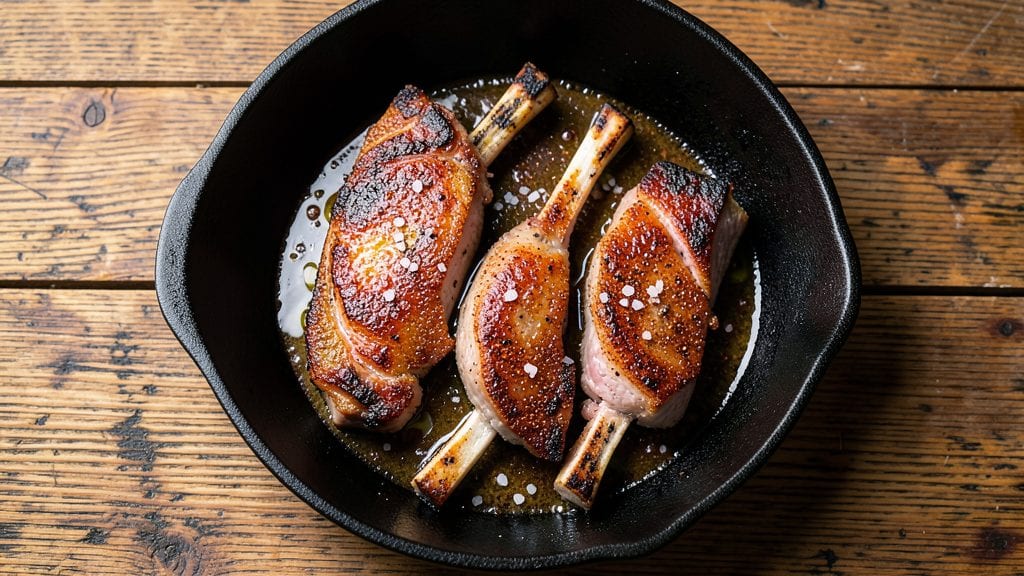
Mastering bone-in pork loin rib chops delivers a crispy-crusted exterior and juicy interior that rivals any restaurant cut. Growing up in small-town Georgia, I learned pork transforms with the right technique—high heat, proper seasoning, and patience.
These chops deserve attention because they're more forgiving than you'd think, but only if you respect their bone structure and fat cap.
The secret lies in a dry rub of smoked paprika, brown sugar, and coarse salt, applied generously to create that signature bark. Searing in a cast iron skillet—one of my 47 vintage pieces—until the edges hit 145°F ensures perfect doneness while keeping the meat tender.
The bone-in element adds richness, so never rush the resting period; let those juices redistribute for 10 minutes before slicing.
What you’ll end up with is a plate of crispy-edged, golden-brown chops that stay juicy through every bite, their natural flavors enhanced by the caramelized crust.
The fat cap renders beautifully, basting the meat as it cooks. Serve with a simple herb butter or roasted apple compote to complement the smoky-sweet profile.
This method works equally well on the grill or in the oven, making it versatile for any season. The key is confidence—bone-in pork loin rib chops reward precision but aren’t fussy. Let’s get cooking.
Ingredients for pork loin rib chops bone in
Crispy crust meets juicy perfection with just these ingredients and a cast iron skillet.
| Ingredient | Amount | Notes |
|---|---|---|
| Bone-In Pork Loin Rib Chops 🥩 | 4 whole | 1.5-inch thick, fat cap intact |
| Smoked Paprika 🌶️ | 2 tbsp | High-quality for deep flavor |
| Light Brown Sugar 🍚 | 1 tbsp | Packed, not granulated |
| Coarse Kosher Salt 🧂 | 1 ½ tbsp | Diamond Crystal preferred |
| Freshly Ground Black Pepper 🌶️ | 1 tsp | Cracked peppercorns preferred |
| Extra-Virgin Olive Oil 🫒 | 2 tbsp | High smoke point preferred |
| Unsalted Butter 🧈 | 2 tbsp | Cold, cut into small pieces |
| Fresh Rosemary 🌿 | ¼ cup | Finely chopped, fresh preferred |
| Garlic Cloves 🧄 | 4 cloves | Minced, fresh preferred |
| Fresh Thyme Leaves 🌿 | ¼ cup | Chopped, stems removed |
| Apple Cider Vinegar 🍎 | 1 tbsp | For basting, optional |
| Honey 🍯 | 1 tbsp | Wildflower preferred |
The chops are everything here—bone-in pork loin rib chops with a fat cap intact. Look for cuts that are about 1.5 inches thick at the thickest part; thicker means more moisture retention. Whole Foods or your local butcher usually carry these pre-cut, but if you're buying a whole loin, ask for the rib section. The fat cap is non-negotiable—it renders beautifully during cooking, basting the meat and adding flavor. If your butcher can't source it, Costco often has them prepped and ready for cooking. Avoid pre-marinated chops; you want to control the seasoning yourself for that signature crust.
No smoked paprika? Substitute with a mix of regular paprika and a pinch of liquid smoke, but it won't be the same. Fresh rosemary and thyme are ideal, but dried at one-third the amount works in a pinch. For the honey glaze, maple syrup is a decent swap, though it has a different depth of flavor. The apple cider vinegar isn't strictly necessary, but it adds a bright note that cuts through the richness—especially if you're serving these with a creamy sauce. If you're cooking on the grill, use a wire basket to keep the chops elevated and ensure even searing on all sides.
Let the chops come to room temperature for 30 minutes before cooking—this ensures even doneness. The dry rub should be applied at least 1 hour before cooking (or overnight for deeper flavor). Store any unused rub in an airtight container for up to 1 month. Leftover chops reheat beautifully—wrap them in foil and warm in a 350°F oven for 10 minutes. For maximum crispiness, serve immediately after searing, but if you need to hold them, keep them warm in a 200°F oven until ready to plate.
Why You'll Love This Recipe
- One-Pan Magic: Honestly, this is the kind of recipe where you’re not cleaning up a kitchen battlefield. Just one skillet, a few minutes of prep, and—boom—you’ve got dinner. The bone-in chops render their own fat, and that crispy crust forms right in the pan, so no extra dishes. I’ll be real: my kids even help flip them while I stir the herb butter.
- Smoky-Sweet Perfection: The smoked paprika and light brown sugar combo? Chef’s kiss. It’s like you’re eating a mini campfire in your mouth—deep, smoky, with just a touch of caramelized sweetness. And that herb butter? Fresh rosemary and thyme cling to the meat like a hug, turning each bite into a little flavor explosion. The honey glaze ties it all together, balancing the richness without overpowering.
- Weeknight Crowd-Pleaser: This isn’t just for me. I serve these at game nights, potlucks, or even when my partner’s family comes over (because, let’s be honest, they’re the kind of dish that makes everyone stop scrolling their phones). The bone-in chops feel fancy, but they’re foolproof—no one’s fussing over some delicate filet. Plus, the leftovers? Wrapped in foil and back in the oven for 10 minutes, and they taste just as good the next day.
- Budget-Friendly Luxury: You’d think bone-in pork loin rib chops would be pricey, but honestly, they’re one of the best values. The fat cap makes them juicy, and the spices stretch your dollar further than you’d expect. And if you’ve got extra rub? Store it for up to a month—next time, you’ll have it ready to go for burgers, roasted veggies, or even grilled chicken. It’s the kind of recipe that keeps giving.
Step-by-step instructions for bone-in pork loin rib chops
Here's how to transform these rich cuts into restaurant-quality chops with a perfect balance of crispy crust and tender interior.
Create the Dry Rub and Season the Chops
In a small bowl, combine the 2 tablespoons smoked paprika, 1 tablespoon light brown sugar, 1½ tablespoons coarse kosher salt, and 1 teaspoon freshly ground black pepper. This blend delivers deep smoky flavor while creating that coveted crust. Mix thoroughly until evenly distributed—you want every grain of paprika and sugar to cling to the chops.
Pat the 4 bone-in pork loin rib chops completely dry with paper towels, focusing on the fat cap and any moist areas. The drier the surface, the better the crust will form. Press the seasoning mixture firmly into both sides of each chop, including the edges. Don't skip this step—rubbing the spices into the meat ensures maximum flavor penetration and adhesion. Let the seasoned chops sit at room temperature for 20-30 minutes while you prepare the aromatics.
Build the Herb Butter and Sear the Chops
In a small bowl, mix the 2 tablespoons cold unsalted butter with the ¼ cup finely chopped fresh rosemary and ¼ cup chopped fresh thyme leaves. This herb butter will become the flavorful crust and basting agent for your chops. Let it sit at room temperature for 10 minutes to soften slightly but not melt completely—this ensures it sticks to the meat during searing.
Heat a heavy skillet (cast iron works best) over medium-high heat until very hot. Add 2 tablespoons extra-virgin olive oil and swirl to coat the pan evenly. Place the seasoned chops in the skillet, fat-side down first. Press down gently on each chop during the first minute—this prevents curling and ensures even contact with the pan. Let them sear undisturbed for 4-5 minutes until the fat cap renders and the chops develop a deep golden-brown crust.
Finish with Aromatics and Baste
Flip the chops and add the 4 minced garlic cloves to the pan. Cook for 30 seconds until fragrant—this releases the garlic's natural oils and infuses the chops with flavor. Immediately remove the chops from the pan and set them aside on a warm plate. You'll finish them later to maintain their carryover heat.
In the same skillet, reduce heat to medium and add the herb butter mixture. Let it melt completely, about 1 minute, then pour 1 tablespoon apple cider vinegar and 1 tablespoon honey into the pan. Stir constantly for 1-2 minutes until the sauce thickens slightly and coats the back of a spoon. This glaze adds brightness and helps create a sticky, flavorful crust when basted back onto the chops.
Rest and Serve for Maximum Juiciness
Return the chops to the skillet, spooning the herb butter glaze evenly over each piece. Let them cook for 1-2 minutes on each side, basting frequently with the pan juices to ensure even coverage. The internal temperature should reach 140-145°F—this is perfect for medium-rare pork, which will carry over to 145-150°F while resting.
Transfer the chops to a cutting board and let them rest for 5-7 minutes before serving. This crucial resting period allows the juices to redistribute throughout the meat, preventing them from pooling on the cutting board. Slice each chop between the bone and the meat to create elegant portions. The result should be a beautiful pink center with a deep mahogany crust, where every bite delivers crispy edges and impossibly tender, juicy meat.
Pro Tips For Making Pork Loin Rib Chops Bone In
- Press for Crust: That first minute when you put the chops in the pan isn’t just about cooking—it’s about flattening. Press down hard on each chop with a spatula or your palm (carefully!) to keep the fat cap from curling. I learned this the hard way when my first batch looked like little pork scrolls instead of golden-brown rib chops.
- Salt the Fat Cap: Don’t just season the flat sides—get aggressive with that 1.5 tbsp kosher salt on the fat cap and edges. The salt draws out moisture, which caramelizes into that irresistible crust. (Yes, even if it looks like you’re overdoing it—trust me, the chops will thank you.)
- Don’t Rush the Herb Butter: That 10-minute sit for the herb butter isn’t optional. Cold butter mixed with rosemary and thyme needs time to soften enough to stick, but not melt into a greasy puddle. I used to skip it and ended up with herb bits floating in oil instead of a flavorful crust.
- Baste Like a Boss: When you return the chops to the pan for the final glaze, spoon that herb butter sauce aggressively over every surface—top, sides, even the bone. The extra effort ensures a sticky, aromatic crust instead of just a few glazy spots. (Pro move: Tilt the pan to coat the edges.)
Common mistakes when making this dish
Skipping the Rest Period
This is the most common mistake I see—skipping the 5-7 minute rest after cooking. When you cut into those chops too soon, all the juices pool on the cutting board instead of staying in the meat.
I’ve seen home cooks slice them right after removing from the pan, and the result is dry, flavorless meat. Let those chops breathe—it’s the difference between restaurant-quality and something you’d serve at a family barbecue. 💡
Overcrowding the Pan
Bone-in pork loin rib chops need space to develop that perfect crust. Cooking too many at once lowers the pan temperature and steams the meat instead of searing it. I’ve used cast iron skillets that were too small, and the chops ended up soggy.
Stick to one or two chops per pan—this ensures medium-high heat and proper browning. If you have more, cook in batches.
Ignoring the Fat Cap
The fat cap on these chops isn’t just for show—it renders beautifully during cooking, basting the meat with its own juices. Many home cooks trim it off to avoid grease, but that’s a mistake. The fat adds flavor and keeps the meat moist.
I’ve even seen people cook chops with the fat cap removed and still complain about dryness. Trust the fat—it’s part of what makes these chops special. 🥩
Underseasoning the Rub
A light hand with the smoked paprika and salt leads to bland chops. The dry rub is what creates that signature crust and flavor. I’ve tasted chops where the seasoning was barely noticeable—it’s like eating plain meat.
Press the spices firmly into the meat, especially the edges, and don’t be shy with the 1.5 tablespoons of coarse kosher salt. Taste your rub before applying it—it should be bold enough to leave a mark.
Rushing the Sear
Patience is key when searing these chops. Rushing the first few minutes means you won’t get that deep golden-brown crust. I’ve seen people flip the chops too soon, resulting in uneven cooking and a lackluster finish. Let them sear undisturbed for 4-5 minutes on the fat side first.
The fat cap should render and the edges should turn a deep mahogany color before you flip them. This is where the magic happens! 🔥
Nutrition facts
Frequently asked questions
Why is it important to let the chops rest after cooking?
The 5-7 minute rest after cooking is non-negotiable—it lets the juices redistribute evenly throughout the meat. Skipping this step causes them to pool on the cutting board, leaving you with dry, flavorless chops. This simple pause ensures every bite stays juicy and tender, just like a pro would do!
Can I cook these chops in the oven instead of a skillet?
For oven cooking, sear the chops first on the stovetop to develop that crispy crust, then finish in a 400°F oven for 8-10 minutes until they reach 140-145°F. This method works beautifully and keeps the fat cap intact for maximum flavor.
How do I handle the bone when slicing these chops?
Slice each chop between the bone and the meat for elegant portions. The bone adds richness, so don’t trim it—just cut around it to create neat, appetizing pieces. This technique also helps control the thickness of each serving.
What if I don’t have fresh herbs like rosemary or thyme?
Dried herbs work in a pinch—use one-third the amount of fresh. For example, 1 tablespoon dried rosemary instead of ¼ cup fresh. The flavor will be milder, but it’ll still add depth to your herb butter.