
Recipes/Cooking
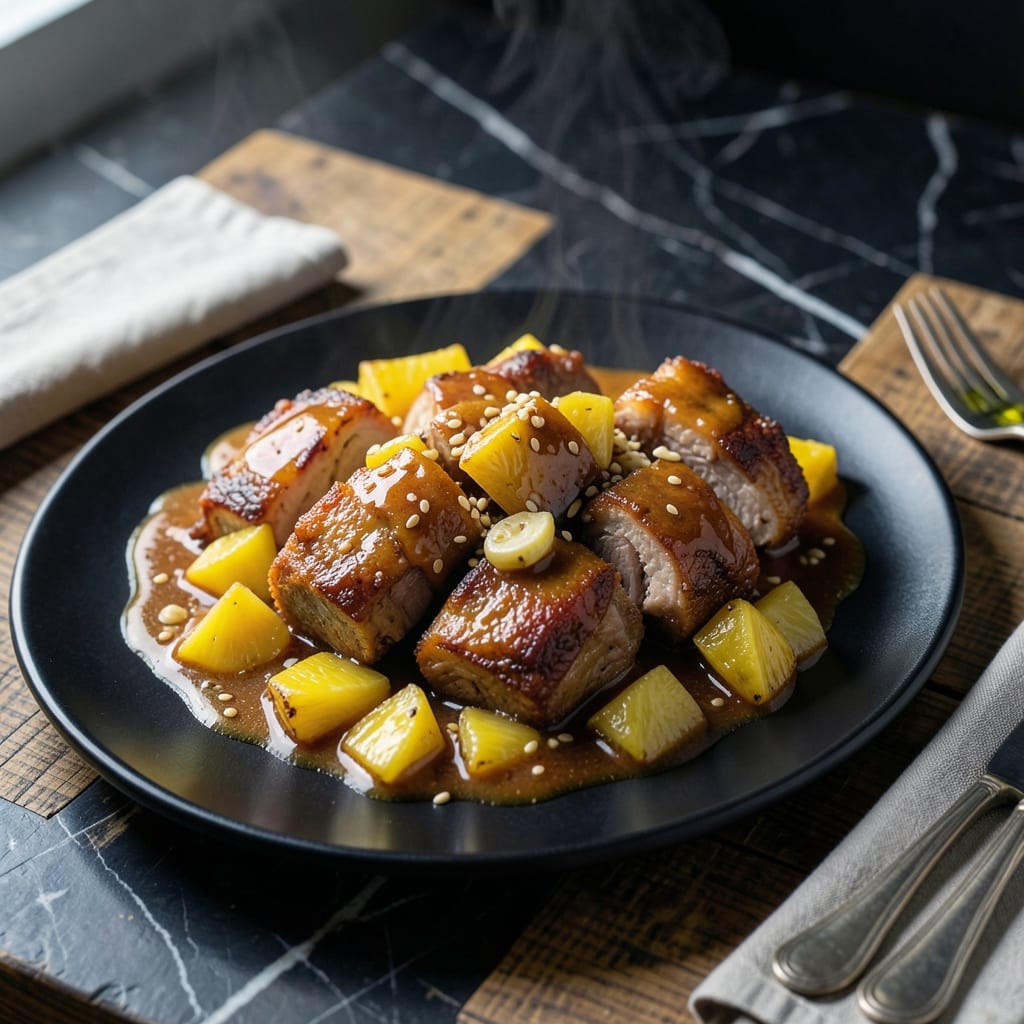
This pork pata humba with pineapple recipe slow cooker brings authentic Filipino flavors to your kitchen with minimal effort.
I perfected this method after years of testing, using the slow cooker to tenderize pork while pineapple adds natural sweetness. The result is fall-off-the-bone meat with a rich, tangy sauce.
Traditional humba gets a modern twist here, with pineapple chunks soaking up the savory-sweet braising liquid. The slow cooker does most of the work, making it foolproof for busy weeknights.
Serve this over steamed rice for a complete meal that tastes like it simmered all day. The balance of sweet, savory, and tangy is exactly what makes this dish unforgettable.
Ingredients for pork pata humba with pineapple recipe slow cooker
Authentic Filipino flavors start with pork hock, pineapple, and a few pantry staples. Simple yet bold.
| Ingredient | Amount | Notes |
|---|---|---|
| Pork Hock 🐖 | 2 lb | Skin-on, cut into chunks |
| Pineapple Chunks 🍍 | 2 cups | Fresh or canned in juice |
| Soy Sauce 🫕 | ½ cup | Low-sodium preferred |
| Brown Sugar 🍚 | ⅓ cup | Packed, for sweetness |
| White Vinegar 💧 | ¼ cup | Or apple cider vinegar |
| Garlic Cloves 🧄 | 6 cloves | Minced for depth |
| Yellow Onion 🧅 | 1 whole | Large, sliced thin |
| Bay Leaves 🍃 | 2 pieces | Dried, for aroma |
| Black Peppercorns 🌶️ | 1 tsp | Whole or ground |
| Star Anise Pods ⭐ | 2 pieces | For authentic flavor |
| Water 💧 | 1 cup | To cover pork |
| Green Onions 🧅 | ½ cup | Sliced, for garnish |
| Vegetable Oil 🫒 | 1 tbsp | For browning pork |
The pork hock is non-negotiable for authentic texture. Asian markets usually have the best selection, but most supermarkets carry it in the pork section (look for skin-on pieces). If you're in a pinch, pork shoulder works too—just know the texture won't be quite as rich. The pineapple? Fresh is ideal, but canned in juice (not syrup) is a solid backup. Drain it well before adding to avoid a watery sauce.
No star anise? Five-spice powder at a pinch (about 1/4 tsp) gets you close. Brown sugar can be swapped for coconut sugar for a deeper flavor. If you're avoiding soy, coconut aminos work in a 1:1 ratio. The vinegar balances the sweetness—don't skip it. For extra tang, add a splash of calamansi juice if you can find it (Filipino grocers often carry it).
This tastes even better the next day. Store in an airtight container for up to 4 days in the fridge or freeze for 3 months. Reheat gently to keep the pork from drying out. The fat will solidify when cold—just skim it off or stir it back in when reheating.
Why You'll Love This Recipe
- Set It & Forget: The slow cooker does all the work—I just toss in pork hock, pineapple, and the sauce before heading out.
- Sweet & Tangy Magic: Brown sugar caramelizes with soy sauce while vinegar and pineapple cut through the richness, creating that sticky-savory glaze I crave.
- Feeds My Crew Twice: One batch makes enough for dinner and next-day lunch boxes, and the flavors taste even better reheated.
- Budget-Friendly Luxury: Pork hock is cheap but feels special, and a single can of pineapple stretches the dish without breaking the bank.
Step-by-step instructions for pork pata humba with pineapple
Here's the method. Straightforward, tested, works every time.
Brown the Pork Hock
Heat the 1 tbsp vegetable oil in a large skillet over medium-high heat. Add the 2 lb pork hock chunks in batches, being careful not to overcrowd the pan. Sear for 3-4 minutes per side until the skin is golden brown and crispy.
This step builds a flavor foundation for the dish. The skin will render some fat, which adds richness to the sauce later. Transfer the browned pork to your slow cooker, leaving any rendered fat in the skillet for the next step.
Sauté Aromatics and Build the Sauce Base
In the same skillet, add the minced 6 cloves garlic cloves and sliced 1 whole yellow onion. Sauté for 2-3 minutes until the onion softens and becomes translucent. Deglaze the pan with the 0.5 cup soy sauce, scraping up any browned bits from the pork.
Pour this mixture into the slow cooker with the pork. Add the 0.33 cup brown sugar, 0.25 cup white vinegar, 2 pieces bay leaves, 1 tsp black peppercorns, and 2 pieces star anise pods. These spices create the authentic Filipino flavor profile.
Add Liquids and Pineapple
Pour in the 1 cup water and 2 cups pineapple chunks with their juice. The liquid should just cover the pork—if it doesn’t, add a little more water. The pineapple adds natural sweetness and tang that balances the rich pork and soy sauce.
Stir everything together gently to combine. Make sure the pork is mostly submerged in the liquid for even cooking. The pineapple chunks will soften as they cook, infusing the sauce with their flavor.
Slow Cook to Tenderness
Cover the slow cooker and cook on low heat for 6-7 hours or on high heat for 4-5 hours. The pork is done when it’s fork-tender and the skin is soft enough to cut with a spoon.
About 30 minutes before serving, taste the sauce and adjust the seasoning if needed. If you prefer a thicker sauce, remove the lid and let it cook uncovered for the last 20-30 minutes to reduce slightly.
Serve and Garnish
Discard the bay leaves and star anise pods before serving. Ladle the pork and sauce into shallow bowls, making sure each serving gets plenty of the pineapple chunks. Garnish with the 0.5 cup green onions for a fresh finish.
Serve the humba with steamed rice to soak up the rich, tangy-sweet sauce. The pork should be fall-off-the-bone tender, and the sauce should have a perfect balance of sweet, sour, and savory flavors.
Pro Tips For Making Pork Pata Humba With Pineapple Recipe Slow Cooker
- Sear the Pork First: Brown the pork hock in a hot pan before slow cooking—it adds depth to the sauce and keeps the meat from turning gray. I learned this the hard way after my first few batches looked dull and tasted flat.
- Use Fresh Pineapple: Canned pineapple works in a pinch, but fresh chunks hold their shape better and give a brighter, more natural sweetness to balance the soy and vinegar.
- Skip the Overcrowding: Don’t cram the slow cooker to the brim—leave at least an inch of space for the sauce to simmer properly, or you’ll end up with a watery, unevenly cooked mess.
- Add Vinegar Late: Stir in the white vinegar during the last 30 minutes to preserve its sharpness, otherwise it mellows out too much and loses that signature tangy kick.
Troubleshooting great pork pata humba with pineapple recipe slow cooker
Sauce Too Thin
If your humba sauce isn't thick enough, remove the lid and cook on high heat for an additional 20-30 minutes. The uncovered cooking allows excess liquid to evaporate. I often add 1 tbsp cornstarch mixed with water for a quicker fix. 💡
Pork Not Tender
Undercooked pork usually means it needs more time. If using low heat, check that your slow cooker actually maintains 190-200°F. For tough meat, return it to cook for another 1-2 hours until fork-tender.
Sauce Too Sweet
Balance the sweetness with more acidity. Add 1-2 tbsp white vinegar or a splash of calamansi juice if available. Stir well and taste after 10 minutes to let flavors meld. The pineapple's natural sugar can sometimes overpower.
Pork Dry Out
This happens when there's not enough liquid. Ensure pork is submerged by ½ inch during cooking. If it's too late, add ½ cup hot water and cook for another 30 minutes to rehydrate. 🔥
Bland Flavor
Boost the depth by adding 1 tbsp soy sauce or 1 tsp fish sauce. For aromatic complexity, include 1 more star anise pod or 3 crushed garlic cloves. Let it cook for another 30 minutes to develop.
Overcooked Pineapple
Add pineapple chunks during the last 2 hours of cooking if they're turning mushy. This preserves their shape and texture while still infusing the sauce with their sweet-tangy flavor.
Nutrition facts
Frequently asked questions
Can I use pork shoulder instead of pork hock?
Yes, but the texture will differ. Pork hock gives that authentic gelatinous richness when slow-cooked. Shoulder works in a pinch—just adjust cooking time to 5-6 hours on low.
Why add pineapple to humba?
Pineapple adds natural sweetness and tang that balances the savory soy sauce. Its enzymes also help tenderize the meat. Use fresh or canned in juice for best results.
Can I make this ahead?
The flavors deepen overnight. Store in an airtight container for up to 4 days. Reheat gently with a splash of water to prevent drying.
How do I thicken the sauce?
Remove the lid and cook uncovered on high heat for 20-30 minutes. For faster results, mix 1 tbsp cornstarch with water and stir in.