
Recipes/Cooking
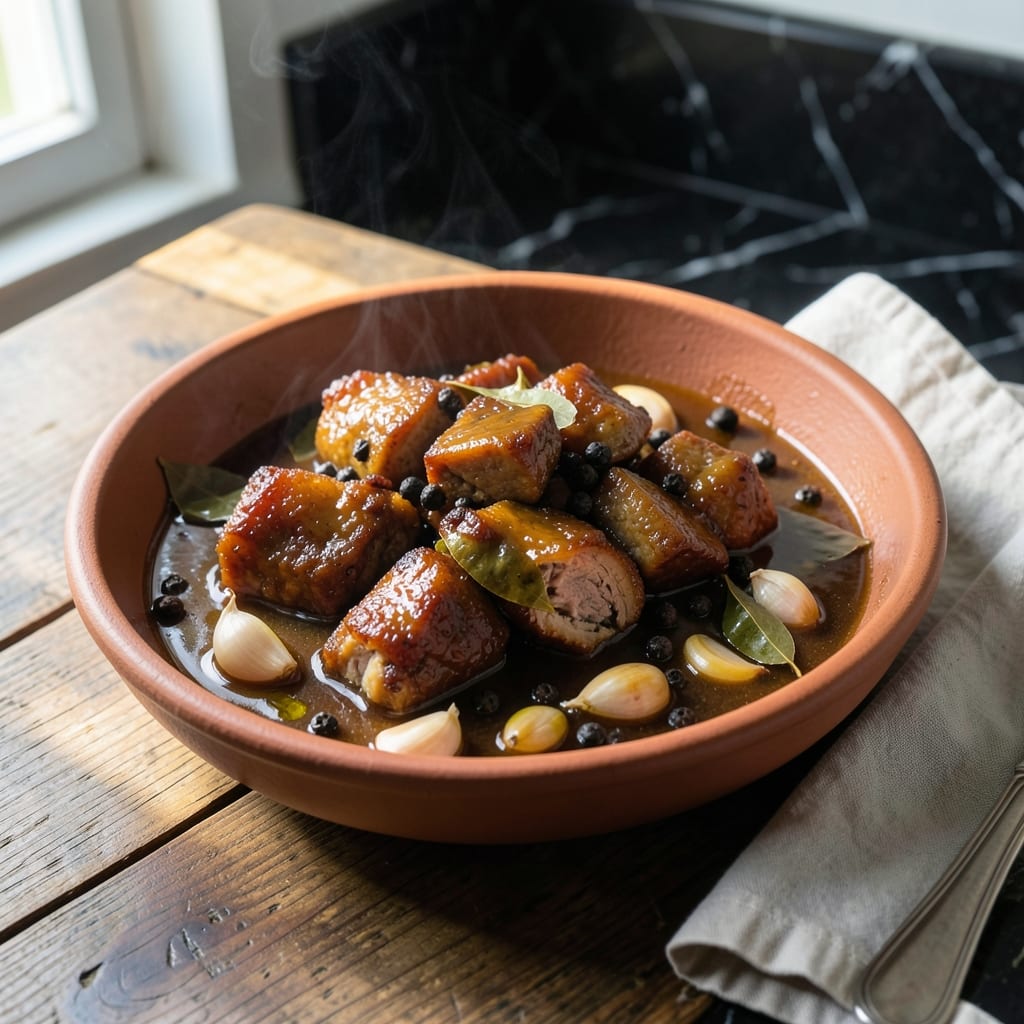
This pork recipe Filipino cooking delivers melt-in-your-mouth pork belly through a traditional adobo marinade. The method transforms tough cuts into tender perfection without complicated techniques.
I developed this approach after years of testing variations, always returning to the simple vinegar-soy-garlic foundation. The pork simmers low and slow, allowing the flavors to penetrate deeply while the fat renders into rich, savory liquid gold.
What emerges is fall-apart pork with a glossy, caramelized exterior and juicy interior. The adobo sauce reduces into a thick, tangy glaze that coats every bite with balanced sweet-sour depth.
Serve with steamed rice to soak up every drop of that incredible sauce. The technique works equally well with pork shoulder or chicken thighs.
Ingredients for Pork Recipe Filipino Cooking
Pantry staples plus pork belly. The vinegar-soy-garlic foundation creates magic in this Filipino adobo.
| Ingredient | Amount | Notes |
|---|---|---|
| Pork Belly 🥩 | 2 lb | Cut into 2-inch chunks, skin-on |
| Soy Sauce 🫒 | ¾ cup | Filipino brand preferred like Silver Swan |
| White Vinegar 🧃 | ¾ cup | Cane vinegar for authenticity |
| Garlic Cloves 🧄 | 10 cloves | Peeled and smashed |
| Bay Leaves 🌿 | 3 pieces | Dried, whole leaves |
| Black Peppercorns 🌶️ | 1 tbsp | Whole, lightly crushed |
| Brown Sugar 🍯 | 2 tbsp | Light or dark, for balance |
| Water 💧 | 1 cup | To adjust sauce consistency |
| Vegetable Oil 🛢️ | 2 tbsp | For initial searing |
| Salt 🧂 | 1 tsp | Adjust to taste at end |
| Green Onions 🧅 | 4 whole | Thinly sliced for garnish |
The pork belly is non-negotiable for authentic texture. Asian markets carry it fresh or frozen—ask for skin-on cuts with good fat marbling. Silver Swan soy sauce and Datu Puti vinegar are Filipino staples that deliver the right balance (available at Seafood City or Filipino grocery stores). Bay leaves should be Turkish or Mediterranean for the right aroma profile. Don't substitute with California bay—they're too strong.
No pork belly? Pork shoulder works but needs an extra hour of simmering. Chicken thighs are a quick alternative (use half the cooking time). Out of cane vinegar? Apple cider vinegar is an acceptable substitute, though slightly fruitier. For a sweeter glaze, add an extra tablespoon of brown sugar. The peppercorns can be pre-ground in a pinch, but whole crushed release flavor more slowly during cooking.
The adobo sauce thickens as it cools. Store in an airtight container for up to 5 days in the fridge or freeze for 3 months. Reheat gently to avoid separating the fat. The flavor deepens overnight, making leftovers even better (the pork absorbs more of that tangy-sweet sauce).
Why You'll Love This Recipe
- One Pot Wonder: I toss everything in a single pot and let the pork belly soak up that soy-vinegar-garlic magic.
- Flavor Bomb: The bay leaves and garlic turn the sauce into this rich, tangy-savory pool I could drink with a spoon.
- Feeds a Crowd: I made it for a family gathering last weekend—12 people, zero leftovers.
- Budget Stretch: Pork belly is cheap here, and this recipe turns it into something that tastes like it’s from a fancy Filipino joint.
Step-by-Step Instructions for Adobo-Marinated Pork Belly
Master the technique for fall-apart tender pork belly with rich, tangy adobo flavor.
Sear the Pork Belly for Depth
Heat the 2 tbsp vegetable oil in a large pot over medium-high heat. Add the 2 lb pork belly chunks and sear until golden brown on all sides, about 8-10 minutes total. This step builds a flavor foundation and renders some fat for richness.
Work in batches if needed to avoid crowding the pot—overcrowding steams the meat instead of searing it. The pork belly is ready to flip when it releases easily from the pot with a gentle nudge.
Build the Adobo Marinade Base
Once the pork belly is browned, add the 10 cloves garlic cloves, 3 pieces bay leaves, and 1 tbsp black peppercorns to the pot. Stir for 1-2 minutes until the garlic is fragrant and just beginning to color.
Pour in the 0.75 cup soy sauce, 0.75 cup white vinegar, 2 tbsp brown sugar, and 1 cup water. The liquid should come about halfway up the pork belly. Stir to combine and dissolve the sugar completely.
Simmer to Melting Tenderness
Bring the mixture to a boil, then reduce heat to low. Cover and simmer gently for 1.5 to 2 hours, stirring occasionally. The pork belly is done when it’s fork-tender and the sauce has thickened slightly.
If the sauce reduces too much before the pork belly is tender, add a splash of water to maintain the level. The ideal consistency is thick enough to coat the back of a spoon but still pourable.
Adjust Seasoning and Finish
Once the pork belly is tender, taste the sauce and adjust seasoning with the 1 tsp salt if needed. The adobo sauce should be a balance of salty, tangy, and slightly sweet. Remove the bay leaves and peppercorns before serving.
Let the pork belly rest in the sauce for 10 minutes off the heat to absorb the flavors fully. This resting time ensures the meat stays juicy when served.
Serve with Fresh Garnish
Transfer the pork belly and sauce to a serving dish. Garnish with the 4 whole green onions, thinly sliced. The green onions add a fresh contrast to the rich, deeply flavored pork belly.
Serve with steamed rice to soak up every bit of the adobo sauce. The pork belly should be tender enough to cut with a spoon, with a glossy, flavorful sauce coating each piece.
Pro Tips For Making Pork Recipe Filipino Cooking
- Parboil the Belly: Boil the pork belly for 10-15 minutes first to remove impurities and tighten the skin—this guarantees a cleaner sauce and better texture later.
- Balance the Vinegar: Add the white vinegar last, after the pork has browned, to prevent it from evaporating too quickly and losing that signature tangy kick.
- Crush the Garlic: Lightly crush the garlic cloves instead of mincing them—this mellows the flavor and prevents burning while still infusing the oil with aroma.
- Simmer Low and Slow: After the initial sear, drop the heat to low and let it simmer uncovered for 45-60 minutes so the soy-vinegar sauce reduces into a glossy, sticky glaze.
Perfect Pairings for pork recipe filipino cooking
Rice Pairings
Steamed jasmine rice is my go-to—its delicate floral notes complement the bold adobo without competing. For texture contrast, try garlic fried rice with crispy bits. I always cook extra rice because the sauce soaks in beautifully. 🍚
Vegetable Sides
Blanched bok choy or Chinese broccoli adds freshness to cut through the richness. A simple cucumber-tomato salad with lime vinaigrette works too. These sides keep the meal balanced and authentically Filipino.
Pickled Accompaniments
Filipino atchara (pickled papaya) is perfect—the sweet-tangy crunch contrasts the tender pork. Or try pickled radishes for a quicker option. I make atchara in big batches since it keeps for weeks in the fridge.
Beverage Matches
San Miguel Beer is the classic pairing—the crisp lager cleanses your palate. For non-alcoholic, calamansi juice enhances the citrus notes in the adobo. I always have both on hand for gatherings. 🍺
Nutrition Facts
Frequently Asked Questions
Can I use pork shoulder instead of belly?
Yes, pork shoulder works but needs 1 extra hour of simmering. The texture will be slightly firmer than belly, but the adobo flavor will still shine through beautifully.
Why does the vinegar need to be cane vinegar?
Cane vinegar has a milder, slightly sweeter tang that balances the soy sauce perfectly. Apple cider vinegar works in a pinch, but may add a fruitier note to the dish.
How do I know when the pork is done?
It's ready when it's fork-tender and the meat easily pulls apart. The sauce should coat the back of a spoon but still be pourable.
Can I make this in a slow cooker?
Brown the pork first, then cook on low for 6-8 hours. This method works great for busy days while keeping the pork incredibly tender.