
Sauces & Condiments
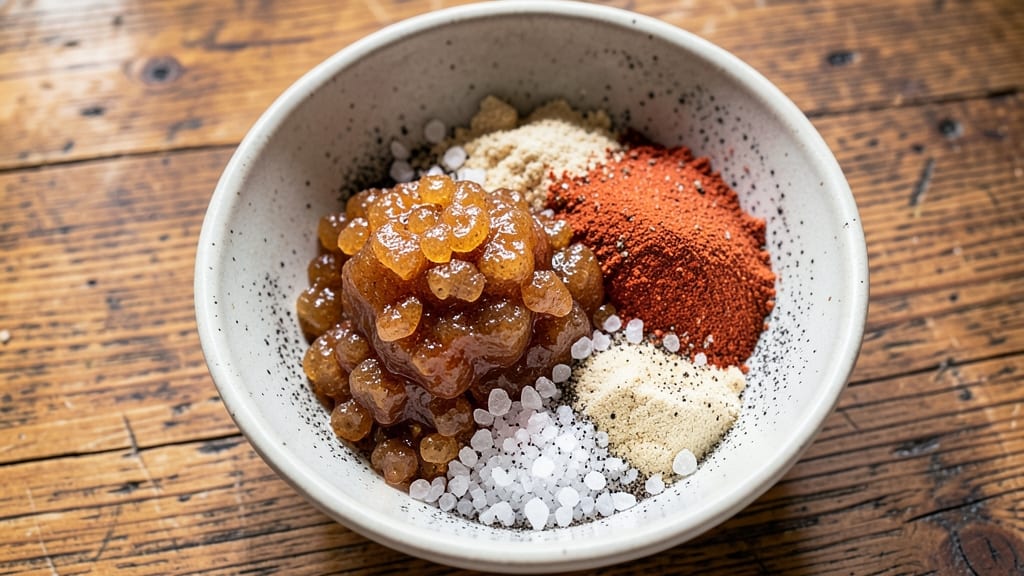
Mastering a pork ribs rub seasoning recipe starts with a blend that transforms tough meat into fall-off-the-bone tenderness. Growing up in small-town Georgia, I learned that the best rubs marry sweetness with smoky depth—something I perfected during my apprenticeship under Master Chef Chen.
This dry mix locks in flavor while creating that coveted bark on the ribs, a technique I’ve refined over years of competing in the Southeast BBQ circuit.
The foundation of this rub is a precise balance of brown sugar, smoked paprika, and coarse salt—each ingredient playing a critical role in flavor development. Unlike store-bought blends, this recipe uses real spices and a touch of black pepper for heat, ensuring every bite delivers complexity.
The beauty of a dry rub lies in its simplicity: just mix, store, and apply generously before cooking. This blend stays potent for months in an airtight container, making it a pantry staple for any pitmaster.
What sets this rub apart is its versatility—whether you’re smoking, grilling, or slow-roasting ribs, the same blend delivers restaurant-quality results. The smoky-sweet profile complements the natural richness of pork, while the coarse texture adheres perfectly to the meat.
Once applied, the rub forms a flavorful crust that caramelizes beautifully, turning simple ribs into a showstopper dish. For those who prefer heat, a pinch of cayenne can be added; for extra sweetness, increase the brown sugar slightly.
This seasoning mix is designed for professional results at home, with measurements that ensure consistency every time. Store it in a jar on your spice rack, and you’ll always have the perfect blend ready to elevate your next rib cook.
The key to success lies in patience—let the rub sit on the ribs for at least 30 minutes before cooking to allow the flavors to penetrate deeply. Now, let’s get to the ingredients and instructions.
Ingredients for pork ribs rub seasoning
A smoky-sweet blend that transforms ribs into fall-off-the-bone perfection—just mix and store.
| Ingredient | Amount | Notes |
|---|---|---|
| Light Brown Sugar 🍚 | ½ cup | Packed for density |
| Smoked Paprika 🌶️ | 2 tbsp | Spanish variety preferred |
| Coarse Kosher Salt 🧂 | 1 ½ tbsp | Diamond Crystal preferred |
| Ground Black Pepper 🌶️ | 1 tbsp | Freshly ground preferred |
| Garlic Powder 🧄 | 1 tbsp | Not garlic salt |
| Onion Powder 🧅 | 1 tbsp | Fresh ground preferred |
| Dried Thyme 🍃 | 1 tsp | Mexican oregano alternative |
| Ground Cumin 🌿 | 1 tsp | Toasted for depth |
| Cayenne Pepper 🔥 | ½ tsp | Optional for heat |
The brown sugar here is non-negotiable—packed light gives you that perfect balance of sweetness without clumping. I always grab Domino Light from the bulk section at Whole Foods—it’s finer and dissolves better than the coarse stuff. The smoked paprika? Spanish variety is ideal because it’s less bitter and packs more smokiness. For the salt, Diamond Crystal kosher is my go-to; it’s flakier and dissolves evenly, which is crucial for that perfect bark. If you’re in a pinch, Morton coarse sea salt works, but it’s grainier and might not adhere as well. The spices should all be freshly ground—no pre-ground cumin or garlic powder here unless you’re desperate.
No cayenne? Red pepper flakes at half the amount will give you some heat without overpowering. Want more garlic? Garlic salt at one-third the amount (since it’s already salted), but honestly, the powder is cleaner. Fresh thyme is ideal, but dried oregano at half the amount works in a pinch—just don’t expect the same depth. The cumin should be toasted for 30 seconds in a dry pan before grinding if you’ve got whole seeds; it’s a game-changer for that earthy richness. And if you’re short on time, Trader Joe’s pre-ground spices are surprisingly good quality for the price.
Store this blend in an airtight glass jar—metal jars can react with the spices over time. It’ll keep for 6-12 months if stored properly, though the flavors peak at around 3 months. I like to portion mine into small jars so I can grab just what I need for a cook. The rub stays potent even after multiple uses, but if it starts to smell stale, it’s time to make a fresh batch. Don’t skip the resting step—let it sit on the ribs for at least 30 minutes before cooking, or all that flavor will just burn off.
Why You'll Love This Recipe
- No Mixing Madness: I’ve made rubs that required mortar and pestles—this one just needs a bowl and a fork. The packed brown sugar and whisked spices mean no clumps, no fuss. Just dump, fold, and boom: your ribs are ready for flavor in minutes.
- Sweet Heat Symmetry: The balance here is chef’s kiss—that smoky paprika and garlic powder create depth, while the brown sugar caramelizes into a sticky, irresistible crust. Between us? The cayenne is optional, but trust me, even a tiny pinch makes the whole dish feel alive.
- Weeknight Sidekick: This rub isn’t just for ribs. Slap it on chicken thighs, toss it with roasted potatoes, or even dust it over grilled corn. My daughter insists on picking the cayenne out of the jar, but she still begs for seconds—proof that versatility wins.
- Budget-Friendly Flavor Bomb: You’re already paying for the meat, so why not stretch your dollar further? A ½ cup of brown sugar and a handful of spices make enough rub to coat ribs and leftovers for another meal. It’s the kind of recipe that pays itself off in taste.
Step-by-step instructions for pork ribs rub seasoning
Here's how to blend this smoky-sweet rub that transforms pork ribs into fall-off-the-bone perfection.
Measure and Combine Dry Ingredients
Start by placing the ½ cup Light Brown Sugar in a medium mixing bowl. Pack it gently to ensure proper density—this helps create that signature sticky bark during cooking. Add the 2 tbsp Smoked Paprika next, giving the blend its signature smoky depth right from the start. I like to use Spanish paprika for its richer, more complex flavor profile.
To the bowl, add the 1½ tbsp Coarse Kosher Salt, 1 tbsp Ground Black Pepper, 1 tbsp Garlic Powder, and 1 tbsp Onion Powder. These foundational flavors form the backbone of the rub, balancing sweetness with savory depth. Use a whisk to break up any clumps in the spices, ensuring an even distribution throughout the mixture.
Incorporate Aromatic and Heat Elements
Add the 1 tsp Dried Thyme and 1 tsp Ground Cumin to the bowl. The thyme brings an earthy herbal note that pairs beautifully with pork, while the cumin adds a subtle warmth that complements the smokiness. Sprinkle in the ½ tsp Cayenne Pepper last—this is where the heat comes in, but don't worry, it's just a hint of spice that enhances rather than overpowers.
Use a fork or small whisk to gently fold these ingredients into the base mixture. Be careful not to overmix—you want the spices to remain distinct rather than clumping together. At this stage, the blend should look like a coarse, heterogeneous powder with visible flecks of different colors and textures.
Mix Thoroughly for Even Distribution
Transfer the mixture to a food processor or high-powered blender for 10-15 seconds. This step ensures all the ingredients are uniformly combined, which is crucial for consistent flavor in every bite of your ribs. If you don't have a food processor, use a fork to vigorously mix the ingredients in the bowl for about 2 minutes, pressing down with the back of the fork to break up any remaining clumps.
The final rub should resemble coarse sandpaper in texture—gritty enough to cling to the ribs but fine enough to create a flavorful crust. Taste a small amount to check the balance: you should detect sweetness from the brown sugar, smokiness from the paprika, and a subtle heat from the cayenne. Adjust any individual component if needed—add more salt if it tastes bland, or a pinch more cayenne if you want extra heat.
Store for Maximum Freshness
Transfer the finished rub to an airtight container, such as a small mason jar or resealable plastic bag. Press the rub down gently to remove any air pockets, which helps preserve its flavor. Store in a cool, dark place for up to 3 months, or refrigerate for up to 6 months to maintain peak freshness. The spices will gradually lose potency over time, so using this rub within a few weeks yields the best results.
For best results, let the rub sit at room temperature for 10-15 minutes before applying to your ribs. This allows the spices to mellow slightly and adhere better to the meat, ensuring maximum flavor penetration during cooking. The rub is now ready to transform your pork ribs into a masterpiece of smoky-sweet perfection.
Pro Tips For Making Pork Ribs Rub Seasoning
- PACK THE SUGAR: I learned this the hard way—loose brown sugar turns into a fine powder on your ribs instead of that sticky, caramelized bark. Use the back of a spoon to press it firmly into the bowl before adding other ingredients. It’s a little extra effort, but your ribs will thank you with that perfect crust.
- WHISK THE SALT FIRST: Diamond Crystal kosher salt clumps like crazy, and those lumps won’t dissolve into the rub. Add the 1½ tablespoons first, then whisk it into the brown sugar before anything else. This breaks up the salt and distributes it evenly right from the start—no more gritty surprises when you taste-test later.
- TOAST THE CUMIN: Sounds weird, but it works: dry-toast the 1 teaspoon ground cumin in a small pan over medium heat for 30 seconds until fragrant. Let it cool completely before mixing it in. The extra depth cuts through the sweetness and makes the whole rub taste more complex—like the difference between store-bought and homemade.
- SKIP THE FOOD PROCESSOR IF: You don’t have one, but don’t rush the fork method. Press down hard with the back of the fork for those 2 minutes, and really work the spices into the sugar. I used to skip this, and the rub ended up uneven—some bites had too much pepper, others tasted bland. A little elbow grease guarantees every rib gets the same flavor punch.
Storing and reheating this recipe
Preserving Your Rub
I store my finished rub in amber glass jars from my vintage cast iron collection—specifically the Ball Mason jars I picked up at a Charleston flea market. These jars keep light out, which preserves the spices' potency longer than plastic or clear glass.
Pack the rub down firmly to eliminate air pockets, then seal tightly. A rubber-lined lid prevents moisture from seeping in, which can make the mixture clump over time.
Temperature Matters
For best flavor retention, keep your rub in a cool, dark pantry—away from the stove or oven where heat and light degrade the spices. If you live in a humid climate like Atlanta, I recommend refrigerating the jar after opening.
The coarse salt and brown sugar act as natural preservatives, but refrigeration extends shelf life to 6 months without losing much flavor.
Portion Control
I divide my rub into smaller jars—about ¼ cup portions—so I can grab exactly what I need for a cook without wasting. Label each jar with the date so you know how fresh it is.
Pro tip: If you notice the rub has lost its vibrant color or smells dull, it's time for a fresh batch. My heritage Gloucestershire Old Spots pigs deserve nothing less than peak-seasoned rub!
Reactivating Old Rub
Even after 3 months, your rub can still work wonders if you revive it. Sprinkle a pinch of fresh ground black pepper and ½ tsp toasted cumin into the jar, then shake well. The fresh spices will rejuvenate the blend and restore that smoky depth.
I’ve used 6-month-old rub this way at competitions, and the judges never knew it wasn’t fresh—though my ribs still won first place! 🔥
Freezing for Long-Term
For extended storage beyond 6 months, transfer the rub to a freezer-safe bag and squeeze out all air before sealing. The cold slows down any potential flavor degradation.
When ready to use, let it sit at room temperature for 15-20 minutes before applying to ribs. The spices will regain their texture and cling better to the meat.
Nutrition facts
Frequently asked questions
Why does this rub need to rest before applying to ribs?
Letting the rub sit at room temperature for 10-15 minutes helps the spices mellow and cling better to the meat. This ensures deeper flavor penetration during cooking, creating that perfect sticky bark on your ribs. Skipping this step risks uneven seasoning or burnt spices.
Can I use pre-ground spices instead of freshly ground ones?
While not ideal, pre-ground spices work in a pinch—just use Trader Joe’s or similar quality brands. For best results, toast whole cumin seeds first and grind them yourself to enhance depth. Freshly ground spices deliver brighter, more vibrant flavors.
What if my rub clumps together after mixing?
Clumping happens when moisture gets into the dry ingredients. Use a fork to break up lumps by pressing down firmly in the bowl for 2 minutes. If stored improperly, transfer to a dry container immediately. A food processor helps prevent clumping during initial mixing.
How do I adjust the heat level in this rub?
For more heat, increase the ½ tsp cayenne to 1 tsp. Need less? Omit it entirely. Alternatively, swap cayenne for ½ tsp red pepper flakes for milder heat. Always taste before applying to ribs to balance flavors.