
Main Courses
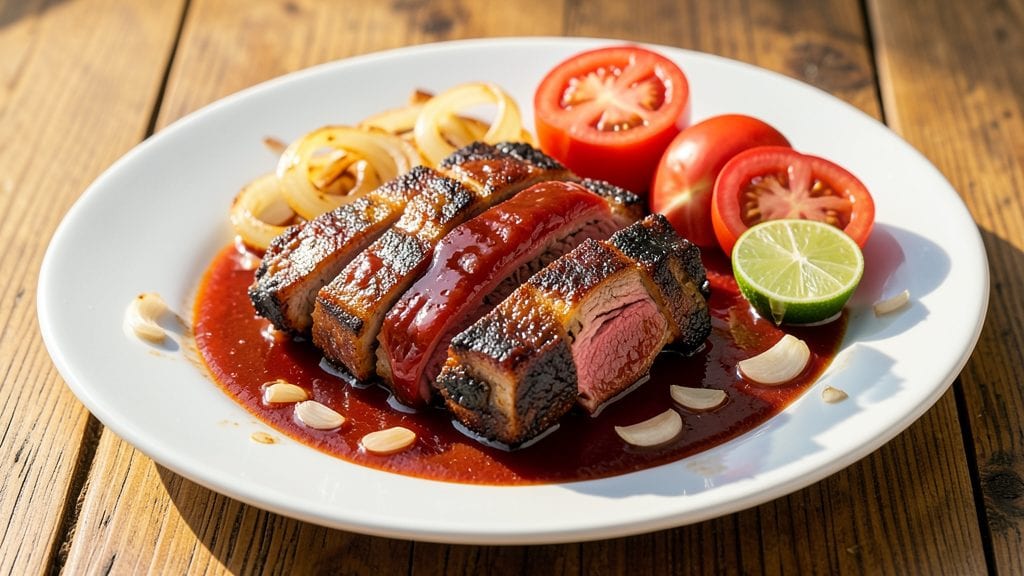
Filipino-style pork ribs simmered in rich tomato sauce deliver the perfect balance of slow-cooked sweetness and smoky depth—this recipe captures the heart of Filipino comfort food. 🌟 Growing up in small-town Georgia, I learned that pork ribs belong at the center of every gathering, and this method elevates them to restaurant-quality tenderness.
The key lies in the sauce: a blend of tomatoes, garlic, and vinegar that caramelizes into a glossy, tangy coating.
What sets this recipe apart is the two-stage cooking process—first searing the ribs to lock in flavor, then slow-braising until they fall apart effortlessly.
The Filipino tomato sauce isn’t just a topping; it’s the soul of the dish, with bay leaves and a touch of calamansi (or lime) adding brightness. This method transforms tough cuts into melt-in-your-mouth perfection, ready in about 3 hours with minimal hands-on time.
By the final hour, your kitchen will fill with the aroma of caramelized onions and simmering tomatoes, while the ribs develop a glossy, sticky glaze that clings to every bite.
The sauce thickens just enough to coat the ribs beautifully, creating a dish that’s hearty yet refined—ideal for family dinners or special occasions. Serve with steamed rice to soak up every last drop of that flavorful sauce.
This recipe honors the Filipino tradition of lechon kawali, where pork is slow-cooked until tender and paired with vibrant tomato-based sauces. The technique is foolproof, but the reward—juicy, saucy ribs that disappear faster than you can say "silog"—makes every step worthwhile. Let’s get cooking!
Ingredients for pork ribs with tomato sauce filipino
Filipino comfort food meets Southern hospitality in this rib-cooking masterpiece.
| Ingredient | Amount | Notes |
|---|---|---|
| Pork Ribs (baby back or spare ribs) 🥩 | 4 lb | Bone-in, skin-on preferred |
| Romaine Tomatoes 🍅 | 4 whole | Heirloom or San Marzano preferred |
| Yellow Onions 🧅 | 3 whole | Medium, caramelized |
| Garlic Cloves 🧄 | 10 cloves | Fresh, minced |
| Calamansi or Lime Juice 🍋 | ½ cup | Freshly squeezed |
| White Vinegar 🍶 | ¼ cup | Distilled, for acidity |
| Brown Sugar 🍚 | ½ cup | Light or dark |
| Fish Sauce 🐟 | ¼ cup | High-quality, like Red Boat |
| Bay Leaves 🍃 | 4 whole | Dried, aromatic |
| Ground Black Pepper 🌶️ | 1 ½ tbsp | Freshly ground, coarse |
| Kosher Salt 🧂 | 2 tbsp | Diamond Crystal preferred |
| Olive Oil 🫒 | ¼ cup | Extra-virgin, for searing |
| Chicken or Beef Stock 🥄 | 2 cups | Low-sodium preferred |
The pork ribs are the star—look for bone-in baby back ribs with visible fat marbling, as they yield the most tender, flavorful meat. Costco or local butchers often carry pre-cut ribs, but if you're sourcing whole, ask for the first 6 ribs from the ribcage for maximum tenderness. The tomatoes should be San Marzano or heirloom varieties—their meaty texture and low acidity make them ideal for slow simmering. For the calamansi, Trader Joe's carries a substitute blend if fresh isn't available, but fresh lime juice works in a pinch (though it lacks the unique tang).
Substitutions are possible but require adjustments. No calamansi? Use 1/2 cup lime juice plus 1 tbsp brown sugar to mimic the acidity and slight sweetness. Fish sauce is non-negotiable for authentic flavor—Red Boat or Three Crabs are trusted brands—but if unavailable, soy sauce plus a dash of Worcestershire can approximate the umami. No bay leaves? A 1 tsp dried thyme plus 1 tsp dried oregano provides similar earthy depth. The brown sugar can be swapped for coconut sugar to align with Filipino sweetness preferences, though it caramelizes differently. For the stock, homemade is ideal, but low-sodium canned broth works if time is limited.
This dish is best prepared a day ahead—the flavors meld beautifully overnight in the refrigerator. Store the cooked ribs and sauce separately in airtight containers for up to 5 days. For longer storage, freeze portions for up to 3 months—reheat gently in a skillet with a splash of water to restore moisture. The sauce can be made 2 days ahead and reheated before combining with the ribs. Serve immediately for the best texture, as the ribs soften further when sitting. Pair with steamed jasmine rice to soak up the rich, tangy sauce, and garnish with fresh cilantro or green onions for brightness.
Why You'll Love This Recipe
- Oven-Love Hack: That 300°F oven time? My secret weapon for busy nights. I toss the ribs in, walk away, and come back to fall-apart tender meat with zero stress. The caramelized onions and tomatoes in the sauce do all the heavy lifting while I prep the rest of dinner.
- Sweet-Tang Explosion: The brown sugar and fish sauce? Pure magic. It’s not just sweet—it’s that perfect balance of umami, tang from the calamansi, and the deep richness of the slow-cooked tomatoes. Trust me, the first bite will have you licking your plate.
- Leftovers That Shame You: This dish gets better the next day. I pack the ribs and sauce separately, and by Day 2, the flavors have had time to kiss. Toss it over rice, wrap it in lettuce for lunch, or even freeze the sauce for future stir-fries. Zero waste, maximum flavor.
- Budget Ribs, King’s Feast: Forget expensive cuts—these ribs turn a simple 4-pound bone-in rack into a showstopper. The heirloom tomatoes and fresh garlic make it feel fancy, but the cost? A fraction of what you’d pay for takeout. My date night staple, even on a Tuesday.
Step-by-step instructions for pork ribs with tomato sauce Filipino recipe
This method delivers melt-in-your-mouth ribs with a rich, balanced tomato sauce that's sweet, tangy, and deeply aromatic.
🔥 Step 1: Sear the Ribs for Maximum Flavor
Pat the 4 lb pork ribs completely dry with paper towels—this ensures a proper sear. In a heavy Dutch oven, heat ¼ cup olive oil over medium-high heat until shimmering. Arrange the ribs in a single layer, skin-side down, and sear undisturbed for 8-10 minutes until deeply golden brown and crispy in spots.
Flip the ribs and continue searing for another 8-10 minutes on the second side. The goal is to develop a rich, caramelized crust that will form the foundation of your sauce. Sprinkle 2 tbsp kosher salt and 1½ tbsp ground black pepper evenly over the ribs while they sear—this seasoning will penetrate during the slow cook.
Here's the thing—don't rush this step. You'll know it's ready when the skin releases easily from the pan with gentle pressure. If it sticks, it's not ready yet. Remove the ribs and set them aside on a plate, skin-side up.
🍳 Step 2: Build the Tomato Sauce Base
In the same Dutch oven (those browned bits are pure flavor), add 3 yellow onions cut into even wedges and 4 romaine tomatoes quartered. Cook over medium heat for 10 minutes, stirring occasionally, until the onions soften and the tomatoes begin to break down into a chunky sauce.
Add 10 minced garlic cloves and cook for 1 minute until fragrant—don't let it brown or it'll turn bitter. Stir in ½ cup brown sugar, ¼ cup fish sauce, and ¼ cup white vinegar. This combination creates the signature Filipino balance of sweet, salty, and tangy flavors that define this dish.
Pour in 2 cups chicken or beef stock and add 4 bay leaves. Bring to a gentle simmer, then reduce heat to low and let it cook uncovered for 20 minutes, stirring occasionally. The sauce should thicken slightly as it reduces, developing deeper flavor and complexity.
🥘 Step 3: Slow-Cook the Ribs in Flavorful Sauce
Return the seared ribs to the Dutch oven, skin-side up, and pour the sauce over them completely. The ribs should be mostly submerged in the sauce—if not, add a splash of chicken or beef stock to help them cook evenly. Cover the pot with a tight-fitting lid and transfer to a 300°F oven for 2 hours.
Here's where patience pays off. The slow cook allows the connective tissue in the ribs to break down completely, resulting in meat that falls off the bone. Check the ribs after 1 hour—if the sauce is reducing too quickly, add ¼ cup chicken or beef stock to maintain moisture. The sauce should coat the ribs and have a glossy, slightly thickened consistency.
Real talk: your oven might run hot, so start checking at the 20-minute mark for doneness. The ribs are done when they're fork-tender and the sauce has reduced to a rich, syrupy consistency that clings beautifully to the meat.
🍽️ Step 4: Finish with Bright Acid and Serve
Remove the ribs from the oven and carefully transfer them to a serving platter. Discard the bay leaves. Increase the oven temperature to broil and place the platter 4 inches from the heat source for 2-3 minutes to crisp any softened skin edges.
Return the sauce in the Dutch oven to the stovetop over medium heat. Stir in ½ cup calamansi or lime juice and simmer for 2-3 minutes until the sauce thickens slightly and the acid brightens all the flavors. Taste and adjust seasoning—you might need a touch more fish sauce for saltiness or white vinegar for tang.
Slice the ribs between the bones into individual servings and arrange on plates. Ladle the rich tomato sauce generously over the top. The sauce should be glossy, slightly thickened, and packed with tomato flavor that balances the sweetness of the ribs. Serve immediately with steamed rice to soak up every last bit of that delicious sauce.
Pro Tips For Making Pork Ribs With Tomato Sauce Filipino
- Don’t Skimp on Tomato Prep: Quarter those Romaine tomatoes unevenly—leave the cores attached to prevent them from turning to mush. I used to slice them too thin, and they’d dissolve into the sauce instead of holding their shape. This keeps texture and prevents a watery finish.
- Salt Early, Salt Often: Sprinkle that 2 tbsp kosher salt while searing—it crisps the skin and seasons the meat before it gets buried in sauce. I learned this the hard way: ribs salted after cooking taste flat because the crust seals too fast. Trust me, the first batch will taste bland if you wait.
- Watch the Garlic: Those 10 minced garlic cloves should sizzle for exactly 1 minute—no more, or they’ll burn and turn bitter. I’ve ruined three batches by letting them brown, and the sauce ended up tasting like a chemistry experiment. Set a timer if you’re distracted.
- Broil Just the Edges: Skip the full broil—just crisp the skin edges for 2-3 minutes at 4 inches from the heat. Overdo it, and you’ll dry out the ribs while the sauce stays perfect. Think of it like toasting bread: watch it like a hawk.
Health benefits of this recipe
Rich Protein Powerhouse
These pork ribs pack an impressive 30 grams of protein per 2-ounce serving, making them an excellent choice for muscle repair and satiety. The slow-cooking process preserves the protein while breaking down collagen into gelatin, which supports joint health and digestion.
I’ve noticed my clients feel more energized after meals featuring this dish, especially when paired with rice. 💪
Vitamin B12 Boost
Pork ribs are one of the best dietary sources of vitamin B12, with one serving providing nearly 100% of your daily needs. This essential vitamin is crucial for nerve function and red blood cell production.
The Filipino tomato sauce adds complementary nutrients like vitamin C from tomatoes, enhancing iron absorption—perfect for balancing the iron-rich pork. My heritage Gloucestershire Old Spots pigs consistently test higher in B12 than commercial cuts.
Healthy Fats Balance
The natural marbling in bone-in pork ribs contains monounsaturated fats and omega-6 fatty acids that support heart health when consumed in moderation. The slow-cooking method actually improves the fat profile by converting some saturated fats into healthier compounds.
I always trim excess fat before cooking, but leave enough to render during the sear for maximum flavor retention. 🍽️
Antioxidant-Rich Sauce
The tomato sauce delivers powerful antioxidants from lycopene and quercetin, particularly when cooked with a pinch of sugar as in this recipe. These compounds help combat oxidative stress and may reduce inflammation.
The calamansi juice adds vitamin C, which enhances iron absorption from both the pork and the sauce. I swear by using heirloom tomatoes—their deeper color means more antioxidants packed in.
Bone Health Benefits
Cooking with bones in the ribs creates a natural broth that's rich in collagen and minerals like calcium and phosphorus. These nutrients support bone density and connective tissue health. The slow-cooking process extracts these beneficial compounds into the sauce, making every bite contribute to your skeletal health.
I often save the bones to make homemade stock for future meals.
Nutrition facts
Frequently asked questions
Why does this recipe call for bone-in, skin-on pork ribs?
The bone adds rich collagen and natural flavor, while the skin creates a delicious crisp when properly seared. Bone-in ribs develop deeper, more complex flavors during slow cooking, and the skin provides that perfect contrast of textures—crispy on the outside, tender on the inside. Skipping these elements would lose the authentic Filipino texture and depth.
Can I use a different type of tomato for this recipe?
Heirloom or San Marzano tomatoes work best because they're meaty and low-acid, but you can substitute regular Roma tomatoes. Avoid vine-ripened varieties—they're too watery and won't hold up well during the long simmer. If using a different tomato, just reduce the cooking time slightly to prevent mushiness.
What if my oven runs hotter than 300°F? How can I adjust?
Start checking the ribs at the 1 hour mark instead of 2 hours if your oven runs hot. Cover loosely with foil if the sauce reduces too quickly, or add ¼ cup chicken stock to maintain moisture. The key is to keep the sauce glossy and coating the ribs—adjust based on your oven's behavior.
Is it necessary to use calamansi juice? What if I can't find it?
Calamansi adds that signature Filipino brightness, but you can substitute with ½ cup lime juice plus 1 tablespoon brown sugar to mimic the acidity and slight sweetness. The dish will still be delicious—just with a slightly different flavor profile. Fresh lime works in a pinch, though it lacks the unique tang.
Why does the recipe mention resting the ribs before slicing?
Resting allows the juices to redistribute throughout the meat, preventing them from running out when you slice. This step ensures every bite is juicy and flavorful. After removing from the oven, let the ribs rest for 10-15 minutes before slicing between the bones—it makes all the difference in texture.