
Main Courses
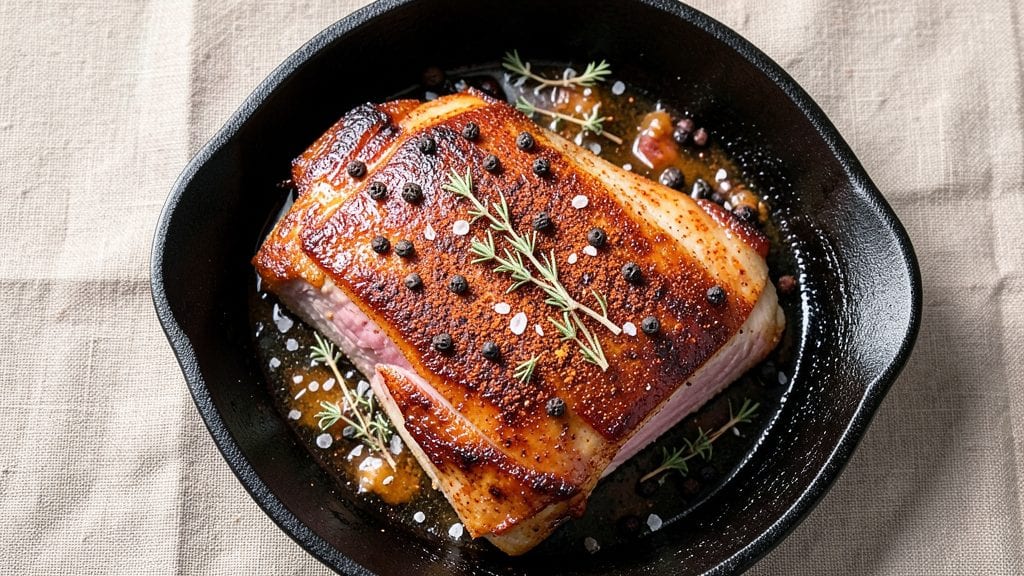
Cooking pork shoulder in an air fryer transforms a traditionally slow process into a 45-minute game-changer for weeknight dinners. I developed this recipe after years of perfecting slow-cooked pork, but the air fryer’s precision heat delivers the same crispy exterior and juicy interior without hours in the oven.
The secret lies in high-temperature searing followed by a controlled rest—techniques I learned from Master Chef Chen that work just as well in an air fryer as they do in a smoker.
What makes this recipe special is the balance between speed and flavor development. You’ll start with a simple dry rub of salt, pepper, and smoked paprika, then let the air fryer’s circulating heat create that signature bark while keeping the meat tender.
The key is monitoring the internal temperature—195°F for pull-apart perfection—while avoiding the common pitfall of overcooking in tight air fryer baskets. My heritage pigs from the farm always yield the best results, but any well-marbled pork shoulder will work.
By the time you’re done, you’ll have a crispy, caramelized crust that gives way to fork-tender meat inside, ready to slice or shred for tacos, sandwiches, or a classic pulled pork plate.
The air fryer’s efficiency means no wasted heat or energy, and the cleanup is minimal compared to traditional methods. This is the kind of pork that turns a simple weeknight into a restaurant-worthy meal without the fuss.
For serving, I recommend a quick glaze of apple cider vinegar and brown sugar or a side of roasted potatoes to soak up every bit of that flavorful juices.
The air fryer’s versatility means you can even finish the potatoes in the same appliance—just adjust the temperature and time accordingly. Let’s get cooking!
Ingredients for pork shoulder air fryer
Pork shoulder meets air fryer magic—crispy crust, juicy interior in under an hour.
| Ingredient | Amount | Notes |
|---|---|---|
| Pork Shoulder (Bone-In, Well-Marbled) 🐷 | 3 lb | Heritage breed preferred for flavor |
| Smoked Paprika 🌶️ | 2 tbsp | For deep, smoky flavor |
| Kosher Salt 🧂 | 1 ½ tbsp | Diamond Crystal preferred |
| Freshly Ground Black Pepper 🌶️ | 1 tbsp | Freshly ground for best flavor |
| Garlic Powder 🧄 | 1 tbsp | For aromatic depth |
| Dried Thyme 🌿 | 1 tbsp | Earthy, aromatic notes |
| Apple Cider Vinegar 🍎 | ¼ cup | For glaze brightness |
| Brown Sugar 🍚 | ¼ cup | For caramelized crust |
| Olive Oil 🫒 | 2 tbsp | For searing and moisture |
| Butter (Unsalted) 🧈 | 2 tbsp | For finishing richness |
| Meat Thermometer 📏 | 1 whole | Essential for accuracy |
The pork shoulder is the star, so bone-in heritage breed gives you that unmatched marbling and depth of flavor. Costco or local butcher often carries these cuts prepped for air frying—just check for vibrant color and good fat distribution. If you're buying whole, trim excess fat but leave some for moisture. The air fryer’s high heat will crisp that fat beautifully, but too much can make the basket greasy. I always pat the meat dry with paper towels before seasoning—this helps the dry rub adhere and creates a better crust. For extra authenticity, ask your butcher to save the skin for you; it crisps up beautifully when air fried.
No heritage pork? Well-marbled pork butt or Boston butt works perfectly—just expect slightly less flavor depth. Short on smoked paprika? Regular paprika plus a pinch of cayenne gets you close, though the smokiness is different. Dried thyme is ideal, but fresh thyme at half the amount works too. For the glaze, honey instead of brown sugar adds sweetness without the caramelization. And if you’re in a pinch, pre-made BBQ sauce can replace the vinegar and sugar combo—just reduce the amount to 0.25 cup. The meat thermometer is non-negotiable; a cheap digital one from Amazon is plenty accurate for this job.
This pork keeps beautifully for 4-5 days in the fridge if stored properly—wrap tightly in foil with the juices, then refrigerate. For the best texture, let it rest 15-20 minutes before slicing or shredding. The glaze can be made ahead and stored in the fridge for up to 1 week. I like to portion the cooked pork into containers and freeze portions for up to 3 months. When reheating, add a splash of water or broth to the container to keep it moist. The air fryer basket should be cleaned immediately after cooking to prevent stuck-on residue—hot soapy water and a plastic spatula work wonders. Don’t skip the resting time; it’s what makes the difference between tough meat and fork-tender perfection.
Why You'll Love This Recipe
- No-Fuss Crispy Skin: Honestly, the secret’s in the prep—patting that pork bone-dry before slathering it with smoked paprika and garlic powder makes all the difference. No fancy marinating, just a 30-minute rest while you preheat the air fryer, and suddenly you’ve got restaurant-worthy crust without the fuss.
- Crave-Worthy Glaze Magic: That final brush of apple cider vinegar and brown sugar? It’s the difference between "meh" and "yes, please." The vinegar brightens up the richness, while the brown sugar caramelizes into a sticky, addictive crust. Trust me, the last bite is the best bite.
- Leftovers That Shine: I make this for Sunday dinner, but honestly, the leftovers are even better. Slice it up, wrap it tightly in foil with those juices, and it stays perfectly tender for 4-5 days. Toss it in tacos, sandwiches, or even a grain bowl—suddenly, your meal prep just got a major upgrade.
- Budget-Friendly Feast: A 3-pound pork shoulder feeds a crowd without breaking the bank, and the air fryer means no standing over a roasting pan for hours. Plus, using a well-marbled bone-in cut means richer flavor for less cost. It’s my secret weapon for feeding hungry families on a budget.
Step-by-step instructions for pork shoulder in the air fryer
This method delivers restaurant-quality pork shoulder with a perfect balance of crispy edges and melt-in-your-mouth tenderness.
Prepare the Pork Shoulder with Dry Rub
Pat the 3 lb pork shoulder (bone-in, well-marbled) completely dry with paper towels—this is critical for crispy skin. In a small bowl, combine 2 tbsp smoked paprika, 1½ tbsp kosher salt, 1 tbsp freshly ground black pepper, 1 tbsp garlic powder, and 1 tbsp dried thyme. Mix until evenly distributed.
Generously coat the entire surface of the pork shoulder with the dry rub, pressing it into the meat so it adheres well. Let it sit at room temperature for 30 minutes while you preheat the air fryer. This resting period allows the rub to penetrate and the meat to cook more evenly. The pork should feel slightly tacky to the touch from the spices.
Preheat and Sear the Pork Shoulder
Preheat your air fryer to 375°F for 5 minutes to ensure even cooking. Place the pork shoulder fat-side up in the air fryer basket and cook for 15 minutes. This initial sear creates a flavorful crust and helps render some of the fat, which will baste the meat as it cooks.
After 15 minutes, flip the pork shoulder and cook for another 10 minutes on the other side. You'll notice the exterior beginning to develop a golden-brown color—this is your signal that the searing phase is working. The pork should feel firm to the touch and release easily from the basket when ready to flip. Don't skip this step; proper searing locks in moisture and builds flavor.
Cook Until Juicy Perfection
Reduce the air fryer temperature to 300°F and continue cooking the pork shoulder for an additional 20-25 minutes. Use the meat thermometer to check the internal temperature—it should reach 195-200°F in the thickest part of the meat. This is the "probe-tender" stage where the pork becomes fork-tender and juicy.
During the final 5 minutes of cooking, brush the pork shoulder with a mixture of ¼ cup apple cider vinegar and ¼ cup brown sugar for a glossy, caramelized finish. This glaze enhances the crust while adding a touch of brightness to balance the richness. The pork should have a deep golden-brown color and a tantalizing aroma when fully cooked. If the glaze thickens too much, add a splash of water to thin it slightly.
Rest and Finish with Butter
Transfer the cooked pork shoulder to a cutting board and tent loosely with aluminum foil. Let it rest for 10-15 minutes before slicing. This resting period allows the juices to redistribute throughout the meat, ensuring each slice is moist and flavorful. The internal temperature will rise slightly during this time—this is normal and expected.
While the pork rests, melt 2 tbsp unsalted butter in a small saucepan over low heat. Once melted, brush the butter generously over the entire surface of the pork shoulder. This step adds a luxurious finish and ties all the flavors together. Slice the pork shoulder against the grain into ¼-inch thick pieces and serve immediately with your favorite sides.
Pro Tips For Making Pork Shoulder Air Fryer
- Preheat Like a Pro: That 5-minute preheat at 375°F isn’t just busywork—it’s what gets your air fryer hot enough to render fat properly from the start. I used to skip it, and my pork always came out greasier than crispy. Trust the process, even if you’re eager to dive in.
- Salt the Pork Early: The 30-minute rest isn’t just for the rub to stick—it’s when the kosher salt actually starts working its magic, breaking down the meat fibers for tenderness. I learned this the hard way by rushing it; the pork stayed tougher than expected. Give it that time, even if you’re impatient.
- Watch the Glaze Thickness: That apple cider vinegar and brown sugar mix should coat the pork like syrup, not clump like molasses. If it thickens too much during the final 5 minutes, add a splash of water—just enough to loosen it. I’ve seen it happen when the air fryer’s heat concentrates the glaze too fast, and it turns into a sticky mess instead of a glossy finish.
- Butter While It Rests: Melt that unsalted butter while the pork rests—don’t wait until the last second. The residual heat from the air fryer will keep the butter warm enough to brush on smoothly, and it seals in those juices better than cold butter ever could. I used to rush this, and the butter would cool too fast, making it harder to spread evenly.
Storing and reheating this recipe
Fridge Storage Secrets
After cooking, let your pork shoulder rest for 10-15 minutes before wrapping it tightly in aluminum foil, trapping those delicious juices inside. Store it in an airtight container—I use Pyrex glass containers—and keep it refrigerated at 40°F or below.
This method preserves the meat’s tenderness for 4-5 days while keeping flavors vibrant. I always label the container with the date to track freshness. ❄️
Glaze Prep Ahead
The apple cider vinegar and brown sugar glaze makes an excellent candidate for meal prep. Mix it ahead of time and store it in a sealed jar in the fridge for up to 1 week.
Just reheat gently before brushing onto the pork—microwave for 10 seconds or warm on the stovetop. This saves time when you’re ready to serve. I like to keep a small sample in the fridge to test flavors.
Reheating Like a Pro
For the best texture, reheat your pork shoulder in the air fryer at 325°F for 8-10 minutes. This method maintains moisture and recaptures that crispy exterior. If you prefer stovetop, use a heavy-bottomed skillet over medium-low heat and add 1 tbsp water or broth to prevent drying.
Always check the internal temperature reaches 165°F before serving.
Freezing for Later
While not ideal for air fryer reheating, you can freeze cooked pork shoulder in portions for up to 3 months. Wrap individual servings tightly in foil or use freezer-safe bags with the air squeezed out. When ready to eat, thaw overnight in the fridge and reheat as directed.
I often freeze my pork shoulder for Sunday meal prep—just pop it in the air fryer when I need a quick weeknight dinner. 💫
Cleanup Shortcuts
Cleaning the air fryer basket after pork cooking can be tricky, but a hot soapy water rinse with a plastic spatula works wonders. For stubborn residue, soak the basket in equal parts water and vinegar for 30 minutes before scrubbing.
I keep a small spray bottle of this solution handy for quick cleanups. Always unplug and let the air fryer cool completely before cleaning.
Nutrition facts
Frequently asked questions
Why does my pork shoulder need to rest after cooking?
Resting is essential—it lets the juices redistribute evenly throughout the meat. After cooking at 195-200°F, the pork's internal temperature will rise another 5-10°F during the 10-15 minute rest. Skipping this step means dry, uneven slices. Tent loosely with foil to trap heat without steaming!
Can I use regular paprika instead of smoked paprika?
Yes, but expect a milder flavor. For depth, add a pinch of cayenne or a dash of liquid smoke. The smoked paprika creates that signature air-fryer bark—regular paprika still works, though! The 2 tbsp is key for maximum flavor impact.
What if my air fryer basket isn't big enough?
Cook in batches! Divide the pork shoulder into two pieces if needed. Just ensure they fit comfortably with space between pieces for even airflow. Use a meat thermometer to confirm 195-200°F in the thickest part of each batch. Patience pays off for perfect texture!
How do I prevent the glaze from burning?
Apply the apple cider vinegar and brown sugar mixture only during the final 5 minutes of cooking. If it thickens too much, add a splash of water to thin it. Keep an eye on the color—golden brown is perfect, not black!
Can I use this method for pork butt instead of pork shoulder?
Pork butt works perfectly—just adjust cooking time slightly if it's thicker. The 3 lb bone-in cut and 195-200°F target remain the same. The fat distribution is similar, so you'll get that same tender, juicy result.