
Main Courses
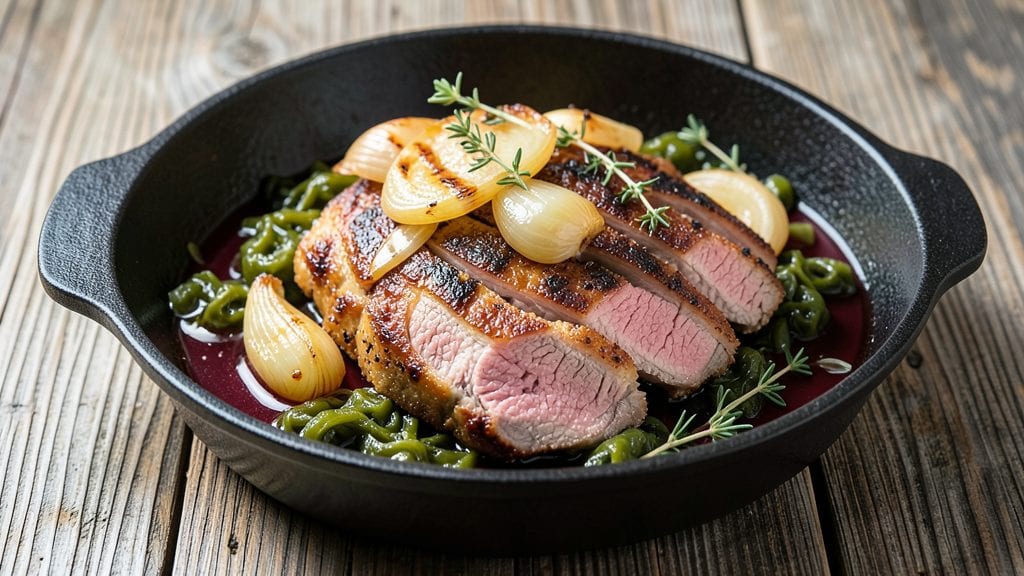
This pork shoulder and sauerkraut recipe delivers melt-in-your-mouth tenderness paired with the tangy crunch of fermented cabbage—a perfect balance of rich meat and bright acidity.
Growing up in small-town Georgia, I learned that slow-cooked pork transforms tough cuts into something unforgettable, and sauerkraut adds that signature tang that cuts through the fat beautifully.
The key lies in patience: letting the pork shoulder break down over hours while the sauerkraut softens just enough to soak up all the juices.
The method is straightforward but requires time—about 4 to 5 hours in a slow oven or smoker—to achieve that tender, fork-shreddable texture.
I start by searing the pork shoulder in a cast-iron skillet (one of my 47 vintage pieces) to build a flavorful crust before transferring it to the oven with onions, garlic, and a splash of apple cider vinegar.
The sauerkraut gets added in the last hour, so it retains its signature crunch while absorbing the pork’s rich juices.
By the time you’re done, you’ll have juicy, fall-apart pork with crispy edges and a sauce thickened by rendered fat and caramelized onions. The sauerkraut adds a bright, fermented contrast that keeps every bite interesting.
This dish is hearty enough for a family dinner but simple enough for a weeknight—just don’t skip the resting time, or you’ll lose all those precious juices.
Serve it with roasted potatoes or crusty bread to soak up the sauce, or add a sprinkle of caraway seeds for an extra layer of warmth.
The leftovers? Even better the next day, as the flavors deepen and the pork becomes even more tender. Let’s get cooking—this one’s worth the wait.
Ingredients for pork shoulder and sauerkraut
Pantry staples meet rustic tradition—just a few ingredients for unforgettable flavor.
| Ingredient | Amount | Notes |
|---|---|---|
| Pork Shoulder 🐖 | 4 lb | Bone-in, well-marbled cut preferred |
| Sauerkraut 🥬 | 2 cups | Unopened jar, drained slightly |
| Yellow Onions 🧅 | 2 whole | Medium, thinly sliced |
| Garlic Cloves 🧄 | 6 cloves | Peeled, smashed for infusion |
| Apple Cider Vinegar 🍎 | ¼ cup | Unfiltered for depth |
| Fresh Thyme 🌿 | 2 tbsp | Leaves only, chopped |
| Fresh Rosemary 🌿 | 1 tbsp | Needles finely chopped |
| Kosher Salt 🧂 | 1 ½ tbsp | Diamond Crystal preferred |
| Black Peppercorns 🌶️ | 1 tsp | Freshly cracked |
| Olive Oil 🫒 | 2 tbsp | Extra-virgin for searing |
| Bay Leaves 🌿 | 2 whole | Dried, standard size |
| Honey 🍯 | 1 tbsp | Wildflower preferred |
| Caraway Seeds 🌾 | 1 tsp | Toasted for aroma |
The pork shoulder makes this dish. Look for bone-in, well-marbled cuts at your local butcher shop—they'll have the best quality, and the bone adds flavor. If you're buying pre-cut from the grocery store, Costco or Whole Foods have reliable options, but nothing beats a butcher's cut. The fat cap should be thick enough to baste the meat as it cooks. For the sauerkraut, unopened jars from the refrigerated section are key—look for brands like Bubbies or Masontown, which have the right tang without being too vinegary. If you're feeling adventurous, try fermenting your own cabbage for even more depth of flavor, but store-bought works perfectly fine for this recipe.
No apple cider vinegar? White wine vinegar or even a splash of red wine will work in a pinch, though the flavor profile will be slightly different. Fresh herbs are ideal, but dried thyme at one-third the amount gets you close if you're short on time. The caraway seeds are optional but add that signature warmth—if you can't find them, a pinch of ground allspice works as a substitute. For the onions, yellow or red will do, but avoid sweet onions like Vidalia if you want a more traditional flavor. The honey adds just a touch of sweetness to balance the tang—maple syrup works too, though it has a different texture. And if you're worried about the pork being too rich, don't be: the sauerkraut and vinegar cut through the fat beautifully.
This dish tastes even better the next day, so make extra if you can. Store leftovers in an airtight container in the fridge for up to 5 days, or freeze for 3 months—the flavors deepen over time. To reheat, warm gently in a skillet with a splash of water or broth to keep things moist. The sauerkraut will soften further but still hold its crunch. If you're serving a crowd, double the recipe—just be sure to use a larger Dutch oven or slow cooker. The key to success? Patience. Let the pork rest for at least 30 minutes before slicing, or you'll lose all those precious juices.
Why You'll Love This Recipe
- One-Pot, One-Oven Wonder: Honestly, this is the kind of dish where you throw everything in one pot and let the oven do the heavy lifting. After searing the pork shoulder and building that aromatic base with onions and garlic, the rest is just waiting—no constant stirring, no babysitting. My oven timer goes off, I turn it once, and boom, done. That’s 3 hours of you doing nothing while the house smells like a cozy German bistro.
- Tangy, Sweet, Umami Bomb: The sauerkraut isn’t just there for texture—it’s the star’s tangy counterpart to the pork’s richness, while the toasted caraway seeds and apple cider vinegar add that sharp, complex depth. I’ll be real: the first bite where the crispy skin meets the creamy, caramelized pork? That’s the kind of contrast that makes you pause mid-chew. The honey and thyme tie it all together like a perfect hug.
- Feeds a Crowd (or Your Cravings): This isn’t your sad, single-serving meal. A 4-pound pork shoulder feeds six hungry people easily—or three with leftovers. And here’s the kicker: the flavors get better the next day. My kids fight over seconds, my partner asks for seconds again, and I’m left with enough for lunch tomorrow. It’s the ultimate meal for game nights, potlucks, or when you’re too tired to cook but still want to eat like a king.
- Budget-Friendly Protein Power: Pork shoulder is one of the most affordable cuts you can buy, and with the sauerkraut and onions already in my pantry, this dish costs me less than takeout. The slow-cooked tenderness means you’re not wasting a single bite—every forkful is juicy, every scrap is delicious. Plus, freezing leftovers for up to 3 months? That’s my secret weapon for lazy Sundays.
Step-by-step instructions for slow-braised pork shoulder
Here's the method that guarantees melt-in-your-mouth tenderness with every bite.
Sear the Pork Shoulder for Deep Flavor
Pat the 4 lb pork shoulder dry with paper towels—this ensures maximum browning. Heat a heavy Dutch oven over medium-high heat and add the 2 tbsp olive oil. Once shimmering, place the pork shoulder fat-side down and sear undisturbed for 8-10 minutes until the fat renders and the skin turns deep golden brown. Flip and repeat on the second side.
Real talk: Don't skip this step. The Maillard reaction happening here builds the foundation of flavor that slow cooking alone can't replicate. If you notice the fat isn't rendering quickly enough, reduce the heat slightly—you want steady sizzling, not smoking. After searing, remove the pork and set it aside on a plate.
Build the Aromatic Base
In the same Dutch oven, add the 2 yellow onions and cook for 5-6 minutes until softened and just beginning to caramelize. Add the 6 smashed garlic cloves and cook for 30 seconds until fragrant. Stir in the 2 tbsp chopped fresh thyme, 1 tbsp chopped fresh rosemary, and 1 tsp toasted caraway seeds, cooking for another minute until the herbs release their oils.
This is where the magic happens—the combination of sweet onions, aromatic garlic, and earthy caraway seeds creates a flavor bomb that will permeate every bite of pork. I like to toast the caraway seeds in a dry pan first for 30 seconds before adding them to deepen their nutty aroma. If any of the onions start to brown too quickly, reduce the heat to maintain even cooking.
Create the Braising Liquid
Deglaze the Dutch oven with the ¼ cup apple cider vinegar, scraping up all the browned bits from the bottom. Add 2 cups of water, the 2 bay leaves, 1 tbsp honey, 1½ tbsp kosher salt, and 1 tsp freshly cracked black peppercorns. Stir well to combine, then return the pork shoulder to the pot, fat-side up.
The vinegar cuts through the richness of the pork while the honey adds subtle sweetness that balances the tangy sauerkraut we'll add later. Here's the thing—don't be tempted to add more liquid. The pork will release moisture as it cooks, and we want that flavor concentrated in the braising liquid. The bay leaves and peppercorns infuse subtle earthy notes that elevate the entire dish.
Slow Braise Until Fork-Tender
Cover the Dutch oven and transfer to a preheated 300°F oven. Braise for 3-3½ hours, turning the pork every 45 minutes to ensure even cooking. You'll know it's ready when a meat thermometer inserted into the thickest part reads 200-203°F and the meat is fork-tender with no resistance.
Patience is key here—this is where the collagen breaks down and transforms into gelatin, creating that melt-in-your-mouth texture we're after. I check the temperature at the 3-hour mark and then let it cook uncovered for the final 30 minutes if needed. The pork should be falling apart easily when you test it. If the liquid reduces too quickly, add ¼ cup water to maintain moisture.
Finish with Sauerkraut and Serve
Remove the pork shoulder and let it rest for 15 minutes. Meanwhile, drain the 2 cups sauerkraut and add it to the Dutch oven with the braising liquid. Simmer uncovered for 5 minutes to heat through. Return the pork to the pot, spooning the sauerkraut mixture over the top.
The tangy sauerkraut cuts through the richness of the pork while adding a delightful crunch. Here's the moment that matters: when serving, slice against the grain for maximum tenderness. The pork should have a beautiful caramelized exterior with juices flowing freely. Serve with the sauerkraut mixture spooned over each portion—it's that good you'll want to eat it straight from the pot.
Pro Tips For Making Pork Shoulder And Sauerkraut
- Brown the Pork First: High heat for 8-10 minutes until deep golden—this isn’t just for looks. The crust locks in flavor and keeps the meat from drying out later, especially with sauerkraut’s acidity. I used to skip this and wondered why my pork tasted bland.
- Rinse the Sauerkraut: Drain and rinse the sauerkraut under cold water to cut the sharpness, but don’t overdo it—save ½ cup of that briny liquid. It’s the base for your sauce, and skipping the rinse makes the dish taste like a pickle bomb.
- Don’t Crowd the Pan: If searing the onions and garlic, spread them out so they crisp instead of steam. I learned this the hard way—mushy onions ruin the texture contrast with the pork’s crispy edges. Works for both stovetop and oven methods.
- Deglaze with Vinegar: After browning the pork, splash in ¼ cup apple cider vinegar immediately—it lifts all the stuck-on bits and balances the sauerkraut’s acid. Use a wooden spoon to scrape like your life depends on it (because it does).
Essential equipment for this dish
Your Dutch Oven
This recipe lives and dies by your Dutch oven—specifically, a heavy, enameled cast iron like the Le Creuset or Lodge models I swear by. I have a vintage Lodge 7-quart that’s seen a thousand braises, and it’s non-negotiable for this dish.
The enamel prevents rust, while the cast iron retains heat like a dream. If you’re on a budget, a stainless steel Dutch oven from All-Clad works too, but it won’t develop that beloved patina over time. Don’t skip the lid—it’s essential for trapping steam during the braise. 🔥
Meat Thermometer
A digital meat thermometer is your best friend for this recipe. I use the Thermoworks Smoke because it’s got dual probes, so I can track both the oven temperature and the pork’s internal temp simultaneously.
No guesswork here—insert the probe into the thickest part of the pork shoulder until you hit 200-203°F. If you’re using an older analog thermometer, double-check it against a known temperature (like boiling water) to ensure accuracy. Trust me, this avoids the heartbreak of overcooked pork. 🌡️
Cast Iron Skillet
For the initial sear, I swear by a 12-inch Lodge cast iron skillet. The thick metal distributes heat evenly and develops that gorgeous crust on the pork.
If you don’t own one, a heavy stainless steel skillet will work in a pinch, but you’ll need to be extra careful not to burn the onions or garlic during the aromatic base step.
I’ve got 47 cast iron pieces in my collection, but this is my go-to for searing pork. Pro tip: Season your skillet before using it for the first time—rub it with oil and bake it at 400°F for an hour to create that natural non-stick surface. 💛
Paper Towels and Tongs
Pat the pork shoulder dry with paper towels before searing—this is non-negotiable for getting that perfect crust. I keep a stack of Bounty extra-absorbent towels on hand because they’re the best for this job.
For flipping the pork, I use long-handled tongs like the OXO Good Grips—they give me a firm grip without crushing the meat. Avoid forks or spoons; they’ll puncture the pork and let all those juices escape. Trust me, you’ll thank me later when your pork is perfectly seared. 💪
Slow Cooker Hack
If you don’t have an oven, a slow cooker can work for this recipe, though it won’t give you that caramelized crust. I’ve done it before—transfer the seared pork to a 6-quart slow cooker after building the aromatic base, then add the remaining ingredients.
Cook on low for 8-10 hours or high for 5-6 hours, stirring occasionally. The texture will be tender, but the flavor depth won’t be quite the same as oven-braised. Still, it’s a great backup plan for busy nights. ⏰
Nutrition facts
Frequently asked questions
Why does the pork shoulder need to rest before slicing?
Resting the pork for 15 minutes after braising lets the juices redistribute throughout the meat instead of spilling out when you cut it. This keeps every bite moist and flavorful—no dry, stringy pork here! The collagen also continues to break down slightly during rest, making the texture even more tender. Trust me, this step makes all the difference.
Can I add the sauerkraut earlier in the cooking process?
Not ideal—adding sauerkraut too soon can make it mushy instead of maintaining its signature crunch. The recipe calls for adding it in the last 5 minutes of simmering so it stays bright and tangy while soaking up the pork’s juices. If you’re worried about texture, drain it well before adding and cook it separately if needed.
What if my pork shoulder isn’t fork-tender after 3 hours?
If the meat still feels firm, increase the oven temperature to 325°F and cook another 30-60 minutes, checking the temperature every 15 minutes. The internal temp should reach 200-203°F for perfect tenderness. If it’s still tough, the cut might not have been well-marbled—next time, ask your butcher for extra fat coverage. Patience pays off!
Can I substitute fresh cabbage for sauerkraut?
You can, but the flavor won’t be the same! Fresh cabbage lacks the tangy fermentation that makes sauerkraut special. If you must substitute, use ½ cup apple cider vinegar and 1 tbsp sugar to mimic the tang and sweetness, then cook it down with the pork’s juices. The texture will be softer, though.