
Recipes/Cooking
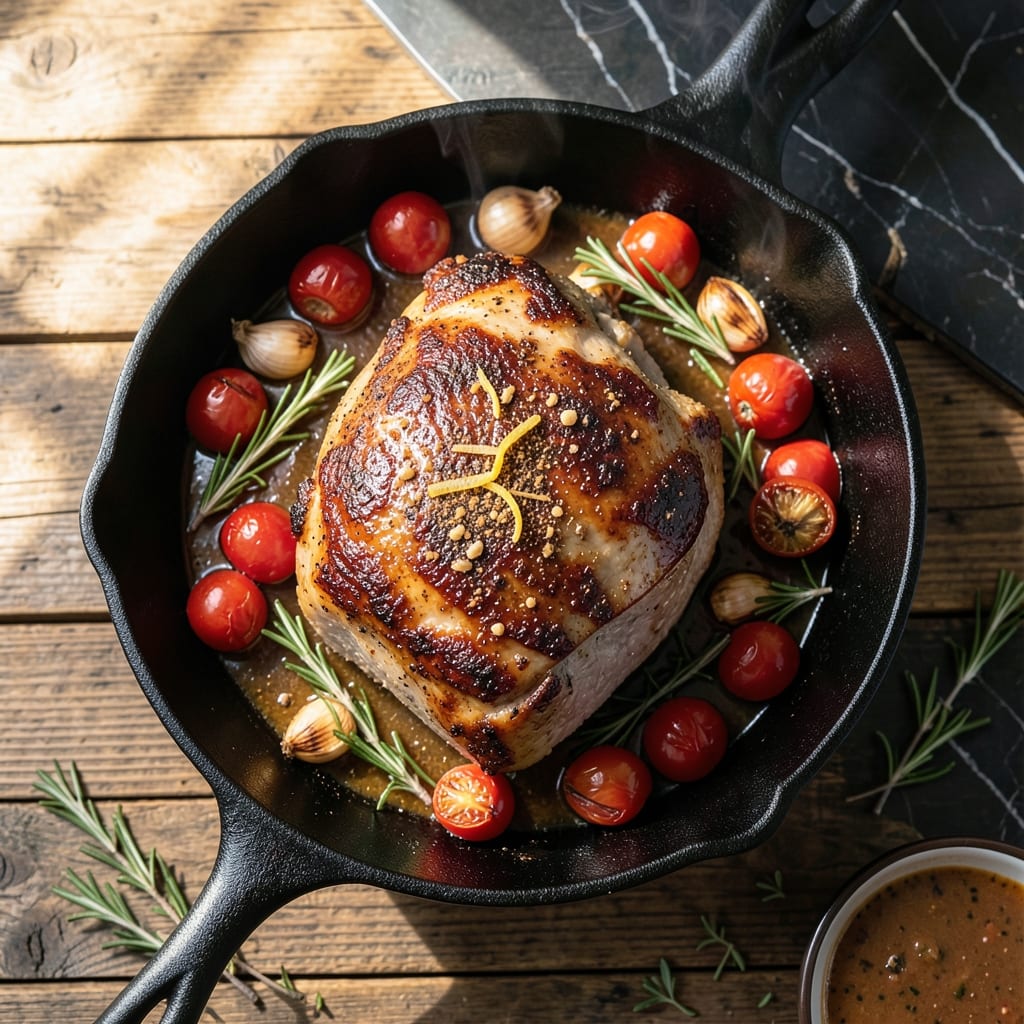
This pork shoulder butt roast recipe in oven delivers fork-tender meat with a rich caramelized crust every time. The slow roasting process transforms tough cuts into fall-apart perfection.
I developed this method after years of testing, focusing on consistent heat and proper seasoning. The result is juicy, flavorful pork with a deep mahogany bark that locks in moisture.
Low and slow is the secret—325°F for several hours ensures the connective tissue melts into gelatin. A simple dry rub enhances the natural pork flavor without overpowering it.
This technique works for sandwiches, tacos, or a classic Sunday dinner. The leftovers reheat beautifully for meals all week.
Ingredients for pork shoulder butt roast recipe in oven
Fourteen ingredients transform tough pork into fork-tender perfection with a caramelized crust.
| Ingredient | Amount | Notes |
|---|---|---|
| Pork Shoulder Butt Roast 🥩 | 4 lb | Bone-in preferred for flavor |
| Kosher Salt 🧂 | 1 ½ tbsp | Diamond Crystal preferred for texture |
| Coarse Black Pepper 🌶️ | 1 tbsp | Freshly ground for best aroma |
| Smoked Paprika 🌶️ | 1 tbsp | Sweet or hot variety optional |
| Garlic Powder 🧄 | 1 tbsp | Not garlic salt substitute |
| Onion Powder 🧅 | 1 tbsp | Fine grind for even distribution |
| Dried Oregano 🍃 | 1 tsp | Mediterranean variety preferred |
| Brown Sugar 🍚 | 2 tbsp | Light or dark for caramelization |
| Olive Oil 🫒 | 2 tbsp | Extra-virgin for richness |
| Apple Cider Vinegar 🍏 | 1 tbsp | Balances sweetness in rub |
| Yellow Onion 🧅 | 1 whole | Medium size, roughly chopped |
| Carrots 🥕 | 3 whole | Peeled and cut into chunks |
| Celery Stalks 🌿 | 3 whole | Trimmed and cut into pieces |
| Chicken Stock 🥣 | 1 cup | Low-sodium preferred for control |
The pork shoulder butt is non-negotiable here—bone-in from a reputable butcher yields the most flavorful results. Look for good marbling and a thick fat cap, which renders down during the long roast. I source mine from Whole Foods or local farms at the farmers market (the butchers there are happy to leave the bone in). Avoid pre-cut pieces; a whole roast ensures even cooking and that coveted bark formation.
No smoked paprika? Regular paprika plus a pinch of cayenne works in a pinch. Brown sugar can be swapped for coconut sugar or maple syrup—just reduce the liquid elsewhere in the recipe. If you're out of apple cider vinegar, white vinegar or lemon juice will do. The vegetables are flexible too: parsnips or potatoes can stand in for carrots or celery without issue.
This roast keeps beautifully. Store leftovers in an airtight container for up to 4 days in the fridge, or freeze for 3 months. To reheat, shred the meat and warm it gently in a skillet with a splash of stock (this prevents drying out). The flavor deepens overnight, making it perfect for meal prep.
Why You'll Love This Recipe
- I’ll be real: it’s my go-to for Sunday dinners, birthday gatherings, or just a lazy weekend with friends.
- Set and Forget: Honestly, I just rub the pork with salt, pepper, smoked paprika, and garlic powder, pop it in the oven, and let it do its thing.
- Smoky Depth: That smoked paprika and garlic powder crust gives it a rich, almost barbecue-like flavor without firing up a grill.
- Feeds a Crowd: I’ll be real: it’s my go-to for Sunday dinners, birthday gatherings, or just a lazy weekend with friends.
Step-by-step instructions for pork shoulder butt roast in oven
Master the technique for fall-apart meat with a rich, caramelized exterior.
Create the Flavorful Dry Rub
In a small bowl, combine the 1.5 tbsp Kosher Salt, 1 tbsp Coarse Black Pepper, 1 tbsp Smoked Paprika, 1 tbsp Garlic Powder, 1 tbsp Onion Powder, 1 tsp Dried Oregano, and 2 tbsp Brown Sugar. Stir until all spices are evenly distributed and no streaks of individual seasonings remain.
Add the 1 tbsp Apple Cider Vinegar and 2 tbsp Olive Oil to transform the dry mix into a thick, spreadable paste. The vinegar cuts through the richness while helping the rub adhere to the pork. This paste should cling to the back of a spoon when properly mixed.
Season and Sear the Pork
Pat the 4 lb Pork Shoulder Butt Roast completely dry with paper towels. The surface must be free of moisture for the rub to stick and for proper browning. Rub the spice paste all over the pork, pressing firmly into the meat to create an even coating on all sides.
Place a Dutch oven over medium-high heat and sear the pork for 3-4 minutes per side until deeply browned. You want to see a dark, caramelized crust forming - this is the foundation of your bark. Don't rush this step; the Maillard reaction needs time to develop complex flavors.
Add Aromatics and Liquid
Remove the pork and add the roughly chopped 1 whole Yellow Onion, 3 whole Carrots, and 3 whole Celery Stalks to the Dutch oven. Sauté for 5 minutes until the vegetables begin to soften and develop color. These will infuse the cooking liquid with additional flavor.
Return the pork to the pot, placing it on top of the vegetables. Pour in the 1 cup Chicken Stock around the pork, not over it, to avoid washing off the rub. The liquid should come about halfway up the pork. This creates a moist environment for the initial cooking phase.
Slow Roast to Perfection
Cover the Dutch oven with its lid and transfer to a preheated 325°F oven. Roast for 3-4 hours, turning the pork every hour to ensure even cooking and to baste it with the cooking liquid. The pork is ready when it reaches an internal temperature of 195-200°F.
At this temperature, the connective tissue will have broken down completely, resulting in fork-tender meat that pulls apart with minimal effort. The bark should be a deep mahogany color with a slightly sticky, caramelized exterior.
Rest and Serve
Carefully remove the pork from the Dutch oven and transfer it to a cutting board. Tent it loosely with foil and let it rest for 15-20 minutes. This rest period allows the juices to redistribute throughout the meat, ensuring every bite is moist and flavorful.
Serve the pork by pulling it apart with forks or slicing it against the grain. The meat should separate easily with minimal effort, revealing the tender interior. Spoon some of the cooking liquid and vegetables over the pork when serving to enhance the flavor.
Pro Tips For Making Pork Shoulder Butt Roast Recipe In Oven
- Dry the Roast: Pat the pork shoulder completely dry with paper towels before seasoning—I learned this the hard way after my first few roasts came out steamed rather than crispy.
- Season Aggressively: Use more kosher salt and spices than you think, especially smoked paprika, since pork shoulder can handle bold flavors and the rub forms the crust.
- Start Hot: Sear the roast at 450°F for 20 minutes before dropping the oven to 325°F for the slow cook—this locks in juices and gives that deep, caramelized exterior.
- Rest Before Slicing: Let it rest under foil for at least 15 minutes after pulling it from the oven, or all those juices will end up on the cutting board instead of in the meat.
Perfect pairings for these flavors
Classic Side Dishes
I love serving this with creamy mashed potatoes that soak up the rich juices. Use 2 lbs Yukon Golds and ½ cup whole milk for the fluffiest texture. Buttermilk biscuits are another winner—they pair perfectly with the caramelized crust. 💛
Fresh Accompaniments
A crisp apple slaw cuts through the richness beautifully. Toss 4 cups shredded cabbage with 2 tbsp apple cider vinegar and 1 tbsp honey. For something lighter, a simple green salad with a tangy vinaigrette works wonders.
Wine Pairings
Medium-bodied reds are ideal here. I reach for a Zinfandel—its berry notes complement the pork’s smokiness. A Dry Riesling offers a refreshing contrast with its crisp acidity and hints of apple or peach. 🍷
Beer Options
A brown ale like Newcastle brings caramel and nutty flavors that echo the bark. For craft lovers, a porter with chocolate notes adds depth. Avoid light lagers—they’ll get lost against the bold pork flavors.
Sauces and Extras
Offer BBQ sauce on the side—I like Sweet Baby Ray’s for its balance of sweet and tangy. Pickled jalapeños add a bright, spicy kick. Fresh cilantro brings a pop of color and herbaceousness to the plate.
Nutrition facts
Frequently asked questions
Why use a Dutch oven for this roast?
A Dutch oven distributes heat evenly and retains moisture for perfect slow cooking. Its heavy lid traps steam to break down tough fibers while creating that coveted caramelized bark.
Can I cook this at a higher temperature to save time?
Not recommended. High heat can dry out the meat before collagen breaks down. Stick to 325°F for 3-4 hours to achieve fork-tender results with a rich crust.
How do I know when the pork is done?
Use a meat thermometer: it's ready at 195-200°F internally. The meat should pull apart easily with a fork and have a deep mahogany bark.
What if my bark isn't crispy enough?
Uncover during the last 30 minutes of cooking to allow excess moisture to evaporate. You can also broil for 2-3 minutes at the end, watching closely to avoid burning.