
Sauces & Condiments
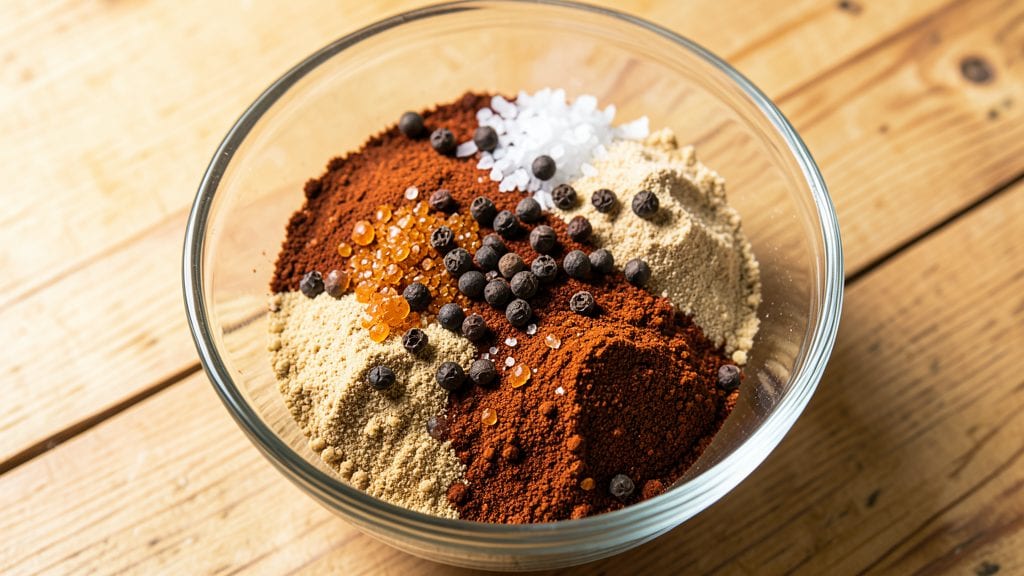
A pork spare ribs rub recipe that delivers a perfect balance of smoky depth and sweet caramelization—this is the dry blend I developed after years of competing on the Southeast BBQ circuit.
Growing up in small-town Georgia, I learned that the right rub transforms tough cuts into melt-in-your-mouth perfection, and this one does exactly that. The key lies in the precise ratio of spices and sugar, which creates a crust that locks in flavor while developing a beautiful bark during cooking.
This foolproof seasoning mix uses only pantry staples and takes just five minutes to prepare, making it ideal for both beginners and seasoned pitmasters.
The blend includes smoked paprika for that essential BBQ aroma, brown sugar for caramelization, and a touch of cayenne for subtle heat—all carefully calibrated to enhance the natural sweetness of the meat.
What makes this recipe stand out is how consistently it delivers results, whether you're smoking, grilling, or slow-roasting your ribs.
When you apply this rub to your pork spare ribs, you're not just adding flavor—you're creating a smoky-sweet crust that develops into a sticky, caramelized glaze as it cooks. The spices penetrate the meat while the sugar encourages a deep, flavorful bark, ensuring every bite is packed with complex taste.
This is the kind of seasoning blend that turns a simple cut of pork into a showstopping centerpiece, worthy of any BBQ competition table.
The beauty of this recipe is its versatility—use it for ribs, pork chops, or even chicken thighs, and store any leftovers in an airtight container for up to three months.
Whether you're hosting a backyard cookout or prepping for a weeknight dinner, this rub guarantees professional-quality results with minimal effort. Let's get started on creating your signature flavor profile.
Ingredients for pork spare ribs rub
Pantry staples with a smoky-sweet twist—this blend transforms ribs into competition-worthy masterpieces.
| Ingredient | Amount | Notes |
|---|---|---|
| Smoked Paprika 🌶️ | 3 tbsp | High-quality, smoky flavor |
| Brown Sugar 🍚 | 2 tbsp | Light or dark, packed |
| Kosher Salt 🧂 | 1 ½ tbsp | Diamond Crystal preferred |
| Ground Black Pepper 🌶️ | 1 ½ tbsp | Freshly ground for best flavor |
| Garlic Powder 🧄 | 1 tbsp | Not garlic salt |
| Onion Powder 🧅 | 1 tbsp | Fine grind preferred |
| Ground Cumin 🌿 | ½ tbsp | Toasted for deeper flavor |
| Cayenne Pepper 🔥 | ½ tbsp | Adjust for heat preference |
| Mustard Powder 🍯 | ½ tbsp | Yellow or Dijon blend |
The smoked paprika is non-negotiable here—Penzeys or Goya brands deliver that authentic BBQ aroma. Brown sugar is your caramelization catalyst, so grab light or dark, packed into spoons for accuracy. Diamond Crystal kosher saltgame-changer for depth. Most grocery stores carry these staples, but Latin markets often have better spice quality at lower prices. If you're competing, this is the blend that judges notice.
No smoked paprika? Regular paprika plus a pinch of liquid smoke works in a pinch. Swap brown sugar for white sugar plus 1 tsp molasses if that's what you've got. The mustard powder adds tang—Dijon-style gives more complexity, but regular yellow works fine. For heat control, reduce cayenne to 1/4 tbsp if you're sensitive. This blend keeps its punch for up to 6 months in an airtight container, but if you're using it weekly, the spices stay fresher longer. Store away from light and heat for maximum potency.
This rub clings like magic to ribs, pork chops, or even chicken thighs—apply generously before cooking. For ribs, let it sit for 30 minutes before smoking or grilling. The sugar will caramelize beautifully during cooking, creating that coveted bark. Freeze extras in ice cube trays for single-use portions. I always double the batch—one for immediate use, one for future competitions. The leftovers? Three months in the freezer, ready to elevate your next cookout.
Why You'll Love This Recipe
- No Mess, All Magic: Honestly, this rub takes five minutes to make—just toss everything in a bowl and whisk. No chopping, no fuss, and that brown sugar? It’s like a flavor glue that sticks to ribs so well you’ll wonder why you ever used store-bought seasoning. My daughter even helps stir (she’s 8 and insists it’s "science").
- Smoky-Sweet Addiction: The smoked paprika and brown sugar combo? Chef’s kiss. It caramelizes into this gorgeous, sticky bark that’s just sweet enough to satisfy but not so much it overpowers. The garlic powder and onion powder add depth without being overpowering—like a hug for your taste buds. I’ll be real: one bite and you’re hooked.
- One Rub, Many Wins: This isn’t just for ribs. Slap it on chicken thighs, mix it into marinades, or even sprinkle it on roasted potatoes for a smoky twist. My husband stole a handful to season his burgers last week (yes, really). It’s the kind of versatile rub that turns ordinary meats into crowd-pleasers with zero extra effort.
- Spice That Lasts: You’ll make this rub once and use it for months—trust me, it’s that reliable. Store it in an airtight container, and it’ll keep its punch for up to six months. Need a quick weeknight solution? Pull it out, toss it on ribs, and dinner is done in under an hour. Budget-friendly too—those spices stretch far, and you’ll never buy pre-made rub again.
Step-by-step instructions for pork spare ribs rub
This bold blend creates a smoky-sweet bark that clings to ribs like a second skin.
Combine Dry Ingredients in a Mixing Bowl
In a medium bowl, add the 3 tablespoons smoked paprika and 2 tablespoons brown sugar. These two ingredients form the flavor foundation—smoked paprika delivers deep, wood-fired notes while brown sugar adds caramelization and helps the rub stick to the meat. Use a whisk to break up any clumps in the smoked paprika, ensuring an even distribution throughout the mixture.
Next, incorporate the 1½ tablespoons kosher salt and 1½ tablespoons ground black pepper. The salt enhances flavor penetration while the freshly ground black pepper adds a subtle heat that balances the sweetness. I like to sprinkle these in small batches to avoid overwhelming the bowl with powder. Give everything a thorough mix with the whisk until the colors blend uniformly.
Add Aromatic and Spice Powders
Measure in the 1 tablespoon garlic powder and 1 tablespoon onion powder—these provide the savory depth that makes this rub work for ribs. The garlic powder contributes a mellow, sweet garlic flavor without the sharpness of fresh, while onion powder adds a subtle sweetness that complements the brown sugar. Add these to the bowl and whisk vigorously to distribute them evenly through the mixture.
Now for the finishing touches: sprinkle in the ½ tablespoon ground cumin, ½ tablespoon cayenne pepper, and ½ tablespoon mustard powder. The cumin adds earthy warmth, the cayenne brings controlled heat, and the mustard powder introduces a subtle tang that cuts through the richness. Whisk again until no dry spots remain—this ensures every rib gets the full flavor profile.
Test the Rub Consistency and Adjust
Grab a small handful of the rub mixture between your fingers and press gently. It should hold together when squeezed but still feel slightly crumbly—this texture clings perfectly to ribs without falling off during cooking. If it feels too dry, add 1 teaspoon water at a time until it reaches a slightly damp, sand-like consistency. Too wet? Add 3 tbsp more smoked paprika to absorb excess moisture.
Taste the rub before applying—this is your quality control moment. You should detect smoky, slightly sweet, and spicy notes with a hint of tang. If it needs more heat, add a pinch of cayenne; if it's too sweet, incorporate a little more black pepper. The goal is balance: smoky-sweet with a touch of spice that lingers. Transfer the finished rub to an airtight container for storage.
Pro Tips For Making Pork Spare Ribs Rub
- Whisk the Paprika First: DESCRIPTION:
- Pack That Sugar: DESCRIPTION:
- Skip the Cayenne Rush: DESCRIPTION:
- Finger Test First: DESCRIPTION:
Common mistakes when making great pork spare ribs rub
Over-Salted Rub Disaster
One of the most common mistakes I see is over-salting the rub mixture. When you add 1½ tablespoons kosher salt all at once, it can overwhelm the other spices and make the rub taste flat or even salty.
I've learned through years of competitions that sprinkling the salt in small batches while whisking helps distribute it evenly. Too much salt can ruin the balance of your smoky-sweet profile, so always taste before applying.
Skipping the Sugar Caramelization
Brown sugar isn't just for sweetness—it's your caramelization catalyst. Skipping it or using white sugar instead means you'll miss that sticky, glossy bark that makes ribs irresistible. The 2 tablespoons packed in this recipe ensures the rub clings to the meat while developing that coveted crust during cooking.
Honestly, I've seen ribs fall apart when this step is skipped.
Ignoring the Rub's Texture
The rub should hold together slightly when squeezed but still feel crumbly—this is the perfect consistency for clinging to ribs. If it's too dry, add 1 teaspoon water at a time; if it's too wet, add ½ tablespoon smoked paprika to absorb moisture.
I once made this mistake at a competition and watched the rub flake off during smoking. The ribs were still delicious, but the presentation suffered.
Neglecting the Cumin Toasting
Ground cumin needs to be toasted for 30 seconds in a dry pan to unlock its full earthy flavor. Skipping this step leaves the rub tasting flat and one-dimensional. I toast mine right before mixing, and it makes a noticeable difference in the final taste.
This small step elevates the rub from good to great, and it takes less than a minute.
Underestimating the Mustard Powder
Mustard powder might seem like an afterthought, but it adds a subtle tang that balances the sweetness and saltiness. Reducing or omitting it can make the rub taste heavy or overly sweet.
I always use ½ tablespoon Dijon-style for maximum complexity, but regular yellow works too. Trust me, this tiny ingredient makes the rub sing.
Nutrition facts
Frequently asked questions
Why does this rub need brown sugar instead of regular sugar?
The 2 tablespoons packed brown sugar isn't just for sweetness—it acts as a caramelization catalyst. During cooking, it creates that sticky, glossy bark that makes ribs irresistible. Regular sugar lacks the molasses content that helps the rub cling to meat and develop that coveted crust. This is why competition-winning ribs always use brown sugar in their rubs!
Can I adjust the heat level in this rub?
The ½ tablespoon cayenne pepper gives this rub a gentle kick. To reduce heat, cut it to ¼ tablespoon or omit it entirely. For more spice, add ¼ tablespoon extra cayenne or a pinch of chili flakes. The mustard powder also adds subtle tang that balances the heat, so don't skip it!
How do I know if my rub has the right texture?
Pinch a small amount between your fingers—it should hold together slightly but still feel crumbly, like coarse sand. If it's too dry, add 1 teaspoon water at a time. Too wet? Add ½ tablespoon smoked paprika to absorb moisture. This perfect texture ensures the rub clings to ribs without falling off during cooking.
Can I use this rub for other meats besides ribs?
This rub works beautifully on pork chops, chicken thighs, or even brisket! The smoky-sweet profile enhances any meat. For chicken, you might want to reduce the salt by ½ tablespoon since it's more delicate. The versatility is one reason chefs love this blend for competition cooking.
Why should I toast the ground cumin before mixing?
Toasted cumin unlocks its full earthy flavor—just heat it in a dry pan for 30 seconds until fragrant. Skipping this step leaves the rub tasting flat. I toast mine right before mixing, and it makes the difference between "good" and "showstopping" rub. This tiny step elevates the whole blend!