
Main Courses
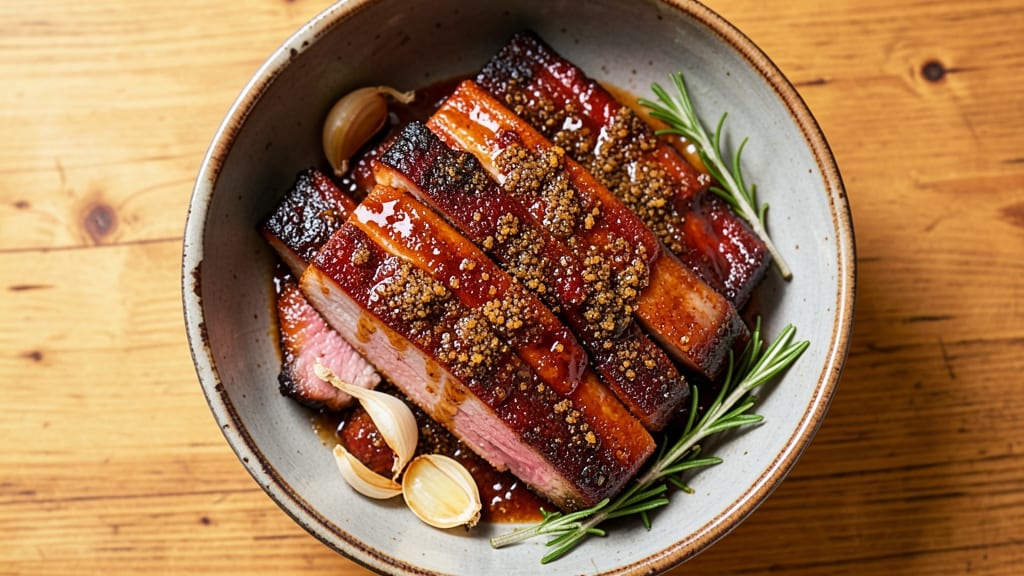
Mastering pork St. Louis spare ribs means transforming tough cuts into melt-in-your-mouth tenderness with a sticky glaze that clings like caramelized perfection. Growing up in small-town Georgia, I learned that slow-cooked pork isn't just a meal—it's a centerpiece, and these ribs deliver that same soulful satisfaction with a professional touch.
The secret lies in the balance of time, temperature, and a glaze that's equal parts sweet and smoky, developed through years of pitmaster experience.
This recipe transforms pork St. Louis spare ribs into restaurant-quality centerpieces using a foolproof slow-cooking method that requires minimal effort but delivers maximum flavor. We'll start with a dry rub that forms a flavorful bark, then move to a sticky glaze that caramelizes beautifully during the final stages.
The result? Ribs that fall apart at the touch of a fork, coated in a glossy, slightly crispy glaze that's impossible to resist. Every bite carries that deep, smoky-sweet harmony that makes these ribs worth the wait.
What sets these ribs apart is the precision in cooking—low and slow for tenderness, then a final sear to lock in juices while developing that signature caramelized glaze. The process may take time, but the reward is a dish that commands attention at any table.
Whether you're feeding a crowd or treating yourself to a special meal, these ribs bring the same quality I've perfected over years in professional kitchens and on my own farm.
Pair them with classic sides like creamy mac and cheese or tangy coleslaw to complete the experience. The glaze works wonders on its own, too—drizzle it over grilled vegetables or even use it as a dipping sauce for extra flavor.
Here's how to achieve that perfect balance of tenderness and glaze every time.
Ingredients for pork st louis spare ribs
Slow-cooked perfection requires just these pantry staples and a few key ingredients.
| Ingredient | Amount | Notes |
|---|---|---|
| Pork St. Louis Spare Ribs 🍖 | 4 lb | Bone-in, trimmed of excess fat |
| Brown Sugar 🍚 | ¾ cup | Dark brown for deeper caramelization |
| Smoked Paprika 🌶️ | 2 tbsp | For smoky depth in dry rub |
| Garlic Powder 🧄 | 1 tbsp | Toasted for richer flavor |
| Onion Powder 🧅 | 1 tbsp | Freshly ground preferred |
| Ground Black Pepper 🌶️ | 1 tsp | Freshly cracked for best flavor |
| Sea Salt 🧂 | 1 tsp | Diamond Crystal preferred |
| Apple Cider Vinegar 🍎 | ¼ cup | For tenderizing and tang |
| Honey 🍯 | ½ cup | Raw, unfiltered for authenticity |
| Ketchup 🍅 | ½ cup | High-quality, no additives |
| Worcestershire Sauce 🍲 | 2 tbsp | High-quality, no artificial flavors |
| Mustard Powder 🥫 | 1 tsp | For depth in glaze |
| Butter 🧈 | ¼ cup | Unsalted, for final sear |
| Chicken Broth 🍲 | 1 cup | Low-sodium preferred |
The ribs are the star here—bone-in St. Louis cuts give you that melt-in-your-mouth texture when cooked low and slow. Look for freshly butchered ribs at your local meat counter or Costco for the best quality. Trim excess fat but leave the marbling—it's what keeps the meat tender during the long cook. If you can't find St. Louis ribs, pork spare ribs work in a pinch, though they'll take slightly longer to break down. The key is to pat them dry thoroughly before applying the rub to ensure a good bark forms.
Brown sugar is non-negotiable for that signature caramelized glaze, but maple syrup at half the quantity works if you're avoiding refined sugar. For the dry rub, smoked paprika is essential—it's what gives the ribs that deep, campfire aroma. No apple cider vinegar? White vinegar plus a splash of lemon juice will tenderize the meat, though the tang won't be as pronounced. The glaze can also be made vegan-friendly by omitting the butter and using coconut oil instead—just note the flavor will be slightly different. Always use high-quality Worcestershire sauce like Lea & Perrins for that umami punch.
These ribs shine when cooked the night before—the flavors deepen overnight in the fridge. Store them in an airtight container with the glaze spooned over the top to keep everything moist. They'll keep for 4-5 days in the fridge, but honestly, they're even better reheated the next day. For freezer storage, cook the ribs fully before freezing, then reheat in the oven with a splash of broth. The glaze will need refreshing after thawing, but the ribs themselves stay juicy. The leftovers make amazing sandwiches or tacos—just shred the meat and mix with a little extra glaze.
Why You'll Love This Recipe
- Lazy Weeknight Win: I’ll admit it—I used to avoid ribs because they felt like a weekend project. Then I discovered this recipe. Just toss those Pork St. Louis spare ribs in a little apple cider vinegar for 30 minutes, slap on that brown sugar and smoked paprika rub, and let the slow cooker do the heavy lifting. No chopping, no fuss, just pure hands-off magic while you’re watching Netflix.
- Sweet, Smoky, Sticky Perfection: The glaze here? Chef’s kiss. That combo of raw honey, high-quality ketchup, and Worcestershire sauce reduces into something syrupy and addictive, while the smoked paprika and garlic powder give it that deep, smoky backbone. The ribs pull apart like butter, with that crispy edge from the broiler that makes every bite feel like a little victory.
- Feeds a Crowd (Without the Crowd): I served these at my daughter’s soccer game last summer, and let’s just say the entire team came back for seconds. They’re perfect for game days, potlucks, or even a lazy Sunday dinner—just double the recipe and you’ve got enough for leftovers. And honestly? The next-day ribs are even better, with that sauce clinging to the meat like it’s been marinating in flavor for days.
- Budget-Friendly Luxury: Pork St. Louis spare ribs are pricier than your average cut, but this recipe stretches them into something special without breaking the bank. The dry rub and glaze ingredients are pantry staples, and the slow cooker turns what could be a dry piece of meat into a restaurant-worthy dish. Plus, with leftovers lasting 4-5 days, you’re getting double the satisfaction for the price of one.
Step-by-step instructions for slow-cooked pork St. louis spare ribs
Here's the method that delivers fall-off-the-bone tenderness with a perfect balance of sweet and smoky flavors.
Prepare the Dry Rub and Tenderize the Ribs
In a medium bowl, combine the ¾ cup brown sugar, 2 tablespoons smoked paprika, 1 tablespoon garlic powder, 1 tablespoon onion powder, 1 teaspoon ground black pepper, and 1 teaspoon sea salt. Mix thoroughly until the brown sugar is evenly coated with the spices. This dry rub is the flavor foundation—don't skip the thorough mixing.
Pat the 4 lb pork St. Louis spare ribs completely dry with paper towels, then place them on a wire rack set over a baking sheet. Pour the ¼ cup apple cider vinegar into a shallow dish and submerge the ribs in the vinegar for 30 minutes. This marinade tenderizes the meat while adding a subtle tang that cuts through the sweetness. After marinating, pat the ribs dry again before applying the rub.
Apply the Rub and Slow-Cook for Maximum Tenderness
Generously coat the ribs with the dry rub mixture, pressing it into every crevice and bone. Place the ribs bone-side down in a slow cooker and add the 1 cup chicken broth to the bottom of the cooker. This liquid creates steam that keeps the meat moist during the long cook. Cover and cook on low for 6 hours—this gentle heat breaks down the connective tissue without drying out the meat.
Here's the thing—don't peek or stir during cooking. Every time you lift the lid, you release heat and moisture, extending the cook time. The ribs are done when they easily pull apart with two forks and the internal temperature reaches 195°F in the thickest part. This low-and-slow method transforms tough meat into melt-in-your-mouth perfection.
Prepare the Sticky Glaze While Ribs Rest
While the ribs cook, prepare the glaze by combining ½ cup honey, ½ cup ketchup, 2 tablespoons Worcestershire sauce, and 1 teaspoon mustard powder in a small saucepan. Bring to a simmer over medium heat and cook for 5-7 minutes until the mixture thickens slightly and reduces by about one-third. The glaze should coat the back of a spoon with a syrupy consistency.
Remove the ribs from the slow cooker and let them rest for 15 minutes before glazing. This resting period allows the juices to redistribute, preventing them from running out when you cut into the meat. During this time, melt the ¼ cup butter in a separate small saucepan over low heat—this butter will be used to baste the ribs for an extra-rich finish.
Glaze and Finish for Maximum Flavor Impact
Transfer the rested ribs to a baking sheet lined with aluminum foil. Using a pastry brush, generously coat the ribs with the prepared glaze, making sure to get into all the crevices. Brush the melted butter over the glazed ribs to create a glossy finish that locks in moisture and adds richness. Place the baking sheet under a broiler for 2-3 minutes until the glaze caramelizes and becomes bubbly.
Watch the glaze carefully—it should develop a deep amber color with slight charring in spots. This caramelization creates the signature sticky texture that makes these ribs irresistible. Remove from the broiler and let the ribs rest for another 5 minutes before serving. The result is tender, juicy ribs with a perfect balance of sweet, smoky, and tangy flavors that cling to every bite.
Serve with Confidence
Slice the ribs between each bone to create individual portions that are easy to serve. Arrange on a platter and drizzle any remaining glaze from the baking sheet over the top. The ribs should be fork-tender with a glossy, sticky glaze that's slightly crisp on the edges. Serve immediately with your favorite sides—mashed potatoes, coleslaw, or crusty bread to soak up the delicious sauce.
This method guarantees ribs that are perfectly tender with a complex flavor profile. The slow cooking ensures they're fall-apart tender, while the glaze adds that irresistible stickiness that makes these ribs a crowd-pleaser. Don't be afraid to make extra—they disappear fast!
Pro Tips For Making Pork St Louis Spare Ribs
- Skip the Vinegar Shortcut: I learned this the hard way—skipping the 30-minute apple cider vinegar bath means tougher ribs. The acid breaks down fibers, so don’t rush it. If you’re pressed for time, use 1 extra tablespoon of vinegar in the slow cooker with the broth, but the marinade still wins for texture.
- Press That Rub Hard: The dry rub needs to cling to every bone crevice—don’t just sprinkle it. Use your fingers to work the smoked paprika and garlic powder into the meat, especially around the bones. This ensures flavor penetration, not just surface dusting.
- Broil with a Watch: That 2-3 minute broil for caramelization is a tight window. If your oven runs hot, start with 1 minute and check every 30 seconds. Burnt glaze ruins the dish faster than you can say “overdone.” A deep amber with slight char is perfect—like a candy apple, not a charcoal briquette.
- Rest Before Glazing: The 15-minute rest isn’t optional—it’s when the juices settle back into the meat. Glazing too soon means a messy platter and dry ribs. Cover loosely with foil while resting; the ribs stay warm and the glaze won’t pool uselessly on the sheet.
Regional styles of this recipe
Southeast BBQ Tradition
In the heart of Georgia, pork ribs are more than just a meal—they're a way of life, and the slow-cooked, sticky-glazed style I grew up with is all about patience and bold flavors.
My grandma's method used a dry rub of smoked paprika and brown sugar, followed by a vinegar bath to tenderize, then hours of low-and-slow cooking. The result? Ribs so tender they fall apart with a fork, glazed in a sweet-tangy sauce that's the soul of Southern hospitality.
This is the style that won me my first BBQ championship in the Southeast circuit. 🔥
Texas Smoked Style
Down in Texas, ribs are all about the smoke ring and that deep, charred bark from a hardwood fire. I visited a pitmaster in Austin who swore by mesquite-smoked ribs cooked at 250°F for 8 hours with a rub of chili powder and cumin instead of paprika.
The glaze there is often more sweet and smoky with a touch of chipotle powder blended into the honey-ketchup mixture. They serve them with a side of pickled jalapeños to cut through the richness—something I've since adopted for my own ribs.
The key difference? Texas ribs are all about that smoky aroma and bold heat.
Carolina Vinegar-Cured
When I traveled to North Carolina, I discovered their secret weapon: vinegar-cured ribs soaked for 2-3 hours before cooking.
The state's famous vinegar glaze replaces the honey-ketchup mix with apple cider vinegar, brown sugar, and a splash of hot sauce—think 3-4 tbsp of Penzeys hot sauce for that Carolina kick. They cook them on a charcoal grill with indirect heat, flipping occasionally to ensure even cooking. The result?
Ribs with a tangy, slightly crispy exterior that pairs perfectly with their famous white bread slaw. This method keeps the meat incredibly moist while adding a bright, acidic contrast.
Midwest Braised Ribs
The Midwest takes a more braised approach, often using beef broth instead of chicken broth and cooking the ribs for 10-12 hours on low until they're almost falling apart.
I once stayed with a family in Wisconsin who added dried herbs like thyme and rosemary to their dry rub, then finished them with a maple-mustard glaze instead of the traditional honey-ketchup.
They serve these ribs with creamed corn and buttered egg noodles, creating a hearty, comforting meal that’s perfect for cold winters. The braising method ensures the ribs are extra-tender with a deeper, more complex flavor profile.
Modern Fusion Twist
For those who love to experiment, I've developed a fusion style inspired by my time in Charleston. Start with the classic dry rub, but finish the glaze with gochujang (Korean chili paste) and a splash of soy sauce for an Asian-inspired kick.
Cook the ribs on a pellet grill at 275°F for 7 hours, then sear them on the grill for that charred edge. Serve with kimchi and steamed jasmine rice for a dish that’s equal parts Southern and Asian.
This version keeps the tenderness of the slow cook but adds layers of umami and spice that surprise and delight even my most traditional guests. 🌟
Nutrition facts
Frequently asked questions
Why does the apple cider vinegar marinade step matter?
The 30-minute vinegar soak is key for two reasons: it tenderizes the tough connective tissue in the meat while adding a subtle tang that balances the sweetness of the glaze. Think of it as a natural meat tenderizer that also enhances flavor without overpowering. Skipping this step can leave your ribs slightly chewier, even after slow cooking.
Can I use a different type of sugar in the dry rub?
You can substitute dark brown sugar with maple syrup (using half the quantity) for a less refined option, but the caramelization won't be as pronounced. White sugar works in a pinch, though it lacks the depth of flavor that dark brown sugar provides. The molasses content in dark brown sugar creates that rich, complex taste you want in the final rub.
What if my ribs aren't tender enough after 6 hours?
If your ribs still have some resistance after 6 hours on low, extend the cook time by another 1-2 hours. The internal temperature should reach 195°F in the thickest part for true fall-apart tenderness. If they're still tough, try adding ½ cup extra chicken broth to the slow cooker and cooking for another hour. Patience is everything—don't rush this step!
Can I make the glaze ahead of time?
Prepare the glaze 1-2 days ahead and store it in an airtight container in the fridge. When ready to use, reheat it in a saucepan over medium-low heat until it reaches a syrupy consistency. This method actually enhances the flavors as they meld together. Just ensure it's fully heated through before applying to the ribs.
What's the best way to reheat leftovers?
Reheat ribs in a 325°F oven for 20-25 minutes with a splash of chicken broth in the pan to keep them moist. Alternatively, use a slow cooker on low for 1-2 hours until warmed through. Avoid microwaving as it can dry out the meat. The glaze will need refreshing, but the ribs will stay juicy and tender.