
Main Courses
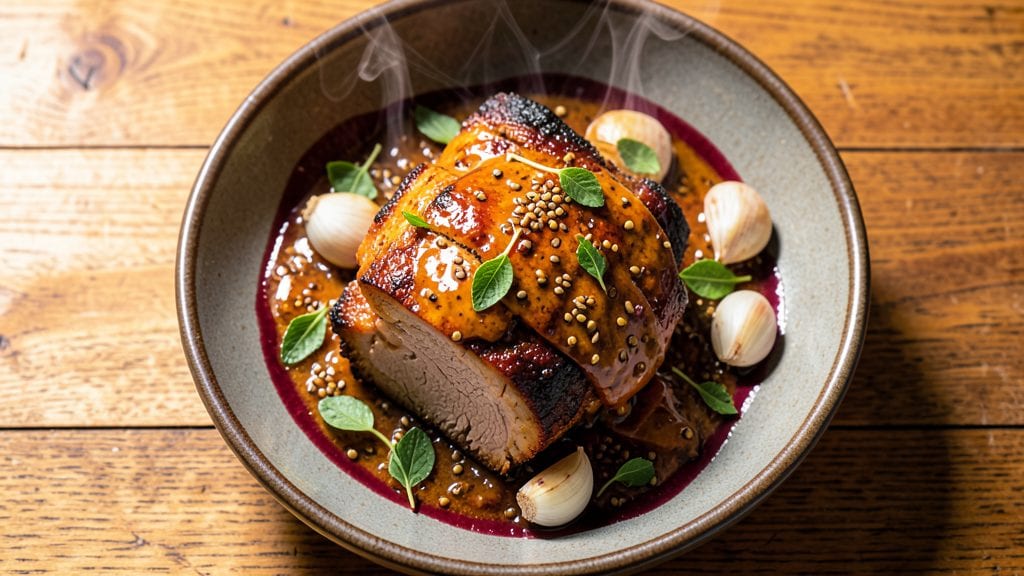
This Puerto Rican pork shoulder recipe transforms tough cuts into melt-in-your-mouth tenderness through slow-cooked mojo magic. Standing on a step stool in my grandmother’s kitchen in Sicily, I learned how marinating and patience create restaurant-quality results at home.
The aromatic blend of garlic, oregano, and citrus in the mojo marinade works overnight to infuse every bite with bold island flavors.
The secret lies in the slow cooking—whether in an oven or slow cooker—where the pork shoulder becomes fork-tender while developing a crispy, caramelized exterior.
This dish is more than a meal; it’s a celebration of Puerto Rican tradition, perfect for gatherings or family dinners where rich, savory flavors take center stage.
By the time it’s done, you’ll have perfectly seasoned pork with juicy, falling-apart meat that pairs beautifully with arroz con gandules or tostones. The mojo marinade’s bright, tangy notes balance the pork’s richness, making every bite unforgettable.
Serve with classic sides like mofongo or a fresh tropical salad to complete the experience. Here’s how to bring this flavorful tradition to your table with professional precision.
Ingredients for Puerto Rican pork shoulder
The heart of Puerto Rican comfort food—bold flavors, slow-cooked perfection.
| Ingredient | Amount | Notes |
|---|---|---|
| Pork Shoulder 🐖 | 4 lb | Bone-in for better flavor |
| Fresh Garlic Cloves 🧄 | 8 cloves | Peeled, minced for marinade |
| Fresh Oregano Leaves 🌿 | ½ cup | Puerto Rican oregano preferred |
| Orange Juice 🍊 | 1 cup | Freshly squeezed, no pulp |
| Lime Juice 🍋 | ½ cup | Freshly squeezed, for tang |
| Adobo Seasoning 🌶️ | 2 tbsp | Traditional Puerto Rican blend |
| Ground Black Pepper 🌶️ | 1 tsp | Freshly cracked for heat |
| Olive Oil 🫒 | ½ cup | Extra-virgin for richness |
| Bay Leaves 🌿 | 2 whole | Dried, for depth of flavor |
| Onion Powder 🧅 | 1 tbsp | For subtle sweetness |
| Brown Sugar 🍚 | 2 tbsp | Lightly packed for balance |
| Salt 🧂 | 1 ½ tsp | Kosher or sea salt |
| Cumin Seeds 🌿 | 1 tsp | Toasted for aromatic warmth |
| Fresh Cilantro Leaves 🌿 | ¼ cup | Chopped for garnish |
The pork shoulder is non-negotiable for this dish. Bone-in cuts from the butcher section (not pre-cut) give you that authentic, rich flavor. I always ask for the thickest cut possible—it holds up better during slow cooking. For sourcing, Whole Foods or local Latin markets usually have the best selection, but your regular grocery store’s meat department works too. Look for cuts with good marbling—those white streaks of fat mean juicier meat. If you can’t find bone-in, bone-in pork butt is your next best bet. The adobo seasoning is key here—buy a small bottle from a Latin market or make your own with chili powder, garlic powder, and salt.
No Puerto Rican oregano? Mexican oregano works in a pinch, but it’s a different flavor profile. Fresh oregano is ideal, but if you’re using dried, use half the amount—it’s more concentrated. For the citrus, Navel oranges are perfect, but any juicy variety works. Lime juice can be substituted with lemon juice plus a pinch of salt for brightness. The cumin seeds? Toast them in a dry pan for 30 seconds before grinding—this brings out their aroma. If you’re short on time, ground cumin works, but it won’t have the same depth. The brown sugar adds just a touch of caramelization, so don’t skip it—it balances the tangy marinade beautifully.
This marinade keeps in the fridge for up to 5 days, so make extra for future meals. The pork shoulder itself reheats beautifully—wrap it in foil and bake at 300°F for 20 minutes to keep it moist. For leftovers, store in an airtight container with any leftover mojo sauce spooned over the top. It freezes well for up to 3 months, though the texture changes slightly after thawing. I like to portion it into individual servings before freezing for easy reheating during the week. The mojo marinade also makes a fantastic dipping sauce for tostones or plantains—don’t let it go to waste!
Why You'll Love This Recipe
- Oven-Free Weeknight Win: The slow cooker does all the heavy lifting—just toss the pork in that bright citrus marinade with the adobo and cumin seeds, then forget it for 8 hours while you live your life. No babysitting the oven, no constant stirring. Honestly, the only thing you’ll be checking is whether the kids ate the last slice of pizza.
- Citrus-Kissed Magic: That combo of orange juice and lime juice isn’t just for garnish—it tenderizes the pork shoulder while giving it this bright, almost tropical depth. The fresh oregano and toasted cumin seeds? They turn simple pork into something that tastes like a Sunday dinner at your abuela’s house. Trust me, the first bite will make you pause mid-chew.
- Leftover Powerhouse: This recipe doesn’t just feed four—it feeds four plus your freezer and your lunch for a week. Shredded pork freezes beautifully (if you’re brave enough to admit it), and reheating it? Just wrap it in foil and pop it back in the oven for 20 minutes. I keep a batch in the fridge for tacos, another for sandwiches, and honestly, I’ve been known to eat it straight from the pan with a fork. No shame.
- Budget’s Best Kept Secret: A 4-pound pork shoulder is cheaper than most takeout runs, and this marinade? You’ll have enough left over to make another batch of mojo for chicken or fish. The fresh garlic and oregano might seem pricey, but a little goes a long way, and the flavor payoff is worth every penny. It’s the kind of dish that makes you feel fancy without breaking the bank.
Step-by-step instructions for slow-cooked mojo-marinated pork shoulder
This method delivers melt-in-your-mouth tenderness with bold, balanced flavors every time.
Create the Mojo Marinade
In a large bowl, combine the ½ cup olive oil, 1 cup orange juice, ½ cup lime juice, 2 tbsp adobo seasoning, 1 tbsp onion powder, 2 tbsp brown sugar, 1½ tsp salt, 1 tsp ground black pepper, and 1 tsp cumin seeds. Toast the cumin seeds in a dry skillet over medium heat for 30 seconds until fragrant before adding to the marinade.
Use an immersion blender or whisk vigorously until the brown sugar dissolves completely and the marinade reaches a smooth, vibrant consistency. The citrus oils should infuse the oil, creating a bright, aromatic base. I like to taste it at this stage—it should be tangy, slightly sweet, and deeply aromatic without being overpowering.
Marinate and Prepare the Pork
Add the 4 lb pork shoulder to the marinade, turning to coat evenly. Place the pork in a resealable plastic bag or large container, ensuring it's fully submerged. Refrigerate for at least 12 hours (overnight is ideal) to allow the flavors to penetrate deeply. The acidity from the citrus will begin tenderizing the meat, while the spices create a flavorful crust.
Before cooking, remove the pork from the marinade and pat it dry with paper towels. This step is crucial—excess moisture prevents proper browning. Discard the used marinade (never reuse it raw) and place the pork on a rack set over a baking sheet to allow air circulation on all sides.
Slow-Cook Until Fork-Tender
Preheat your oven to 275°F. Place the pork shoulder in a Dutch oven or heavy oven-safe pot, fat-side up. Add 8 minced fresh garlic cloves, ½ cup fresh oregano leaves, 2 bay leaves, and ¼ cup reserved marinade (from the bag) to the pot. This creates a flavorful cooking liquid that will baste the meat.
Cover tightly with a lid or foil and cook for 6 hours, then increase the temperature to 300°F and continue cooking for another 2-3 hours until the internal temperature reaches 195-203°F and the meat is fork-tender. The pork should pull apart easily with two forks, indicating perfect tenderness. If the liquid reduces too quickly, add ¼ cup water during cooking to maintain moisture.
Rest and Shred
Transfer the pork to a cutting board and tent loosely with foil. Let it rest for 30-45 minutes before shredding. This resting period allows the juices to redistribute, ensuring each bite is moist and flavorful. The pork should be so tender that it practically falls apart when you pull it with two forks.
Discard the bay leaves and any large herbs, then shred the pork using two forks. Reserve ½ cup of the cooking liquid to use as a sauce or for serving. Garnish the shredded pork with ¼ cup chopped fresh cilantro leaves just before serving to add a fresh, bright contrast to the rich, slow-cooked meat.
Pro Tips For Making Puerto Rican Pork Shoulder
- TOAST THOSE CUMIN SEEDS: Skip this, and your mojo marinade will taste flat. Toss those cumin seeds in a dry skillet for just 30 seconds until they smell like a Caribbean spice shop—nutty, warm, and impossible to ignore. I learned this the hard way when my first batch lacked that deep, earthy kick.
- DON’T SKIP THE DRYING: Pat that pork shoulder thoroughly after marinating—wet meat won’t brown, and you’ll end up with sad, pale shreds. Use paper towels and press firmly; if you’re impatient like me, a quick 10-minute air-dry on a rack helps too. Trust me, that crust is worth the wait.
- CHECK THAT TEMPERATURE: The pork’s done when it hits 195–203°F and falls apart with two forks—not before. I’ve pulled it early twice, thinking it was tender, only to have it turn rubbery. Use a meat thermometer, and resist the urge to rush the last hour at 300°F.
- SAVE THE MARINADE (BUT NOT FOR REUSE): Reserve ¼ cup of that vibrant mojo marinade to add to the pot during cooking—it’s the liquid gold that bastes the pork. But never reuse the leftover marinade raw; toss it after coating the meat. I know it’s tempting to stretch it, but cross-contamination isn’t worth the risk.
Wine and beer pairings for this Puerto Rican pork shoulder
Bright Tropical Wines
For this bold, citrus-forward pork dish, I reach for a Puerto Rican Moscatel—it’s sweet, floral, and just fruity enough to complement the mojo marinade’s tang without overpowering the meat. Look for Moscatel de Puerto Rico from local wineries like Boricua; its bright acidity cuts through the richness beautifully.
If you can’t find that, a Spanish Albariño from Rías Baixas offers a similar citrusy brightness that pairs perfectly with the pork’s caramelized edges. 🍇
Medium-Bodied Reds
A Tempranillo from Spain, especially one aged in oak, is my go-to red pairing. The Rioja Reserva has enough body to stand up to the pork’s fat while its vanilla and cherry notes harmonize with the mojo’s sweet-spicy profile.
For something more approachable, try a Nebbiolo from Barolo—its tannins and acidity balance the dish’s richness without clashing. I always serve it slightly chilled to enhance its vibrancy.
Craft Beers for Bold Flavors
If wine isn’t your thing, a Puerto Rican pale ale like La Factoría brings a citrusy, slightly spicy kick that mirrors the mojo marinade. For a more robust option, a Belgian-style witbier with coriander and orange peel notes—like Leffe Blanc—adds a refreshing contrast.
The beer’s effervescence cleanses your palate between bites of tender pork. 🍺
Local Latin Market Finds
Don’t overlook Puerto Rican rum cocktails for a festive touch! A Piña Colada (made with fresh pineapple and coconut cream) balances the dish’s savory notes, while a Mojito with fresh lime and mint offers a bright, herbal contrast.
For a non-alcoholic option, a horchata (tiger nut milk with cinnamon) cools the palate and enhances the meal’s tropical vibes. I always keep a pitcher of horchata on the table when serving this dish.
Why These Pairings Work
The key is balancing the pork’s richness with something bright and acidic—whether it’s wine, beer, or a cocktail. The citrus in the mojo marinade calls for wines or drinks with similar bright notes, while the slow-cooked tenderness benefits from drinks with enough body to complement it.
Trust me, after tasting this pork with the right pairing, you’ll never serve it alone again! 💛
Nutrition facts
Frequently asked questions
Why does the marinade need to be refrigerated for at least 12 hours?
The long marinating time lets the citrus juices tenderize the tough pork shoulder while the spices infuse deeply. This creates a flavorful crust and ensures every bite is juicy and packed with those bold Puerto Rican flavors. The acidity in the orange and lime juice actually breaks down the meat fibers, making it fork-tender!
Can I use a slow cooker instead of the oven for this recipe?
Transfer the pork to your slow cooker after patting it dry, then add the garlic, oregano, bay leaves, and reserved marinade. Cook on low for 8-10 hours or high for 5-6 hours until it reaches 195-203°F. The slow cooker method works beautifully for this dish, just monitor the liquid level and add water if needed.
What should I do if my pork isn't tender enough after cooking?
If it's not quite tender, simply increase the oven temperature to 325°F and cook for another 1-2 hours, checking the temperature frequently. Alternatively, you can finish it in a slow cooker on low for another 2-3 hours. The key is patience—this cut needs time to become melt-in-your-mouth perfect!
How can I make the mojo marinade ahead of time?
You can prepare the marinade up to 5 days ahead and store it in an airtight container in the fridge. Just make sure to bring it to room temperature before using it to coat the pork. The flavors actually deepen overnight, so this is a great way to save time on cooking day!