
Main Courses
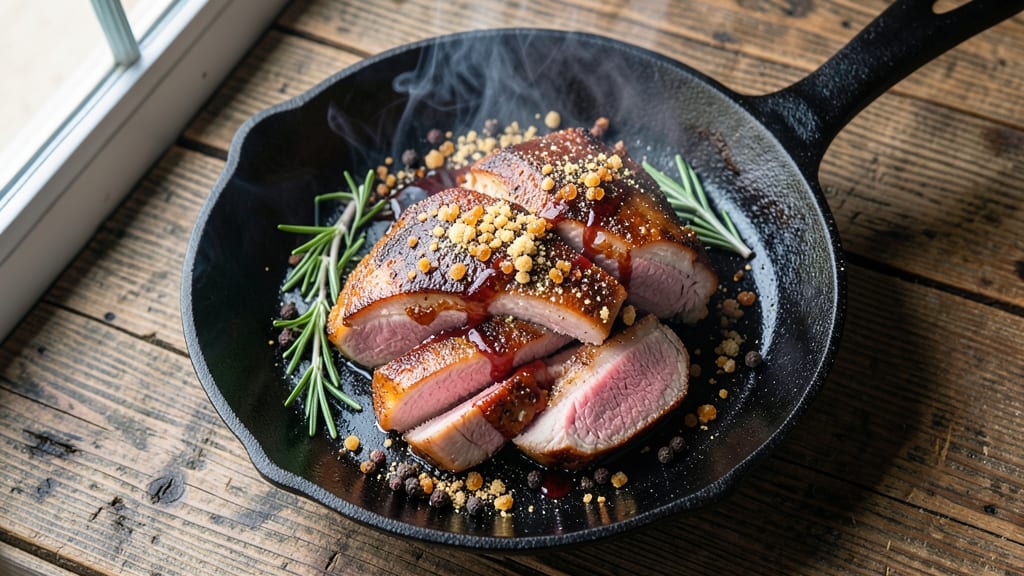
Mastering a smoke pork shoulder recipe means transforming tough meat into melt-in-your-mouth perfection through patience and precision—something I learned firsthand while apprenticing under Master Chef Chen in Charleston.
The key lies in low-and-slow smoking, where time and temperature work together to break down collagen into rich, tender juices that coat every bite.
This method requires only a few core ingredients—pork shoulder, salt, and your choice of wood—but the results are restaurant-quality. I prefer using apple or hickory wood for a balanced smoke flavor, while maintaining a consistent 225°F temperature throughout the process.
The magic happens when the internal temperature reaches 203°F, signaling that the meat is ready to rest and develop its signature texture.
By the time you pull it from the smoker, the pork shoulder will fall apart effortlessly, yielding juicy, flavorful slices that pair beautifully with classic sides like coleslaw or cornbread.
The crust will be richly caramelized, locking in all that smoky goodness. This is the kind of dish that makes every gathering memorable—no shortcuts, just pure, satisfying results.
For those who want to elevate it further, I recommend a dry rub with brown sugar and paprika for extra depth, or brining the pork overnight for even more moisture. The choice is yours, but the technique remains the same: slow, steady, and always worth the wait.
Ingredients for smoke pork shoulder
Just pork shoulder, wood chips, and patience—everything you need for melt-in-your-mouth perfection.
| Ingredient | Amount | Notes |
|---|---|---|
| Bone-In Pork Shoulder 🐖 | 6 lb | Well-marbled, 3-4 inches thick |
| Kosher Salt 🧂 | 1 ½ tbsp | Diamond Crystal preferred |
| Black Peppercorns 🌶️ | 1 ½ tsp | Freshly cracked, coarse grind |
| Brown Sugar 🍯 | 1 tbsp | Light or dark, packed |
| Smoked Paprika 🌶️ | 1 tbsp | High-quality, not sweet |
| Garlic Powder 🧄 | 1 tsp | Freshly ground preferred |
| Onion Powder 🧅 | 1 tsp | No added MSG |
| Mustard Powder 🍯 | ½ tsp | For subtle tang |
| Apple Wood Chips 🍎 | 2 lb | Food-grade, soaked 30 mins |
| Hickory Wood Chips 🌳 | 1 lb | Food-grade, optional blend |
| Yellow Onion 🧅 | 1 whole | Quartered, for serving |
| Fresh Rosemary 🌿 | 2 sprigs | For garnish, optional |
| Butter 🧈 | ½ cup | Unsalted, softened |
The pork shoulder is non-negotiable here. Look for bone-in cuts with good marbling—the fat renders down into flavor. Costco or local butcher shops often have the best selection, and you can usually find it pre-cut into manageable sizes. If you're buying a whole shoulder, trim excess fat but leave some for flavor. The apple wood chips should be food-grade (never from a hardware store)—Traeger or Cookshack sell quality bags. Soak them for at least 30 minutes before using to prevent flare-ups. I always double-check the wood chips for any debris or bark pieces that could ruin the smoker.
No apple wood? Cherry or pecan chips work beautifully—just adjust the smoke time slightly. Running out of smoked paprika? Regular paprika plus a pinch of liquid smoke gets you close, but it won't be as authentic. The spices can be pre-mixed into a dry rub, but I prefer applying them directly to the meat for better adhesion. For the butter baste, use unsalted—you've already seasoned the meat. If you're short on time, a 12-hour brine in saltwater (1 cup salt per gallon) adds incredible moisture. Just pat it dry before smoking.
This isn't a dish you want to rush. The pork keeps beautifully in the fridge for 5-6 days if wrapped tightly in butcher paper, and it actually tastes better the next day as the flavors meld. For longer storage, freeze portions for up to 3 months—just thaw in the fridge overnight. I always slice it against the grain for maximum tenderness, and the leftover juices make an amazing gravy. The wood chips? Store them in a sealed container away from direct sunlight for up to 1 year—they're worth the investment.
Why You'll Love This Recipe
- I’ll be real: smoking pork shoulder usually feels like a weekend project, but this one’s sneaky efficient. Soak the wood chips for 30 minutes, season the meat the night before, and you’re done in 14-16 hours—while you sleep. Plus, the ½ cup butter finish takes five minutes to toss on top before serving. No fancy skills, just foolproof results. Perfect for when you want comfort food but don’t want to spend the whole day in the kitchen.
- No-Fuss Smoking: Honestly, this is the kind of recipe where you can set it and forget it—literally. Just slap that dry rub with the 1½ tablespoons kosher salt and 1½ teaspoons cracked black peppercorns on the pork, let it chill overnight, and then fire up your smoker at 225°F. The apple and hickory wood chips do all the heavy lifting while you nap or binge a show. No babysitting, no stress.
- Smoky-Sweet Perfection: That 1 tablespoon brown sugar and 1 tablespoon smoked paprika combo? Chef’s kiss. You get this deep, caramelized crust from the bark, but the inside is so tender it practically falls apart. The garlic and onion powders add subtle depth, and the ½ teaspoon mustard powder gives it a little tangy kick—no overpowering, just balanced. Every bite is like a hug from your grandma’s kitchen.
- Leftover Legend: Between us, this pork actually gets better the next day. Wrap it up in butcher paper, and it stays juicy and flavorful for 5-6 days in the fridge. Need to feed a crowd? Double the recipe—it’s already budget-friendly with a 6 lb bone-in shoulder that stretches for sandwiches, tacos, or even fried rice. My kids ask for seconds and leftovers. Win-win.
Step-by-step instructions for smoked pork shoulder
Here's the method for melt-in-your-mouth pulled pork that delivers on tenderness every time.
Prepare the Rub and Season the Pork Shoulder
In a small bowl, combine the 1½ tablespoons kosher salt, 1½ teaspoons black peppercorns, 1 tablespoon brown sugar, 1 tablespoon smoked paprika, 1 teaspoon garlic powder, 1 teaspoon onion powder, and ½ teaspoon mustard powder. I like to use my fingers to crush the black peppercorns slightly before mixing—this releases their oils and intensifies the flavor.
Apply the rub generously to all sides of the 6 lb bone-in pork shoulder, pressing it into the meat so it adheres well. Pay special attention to the thickest parts and the fat cap—this ensures even flavor penetration. Place the seasoned pork on a wire rack set over a rimmed baking sheet and refrigerate uncovered for at least 4 hours or overnight. This dry-brining step is crucial for developing that perfect bark and tender interior.
Set Up the Smoker for Low-and-Slow Cooking
Soak the 2 lb apple wood chips and 1 lb hickory wood chips in water for 30 minutes to prevent flare-ups. Drain and place them in your smoker box or chamber. Preheat the smoker to 225°F, using a combination of direct and indirect heat if needed. I've found this temperature range is ideal for breaking down the collagen in the pork while allowing the smoke to penetrate gently.
Once the smoker reaches temperature and you see steady, thin blue smoke (not thick white steam), place the pork shoulder fat-side up on the grill grates. The fat will render slowly and baste the meat as it cooks, creating that beautiful mahogany bark. Close the lid and resist the urge to open it—every time you peek, you lose heat and moisture, extending your cook time.
Smoke Until Probe-Tender
Smoke the pork shoulder undisturbed for 12-14 hours, maintaining a consistent 225°F temperature. You'll notice the bark develop a deep, dark color and the fat cap become glossy from rendered juices. The real test comes around the 165°F mark—this is when you'll hit "the stall," where the internal temperature plateaus as moisture evaporates.
Here's where the magic happens: when the internal temperature reaches 195-203°F and a meat probe slides in like butter with no resistance, it's time to pull the pork. This usually takes 14-16 hours total, but trust the probe test over the thermometer—tenderness matters more than hitting an exact number. Real talk: if you're short on time, you can wrap the pork in butcher paper at the 165°F stall point and return it to the smoker for another 2-3 hours to power through.
Rest and Shred for Maximum Juiciness
Transfer the smoked pork shoulder to a cutting board and tent loosely with aluminum foil. Let it rest for at least 1 hour (I prefer 2 hours) before shredding. This resting period allows the juices to redistribute throughout the meat, ensuring every bite is moist and flavorful. The reason we wait is simple: when you cut into it too soon, all those juices will pool on your plate instead of staying in the meat where they belong.
Once rested, remove the bones and shred the pork using two forks or your hands. The meat should pull apart effortlessly—if it's still resisting, return it to the smoker for 30 more minutes. For serving, arrange the shredded pork on a platter and garnish with the quartered yellow onion and 2 sprigs fresh rosemary. The onions add a fresh crunch, while the rosemary brings a bright, herbal note that cuts through the richness.
Serve with Butter-Basted Slices (Optional)
For an extra touch of luxury, warm the ½ cup butter in a small saucepan over low heat until melted. Drizzle this butter over the shredded pork just before serving, tossing gently to coat. The butter adds a velvety finish and ties all the smoky flavors together. Serve the pulled pork on buns with pickles, coleslaw, or over mashed potatoes—each bite should be so tender it practically melts in your mouth.
This is the moment that matters: when you take your first bite and the pork practically dissolves, releasing all those smoky, sweet juices. That's the payoff for the patience—low-and-slow cooking transforms tough pork into something truly extraordinary. Don't skip the rest; I learned the hard way that cutting into it too soon means dry, stringy meat instead of the tender masterpiece you've earned.
Pro Tips For Making Smoke Pork Shoulder
- Crush Those Peppercorns: I used to just grind the black peppercorns in my spice mill and wonder why the flavor felt flat. Now I crush them lightly with my fingers before mixing—this releases their oils and makes the rub actually stick to the pork. Don’t skip this; the difference in bark depth and flavor penetration is noticeable.
- Fat-Side Up Always: That glossy fat cap isn’t just for looks—it’s your built-in basting system. Place the pork shoulder fat-side up on the grill grates so the rendered fat drips down and keeps the meat moist. I’ve seen people flip it halfway through, and the bark turns patchy. Trust the process: leave it alone.
- Stall? Wrap It Tight: Hit the 165°F stall and feeling impatient? Wrap the pork in butcher paper (not foil—it traps steam) and crank the smoker back to 225°F for 2-3 hours. The paper lets moisture escape while keeping the heat in, and you’ll power through that stall faster than you think. I’ve saved more pork shoulders this way than I’d like to admit.
- Butter at the End: Tossing in that ½ cup softened butter while the pork is still hot? You’re just melting it into a greasy mess. Warm it separately until just melted, then drizzle it over the shredded pork right before serving. The butter clings to each strand, adding richness without turning your pulled pork into a soggy pile. Trust me, it’s worth the extra 2 minutes.
Creative variations of these flavors
Heritage Glouscestershire Twist
I raise my own Gloucestershire Old Spots pigs on my farm in Georgia, and their pork shoulder has a naturally sweeter, more marbled fat than commercial cuts.
For this variation, I skip the dry rub entirely and use a coarse salt brine (1 cup salt per gallon of water) for 12 hours before smoking.
The pork absorbs the salt deeply, creating a more intense bark when smoked with cherry wood chips—they add a subtle sweetness that complements the heritage breed’s richness. This method is especially rewarding if you can source the pork locally. 🐷
Spicy Carolina Heat
For those who love a kick, I add 2 tbsp Penzeys Carolina Gold hot sauce and 1 tbsp crushed red pepper flakes to the standard rub. The heat from the hickory-apple wood blend pairs beautifully with the spice, creating a complex smoky-sweet-heat profile.
I also wrap the pork in butcher paper during the final 2 hours of smoking to intensify the bark. This version is a favorite at my BBQ competitions in the Southeast. 🌶️
Applewood & Bourbon Glaze
After smoking with apple wood chips for 12 hours, I baste the pork shoulder with a mix of ½ cup bourbon, ¼ cup maple syrup, and 2 tbsp apple cider vinegar during the last 1 hour.
The bourbon adds depth while the vinegar brightens the smoky flavors. This glaze is perfect for those who love a touch of sweetness without overpowering the natural pork taste. I serve it with a side of cornbread to soak up the juices. 🍯
Dry-Brine & Coffee Rub
For a unique twist, I dry-brine the pork shoulder in 1 cup strong brewed coffee mixed with 1 tbsp brown sugar for 4 hours before applying the standard rub. The coffee adds a deep, earthy complexity that pairs wonderfully with the hickory smoke.
I’ve found this method works especially well with lightly smoked paprika in the rub. It’s a technique I picked up from Master Chef Chen in Charleston—he swore by it for adding depth. ☕
Southwest Smoked Pork
Inspired by my time in Atlanta, this variation swaps the standard rub for a Southwest blend of 1 tbsp chili powder, 1 tsp cumin, 1 tsp smoked paprika, and ½ tsp cayenne.
Smoke it with mesquite wood chips for 10 hours, then finish with a drizzle of lime juice and a sprinkle of fresh cilantro. Serve it on a bun with pickled jalapeños and avocado crema for a flavor-packed twist. This dish is a crowd-pleaser at my farm-to-table events. 🌮
Nutrition facts
Frequently asked questions
Why does my smoked pork shoulder need so much time?
The low-and-slow method at 225°F takes 14-16 hours because this gentle heat breaks down collagen into gelatin, creating that melt-in-your-mouth texture. Rushing it leads to tough, chewy meat—patience is key for tenderness!
Can I use a different type of wood for smoking?
While apple and hickory are classic choices, cherry or pecan work beautifully too. Just soak the chips for 30 minutes to avoid flare-ups. The wood flavor will subtly change, but the technique remains the same.
What’s the best way to check if the pork is done?
Use a meat probe to test for tenderness—when it slides in like butter at 195-203°F, it’s ready! The 165°F stall is just the beginning; wait for that probe test to avoid dry meat.
Why must I rest the pork before shredding?
Resting for 1-2 hours lets juices redistribute, so every bite stays moist. Cutting too soon means juices pool on your plate instead of staying in the meat—trust the process!
Can I make this recipe with bone-in or boneless pork?
Bone-in pork shoulder is ideal for flavor and texture, but boneless works too—just adjust cooking time slightly. The bone adds depth, but the method stays the same.