
Main Courses
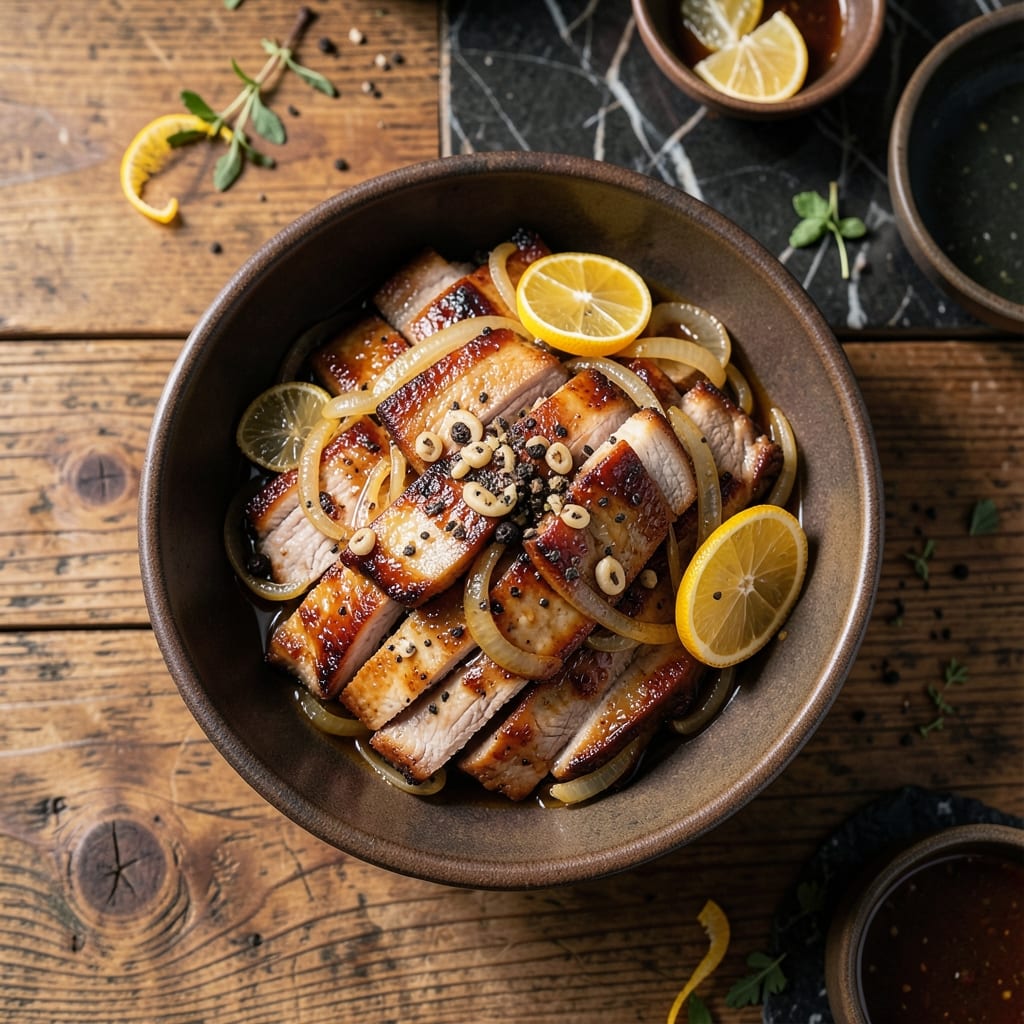
This sweet pork tapa recipe delivers authentic Filipino flavor with a perfect balance of sweet and savory notes. I developed this version after years of studying traditional techniques and adapting them for home kitchens.
The secret lies in the marinade, where soy sauce, calamansi, and brown sugar create a caramelized crust during cooking. I use thinly sliced pork shoulder for the ideal texture—tender inside with slightly crispy edges.
Each bite offers the signature sweet-salty profile that makes tapa irresistible. The dish comes together quickly after marinating overnight, making it perfect for busy mornings or hearty dinners.
Serve with garlic rice and a fried egg for the classic Filipino silhouette breakfast experience. The flavors only deepen when reheated the next day.
Ingredients for Sweet Pork Tapa
Pantry staples plus a quick stop at the Asian market for calamansi. Bold flavors, minimal effort.
| Ingredient | Amount | Notes |
|---|---|---|
| Pork Shoulder 🥩 | 1 ½ lb | Thinly sliced for even cooking |
| Soy Sauce 🫒 | ½ cup | Low-sodium preferred for balance |
| Calamansi Juice 🍋 | ¼ cup | Or substitute lime juice |
| Brown Sugar 🍚 | ½ cup | Packed, for caramelization |
| Garlic Cloves 🧄 | 6 cloves | Minced for Marinade |
| Black Peppercorns 🌶️ | 1 tsp | Freshly cracked for best flavor |
| Bay Leaves 🌿 | 2 whole | Dried, for marinade depth |
| Onion 🧅 | 1 whole | Thinly sliced for marinade |
| Cooking Oil 🫒 | 2 tbsp | Neutral flavor for frying |
| Salt 🧂 | ½ tsp | Kosher or sea salt |
| Water 💧 | ¼ cup | For marinade consistency |
The pork shoulder is non-negotiable here. Ask your butcher for thin-cut slices—about 1/4-inch thick—or freeze the pork for 30 minutes then slice yourself. For calamansi, Filipino markets are your best bet, but Trader Joe's sometimes carries it too. Look for pork with good marbling; it keeps the meat juicy during cooking. I always buy an extra pound since leftovers reheat so well.
No calamansi? Lime or lemon juice at a 1:1 ratio works, though the flavor won't be quite as complex. Brown sugar can be swapped for coconut sugar (same amount), but avoid white sugar—it lacks the depth. Soy sauce is key; Silver Swan or Datu Puti are authentic Filipino brands. If you're out of bay leaves, skip them rather than using a substitute. The garlic and onion are must-haves though—don't even think about omitting.
Marinate the pork overnight for maximum flavor penetration. Cooked tapa keeps in the fridge for 4-5 days and freezes beautifully for up to 3 months. Reheat in a pan to restore that crispy edge (microwaving works but loses texture).
Why You'll Love This Recipe
- One Pan Wonder: I just dump everything in a pan and let the pork shoulder soak up that soy-calamansi-brown sugar magic.
- Sweet-Savory Fix: The brown sugar caramelizes while the garlic and calamansi juice cut through with this bright, tangy punch.
- Breakfast for Dinner: I make a big batch Sunday night and we’re set for quick meals all week—tacos, rice bowls, you name it.
- Budget Stretcher: Pork shoulder is cheap, and this recipe turns it into something so good my kids fight over the leftovers.
Step-by-Step Instructions for Sweet Pork Tapa
Here's how to transform simple ingredients into caramelized, savory-sweet pork tapa that's irresistible.
Prepare the Marinade
In a large bowl, combine the 0.5 cup Soy Sauce, 0.25 cup Calamansi Juice, 0.5 cup Brown Sugar, minced 6 cloves Garlic Cloves, freshly cracked 1 tsp Black Peppercorns, 2 whole Bay Leaves, thinly sliced 1 whole Onion, and 0.25 cup Water.
Whisk everything together until the brown sugar fully dissolves into the liquid. The mixture should look glossy and slightly syrupy. I find that letting this sit for 5 minutes allows the flavors to start melding before adding the pork.
This balance of sweet, salty, and tangy is what makes tapa so addictive. The calamansi juice adds that signature Filipino citrus note that cuts through the richness of the pork.
Marinate the Pork Shoulder
Add the thinly sliced 1.5 lb Pork Shoulder to the marinade, ensuring each piece is fully coated. I like to use my hands for this—it's the best way to make sure every surface gets exposed to the marinade.
Cover the bowl with plastic wrap and refrigerate for at least 4 hours, but overnight is ideal. The longer it marinated, the more the flavors penetrate the meat. You'll notice the pork becomes slightly firmer as it absorbs the marinade—that's how you know it's working.
Halfway through marinating, give it a quick stir to redistribute the ingredients. The bay leaves and black peppercorns will infuse their aromatics into the meat as it sits.
Pan-Fry the Tapa
Heat the 2 tbsp Cooking Oil in a large skillet over medium-high heat. Remove the pork from the marinade (reserve the marinade) and pat it dry with paper towels. This is crucial—wet meat will steam instead of sear.
Working in batches to avoid crowding, add the pork slices in a single layer. Cook for 3-4 minutes per side until the edges start to caramelize and turn deep brown. The sugar in the marinade will create this beautiful crust.
Don't rush this step. You want that caramelization for both flavor and texture. The pork should release easily from the pan when it's ready to flip.
Finish with the Marinade
Once all the pork is browned, return it to the pan and pour in the reserved marinade. Add the 0.5 tsp Salt and bring to a simmer over medium heat.
Cook for an additional 5-7 minutes, spooning the marinade over the pork occasionally. The sauce will reduce and thicken, coating each piece in a glossy, sticky glaze. You'll see the sauce transform from thin to syrupy—that's your cue it's ready.
Watch carefully toward the end—the sugar can burn if left unattended. The pork should be fully cooked through and tender, with the sauce clinging perfectly to each slice.
Pro Tips For Making Sweet Pork Tapa
- Slice Thin Against Grain: Cut the pork shoulder into 1/4-inch slices against the grain—I learned this the hard way after chewing through tough strips my first three tries.
- Marinate Overnight: Give the pork at least 8 hours in the soy-calamansi-brown sugar mix, or it’ll taste like salted meat instead of that sweet-savory tapa we all crave.
- Dry Before Frying: Pat the marinated pork dry with paper towels before pan-frying, or you’ll steam it instead of getting those caramelized edges that make it irresistible.
- Use Fresh Calamansi: Skip the bottled stuff and squeeze fresh calamansi juice—after burning a batch with the preserved version, I finally understood why my lola insisted on fresh.
Make-Ahead Tips for sweet pork tapa
Overnight Marinating
For the best flavor, I always marinate my pork overnight—at least 8-12 hours in the fridge. This gives the soy sauce, calamansi, and brown sugar time to deeply penetrate the meat. I use a large zip-top bag for easy storage and even distribution. 💡
Batch Prep
Double or triple the recipe and marinade multiple batches at once. The pork freezes beautifully in its marinade for up to 3 months. Just thaw in the fridge overnight before cooking—no need to adjust the marinating time.
Partial Cooking
For even faster meals, I sometimes par-cook the tapa after marinating. Sear the pork for just 2 minutes per side, then store it in the fridge for up to 3 days. Finish cooking when ready to serve—this cuts dinner prep to under 10 minutes. ⚡
Marinade Storage
Always reserve the marinade for finishing, but never reuse it raw. After removing the pork, I boil the leftover marinade for 3-5 minutes to kill any bacteria before using it as a sauce. This works great for basting or drizzling.
Reheating Tips
Leftovers reheat best in a skillet over medium heat with a splash of water. Cover the pan to steam the pork for 2-3 minutes, then uncover to crisp the edges. Microwaving works but loses that perfect texture.
Meal Assembly
Prep all your sides in advance too—cook the garlic rice and prep your garnishes. Store them separately in the fridge. When ready to serve, just reheat the tapa and assemble everything fresh for that authentic silhouette experience.
Nutrition Facts
Frequently Asked Questions
Can I use chicken instead of pork for tapa?
Yes, but the texture will differ. Chicken breasts work best, sliced thin and marinated for 2-4 hours. Cook for 4-5 minutes per side to avoid drying out. Pork's fat content makes it more forgiving and flavorful.
Why is my tapa not caramelizing?
Pat the meat completely dry before cooking and use medium-high heat. Overcrowding the pan or low heat prevents proper browning. The sugar needs high heat to caramelize properly.
How do I store leftover tapa?
Keep in an airtight container in the fridge for up to 5 days. For longer storage, freeze for 3 months. Reheat in a skillet with a splash of water to restore moisture.
What can I substitute for calamansi?
Use lime or lemon juice in a 1:1 ratio. The flavor won't be identical but will provide the necessary acidity. Avoid vinegar—it's too harsh for this dish.