
Main Courses
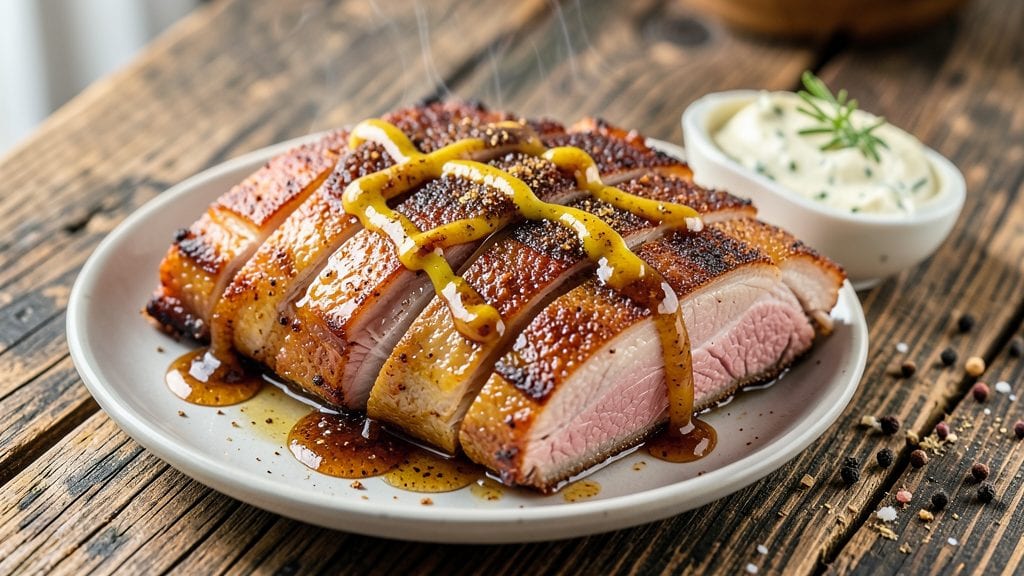
This Traeger pork belly recipe delivers the holy grail of smoked meat: crispy, crackling bark on the outside and juicy, melt-in-your-mouth tenderness inside.
Growing up in small-town Georgia, I learned that pork belly cooked low and slow becomes a centerpiece for any gathering—especially when you nail that perfect balance of texture and flavor. The secret lies in patience and precision, two things my granddaddy always preached over his smoker.
What makes this recipe special is how the Traeger’s consistent heat transforms tough pork belly into something extraordinary. You’ll start with a 225°F smoke for hours, letting the fat render slowly while the meat develops deep, smoky flavors.
The key moments? Scoring the skin before seasoning (this creates those irresistible crispy pockets) and never rushing the resting time—15 to 30 minutes makes all the difference between perfect slices and sad, dry meat.
By the time you’re done, you’ll have pork belly so tender it practically falls apart at the touch, with a golden-brown crust that snaps audibly when you cut into it. The aroma alone will have everyone in your house gathering around the grill, and the first bite?
That’s when they’ll understand why this dish is worth the wait. Serve it with apple chutney or pickled onions to cut through the richness—trust me, this is a meal that turns ordinary weeknights into celebrations.
Here’s the thing—this recipe isn’t just about the pork belly. It’s about the satisfaction of mastering a technique that feels like a rite of passage. Whether you’re feeding a crowd or treating yourself to a solo dinner, the results are always worth it. Let’s get started!
Ingredients for traeger pork belly
Pork belly so tender it melts—just a few simple ingredients and hours of patience on your Traeger.
| Ingredient | Amount | Notes |
|---|---|---|
| Pork Belly 🥓 | 4 lb | Skin scored in diamond pattern |
| Yellow Mustard 🍯 | ¼ cup | For sticky rub base |
| Brown Sugar 🍚 | ½ cup | Packed, light variety |
| Smoked Paprika 🌶️ | 2 tbsp | For deep smoky flavor |
| Garlic Powder 🧄 | 1 tbsp | Freshly ground preferred |
| Onion Powder 🧅 | 1 tbsp | For balanced sweetness |
| Ground Black Pepper 🌶️ | 1 tbsp | Freshly cracked |
| Kosher Salt 🧂 | 1 tbsp | Coarse grain preferred |
| Apple Juice Concentrate 🍎 | ½ cup | For glaze sweetness |
| Honey 🍯 | ¼ cup | Wildflower for floral notes |
| Wood Chips 🌳 | 2 cups | Hickory or apple wood |
| Apple Cider Vinegar 🍏 | 1 tbsp | For glaze tang |
| Fresh Rosemary 🌿 | ¼ cup | Chopped, sprigs for garnish |
| Fresh Thyme 🌿 | ¼ cup | Leaves only, chopped |
| Black Peppercorns 🌶️ | ½ tsp | Crushed for finishing |
The pork belly is everything here. Look for thick-cut pieces with good marbling from Costco or Whole Foods—the fat is what makes it juicy. Score the skin in a diamond pattern (about 1/4-inch deep) before seasoning—this creates those magical crispy pockets. If you can't find thick-cut, don't stress; just score more aggressively. The wood chips? Hickory gives classic smokiness, but apple adds sweetness that pairs perfectly. Soak them in water for 30 minutes before using—keeps them burning steady.
No smoked paprika? Regular paprika plus a pinch of liquid smoke works in a pinch. Out of apple juice concentrate? Substitute with equal parts honey and water, but the texture won't be quite as glossy. Fresh herbs are ideal, but dried thyme at one-third the amount gets you close. The mustard rub is non-negotiable—it helps the seasoning stick. Pro tip: Use Dijon mustard if you've got it; it's got more depth. For the glaze, if you're short on time, just use equal parts honey and apple cider vinegar—still delicious, just less balanced.
This isn't a meal you want to rush. The pork belly needs 4-5 hours at 225°F to render fat properly—don't peek at it! Once done, tent loosely with foil and let it rest for at least 30 minutes (longer if possible). The glaze goes on 30 minutes before serving, so plan ahead. Store leftovers in the fridge for up to 5 days, but honestly, it's so good you'll eat it all. Freezes beautifully for up to 3 months if you want to make a big batch for gatherings.
Why You'll Love This Recipe
- No-Fuss Crispy Skin: Scoring the pork belly skin in diamonds and letting that sticky rub of mustard and brown sugar sit for 30 minutes? Game-changer. No fancy prep—just a knife, some elbow grease, and a little patience. Trust me, the crispy edge is worth the 5 minutes of effort.
- Smoky Sweet Addiction: The glaze with apple juice concentrate and honey? It turns the pork into sticky, caramelized perfection. And that rosemary and thyme? They’re the secret weapon that makes every bite taste like a backyard cookout—even if you’re just grilling in your kitchen.
- Feeds a Crowd (or Your Cravings): This isn’t just for big gatherings—it’s the kind of dish that disappears fast, whether you’re feeding a family or just treating yourself. Plus, those leftovers? Still delicious after 5 days (though I doubt you’ll last that long).
- Budget-Friendly Luxury: Pork belly is cheaper than steak, but it tastes like a splurge thanks to the smoky paprika and garlic powder rub. And honestly? The crispy skin and tender meat make it feel like a restaurant meal—without the price tag. Worth every penny.
Step-by-step instructions for smoked pork belly
Here's how to transform your pork belly into irresistible, smoky perfection with crispy edges and melt-in-your-mouth tenderness.
Prepare the Pork Belly for Maximum Crisp
Start by scoring the skin of the 4 lb pork belly in a diamond pattern using a sharp knife. Cut through the fat layer but stop before hitting the meat—this creates pathways for the rub to penetrate and allows the skin to crisp beautifully. Pat the belly completely dry with paper towels, pressing firmly to remove all moisture. This drying step is crucial because any remaining water will steam the skin instead of crisping it.
In a medium bowl, combine the ¼ cup yellow mustard, ½ cup packed brown sugar, 2 tbsp smoked paprika, 1 tbsp garlic powder, 1 tbsp onion powder, 1 tbsp ground black pepper, and 1 tbsp kosher salt. Mix until the sugar dissolves completely and the mixture forms a thick paste. This sticky rub will cling to the pork belly and create that coveted crispy bark. Spread the rub evenly over the entire surface of the pork belly, pressing it into the scored skin and fat. Let it rest uncovered at room temperature for 30 minutes before smoking.
Set Up Your Traeger for Perfect Smoke
Fill your Traeger with 2 cups of wood chips—hickory or apple wood works beautifully for pork belly. Preheat the smoker to 225°F and maintain this temperature throughout the entire cook. The reason for this low-and-slow approach is to render the fat slowly while keeping the meat tender. Place the pork belly fat-side up on the smoker grates, which allows the rendered fat to baste the meat as it cooks.
Here's the thing—don't open the smoker during the first 2 hours of cooking. Every time you peek, you lose heat and moisture, which can set back your cook time by 30 minutes or more. The pork belly will release its own juices, creating a self-basting effect that keeps the meat incredibly tender. You'll know it's time to check when you see thin, blue smoke wafting from the smoker—this indicates your wood chips are burning cleanly and producing that perfect smoky flavor.
Monitor and Glaze for Ultimate Flavor
After 4 hours of smoking, check the internal temperature of the pork belly using a meat thermometer. It should read around 160°F. If it's not there yet, continue smoking undisturbed. At this point, prepare your glaze by combining ½ cup apple juice concentrate, ¼ cup honey, 1 tbsp apple cider vinegar, ¼ cup chopped fresh rosemary, and ¼ cup chopped fresh thyme in a small saucepan. Bring to a simmer over medium heat for 5 minutes until slightly thickened.
Brush the glaze generously over the pork belly, coating all surfaces. Return it to the smoker and continue cooking until the internal temperature reaches 195-203°F, which should take another 2-3 hours. The glaze will caramelize beautifully, creating a sticky, flavorful crust that complements the crispy skin. Watch for the skin to develop a deep mahogany color—this is your visual cue that it's ready to come off the smoker.
Rest and Slice for Perfect Texture
Remove the pork belly from the smoker and transfer it to a cutting board. Tent loosely with aluminum foil and let it rest for at least 30 minutes. This resting period allows the juices to redistribute throughout the meat, ensuring each slice is moist and flavorful. During this time, crush the ½ tsp black peppercorns in a mortar and pestle or with the flat side of a knife—this fresh pepper will add a delightful finishing touch.
After resting, slice the pork belly against the grain into ½-inch thick slices. The meat should be so tender it practically falls apart with a gentle tug, while the skin remains crispy and crackly. Arrange the slices on a serving platter and sprinkle with the crushed black peppercorns. Serve immediately with your favorite sides—each bite should deliver a perfect balance of smoky, sweet, and savory flavors with that irresistible crispy texture.
Pro Tips For Making Traeger Pork Belly
- Score Skin Deep: DESCRIPTION: Cut just through the fat layer—stopping before the meat—so the rub sticks and the skin crisps without tearing. I learned this the hard way when my first batch looked like it had been attacked by a butter knife.
- Pack That Sugar: DESCRIPTION: Use packed brown sugar (tap it down in the measuring cup) for a thicker rub that clings better. I used to eyeball it, and the glaze always turned runny—this fixes that.
- Glaze Hot, Not Cold: DESCRIPTION: Simmer the glaze (apple juice concentrate, honey, vinegar, herbs) until it thickens—about 5 minutes—before brushing. Cold glaze won’t caramelize properly and will just pool on the pork.
- Wait for Blue Smoke: DESCRIPTION: Don’t rush the first 2 hours—let the wood chips burn cleanly to thin, blue smoke. Thick white smoke means unburnt wood, and your pork will taste bitter. (Yes, even if you’re impatient like me.)
Flavor customization for these flavors
Sweet Heat Twist
For those who love a touch of sweetness, swap out half the brown sugar in your rub with 2 tbsp maple syrup—it adds depth without overpowering. I like to keep the ½ cup brown sugar but replace 2 tbsp with maple for that subtle caramel note.
The result? A bark that’s crispy yet slightly sticky with a hint of maple’s floral undertones. Trust me, it’s a game-changer for dessert lovers. 🍁
Spicy Kick
If you crave heat, add 1 tbsp chili flakes or 1 tsp cayenne pepper to the rub before spreading it on the pork belly. I prefer Penzeys chili flakes—they’re well-balanced and won’t burn your tongue.
For extra spice, brush the glaze with 1 tsp hot honey just before serving. This combo gives you that smoky-sweet-spicy trifecta my guests always rave about.
Herb-Infused Glaze
Elevate the glaze by adding ¼ cup chopped fresh sage alongside the rosemary and thyme. Sage pairs beautifully with pork belly, giving it an earthy aroma that complements the smoky flavor. If fresh sage isn’t available, use 1 tbsp dried sage (just reduce the thyme to 2 tbsp chopped).
The result is a glaze with layers of complexity—herbal, sweet, and tangy all at once.
Southern-Style Vinegar Glaze
For a tangier finish, increase the apple cider vinegar in the glaze to 2 tbsp and reduce the honey to ¼ cup. This Southern-inspired twist cuts through the richness of the pork belly, balancing the sweetness.
I also add 1 tbsp grated onion to the glaze for a subtle sharpness. It’s a nod to my roots in Georgia, where vinegar was always a secret weapon in the kitchen.
Crispy Skin Hack
Want extra crispy skin? After scoring, pat the pork belly dry with a clean kitchen towel and then rub it with 1 tbsp neutral oil (like avocado or grapeseed) before applying the rub.
This creates a barrier that helps the skin crisp up faster. I’ve tested this trick on my Traeger, and it’s made all the difference in achieving that perfect crackle. 🔥
Nutrition facts
Frequently asked questions
Why does my Traeger pork belly need so much time to cook?
The low-and-slow method at 225°F renders the fat slowly, keeping the meat tender while developing that crispy bark. Skipping this step results in dry meat or uneven crispiness. Think of it like a slow-roasted turkey—patience is key for perfect texture!
Can I use a different type of wood for smoking?
Hickory and apple wood are ideal, but fruitwoods like cherry or pecan work too—they add subtle sweetness. Avoid strong woods like mesquite, which can overpower the pork belly's natural flavor. Stick to 2 cups soaked wood chips for consistent smoke.
What if my pork belly isn't crispy enough?
Double-check your scoring depth—it should penetrate the fat but not the meat. After smoking, broil for 2-3 minutes to crisp the skin further. For extra crispiness, rub with 1 tbsp neutral oil before seasoning. The key is patience and proper fat rendering!
How do I know when the pork belly is done?
Use a meat thermometer to check for 195-203°F internal temperature. The skin should be deep mahogany, and the meat should pull apart easily. If it's not there yet, return it to the smoker—rushing ruins the texture!
Can I make this recipe ahead of time?
Yes! Cook it ahead and refrigerate for up to 5 days. Reheat in the oven at 300°F until warm, then crisp the skin under the broiler. It reheats beautifully and tastes even better the next day. Perfect for meal prep!