
Recipes/Cooking
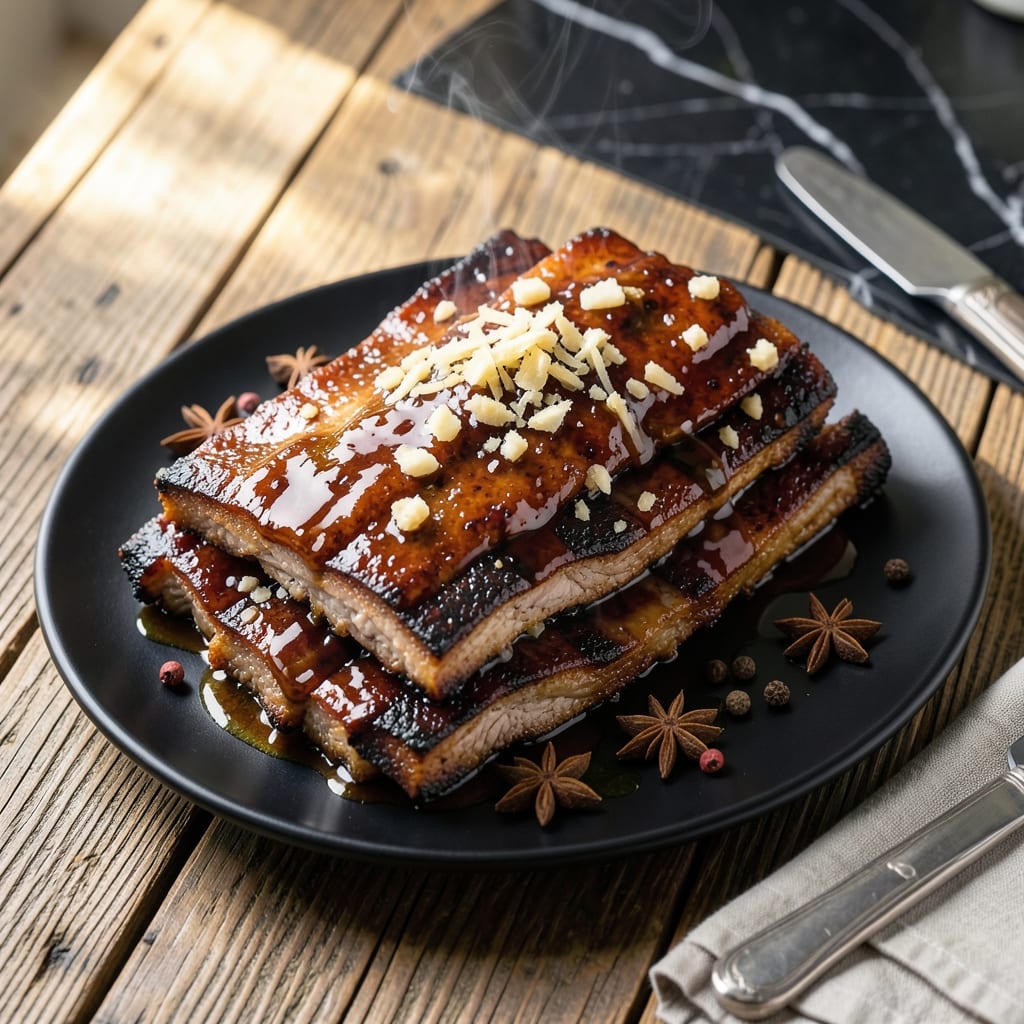
This twice cooked pork ribs recipe delivers the crispy texture and bold flavors of Chinese takeout at home. The double-cooking method ensures tender meat with a perfectly caramelized exterior every time.
First, the ribs are simmered until fall-off-the-bone tender. Then they're finished with a quick fry or broil to create that signature crispy exterior. This technique transforms ordinary pork ribs into restaurant-quality bites with minimal effort.
I've perfected this method over years of working with pork daily at The Smoky Pig. The key is patience during the initial cooking phase, allowing the collagen to break down completely before the final crisping step.
The result is ribs that are both tender inside and crispy outside, with a sticky-sweet glaze that clings to every bite. This dish brings authentic Sichuan flavors to your kitchen.
Ingredients for twice cooked pork ribs
Authentic Sichuan ingredients transform pork ribs into crispy, caramelized restaurant-quality bites at home.
| Ingredient | Amount | Notes |
|---|---|---|
| Pork Baby Back Ribs 🐖 | 2 lb | Cut into individual ribs |
| Soy Sauce 🫒 | ½ cup | Low-sodium preferred |
| Shaoxing Wine 🍷 | ¼ cup | Or dry sherry substitute |
| Brown Sugar 🍚 | 3 tbsp | Light or dark variety |
| Hoisin Sauce 🥫 | 2 tbsp | For glaze depth |
| Garlic Cloves 🧄 | 6 cloves | Minced finely |
| Fresh Ginger Root 🌿 | 1 whole | Peeled and grated |
| Sichuan Peppercorns 🌶️ | 1 tsp | Lightly crushed |
| Star Anise Pods ⭐ | 2 whole | For aromatic broth |
| Green Onions 🧅 | 4 whole | White and green parts separated |
| Vegetable Oil 🫒 | 2 cups | High smoke point for frying |
| Cornstarch 🌾 | ¼ cup | For crispy coating |
| Sesame Oil 🫒 | 1 tbsp | Toasted for garnish |
| Red Chili Flakes 🌶️ | 1 tsp | Adjust to heat preference |
| Chicken Stock 🥣 | 2 cups | Low-sodium preferred |
The ribs are everything here. Baby back ribs give the best meat-to-bone ratio for this technique. I source mine from local Asian markets where they're pre-cut and ready for the double-cook process. Look for ribs with good marbling—the fat renders down during simmering, creating that unctuous texture. For the Shaoxing wine, Koon Chun is the gold standard, but any dry sherry works in a pinch.
No Shaoxing wine? Dry sherry at equal volume is your best backup. Out of hoisin? Oyster sauce plus a touch of sugar mimics the depth. The Sichuan peppercorns are non-negotiable for authentic flavor—find them at H Mart or online. For the glaze, I’ve swapped hoisin for a mix of soy and honey in emergencies (though the flavor shifts slightly). The cornstarch coating is key—don’t skip it if you want that signature crispiness.
Simmered ribs keep in their broth for 3 days refrigerated, but crisp them just before serving. The glaze can be made ahead and reheated. Fried ribs are best eaten immediately—they lose crispness after 1 hour. Leftovers? Re-fry briefly to revive the texture.
Why You'll Love This Recipe
- Set It and Forget: Most of the magic happens in the oven or a simmer, so I can walk away while the ribs get fall-off-the-bone tender.
- Sweet-Savory Bomb: That combo of hoisin, brown sugar, and Shaoxing wine hits every flavor note—sticky, rich, and just a little boozy depth.
- Crowd Pleaser: I’ve served these at backyard BBQs and weeknight dinners with picky eaters, and the plate’s always clean.
- Leftovers? Better: Honestly, the flavors deepen overnight, so I double the batch just to have extras for fried rice or sandwiches the next day.
Step-by-step instructions for twice cooked pork ribs
Master the technique that creates fall-off-the-bone tenderness followed by perfect crispiness.
Braise the Ribs in Aromatic Liquid
In a large pot, combine the 2 lb Pork Baby Back Ribs, 0.5 cup Soy Sauce, 0.25 cup Shaoxing Wine, 3 tbsp Brown Sugar, 2 tbsp Hoisin Sauce, minced 6 cloves Garlic Cloves, grated 1 whole Fresh Ginger Root, 1 tsp Sichuan Peppercorns, and 2 whole Star Anise Pods.
Add 2 cups Chicken Stock and the white parts of the 4 whole Green Onions. Bring to a boil, then reduce heat to maintain a gentle simmer. Cover and braise for 1.5-2 hours until the ribs are fork-tender and the meat begins pulling away from the bone.
Cool and Coat with Cornstarch
Carefully remove the ribs from the braising liquid and let them cool to room temperature on a wire rack. This cooling step is essential—it helps the cornstarch adhere properly and prevents splattering during frying. Reserve the braising liquid for potential sauce adjustments later.
Pat the ribs completely dry with paper towels. In a large bowl, toss the ribs with 0.25 cup Cornstarch until evenly coated. The cornstarch creates that signature crispy exterior when fried. Shake off any excess—you want a light, even coating, not a thick paste.
First Fry for Initial Crisping
Heat 2 cups Vegetable Oil in a deep, heavy pot or Dutch oven to 350°F. Working in batches to avoid crowding, carefully lower the ribs into the hot oil. Fry for 4-5 minutes until the coating turns light golden brown and begins to crisp.
Use a slotted spoon to transfer the ribs to a wire rack set over a baking sheet. This first fry sets the coating and begins developing the texture. The ribs won't be fully crispy yet—that comes in the second fry. Let them rest for 5 minutes before the final cooking stage.
Second Fry for Maximum Crispiness
Increase the oil temperature to 375°F. Return the ribs to the hot oil in batches and fry for an additional 2-3 minutes until they're deep golden brown and extremely crispy. The second fry at higher heat creates that restaurant-quality crunch.
Drain on the wire rack again. The double-frying technique ensures the ribs stay tender inside while achieving that perfect crispy exterior. Sprinkle with 1 tsp Red Chili Flakes immediately after frying for a subtle heat element.
Garnish and Serve Immediately
Thinly slice the green parts of the 4 whole Green Onions and sprinkle over the ribs. Drizzle with 1 tbsp Sesame Oil for added aroma and depth. The sesame oil adds a nutty finish that complements the savory ribs beautifully.
Serve the ribs immediately while they're still crispy. The contrast between the tender, braised meat and the shatteringly crisp exterior is what makes this dish exceptional. Any leftovers should be reheated in a 375°F oven to revive the crispiness.
Pro Tips For Making Twice Cooked Pork Ribs
- Parboil First: Simmer the ribs in water for 20-25 minutes before cooking to remove impurities and keep them tender—I learned this the hard way after my first batch came out tough.
- Dry the Ribs: Pat the ribs completely dry after parboiling so the sauce clings properly; I skipped this once and the hoisin just slid right off.
- Watch the Sugar: Brown sugar burns fast at high heat, so keep the flame medium-low when caramelizing the sauce on the ribs.
- Use Full-Fat Hoisin: Lower-fat versions thin out the glaze too much; the full-fat hoisin gives that thick, sticky coat you want on twice-cooked ribs.
Essential equipment for twice cooked pork ribs
Deep Frying Setup
For the double-fry technique, I swear by my Lodge Enamel Dutch Oven—it maintains even heat and has high sides to prevent oil splatter. You'll need 2 cups vegetable oil with a 2-inch depth for proper immersion. A candy thermometer clipped to the side is essential for monitoring those critical 350°F and 375°F temperatures. 🌡️
Braising Equipment
A heavy-bottomed pot like my 8-quart All-Clad works perfectly for the initial braise. It distributes heat evenly, preventing hot spots that could toughen the meat. I always use a tight-fitting lid to trap steam during the 1.5-2 hour simmer. For easy removal, have a slotted spoon ready.
Cooling Rack System
After frying, a wire cooling rack set over a baking sheet is non-negotiable. It allows air circulation so the ribs stay crispy on all sides. I use commercial-grade racks from WebstaurantStore—they're sturdy enough for daily use at The Smoky Pig. Never drain ribs on paper towels; they'll steam and lose crispness.
Essential Tools
Tongs are your best friend for handling hot ribs. I prefer 12-inch stainless steel tongs for safety. A splatter screen is a game-changer during frying. And don't forget a paper towel-lined plate for the final drain before serving.
Alternative Methods
No deep fryer? Use an air fryer at 375°F for 8-10 minutes, shaking halfway. Or try oven-baking on a rack at 425°F for 20-25 minutes. While not identical to frying, these methods still deliver great crispiness. 💡
Safety Gear
Hot oil is serious business. I always wear heat-resistant gloves and keep a fire extinguisher nearby. A long apron protects against splatters. And never, ever leave hot oil unattended—those 3-5 minutes of frying demand your full attention.
Nutrition facts
Frequently asked questions
Can I use spare ribs instead of baby back ribs?
Yes, but they'll need 30-45 minutes more braising time. Baby backs cook faster due to less connective tissue. Spare ribs have more fat, which can create extra crispiness when fried.
Why do we braise first instead of frying?
Braising breaks down collagen for tender meat before crisping. Frying first would seal the surface, preventing the flavors from penetrating deeply during cooking.
How do I make the ribs crispy without deep frying?
Use an air fryer at 375°F for 8-10 minutes, or broil on high for 3-4 minutes per side. Both methods work but may require extra oil spraying.
Can I prepare the ribs a day ahead?
Braise and cool the ribs, then refrigerate in their liquid. Coat with cornstarch and do the final fry just before serving for best crispiness.