
Main Courses
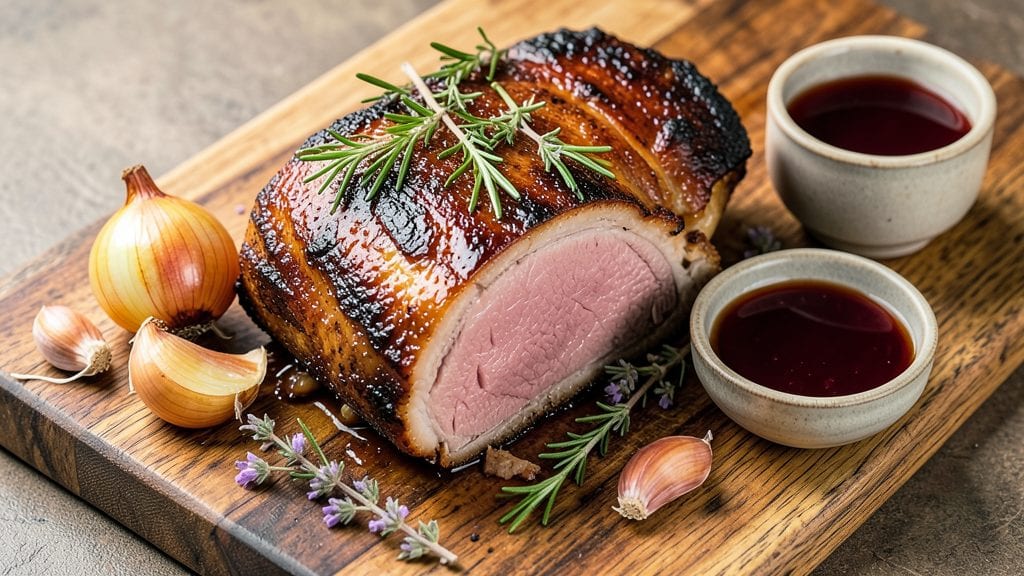
Mastering a whole pork shoulder recipe transforms a simple cut into a centerpiece that feeds a crowd with juicy, fall-apart tenderness. Growing up in small-town Georgia, I learned that pork shoulder—when cooked low and slow—becomes the heart of any meal, whether it’s Sunday dinner or a backyard feast.
The key lies in patience and technique, not shortcuts, and this method delivers restaurant-quality results at home.
This recipe focuses on the slow-roasted approach, where high heat initially sears the meat to lock in juices, then gentle heat breaks down collagen for that signature melt-in-your-mouth texture. No fancy equipment is needed—just time, a reliable oven, and a cast iron Dutch oven if you’re braising.
The process takes 8-10 hours, but every hour builds flavor that store-bought can’t match.
By the end, you’ll have a pork shoulder so tender it practically dissolves on the bone, with crispy edges that add texture to every bite. The versatility doesn’t end there—shred it for tacos, sandwiches, or even fried rice.
Leftovers become new meals, proving this isn’t just a recipe; it’s a foundation for days of effortless dining.
Whether you’re feeding a family or hosting a gathering, this method ensures every slice is juicy and packed with flavor. Let’s get started on creating pork shoulder magic that’ll have everyone asking for seconds—and thirds.
Ingredients for whole pork shoulder
Pantry staples meet slow-cooked perfection—just the right ingredients to transform a simple pork shoulder into crowd-pleasing magic.
| Ingredient | Amount | Notes |
|---|---|---|
| Whole Pork Shoulder 🥩 | 8 lb | Bone-in, skin-on preferred |
| Yellow Onion 🧅 | 2 whole | Yellow or red variety |
| Garlic Cloves 🧄 | 8 cloves | Peeled, roughly chopped |
| Fresh Rosemary 🌿 | ¼ cup | Chopped, stems removed |
| Fresh Thyme 🍃 | 2 sprigs | Or 1 tsp dried thyme |
| Apple Cider Vinegar 🍏 | ½ cup | For tenderizing |
| Brown Sugar 🍯 | ½ cup | Packed, light brown |
| Smoked Paprika 🌶️ | 2 tbsp | For depth of flavor |
| Ground Black Pepper 🌶️ | 1 ½ tbsp | Freshly cracked |
| Kosher Salt 🧂 | 2 tbsp | Diamond Crystal preferred |
| Extra-Virgin Olive Oil 🫒 | ¼ cup | For searing |
| Apple Juice 🍎 | 1 ½ cups | Unsweetened, for braising |
| Beef Broth 💧 | 1 cup | Low-sodium preferred |
The pork shoulder is the star, and bone-in, skin-on cuts deliver the best results—skin crisps beautifully, and bones add depth to the broth. Most grocery stores carry this cut, often labeled as 'pork butt' or 'Boston butt.' For optimal quality, look for USDA Choice or Prime at stores like Whole Foods or your local butcher shop. The weight matters too—an 8-pound shoulder serves 8 generously, perfect for family gatherings. If you can't find bone-in, skin-on, a bone-in version without skin still works, though the crispiness will differ slightly. Trim any excess fat if it's particularly thick, but leave some for flavor.
Fresh herbs elevate this dish, but dried work in a pinch. Penzeys Spices or bulk bins at natural food stores offer the best quality for rosemary and thyme. No apple cider vinegar? Red wine vinegar or balsamic works equally well. The brown sugar can be swapped for maple syrup or honey if you prefer. For the paprika, smoked is essential—regular paprika won’t give that signature depth. If you’re short on time, pre-chop the onions and garlic, but freshly minced garlic makes all the difference. The apple juice and beef broth can be substituted with chicken broth and a splash of apple cider if you’re avoiding beef.
This recipe rewards patience—plan ahead. The pork shoulder can be prepped 1 day in advance, seasoned, and refrigerated overnight for even deeper flavor. Once cooked, it reheats beautifully—store in the fridge for 4-5 days or freeze for up to 3 months. For leftovers, shred and portion into containers for quick meals like tacos, sandwiches, or fried rice. The braising liquid also freezes well, perfect for soups or sauces later. Keep the cooked pork covered with foil to retain moisture, and let it rest 15-20 minutes before shredding for the juiciest texture.
Why You'll Love This Recipe
- Oven-Friendly Masterpiece: I can prep this the night before and forget about it until dinner—just pop it in at 275°F for 6 hours while I nap or binge a show. That dry rub with 2 tbsp kosher salt and smoked paprika clings like a second skin, and the apple cider vinegar in the braising liquid keeps it from drying out. No last-minute stress, just pure hands-off magic.
- Crispy Bark, Creamy Center: The sear with ¼ cup extra-virgin olive oil gives that dark, crackling crust while the fresh rosemary and thyme infuse the meat with herbal warmth. Slice it against the grain, and you’ll get that probe-tender texture at 195-203°F—no dry, chewy pork here. Honestly, the contrast between the crispy skin and the fall-apart meat is what’ll have you licking your plate.
- Feeds a Crowd (or Lunchboxes): This 8 lb whole pork shoulder is my secret weapon for game days, potlucks, or even packing lunches. Shred half for tacos, slice the rest for sandwiches, and freeze portions for future meals. The brown sugar in the rub adds a subtle caramel note that pairs perfectly with coleslaw or pickles—no extra work, just endless ways to enjoy it.
- Budget-Friendly Powerhouse: A whole pork shoulder is one of the most affordable cuts, and with 13 simple ingredients, you’re not splurging on fancy stuff. The apple juice and beef broth in the braising liquid stretch the flavor without costing extra. Plus, leftovers reheat like a dream—store them for 4-5 days or freeze for up to 3 months. It’s the kind of dish that makes me feel like a smart cook without breaking the bank.
Step-by-step instructions for slow-roasted whole pork shoulder
Mastering this technique guarantees tender, flavorful pork that practically melts in your mouth.
Prepare the Pork Shoulder with the Dry Rub
Begin by removing the pork shoulder from the refrigerator and letting it sit at room temperature for 30 minutes. This ensures even cooking throughout. Pat the surface completely dry with paper towels—this step is critical for achieving crispy bark later.
In a small bowl, combine the 2 tablespoons kosher salt, 2 tablespoons smoked paprika, 1½ tablespoons ground black pepper, ¼ cup fresh rosemary, and 2 sprigs fresh thyme. Crush the thyme sprigs between your palms to release their essential oils. Rub this mixture all over the pork shoulder, pressing firmly so the spices adhere. Let it rest uncovered in the refrigerator for at least 4 hours, or preferably overnight. This resting period allows the salt to penetrate deeply and the flavors to meld.
Sear the Pork Shoulder for Maximum Flavor
Preheat your oven to 275°F. Heat a large Dutch oven over medium-high heat and add ¼ cup extra-virgin olive oil. Once the oil shimmers, place the pork shoulder fat-side down in the pot. Let it sear undisturbed for 10 minutes until the fat renders and the skin begins to brown deeply. Flip the pork shoulder and sear the other side for another 8-10 minutes. This step develops a rich, caramelized crust that locks in moisture.
Remove the pork shoulder from the pot and set it aside. In the same pot, add 2 yellow onions, 8 garlic cloves, and ½ cup apple cider vinegar. Cook for 5 minutes, stirring occasionally, until the onions soften and the garlic becomes fragrant. Pour 1½ cups apple juice and 1 cup beef broth into the pot, scraping up any browned bits from the bottom. Return the pork shoulder to the pot, fat-side up, and place it in the preheated oven.
Slow-Roast to Perfect Tenderness
Roast the pork shoulder uncovered for 6 hours, maintaining the oven temperature at 275°F. This low-and-slow method breaks down the connective tissue, transforming the meat into tender, juicy perfection. Every hour, spoon the pan juices over the pork shoulder to keep it moist and enhance flavor development.
After 6 hours, check the internal temperature using a meat thermometer. The pork shoulder is ready when it reaches 195-203°F—this is the "probe-tender" stage where the meat is fall-apart tender. If it hasn't reached this temperature, continue roasting for another 30-60 minutes, checking periodically. The skin should be crispy and dark brown, indicating a perfect bark.
Rest and Slice for Juicy Results
Once the pork shoulder reaches the desired internal temperature, transfer it to a cutting board. Tent loosely with aluminum foil and let it rest for 30 minutes. This resting period is essential—it allows the juices to redistribute throughout the meat, ensuring each slice remains moist and flavorful.
After resting, remove any large fat deposits if desired, then slice the pork shoulder against the grain into ½-inch thick portions. Serve immediately, allowing guests to experience the full depth of flavor and texture. The result should be juicy, tender meat with a crispy exterior and rich, aromatic spices infused throughout.
Pro Tips For Making Whole Pork Shoulder
- Don’t Rush the Sear: I used to flip the pork shoulder every 2 minutes, thinking it would brown faster—it just turned out greasy. Let that first 10 minutes happen undisturbed on medium-high heat. The fat needs time to render and the skin to crisp properly. If your oil isn’t shimmering hot, you’re wasting time and losing flavor.
- Caramelize Those Onions: The recipe says 5 minutes for the onions, but don’t stop there. Let them soften and start to turn golden before adding the vinegar—this builds deeper flavor. A few minutes extra here makes the whole dish taste richer without adding another ingredient.
- Check the Vinegar: That ½ cup of apple cider vinegar isn’t just for acidity—it tenderizes the meat while you sear. If you skip it or use a milder vinegar, you’ll miss out on that melt-in-your-mouth texture. And yes, even if you’re impatient like me, let it cook fully before pouring in the juices.
- Use a Meat Thermometer: Guessing at doneness is how you end up with dry pork. At 195-203°F, the collagen has fully broken down, and the meat will pull apart like butter. If your thermometer says 190°F after 6 hours, don’t panic—just give it another 30 minutes. The skin will crisp up right before it’s done.
Best sauces and condiments for this recipe
Classic Apple Cider Glaze
This sweet-tart glaze is my go-to for balancing the richness of pork shoulder. Simmer 1 cup apple cider with 2 tbsp brown sugar and 1 tsp whole cloves for 10 minutes until reduced by half.
Strain and brush generously over the pork during the last 30 minutes of cooking to create a glossy, caramelized finish. The cloves add warmth that pairs beautifully with the rosemary in your dry rub. 🍏
Spicy Mustard Sauce
For heat lovers, mix ½ cup whole-grain mustard with ¼ cup apple cider vinegar, 2 tbsp honey, and 1 tbsp hot sauce (I use Frank's RedHot). Whisk in 1 tbsp Dijon mustard and a pinch of salt.
Drizzle over sliced pork or use as a sandwich spread—this tangy kick cuts through the pork's fat beautifully. I always keep a bottle of Penzeys mustard in my pantry for this exact purpose.
Pineapple Salsa Verde
Brighten up your pork with this tropical twist: combine 2 cups diced pineapple, ½ cup diced red onion, ¼ cup chopped cilantro, 2 tbsp lime juice, and 1 jalapeño seeded and minced.
Let it sit for 15 minutes to meld flavors. Serve alongside pork slices or use as a topping for pulled pork tacos. The sweetness balances the savory pork perfectly, and it's a crowd-pleaser at any gathering. 🌶️
Brown Butter Gravy
Make your braising liquid work harder by reducing it into a rich gravy. After cooking, strain the pork shoulder juices and return them to the pot. Add 2 tbsp butter and cook on medium heat until golden brown.
Whisk in 2 tbsp cornstarch mixed with ¼ cup cold water to thicken. Finish with 1 tsp fresh thyme and a pinch of salt. This gravy transforms leftover pork into a restaurant-quality meal—just pour it over mashed potatoes or buttered bread. 🍲
Smoky Chipotle Mayo
For a smoky kick, blend ½ cup mayonnaise with 1 tbsp adobo sauce from a jar of chipotle peppers in adobo, 1 tsp lime juice, and ½ tsp smoked paprika. Adjust heat to taste—this mayo is perfect for sandwiches or drizzling over sliced pork.
I always have a jar of Hatch green chiles on hand for this, and it's become a staple at my family gatherings. 🌶️
Nutrition facts
Frequently asked questions
Why does the pork shoulder need to rest after cooking?
The 30-minute rest is critical—it lets juices redistribute evenly. Without resting, you’ll lose moisture when slicing, leaving dry meat instead of that melt-in-your-mouth texture. Think of it like letting a loaf of bread cool before slicing: you want every bite to be just as juicy as the first!
Can I skip the searing step if I’m short on time?
Searing is non-negotiable for that perfect crispy bark. Skip it, and your pork will lack depth of flavor and texture. If you’re rushed, at least sear it for 5 minutes per side—even that small amount improves the crust. The extra effort makes all the difference!
What if my pork shoulder isn’t reaching 195-203°F
after 6 hours?
Increase the oven temperature to 300°F and continue cooking, checking every 30 minutes. The skin should crisp up faster, and the meat will finish tenderizing. Just watch closely—you don’t want to overcook!
How do I store the braising liquid for future use?
Strain out solids, then freeze the liquid in ice cube trays for up to 3 months. Thaw cubes as needed for soups or gravies—it’s pure pork flavor gold! No waste, just deliciousness.
Can I use a different cut of pork if I can’t find a whole shoulder?
Bone-in pork butt (the same cut) works perfectly, but boneless cuts won’t develop the same bark. For the best results, stick to the original cut—it’s what makes this recipe legendary!