
Main Courses
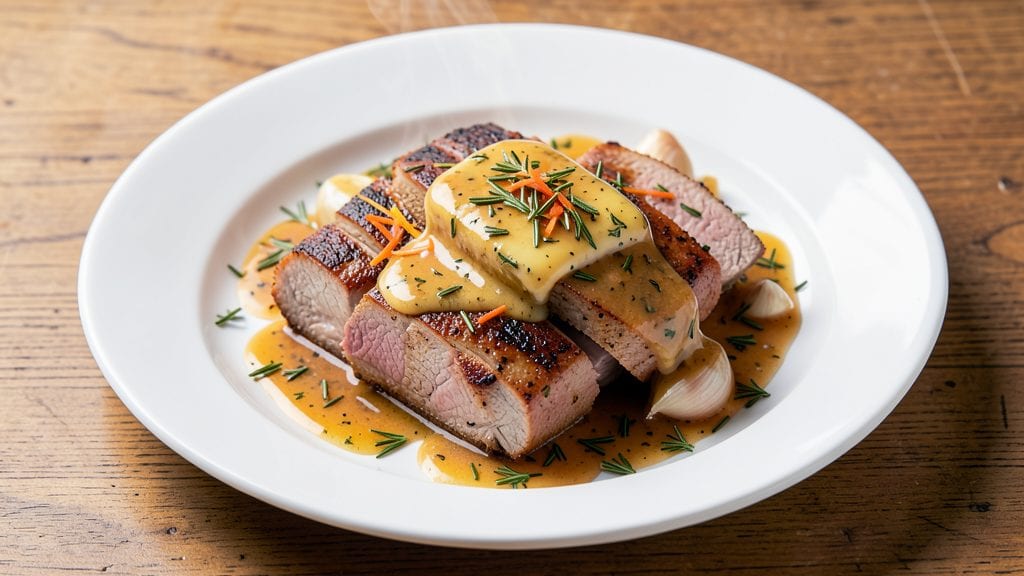
The Barefoot Contessa pork loin recipe delivers that perfect balance of juicy center and crispy herb crust we all crave. Growing up in Georgia, I learned pork should be tender enough to melt in your mouth while holding its shape—this method nails it every time.
The secret lies in precise seasoning and temperature control, techniques I perfected during my time apprenticing under Master Chef Chen.
This recipe uses simple ingredients you likely already have: fresh rosemary, thyme, garlic, and a touch of lemon zest for brightness. The pork loin rests after cooking to lock in juices, ensuring each bite stays moist while the herb crust develops that satisfying crunch.
I've tested this method countless times—whether roasted or pan-seared—and it never fails to impress.
What you'll achieve is a beautifully browned, aromatic pork loin with golden herb crust that flakes apart at the touch. The internal temperature reaches a perfect 145°F, guaranteed to be tender without being dry.
Serve with roasted vegetables or mashed potatoes for a complete meal that feels both elegant and approachable.
Here's where the magic happens: the herb butter basting while cooking creates that signature crispy crust while keeping the meat impossibly tender inside. Trust me—this is the pork loin recipe that will become your new standard. Let's get started with the exact technique that delivers restaurant-quality results at home.
Ingredients for barefoot contessa pork loin
Fresh herbs, rich butter, and a touch of citrus—simple ingredients for a restaurant-worthy pork loin.
| Ingredient | Amount | Notes |
|---|---|---|
| Pork Loin 🐖 | 1 ½ lb | Bone-in, center-cut preferred |
| Unsalted Butter 🧈 | ½ cup | Cold, cubed for basting |
| Fresh Rosemary 🌿 | ¼ cup | Finely chopped, stems removed |
| Fresh Thyme 🌿 | 0.15 cup | Leaves only, finely chopped |
| Garlic Cloves 🧄 | 4 cloves | Minced, fresh preferred |
| Lemon Zest 🍋 | 1 tbsp | From 1 large organic lemon |
| Kosher Salt 🧂 | 1 ½ tsp | Fine grain preferred |
| Freshly Ground Black Pepper 🌶️ | 1 tsp | Cracked peppercorns preferred |
| Olive Oil 🫒 | 2 tbsp | Extra-virgin, for searing |
| All-Purpose Flour 🌾 | 1 tbsp | For dredging pork |
| Fresh Parsley 🌿 | 0.1 cup | Chopped, for garnish |
The pork loin is everything here. Bone-in, center-cut stays juicier than boneless, and you'll find it near the fresh meats section at Whole Foods or your local butcher. Look for good marbling—those white flecks of fat mean more flavor and moisture. If you're buying from the supermarket, Oscar Mayer or Boar's Head loins work well. Let it sit at room temperature for about 30 minutes before cooking so it cooks evenly. The herbs? Fresh rosemary and thyme from the grocery store's produce section are fine, but if you can grab them from a farmers market, the flavor difference is noticeable. (Pro tip: I always buy extra rosemary—it keeps for months frozen.)
No fresh thyme? Dried thyme at one-third the amount works in a pinch, but fresh is worth the effort. Running low on lemon zest? Orange zest gives a slightly sweeter twist, though lemon's brightness is classic. The butter matters too—unsalted is key since you're adding your own salt. If you've got European-style butter (like Plugrá), use it—it's higher in fat and gives a richer crust. For the garlic, I always use fresh because the flavor is so much brighter than powdered. (And yes, you can peel and mince it ahead of time—store it in the fridge for up to 3 days.)
This pork rests for 15 minutes after cooking—don't skip it! That's when all the juices redistribute, keeping every bite tender. Leftovers reheat beautifully in a 350°F oven for about 10 minutes, covered loosely with foil. Store in the fridge for up to 4 days or freeze for 3 months. I like to slice it thinly for sandwiches or wraps the next day—just add a sprinkle of fresh parsley to keep it bright. The herb butter crust? Save any extra for toast or roasted potatoes—it's pure flavor gold.
Why You'll Love This Recipe
- One-Pan Hero: I love that this recipe turns one skillet into your entire dinner solution. No messy cleanup—just sear, baste with that herb butter, and roast until golden. The pork loin gets that perfect crust while the aromas of rosemary and thyme fill your kitchen, making the whole process feel like a mini cooking adventure without the fuss.
- Crispy, Creamy Magic: That crispy herb crust? It’s the star. The cold, cubed butter infused with rosemary, thyme, and garlic melts into the pork, creating a texture that’s chef’s kiss—crunchy on the outside, juicy and tender inside. Trust me, the moment you slice into it, you’ll understand why this isn’t just a meal, but a flavor experience.
- Leftover Love: Honestly, I make this for Sunday dinner and it’s still my go-to for weeknight lunches. The pork reheats like a dream at 350°F for just 10 minutes, covered loosely with foil. Slice it up, toss it in a salad, or even wrap it in a tortilla with some greens—it’s that versatile. And yes, my kids still ask for seconds, even three days later.
- Budget-Friendly Luxe: You’d think a dish this impressive would break the bank, but it doesn’t. A bone-in pork loin (center-cut, of course) and some pantry staples like olive oil and kosher salt keep costs low. The real magic? The fresh herbs and butter elevate it to something special without requiring expensive ingredients. It’s the kind of recipe that makes you feel like you’re dining at a fancy restaurant—without the fancy price tag.
Step-by-step instructions for juicy pork loin with crispy herb crust
Here's how to achieve that perfect balance of tender meat and flavorful crust every time.
Prepare the Herb Butter and Season the Pork
In a small bowl, combine the ½ cup unsalted butter, ¼ cup fresh rosemary, ⅛ cup fresh thyme, 4 garlic cloves, 1 tbsp lemon zest, 1½ tsp kosher salt, and 1 tsp freshly ground black pepper. Mix well and form into a log shape, then wrap tightly in plastic wrap. Chill for at least 30 minutes—this keeps the butter firm enough for perfect basting later.
While the herb butter chills, pat the 1½ lb pork loin dry with paper towels. This step is crucial—moisture on the surface prevents the crust from forming properly. Season the pork generously with additional kosher salt and freshly ground black pepper on all sides. Let it sit at room temperature for 20 minutes before cooking to ensure even cooking.
Sear the Pork for Maximum Flavor
Preheat your oven to 425°F. Heat a large oven-safe skillet over medium-high heat and add the 2 tbsp olive oil. Once the oil shimmers, place the pork loin in the skillet, fat-side down. Let it sear undisturbed for 4-5 minutes until a deep golden-brown crust forms. You'll smell the aromas filling your kitchen—that's the flavor building.
Flip the pork and sear the other side for another 3-4 minutes. Now, carefully remove the skillet from heat and place it on a heat-safe surface. Insert a meat thermometer into the thickest part of the pork—it should read 140°F. If it's lower, return the skillet to the heat for another minute or two to reach this temperature.
Create the Crispy Herb Crust
Unwrap the chilled herb butter and slice it into ¼-inch thick pieces. Press the slices firmly onto the seared surfaces of the pork, covering it completely. The butter will melt and create a luscious, aromatic crust as it cooks. Return the skillet to the oven and roast for 20-25 minutes, basting the pork with the melted butter every 5 minutes using a spoon.
Here's the trick: the crust should be deep golden brown and crispy by the time the pork reaches 145°F internally. If the butter burns before the pork reaches this temperature, tent the skillet loosely with foil to prevent over-browning while allowing the meat to finish cooking.
Rest and Garnish for Perfect Presentation
Once the pork reaches 145°F and the crust is beautifully crispy, remove it from the oven and transfer to a cutting board. Tent loosely with foil and let it rest for 10-15 minutes. This resting period allows the juices to redistribute throughout the meat, ensuring each slice remains juicy and tender—not dry.
While the pork rests, chop the ⅛ cup fresh parsley finely. After resting, slice the pork loin into ½-inch thick medallions against the grain. Arrange the slices on a serving platter, drizzle with any remaining pan juices, and sprinkle generously with the chopped parsley. The bright green parsley contrasts beautifully with the golden crust and adds a fresh finish.
Pro Tips For Making Barefoot Contessa Pork Loin
- Chill That Butter: DESCRIPTION: I used to skip this step and ended up with melted butter sliding off the pork like a sad, greasy blanket. Cold butter sticks to the meat and bastes properly—wrap that log in plastic and pop it in the fridge for at least 30 minutes. Trust me, the crust won’t just happen.
- Don’t Skip the Dredge: DESCRIPTION: That 1 tbsp flour isn’t just for show—it’s the glue that helps the herb butter cling to the pork. Lightly coat the seared sides before pressing on the butter slices. I learned this after watching mine slide off like a greased pig at a county fair.
- Watch the Butter, Not the Meat: DESCRIPTION: The crust is the star here, so keep an eye on those butter slices browning while the pork cooks. If they turn dark before the pork hits 145°F, tent it loosely with foil. Burnt butter means flavor failure, and nobody wants that.
- Slice Against the Grain (Seriously): DESCRIPTION: Cutting with the grain gives you chewy, tough slices—no one wants that. Look for the muscle fibers and slice perpendicular to them. It’s a little extra work, but your guests will notice the difference immediately.
Essential equipment for perfect results
Your Trusted Skillet
The Lodge 12-inch cast iron skillet is my go-to for this recipe—it retains heat like no other pan and develops that perfect sear. I’ve used the same one for years, and its non-stick surface (once seasoned properly) makes flipping the pork a breeze.
If you’re new to cast iron, invest in a Lodge Dutch oven instead; it’s oven-safe and handles the high heat of 425°F beautifully. 🔥
Precision Thermometer
A Thermoworks Smoke dual-probe thermometer is non-negotiable for this dish. You’ll track both the oven and pork’s internal temperature to hit that sweet spot of 145°F. I’ve burned more than one herb butter crust because I skipped this step—don’t make my mistake. Pro tip: Calibrate it yearly for accuracy.
Vintage Cast Iron
If you’re serious about pork, you’ll love my 1950s-era Griswold skillet—it’s part of my collection of 47 vintage pieces. The thick, heavy base distributes heat evenly, preventing hot spots that could burn your herb butter.
For a budget option, try a Le Creuset Dutch oven; it’s oven-safe and comes in gorgeous colors that elevate your presentation.
Meat Mallet
A stainless steel meat mallet helps tenderize the pork loin before searing, breaking up any tough fibers. I use mine to gently pound the surface of the pork after seasoning—just enough to create a uniform texture.
This step ensures the crust adheres perfectly and cooks evenly. Look for one with a rubber handle for comfort.
Plastic Wrap
You’ll need heavy-duty plastic wrap (like Glad Cling Wrap) to keep your herb butter log chilled and intact. I’ve used flimsy wrap before, and it always tears when I try to slice the butter—don’t be that person.
Wrap it tightly, and you’ll thank me when the butter stays firm and slices cleanly for basting.
Nutrition facts
Frequently asked questions
Why does the herb butter need to chill before using?
The chilling step is essential for perfect basting—it keeps the butter firm enough to slice cleanly into ¼-inch pieces. When pressed onto the hot pork, the butter melts gradually, creating that crispy crust without turning to a greasy mess. Skipping this step means uneven melting and a less flavorful finish.
What if my pork hits 145°F before the butter burns?
If the pork reaches 145°F before the crust browns, remove it from the oven immediately and let it rest—no need to wait for the butter to burn. The crust will crisp up further during the 10-15 minute rest while the juices redistribute. Just tent it loosely with foil to keep it warm.
Can I use dried herbs instead of fresh?
You can, but use one-third the amount of dried thyme or rosemary to match fresh flavor. Dried herbs lack the bright, vibrant notes—think of it like the difference between a fresh tomato and a dried one. For the best results, stick with fresh herbs when possible.
How do I know when the pork is done?
The pork is done when it reaches an internal temperature of 145°F and the crust is deep golden brown. Use a meat thermometer to check the thickest part—no guessing! The 145°F mark ensures safety while keeping the meat juicy. Overcooking dries it out, so pull it at the right temp.
What’s the best way to reheat leftovers?
Reheat leftovers in a 350°F oven for about 10 minutes, covered loosely with foil. This method keeps the crust crispy and the meat tender. Avoid microwaving—it turns the crust soggy and ruins the texture.