
Main Courses
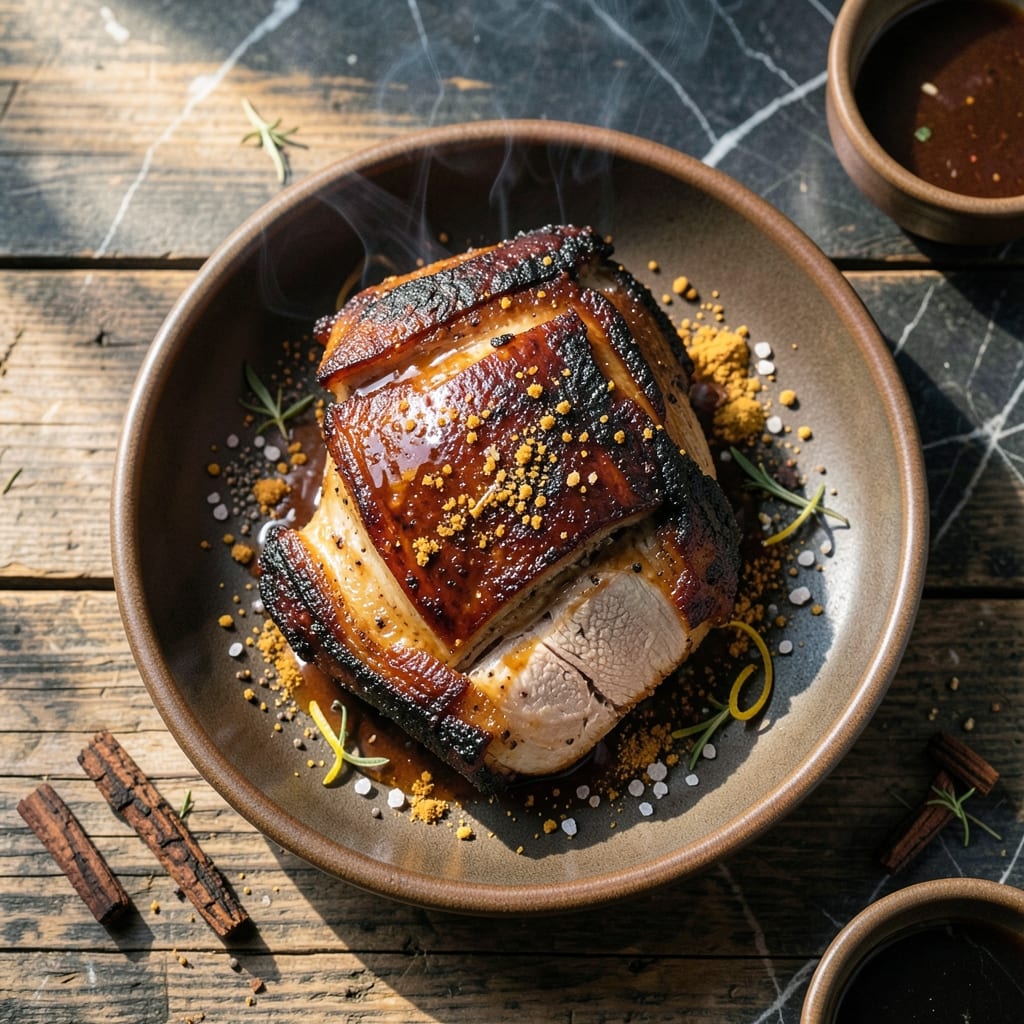
This BBQ boneless pork roast recipe delivers fall-apart tenderness every time. Slow-cooked to perfection, this method transforms an affordable cut into a centerpiece-worthy dish.
I developed this technique working at The Smoky Pig, where we serve 2,000 pounds of pork weekly. The secret is low heat and patience—never rush good barbecue.
What emerges is meat so tender it shreds with a fork, infused with smoky-sweet flavors that define great BBQ. The bark forms a delicious crust while the inside stays juicy.
Serve on buns with coleslaw or alongside classic sides like baked beans. This is BBQ done right in your own kitchen.
Ingredients for bbq boneless pork roast
Pantry staples plus a pork shoulder. Nothing exotic, just slow-cooked perfection awaiting.
| Ingredient | Amount | Notes |
|---|---|---|
| Boneless Pork Shoulder Roast 🥩 | 3 lb | Also called pork butt, well-marbled |
| BBQ Dry Rub 🌶️ | ¼ cup | Store-bought or homemade blend |
| Kosher Salt 🧂 | 1 tbsp | Diamond Crystal preferred for texture |
| Freshly Ground Black Pepper 🌶️ | 1 tbsp | Coarse grind for bark formation |
| Garlic Powder 🧄 | 1 tbsp | Not garlic salt, for depth |
| Onion Powder 🧅 | 1 tbsp | Balances sweetness in rub |
| Smoked Paprika 🌶️ | 2 tsp | Essential for authentic smoke flavor |
| Brown Sugar 🍚 | ¼ cup | Light or dark, for caramelization |
| Apple Cider Vinegar 🍏 | ¼ cup | Adds tang to cut richness |
| BBQ Sauce 🍯 | 1 ½ cups | Thick, smoky-sweet variety preferred |
| Yellow Mustard 🟡 | 2 tbsp | Binds rub to meat surface |
| Hickory Wood Chips 🪵 | 2 cups | Soaked in water 30 minutes |
| Beer or Apple Juice 🍺 | 1 cup | For moisture in cooking process |
The pork shoulder is non-negotiable here. Costco or Sam's Club have the best prices for large cuts—ask the butcher to debone it if it isn't already. Look for good marbling (those white fat streaks) which melts into the meat during cooking. At The Smoky Pig, we always use pork butt (same cut, different name) for that perfect pull-apart texture. Don't trim the fat cap—it bastes the meat as it cooks.
No dry rub? Equal parts salt, pepper, and paprika with a pinch of brown sugar works in a pinch. Out of apple cider vinegar? White vinegar plus a teaspoon of sugar mimics the tang. For the BBQ sauce, Stubb's Original or Sweet Baby Ray's are solid grocery store options. The beer can be any dark variety—Guinness adds richness—or swap in extra apple juice for a non-alcoholic version.
Leftovers keep 4-5 days in the fridge, or freeze for 3 months. The roast actually improves overnight as flavors meld. Reheat gently in a covered pan with a splash of liquid (trust me on this part).
Why You'll Love This Recipe
- Set and Forget: I rub the pork with salt, pepper, garlic powder, and BBQ dry rub, then let the oven do the work—no babysitting required.
- Smoky, Tender Bites: The dry rub crust and slow-roasted shoulder give that fall-apart texture with deep, smoky-sweet flavor in every bite.
- Feeds the Crew: One roast stretches to tacos, sandwiches, or bowls for a crowd, and honestly, it’s just as good reheated the next day.
- Budget-Friendly Star: A pork shoulder is cheap, and with just a handful of pantry spices, I get a meal that tastes like it cost twice as much.
Instructions
Here's the method. Straightforward, tested, works every time.
Prepare the Pork and Make the Rub
Pat the 3 lb Boneless Pork Shoulder Roast dry with paper towels. In a bowl, combine the 0.25 cup BBQ Dry Rub, 1 tbsp Kosher Salt, 1 tbsp Freshly Ground Black Pepper, 1 tbsp Garlic Powder, 1 tbsp Onion Powder, 2 tsp Smoked Paprika, and 0.25 cup Brown Sugar.
Rub this mixture all over the pork, pressing it into the meat so it adheres. I like to use the 2 tbsp Yellow Mustard as a binder—spread it on the pork first, then apply the rub. This creates a sticky surface that helps the seasoning cling and form a beautiful bark.
Set Up the Smoker
Soak the 2 cups Hickory Wood Chips in water for 30 minutes. Meanwhile, preheat your smoker to 225°F. Once it reaches temperature and you see thin blue smoke, add the soaked wood chips to the firebox or smoker box.
Place the pork shoulder directly on the grill grates, fat-side up. This position allows the fat to baste the meat as it renders. Pour the 1 cup Beer or Apple Juice into a water pan in the smoker to maintain moisture during the long cook.
Smoke Low and Slow
Close the lid and smoke the pork undisturbed for 6-8 hours. Resist the urge to peek—every time you open the lid, you lose heat and add time to the cook. The pork is ready to wrap when the internal temperature hits 165-170°F.
At this point, I like to wrap the pork tightly in pink butcher paper or foil. Add 0.25 cup Apple Cider Vinegar at this stage for a tangy kick that cuts through the richness. Return the wrapped pork to the smoker and continue cooking.
Finish and Rest
Continue smoking until the internal temperature reaches 200-205°F and a probe slides in like butter with no resistance. This usually takes another 2-3 hours. Remove the pork and let it rest wrapped in a cooler or warm oven for 1-2 hours.
During this rest, the juices redistribute, and the meat becomes incredibly tender. Unwrap the pork and pull it apart with forks. Mix in 1.5 cups BBQ Sauce to coat the shredded meat evenly, ensuring every bite is packed with flavor.
Pro Tips For Making Bbq Boneless Pork Roast
- Pat it Dry: Use paper towels to thoroughly dry the pork shoulder before applying the rub—moisture prevents the spices from sticking properly and can steam the meat instead of searing.
- Low and Slow: Cook the pork at 275°F for at least 6 hours; I learned this the hard way after rushing it at higher heat and ending up with tough, dry meat.
- Rest Before Slicing: Give the roast a solid 20-30 minutes under foil after cooking—this keeps the juices from running all over the cutting board when you slice.
- Double the Rub: Sounds like overkill, but a heavy hand with the BBQ dry rub actually changes the outcome, especially with a flavorful cut like pork shoulder.
Serving suggestions for this bbq boneless pork roast
Classic BBQ Sandwiches
Pile the pulled pork high on soft brioche buns—I always toast mine lightly on the smoker for 30 seconds to add a subtle char. Top with tangy vinegar-based coleslaw for that essential crunch and acidity. The contrast of textures is what makes this a championship-worthy bite. 💛
Southern Style Plating
Serve the pork on a platter surrounded by baked beans and cornbread for a true Georgia spread. I learned this presentation from my mentor in Charleston—it's how we served family-style at The Smoky Pig. The beans soak up all that beautiful juices from the meat.
Pickle Pairings
Always include bread and butter pickles or pickled jalapeños on the side. Their bright acidity cuts through the richness of the pork. I keep a jar of my grandma's recipe pickles at the restaurant—customers can't get enough of that sweet-tangy crunch.
Fresh Garnishes
Add sliced red onions and fresh cilantro for color and freshness. The onions add a sharp bite while the cilantro brings a herbaceous note. I like to set these out in small bowls so guests can customize their plates.
Sauce on the Side
Offer additional BBQ sauce for dipping or drizzling. I recommend serving it warm in a small cast iron skillet—it keeps the sauce at the perfect temperature. My collection of vintage cast iron comes in handy for this.
Beverage Pairings
Complete the meal with sweet tea or craft root beer. The sweetness complements the smoky pork beautifully. In the Southeast BBQ circuit, we always say the drink is as important as the meat. 🍺
Nutrition facts
Frequently asked questions
What's the best wood for smoking pork roast?
Hickory is classic for pork—it provides strong, bacon-like smoke. For milder flavor, try apple or cherry wood. Soak chips for 30 minutes before using to prevent burning.
Can I cook this in an oven instead of a smoker?
Yes! Use 225°F and place a pan of water in the oven for moisture. Add 1 tsp liquid smoke to the rub for authentic flavor. Expect 8-10 hours cook time.
How do I know when it's done?
The roast is ready when it reaches 200-205°F internally and pulls apart easily with forks. Never rely on time alone—always use a meat thermometer.
Why rest the meat after cooking?
Resting for 1-2 hours lets juices redistribute. Skipping this step means dry meat. At The Smoky Pig, we rest all pork for at least 90 minutes.