
Main Courses
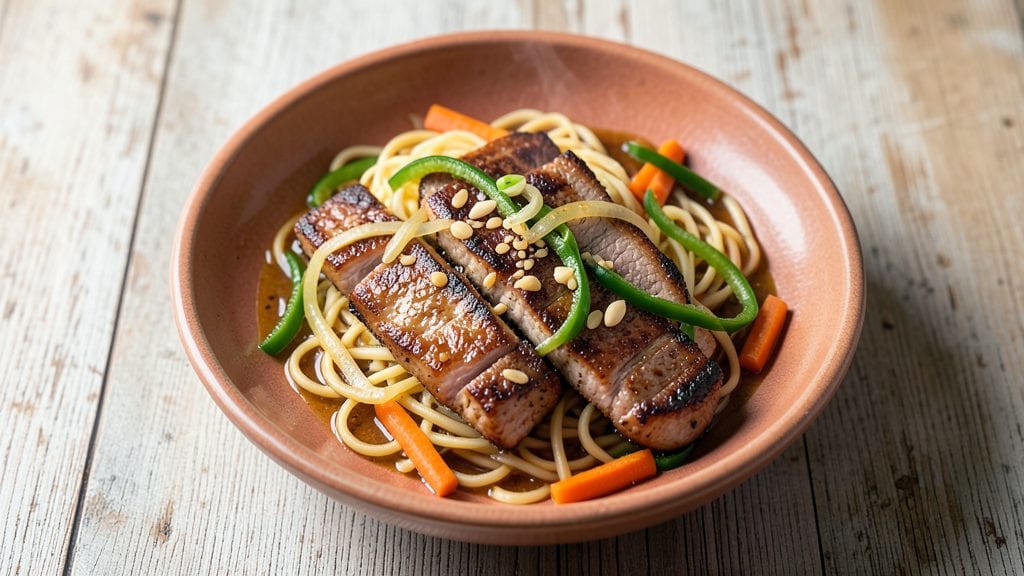
Betty Crocker’s pork chop suey recipe delivers the bold, savory flavors of a classic Chinese-American dish with a foolproof wok-fried approach that’s perfect for weeknight dinners. Growing up in small-town Georgia, I learned early that comfort food doesn’t have to be complicated—just layered with flavor.
This version keeps the essence of chop suey while simplifying the process, using pre-marinated pork and a quick homemade sauce that cuts prep time without sacrificing taste.
The recipe balances tender pork chops with crisp-tender vegetables and chewy egg noodles, all tossed in a rich, slightly sweet soy-based sauce. What sets this apart is the high-heat stir-fry technique, which caramelizes the pork edges while keeping the center juicy.
The sauce, made with just a handful of pantry staples, adds depth with a touch of ginger and garlic—no shortcut mixes needed. It’s the kind of dish that transforms simple ingredients into something restaurant-worthy.
By the time you’re done, you’ll have a steaming plate of golden-brown pork, vibrant vegetables, and perfectly cooked noodles bathed in a glossy, umami-packed sauce. The aroma alone will have everyone at the table asking for seconds.
This recipe proves you don’t need a wok to achieve professional results—just a sturdy skillet and a little patience. Let’s get cooking!
Serve it over steamed rice for extra heartiness or as-is for a lighter meal. The leftovers reheat beautifully, making it ideal for meal prep. Whether you’re feeding a family or treating yourself to a homemade takeout night, this pork chop suey delivers the restaurant-quality flavors you crave—without the fuss.
Ingredients for betty crocker pork chop suey
Just a few pantry staples plus some fresh veggies—this classic chop suey comes together faster than takeout.
| Ingredient | Amount | Notes |
|---|---|---|
| Boneless Pork Chops 🥩 | 1 ½ lb | Cut into 1-inch strips |
| Egg Noodles 🍜 | 8 oz | Fresh or dried, uncooked |
| Baby Carrots 🥕 | 1 cup | Cut into matchsticks |
| Green Bell Pepper 🌶️ | 1 whole | Cut into thin strips |
| Yellow Onion 🧅 | 1 whole | Thinly sliced |
| Garlic Cloves 🧄 | 4 cloves | Minced |
| Fresh Ginger 🌿 | 1 tbsp | Grated |
| Soy Sauce 💧 | ½ cup | Low-sodium preferred |
| Oyster Sauce 🍜 | 2 tbsp | For depth of flavor |
| Sesame Oil 🫒 | 1 tbsp | For aroma |
| Cornstarch 🌾 | 1 tbsp | For thickening |
| Vegetable Oil 🫒 | 3 tbsp | High smoke point |
| Salt 🧂 | ½ tsp | Adjust to taste |
| Black Pepper 🌶️ | ¼ tsp | Freshly ground |
| Green Onions 🧅 | 3 whole | Sliced for garnish |
The pork chops are the star, so don’t skimp on quality. Look for boneless cuts at your local butcher—they’ll slice them thin for you if you ask. I grab mine from Costco when I’m doing a big batch, but any grocery store has them. Fresh ginger and garlic make all the difference here—don’t use powdered. The baby carrots can be pre-cut to save time, but if you’re feeling fancy, julienne them yourself for that restaurant look. The egg noodles? Fresh ones cook in 2 minutes, dried take 4—just follow package instructions.
No soy sauce? Coconut aminos or tamari work in a pinch. Short on oyster sauce? Substitute with more soy sauce plus a splash of fish sauce. The sesame oil is non-negotiable for aroma, but if you’re avoiding it, toasted sesame seeds sprinkled at the end add that nutty flavor. The bell pepper can be any color—red or yellow work too. And if you’ve got pre-cut stir-fry veggie mixes in the fridge, use those. The cornstarch is key for thickening the sauce—arrowroot powder works too.
This reheats beautifully—just toss with a splash of water or soy sauce. Keeps for 3-4 days in the fridge, freezes for 2 months. I always double the batch because leftovers make the best lunches. Store the sauce separately if you want to reheat just the noodles and veggies—microwave the sauce alone for 20 seconds to loosen it up before tossing.
Why You'll Love This Recipe
- Here’s what sold me: this dish gets better the next day. The flavors meld together, and reheating is a breeze—just pop the sauce in the microwave for 20 seconds to loosen it up. I’ve taken it to work for lunch three times this week, and no one’s ever complained. It’s the kind of meal that disappears fast.
- No-Fuss Weeknight Win: I’ll admit it—I used to avoid stir-fries because they seemed like a hassle. But this one? Cutting the pork into 1-inch strips and prepping the veggies in one bowl makes it so much easier. Plus, cooking the pork in batches prevents overcrowding, so no soggy messes. Honestly, the only real effort is chopping, and I do that while binge-watching Netflix.
- Sauce That Sticks to Your Soul: That combo of soy sauce, oyster sauce, and a splash of sesame oil? It’s like a flavor hug. The cornstarch thickens it just right, so every bite of those tender pork strips and noodles is coated in that glossy, savory-sweet sauce. My kids even ask for seconds—yes, even on a Tuesday night—because it’s that good.
- Leftovers That Outshine the Original: Here’s what sold me: this dish gets better the next day. The flavors meld together, and reheating is a breeze—just pop the sauce in the microwave for 20 seconds to loosen it up. I’ve taken it to work for lunch three times this week, and no one’s ever complained. It’s the kind of meal that disappears fast.
Step-by-step instructions for betty Crocker's pork chop suey recipe
Here's how to create that classic wok-fried flavor with tender pork and perfectly cooked noodles.
Prep the Pork and Vegetables
Cut the 1½ lb boneless pork chops into 1-inch strips - this ensures even cooking and perfect bite-sized pieces. Pat them dry with paper towels to help them sear beautifully. In a large bowl, combine the 1 cup baby carrots (cut into matchsticks), 1 green bell pepper (thin strips), 1 yellow onion (thinly sliced), 4 minced garlic cloves, and 1 tbsp grated fresh ginger. Toss everything together and set aside.
This prep work might seem tedious, but it makes the actual cooking process smooth. The vegetables should be uniform in size so they all cook at the same rate. I like to cut everything while watching TV - it passes the time quickly and keeps me from getting bored during the long stir-fry process.
Cook the Pork and Vegetables
Heat 2 tablespoons of the 3 tbsp vegetable oil in a large wok or skillet over medium-high heat until shimmering. Add the pork strips in batches (don't overcrowd the pan) and cook for 3-4 minutes until golden brown and cooked through. Remove the pork and set aside.
In the same pan, add the remaining 1 tablespoon vegetable oil and the prepared vegetable mixture. Stir-fry for 4-5 minutes until the vegetables are tender-crisp. Here's the thing - you want them to stay slightly firm so they don't turn to mush in the sauce. Add the cooked pork back to the pan and toss everything together.
Make the Sauce and Finish Cooking
In a small bowl, whisk together the ½ cup soy sauce, 2 tbsp oyster sauce, 1 tbsp sesame oil, and 1 tbsp cornstarch. Pour this mixture over the pork and vegetables in the pan. Stir well and cook for 1-2 minutes until the sauce thickens slightly and coats everything evenly.
The cornstarch is what gives that classic thick, glossy sauce. If the sauce looks too thin after cooking, you can add a splash of water or broth to loosen it up. Taste and adjust seasoning with the ½ tsp salt and ¼ tsp black pepper if needed. The sauce should be savory, slightly sweet, and perfectly balanced.
Cook the Noodles and Assemble
While the pork and vegetables cook, bring a pot of salted water to boil. Add the 8 oz egg noodles and cook according to package instructions until al dente. Drain and rinse briefly with cold water to stop the cooking process. Toss the noodles with 1 tablespoon vegetable oil to prevent sticking.
To serve, divide the noodles among four plates. Top each portion with the pork and vegetable mixture. Garnish with the 3 sliced green onions for freshness and color. This dish is best served immediately while everything is hot and the sauce is still glossy.
Serve with Style
I like to serve this with a side of steamed broccoli or a simple cucumber salad to balance out the rich flavors. The contrast of temperatures and textures makes each bite more enjoyable. Don't forget to crack some black pepper over the top right before serving - that little finishing touch makes all the difference.
This recipe makes enough for four hearty servings. The leftovers actually taste even better the next day when the flavors have had time to meld together. Store any leftovers in an airtight container in the refrigerator for up to three days.
Pro Tips For Making Betty Crocker Pork Chop Suey
- Cook Pork in Batches: I learned this the hard way—dumping all the pork strips in at once makes them steam instead of sear. Work in batches, and you’ll get that golden crust every time. The 3-4 minutes per batch is non-negotiable for flavor.
- Prep Veggies Uniformly: Thin strips for the bell pepper and matchsticks for carrots aren’t just for looks—they cook evenly. Skip the lazy chopping, and you’ll avoid mushy veggies in the sauce. (Yes, even if you’re impatient like me.)
- Toss Noodles in Oil: That final tablespoon of vegetable oil on the noodles isn’t optional—it keeps them from sticking when you toss them with the pork mixture. Trust me, you’ll regret skipping it when your noodles clump into a sad glop.
- Save Sauce Separately: Store leftovers with the sauce on the side—microwaving it alone for 20 seconds loosens it up before mixing. This trick keeps your noodles from turning soggy when reheating. (Your future self will thank you.)
Wine and beer pairings for this dish
Crisp White Wines
For this dish’s umami-rich sauce and savory pork, I reach for a dry Riesling from Germany’s Mosel Valley. The 12-13% alcohol cuts through the oiliness of the pork while its citrus and stone fruit notes complement the ginger and garlic.
Look for Dr. Loosen Blue Slate—it’s my go-to for balancing the dish’s sweet-savory profile. The acidity also helps cleanse your palate between bites. 🍷
Craft Lager Pairings
A crisp Belgian-style witbier like Hoegaarden works surprisingly well—its coriander and orange peel notes echo the ginger in the sauce. The low bitterness and effervescence refresh your mouth after each noodleful.
For a Southern twist, try Allagash White, which has a touch of spice that mirrors the sesame oil. Both beers won’t overpower the dish’s complexity. 🍺
Red Wine for Depth
If you prefer red, a light-bodied Pinot Noir from Oregon’s Willamette Valley is perfect. The earthy cherry notes in Domaine Serene harmonize with the oyster sauce’s depth while its 13% alcohol stands up to the pork’s richness.
Avoid heavy reds—they’ll clash with the dish’s delicate balance. Confession: I sometimes crack open a $10 bottle of Charles Shaw for a no-frills pairing that still works. 💫
Sparkling Alternative
For a festive touch, serve with Prosecco or Cava—their bubbles cut through the sauce’s oiliness while the green apple and citrus notes provide brightness. I like to chill mine to 45°F and pour it into copper champagne flutes for an elegant presentation.
The carbonation also helps reset your palate between bites. 🥂
Local Craft Beer
If you’re in the Southeast, seek out Southern Nazarene Brewery’s “Suey Sauce” IPA—a play on the dish’s name with 10% ABV and citrusy hops that mirror the ginger.
For a non-IPA option, Atlanta’s SweetWater Brewing’s “Cucumber” Lager offers refreshing crispness that balances the dish’s richness. These local brews add personality without overwhelming the meal. 🌟
Nutrition facts
Frequently asked questions
Why does the recipe call for cutting pork into 1-inch strips?
Cutting the pork into 1-inch strips ensures even cooking and prevents any thick pieces from staying undercooked. This size also creates perfect bite-sized pieces that cook quickly at medium-high heat while developing a delicious sear. It’s the secret to tender, flavorful pork every time!
Can I substitute fresh ginger with powdered ginger?
While you can use powdered ginger in a pinch, fresh ginger adds a bright, aromatic depth that’s hard to replicate. For best results, stick with 1 tablespoon grated fresh ginger—it’s the star of this dish’s flavor profile. If you’re short on time, just use ½ teaspoon ground ginger as a compromise.
What should I do if my sauce turns out too thin?
No problem! If your sauce looks too thin after cooking, simply add 1-2 tablespoons of water or broth and stir. The cornstarch will continue to thicken it as it simmers. For extra richness, you can also mix ½ teaspoon cornstarch with a splash of water and stir it in. Taste and adjust seasoning afterward!
Is it okay to cook the noodles with the pork and vegetables?
Not recommended—cooking noodles in the same pan can make them mushy and absorb too much oil. Instead, cook the noodles separately in boiling water until al dente, then drain and rinse with cold water. Toss them with 1 tablespoon vegetable oil to prevent sticking before assembling your plates.
How can I make this dish ahead of time?
Prep the pork and vegetables ahead, then store them in an airtight container in the fridge for up to 2 days. Reheat gently in a skillet with a splash of water or broth before adding the sauce. The noodles are best cooked fresh, but you can store the sauce separately and reheat it in a microwave for 20 seconds to loosen it up before tossing.