
Side Dishes
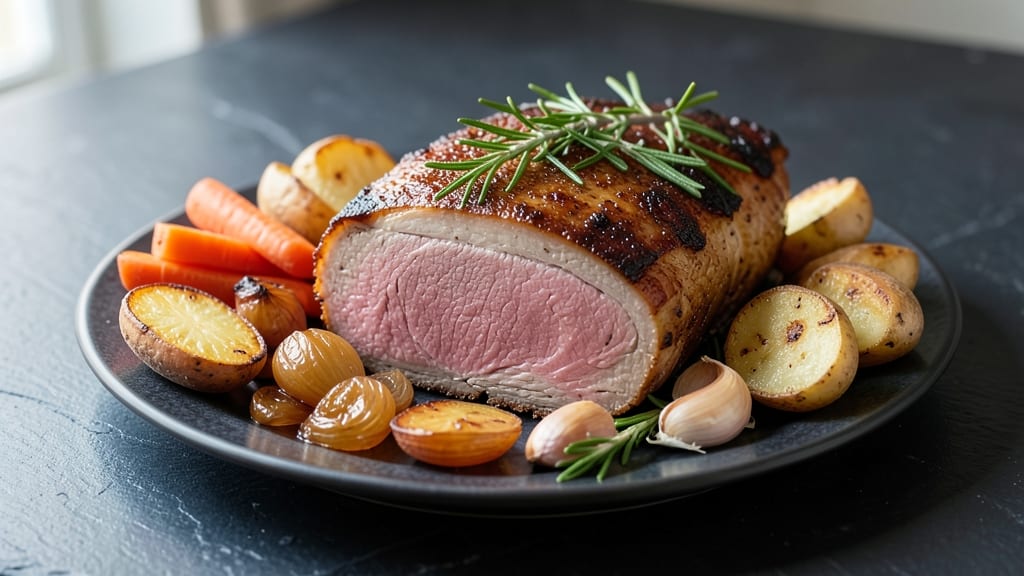
This boneless pork roast with vegetables recipe delivers melt-in-your-mouth tenderness and perfectly al dente veggies—all on one pan. After years of perfecting pork roasts in my Charleston kitchen, I’ve cracked the code for juicy meat and crisp-tender vegetables that cook together without drying out.
The secret lies in a simple marinade and precise oven timing that transforms tough cuts into restaurant-quality results.
The magic happens with a balance of simple seasoning—garlic, rosemary, and black pepper—that infuses the pork while letting its natural flavor shine. Vegetables like carrots, potatoes, and onions roast alongside the meat, absorbing the savory juices and developing a caramelized crust.
This one-pan method isn’t just convenient; it ensures every bite is packed with flavor, and cleanup is minimal. Even beginners will achieve tender, fall-apart pork every time.
What you’ll end up with is a foolproof meal that’s hearty enough for a family dinner but elegant enough for company. The pork stays juicy with a crisp exterior, while the vegetables achieve that perfect al dente texture—no mushy sides here.
Serve it with a drizzle of pan juices and fresh herbs for a dish that feels like a five-star restaurant experience. Ready in about 2 hours, this recipe is perfect for weeknight dinners or special occasions.
Whether you’re feeding a crowd or treating yourself to a comforting meal, this tender pork roast delivers on flavor and ease. The technique is straightforward, but the results are anything but basic. Let’s get cooking—your table is about to be transformed.
Ingredients for boneless pork roast with vegetables
Simple ingredients, one pan, and a perfect balance of savory and herbaceous flavors.
| Ingredient | Amount | Notes |
|---|---|---|
| Boneless Pork Loin Roast 🥩 | 3 lb | Center-cut for even cooking |
| Yellow Onions 🧅 | 2 whole | Medium size, sliced into wedges |
| Carrots 🥕 | 1 ½ lb | Baby or whole, cut into chunks |
| Russet Potatoes 🥔 | 2 ½ lb | Large, cut into 2-inch chunks |
| Fresh Rosemary 🌿 | ¼ cup | Chopped, stems removed |
| Garlic Cloves 🧄 | 6 cloves | Smashed, not minced |
| Olive Oil 🫒 | ¼ cup | Extra-virgin for richness |
| Dry White Wine 🍷 | ½ cup | Sauvignon Blanc preferred |
| Chicken Broth 💧 | 1 cup | Low-sodium preferred |
| Ground Black Pepper 🌶️ | 1 ½ tsp | Freshly cracked for intensity |
| Diamond Crystal Kosher Salt 🧂 | 1 ½ tsp | For seasoning and marinade |
| Fresh Thyme Leaves 🌿 | 1 tbsp | Or 1 tsp dried thyme |
| Fresh Parsley 🌿 | ¼ cup | Chopped, for garnish |
The pork roast is the star here, so center-cut boneless pork loin is non-negotiable—it stays juicy and doesn’t dry out. Costco or Whole Foods usually carry excellent cuts, but any well-marbled roast will work. Look for a piece with even thickness (about 1.5 inches) for consistent cooking. The vegetables? Russet potatoes and baby carrots are my go-tos—they roast up perfectly crisp-tender. For the rosemary, grab a fresh bunch (not dried) from the grocery store’s produce section—it’s more flavorful and smells amazing while cooking. If you’re short on time, a sprig of fresh thyme works too, but rosemary gives that signature herby depth.
No white wine? Chicken broth with a splash of apple cider vinegar mimics the acidity perfectly. Fresh herbs are ideal, but dried thyme at one-third the amount works in a pinch. The kosher salt matters here—Diamond Crystal dissolves better than table salt, so don’t swap unless you adjust the amount. For the potatoes, cut them into even chunks so they cook at the same rate as the pork and carrots. If you’re feeling fancy, toss the veggies in a little extra olive oil before roasting—they’ll caramelize beautifully. And if you’re using baby carrots, no need to peel them; their skin adds texture.
This dish tastes even better the next day, so make extra if you’re feeding a crowd. Store leftovers in the fridge for up to 5 days, covered with the pan juices to keep everything moist. For longer storage, freeze portions in airtight containers for up to 3 months. Reheat gently in the oven at 350°F until warmed through—microwaving can make the pork dry. The pan juices? Strain and save them—they’re perfect for drizzling over mashed potatoes or tossing with fresh greens for a quick salad.
Why You'll Love This Recipe
- I swear by this trick: toss everything—pork, onions, carrots, potatoes—on a single sheet pan. No pots, no pans, just 45 minutes of hands-off roasting while I sip wine and pretend I’m not cooking.
- One-Pan Magic: I swear by this trick: toss everything—pork, onions, carrots, potatoes—on a single sheet pan. No pots, no pans, just 45 minutes of hands-off roasting while I sip wine and pretend I’m not cooking.
- Rosemary-Pork Perfection: That sprig of rosary? It’s the secret weapon. The pork stays juicy while the edges get just crispy enough, and the potatoes soak up all the herby goodness. Honestly, I’ve tried fancier herbs—this combo wins every time.
- Leftovers That Don’t Suck: Between us, most roast leftovers are sad. Not this one. The pork stays tender, the veggies hold their shape, and I’ve reheated these for days—even my picky husband asks for seconds.
Step-by-step instructions for one-pan pork roast with vegetables
Here's how to achieve perfectly tender pork with al dente vegetables in one pan.
Preheat and Prepare the Roast
Preheat your oven to 375°F. Place the 3 lb boneless pork loin roast on a cutting board and pat it dry completely with paper towels. This step is crucial—any moisture left on the surface will prevent that beautiful crust from forming. Using your hands, gently press the 1.5 tsp diamond crystal kosher salt and 1.5 tsp ground black pepper directly into the meat, working it into all sides. The salt should visibly adhere to the surface, not just sprinkle on top.
Next, create a simple marinade by whisking together the 0.25 cup olive oil, 0.25 cup fresh rosemary, 1 tbsp fresh thyme leaves, and the smashed 6 cloves garlic. Rub this mixture all over the pork, pressing it into the surface so it penetrates slightly. Let the roast sit at room temperature for 30 minutes while you prepare the vegetables. This resting time ensures even cooking throughout the meat.
Prep and Layer the Vegetables
In a large mixing bowl, combine the sliced 2 whole yellow onions, cut 1.5 lb carrots, and 2.5 lb russet potatoes (all cut into 2-inch chunks as specified). Toss them with 1.5 tsp diamond crystal kosher salt, 1 tsp ground black pepper, and 1 tbsp olive oil from the remaining marinade. This coating helps the vegetables develop flavor and prevents them from sticking to the pan.
Here's the thing—you want the vegetables to cook through but remain tender, not mushy. The key is layering them properly in your roasting pan. Start by placing the onions and carrots in the bottom, creating a single layer. Then arrange the potato chunks on top, leaving small gaps between them so the heat can circulate. This layering ensures even cooking and prevents steaming, which would make the vegetables soggy.
Roast Until Golden and Tender
Place the seasoned pork roast on top of the vegetable layer in the roasting pan. Pour the 0.5 cup dry white wine around the vegetables—this will deglaze and create a flavorful pan sauce as it cooks. Roast in the preheated oven for 45 minutes, then carefully flip the pork roast and spoon any accumulated juices from the pan over the meat and vegetables. This basting step keeps everything moist and adds depth of flavor.
Continue roasting for another 30 minutes, or until the internal temperature of the pork reaches 145°F when measured with a meat thermometer. You'll know it's done when the pork is fork-tender and the vegetables are golden brown with slightly caramelized edges. The potatoes should be tender when pierced with a knife but still hold their shape. If the vegetables are browning too quickly, tent the pan with foil to prevent over-browning.
Finish with Broth and Rest
Remove the pork roast from the pan and let it rest on a cutting board for 10 minutes. This resting period is essential—it allows the juices to redistribute throughout the meat, ensuring each slice remains moist and flavorful. While the pork rests, pour the 1 cup chicken broth into the roasting pan and return the vegetables to the oven. Roast them uncovered for an additional 10-15 minutes to allow any excess liquid to evaporate and the vegetables to crisp slightly at the edges.
Slice the pork roast into ½-inch thick medallions and arrange it back on top of the vegetables. The vegetables should be tender yet still have a slight bite, and the pork should be juicy with a golden-brown crust. Garnish with the 0.25 cup fresh parsley just before serving. This herb adds a fresh contrast to the rich flavors of the roast and vegetables, tying everything together beautifully.
Pro Tips For Making Boneless Pork Roast With Vegetables
- CRANK THE OVEN HIGH FIRST: The pork loin needs a blast of heat to brown properly—don’t skip this step. Roast the uncovered pork at 425°F (220°C) for 15 minutes before lowering to 325°F (160°C), or you’ll end up with gray, bland meat instead of golden, flavorful roast.
- CUT POTATOES UNIFORMLY: I learned this the hard way—lumpy potatoes mean some will be mushy while others stay hard. Slice all russet potatoes into even 1-inch chunks, so they cook at the same rate and absorb flavors consistently.
- SALT THE PORK TWICE: Generously salt the pork loin right after searing, then add another layer of salt just before it goes into the oven. This guarantees seasoning penetrates deeply—no dry, bland slices at the center.
- ROAST ROSEMARY WHOLE: Tossing chopped rosemary into the pan won’t give you the same aroma. Tie 2-3 sprigs together with kitchen twine and place them directly on the pork—this releases the fragrance slowly and makes a real difference.
Flavor customization for this dish
Herb Variations
Swap out rosemary for fresh thyme or sage if you prefer earthier notes. I often use ½ cup fresh thyme instead—it pairs beautifully with pork and adds a subtle sweetness. For a Mediterranean twist, add 1 tbsp chopped oregano and 1 tsp dried marjoram to the marinade.
These herbs work especially well with white wine, creating a bright, aromatic balance. 🌿
Spicy Kick
For heat lovers, add 1 tbsp smoked paprika and ½ tsp cayenne pepper to the pork marinade. I also like tossing the vegetables with 1 tsp chili flakes before roasting.
If you want smoky depth without spice, try 1 tsp chipotle powder in the marinade—it adds warmth without overpowering the pork’s natural flavor.
Sweet Glaze Option
Brush the pork with a ½ cup honey-mustard glaze (mix ¼ cup honey with ¼ cup Dijon mustard) during the last 15 minutes of cooking. This caramelizes beautifully and adds a sticky, sweet contrast to the savory vegetables.
For a tangier finish, use apple cider vinegar instead of honey—it cuts through the richness perfectly.
Umami Boost
Enhance the depth with 1 tbsp soy sauce or 1 tsp fish sauce in the pork marinade. I also love adding 2 slices of bacon, chopped, to the vegetable mix before roasting.
The smoky, salty bacon crumbles infuse the veggies with extra umami flavor, making every bite more complex. 🥓
Citrus Zing
Finish the dish with a bright citrus note by squeezing 2 tbsp fresh lemon juice over the pork before serving. For a zesty twist, toss the vegetables with 1 tbsp orange zest and 1 tsp lemon juice after roasting.
The acidity balances the richness of the pork, especially if you’ve used a sweet glaze or creamy sides.
Cheesy Finish
For a comforting touch, sprinkle ½ cup shredded Gruyère or sharp cheddar over the vegetables in the last 5 minutes of roasting. The cheese melts slightly, creating a creamy, savory topping.
If you’re feeling adventurous, add ¼ cup panko breadcrumbs mixed with 1 tbsp melted butter for a crispy, cheesy crust on the pork itself.
Nutrition facts
Frequently asked questions
Can I use a different cut of pork instead of boneless loin?
You can substitute with pork tenderloin or pork shoulder, but adjust cooking times. Tenderloin cooks faster (20-25 minutes at 375°F), while shoulder needs 3-4 hours at 300°F for tender results. The shoulder benefits from extra marinating time (overnight) and won't need resting as long. For best texture, stick with the loin for this one-pan method.
How do I keep the vegetables from getting mushy?
Layer them strategically: place onions and carrots first (they cook faster), then potatoes on top. Leave gaps between veggies for airflow, and avoid overcrowding. Roast uncovered after the first 45 minutes to evaporate excess moisture. If browning too quickly, tent with foil. The key is 10-15 minutes of uncovered roasting at the end for crisp edges.
What if I don't have white wine?
No problem! Replace with 1 cup chicken broth + 1 tbsp apple cider vinegar for acidity. Or use ½ cup beef broth + ½ cup water. The vinegar mimics wine's brightness, while broth adds depth. For extra richness, add 1 tsp soy sauce to the pan juices after roasting. The dish will still taste amazing—promise!
Can I make this ahead of time?
Cook the pork and vegetables completely, then refrigerate in the roasting pan. Reheat at 350°F for 20-25 minutes, covered with foil. For best texture, add 1-2 tbsp fresh broth or water before reheating to prevent drying. The flavors actually improve overnight—just avoid reheating in the microwave, which makes pork dry.
What's the best way to slice the pork for serving?
Slice against the grain at a 45-degree angle for thinner, more elegant pieces. For ½-inch thick medallions, slice perpendicular to the grain first, then cut each piece diagonally. This creates maximum surface area for sauce absorption. Let the pork rest 10 minutes before slicing—it makes all the difference in juiciness.