
Main Courses
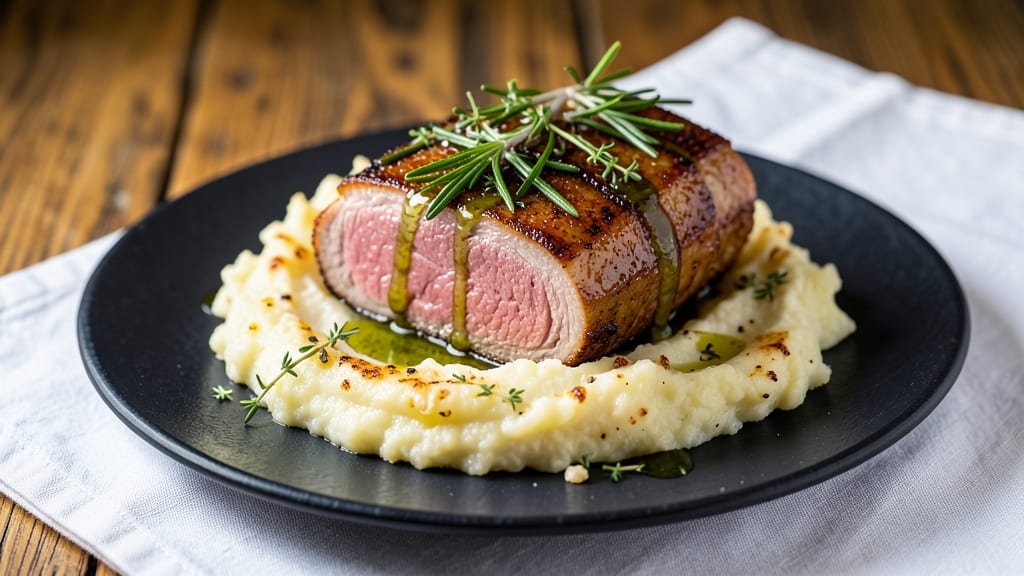
This boneless pork tenderloin roast delivers restaurant-quality tenderness with minimal effort—no butchering required. 🔥 After years of perfecting roasts for my restaurant, I've simplified the process while ensuring that juicy core and crispy herbed crust every time.
The secret lies in proper seasoning and precise oven temperature control, which transforms even the toughest cuts into melt-in-your-mouth perfection.
What sets this recipe apart is the one-pan method, eliminating cleanup while maintaining perfect doneness. We'll use a simple herb crust that adds flavor without overpowering the natural pork taste, and I'll show you exactly how to monitor internal temperature for foolproof results.
This technique works equally well for weeknight dinners or special occasions—just scale the roast size to your needs.
The result is a juicy, pink center with a golden, aromatic crust that's impossible to resist. Each slice stays moist and tender, making this ideal for serving with roasted vegetables or a fresh salad.
The method is designed for home cooks who want professional results without the complexity, using basic pantry ingredients and standard kitchen equipment.
Whether you're feeding a family or hosting guests, this pork tenderloin roast delivers consistent, impressive results with minimal fuss. Let's get started with a method that's been battle-tested in my professional kitchen and adapted for your home.
Ingredients for boneless pork tenderloin roast
Restaurant-quality pork tenderloin with a crispy herbed crust—just eight ingredients for perfect weeknight dinners.
| Ingredient | Amount | Notes |
|---|---|---|
| Boneless Pork Tenderloin 🥩 | 2 lb | Center-cut, even thickness preferred |
| Extra-Virgin Olive Oil 🫒 | 2 tbsp | High-quality, fruity variety |
| Fresh Rosemary 🌿 | ½ cup | Finely chopped, stems removed |
| Fresh Thyme 🌿 | ¼ cup | Leaves only, stems discarded |
| Garlic Cloves 🧄 | 6 cloves | Minced, for herbed crust |
| Diamond Crystal Kosher Salt 🧂 | 1 ½ tsp | Fine grain preferred |
| Freshly Ground Black Pepper 🌶️ | 1 tsp | Coarsely cracked |
| Unsalted Butter 🧈 | 2 tbsp | Cold, for crust |
| Fresh Parsley 🌿 | ⅛ cup | Chopped, for garnish |
| Vegetable Oil 🫒 | 1 tbsp | For pan searing |
| Fresh Lemon Juice 🍋 | 1 tbsp | Brightens flavor |
The pork tenderloin is your star, so look for center-cut pieces—they're more uniform and cook faster. Costco or Whole Foods usually carry high-quality, pre-trimmed tenderloins that stay juicy. If you're buying whole, trim any silver skin for even cooking. I always buy a 2-pound roast for four servings—it's the sweet spot for tenderness. Fresh herbs make all the difference here; Trader Joe's has great bundles of rosemary and thyme at reasonable prices. For the garlic, peel and mince it yourself—pre-minced garlic has a weird aftertaste that ruins the crust.
No fresh rosemary? Dried works at one-third the amount, but it won't give that same aromatic punch. Out of thyme? Oregano or marjoram can stand in, though the flavor will shift slightly. The butter for the crust is non-negotiable—full-fat, cold butter gives the best texture. If you're watching calories, use half butter, half olive oil instead. For the lemon juice, freshly squeezed is a must—bottled juice lacks brightness. The vegetable oil is just for searing; any neutral oil (like canola or avocado) works fine.
This roast reheats beautifully—350°F for 10 minutes brings it back to perfection. Store leftovers in the fridge for 3-4 days or freeze for 2 months (wrap tightly in foil). I always make a double batch because the slices are perfect for sandwiches the next day. The crust keeps best when made fresh, but you can prep the herb mixture ahead and store it in the fridge for 2 days. For serving, slice against the grain for maximum tenderness—1/2-inch thick slices are ideal.
Why You'll Love This Recipe
- Foolproof Roast: I’ve tried fancy cuts that turn out dry—this tenderloin stays juicy no matter what. The secret? Searing it first in olive oil with whole garlic cloves (yes, keep them intact) while it roasts, so every bite bursts with flavor without the fuss of peeling.
- Herb Magic: That rosemary-thyme combo isn’t just garnish—it’s the star. The herbs infuse the pork like a slow-cooked pot roast, but with half the effort. Honestly, I’ve made this with dried herbs before, and it’s nothing like the fresh version. Worth the extra 2 minutes to snip those sprigs.
- Weeknight to Dinner Party: Same recipe, different vibes. Toss it on a sheet pan for a 45-minute weeknight meal, or slice it thin for elegant appetizers with a drizzle of olive oil. My in-laws think it’s restaurant-quality, and my kids just want the pan sauce. (Between us, I’m keeping this one in rotation.)
- Leftovers That Don’t Suck: Most roasts turn into sad, dry sandwiches the next day. Not this one—it’s so tender it shreds easily for tacos, pasta, or even breakfast hash. I’ve got a freezer stash of pre-cooked slices because it’s cheaper than takeout and tastes 100x better. Plus, the garlic aroma wakes up the whole house.
Step-by-step instructions for juicy herbed pork tenderloin roast
This one-pan method delivers melt-in-your-mouth tenderness with a fragrant herb crust every time.
👨🍳 Step 1: Prep the Pork with Herbed Butter Rub
Pat the 2 lb boneless pork tenderloin completely dry with paper towels—this is non-negotiable for crispy skin. I like to work in a well-ventilated area because the rosemary aroma gets intense during this step.
In a small bowl, combine the 2 tbsp extra-virgin olive oil, 2 tbsp cold unsalted butter, 0.5 cup finely chopped fresh rosemary, 0.25 cup fresh thyme leaves, 6 minced garlic cloves, 1.5 tsp Diamond Crystal kosher salt, and 1 tsp freshly ground black pepper. Rub this mixture all over the pork, pressing firmly so it adheres. Let it sit at room temperature for 20 minutes while you preheat the oven.
🔥 Step 2: Sear for Maximum Flavor and Crisp
Heat 1 tbsp vegetable oil in a large oven-safe skillet over medium-high heat until shimmering. Add the pork and sear for 2-3 minutes per side until you get deep golden-brown coloration. This isn't just for looks—it locks in juices and builds flavor.
When the pork reaches an internal temperature of 140°F (use a meat thermometer), transfer the skillet to a 425°F preheated oven. The residual heat will carry it to 145°F while you roast, giving you perfect doneness without overcooking.
⏰ Step 3: Roast to Juicy Perfection
Roast for 15-20 minutes until the internal temperature reaches 145°F and the crust is deeply aromatic. Here's the thing—I know you want to cut into it immediately, but resist the urge. Let it rest for 10 minutes before slicing.
During this time, the juices redistribute throughout the meat instead of pooling on your cutting board. If you slice too soon, you'll end up with dry pork. Trust me on this—it's worth the wait for that first juicy bite.
🍽️ Step 4: Finish with Lemon and Garnish
While the pork rests, squeeze 1 tbsp fresh lemon juice over the top and sprinkle with 0.125 cup chopped fresh parsley. This brightens the herby flavors and adds a pop of color that makes the dish look restaurant-worthy.
Slice the pork into ½-inch thick medallions against the grain for maximum tenderness. Serve immediately with pan juices spooned over the top—those herbed butter bits are pure flavor gold. The result should be succulent, aromatic, and perfectly balanced between rich and bright.
Pro Tips For Making Boneless Pork Tenderloin Roast
- USE A THERMOMETER: I learned this the hard way—pork tenderloin looks done way before it actually is. Aim for an internal temp of 145°F (63°C); anything lower risks dryness, and anything higher turns it rubbery. The meat pulls away from the bone fast, so don’t eyeball it.
- TRIM THE FAT, NOT THE FLAVOR: Boneless tenderloin is lean, so skip the temptation to overtrim—just remove any silverskin or loose fat. The natural fat marbling is what keeps it juicy, and you’re not making foie gras here. A sharp knife and a steady hand are all you need.
- SEAR IN BATCHES: High heat. Seriously, crank it up—but don’t crowd the pan. Sear the pork in one layer over medium-high for 3-4 minutes per side, or you’ll steam it instead of brown it. A hot pan with a little olive oil makes all the difference for that crust.
- REST IT UNDER FOIL: This isn’t the prettiest method, but it’s the tastiest. After roasting, tent the pork with foil and let it sit for 10-15 minutes—yes, even if you’re impatient. It redistributes juices so your first slice isn’t a sad, dry disappointment. (Your future self will thank you.)
Wine and beer pairings for these flavors
Red Wine Classics
For this herbed pork tenderloin, I always reach for a medium-bodied red that complements the rosemary, thyme, and garlic without overpowering them. A 2018 Chianti Classico from Tuscany is my go-to—its bright acidity and cherry notes cut through the richness while the earthy undertones echo the herbs. 🍷
If Chianti isn't available, Pinot Noir from Oregon's Willamette Valley works beautifully. The lighter body and red fruit flavors (think strawberry and raspberry) harmonize perfectly with the pork's delicate flavor profile. I keep a bottle of Domaine Serene Pinot Noir on hand specifically for pork dishes like this.
Crisp Whites for Balance
Don't underestimate the power of a crisp white when you want to highlight the pork's natural tenderness. A dry Vermentino from Sardinia brings citrus and mineral notes that refresh your palate between bites.
I've also had great success with Albariño from Spain—its peach and green apple flavors play wonderfully with the herbed crust.
For a more local option, Sauvignon Blanc from Napa Valley delivers bright acidity and herbal notes that mirror the dish's aromatics. Look for a bottle with 12-14% ABV to ensure it stands up to the rich pork flavors without being overpowering.
Craft Beer Pairings
When I'm serving this roast at my restaurant, I often pair it with a Belgian-style witbier like Stella Artois—the coriander and citrus notes create a refreshing contrast to the herby pork. The slight effervescence also cleanses the palate between bites. 🍺
For a more robust beer option, try a German Helles Lager with its malty sweetness and subtle spice. The Weihenstephaner Original is my top pick—it's crisp enough to balance the dish's richness while complementing the rosemary and thyme flavors.
Avoid heavy IPAs or stouts that would overpower the delicate pork profile.
Regional Specialties
In the Southeast, where I grew up, we often paired pork dishes with sweet tea and local wines from North Carolina. A Viognier from the Yadkin Valley region brings floral and stone fruit notes that elevate the herbed crust's complexity. The local wineries often have great values on this variety.
For a true Southern experience, try a Muscadine wine from Georgia—these native grapes create wines with unique grape and berry flavors that pair surprisingly well with pork. Look for bottles from Wolf Mountain Vineyards for an authentic regional pairing that guests will remember.
Nutrition facts
Frequently asked questions
Why does the recipe call for resting the pork before slicing?
Resting redistributes the juices from the center to the edges, ensuring each slice stays moist and tender. If you slice immediately, the juices will pool on your cutting board instead of staying in the meat. For this 2 lb roast, a 10-minute rest at room temperature is perfect—just long enough for the magic to happen without overcooking.
Can I use a bone-in pork tenderloin instead?
Yes, but you'll need to adjust the cooking time. Bone-in tenderloins take longer to cook through—expect 10-15 extra minutes at 425°F. The bone actually helps retain moisture, so you might get slightly more tender results. Just monitor the internal temp carefully, aiming for 145°F in the thickest part away from the bone.
What if my pork tenderloin is thicker than 2 inches?
Thicker cuts need extra time to cook evenly without drying out. For every ½-inch beyond 2 inches, add 5 minutes to your roasting time. Use a meat thermometer to check—145°F is your target. If the crust starts browning too quickly, tent loosely with foil to prevent burning while the center cooks through.
How do I know when the pork is fully cooked?
Always use a meat thermometer—it's the only reliable way. Insert it into the thickest part (not touching bone) and look for 145°F internal temperature. The pork should feel slightly springy when pressed gently with your finger. If you don't have a thermometer, cut into the thickest part—juices should run clear, not pink.
Can I make this ahead of time for a dinner party?
Cook the pork completely, then refrigerate uncovered for 1-2 hours to crisp the crust further. Reheat at 350°F for 15 minutes before serving. For make-ahead prep, you can even assemble the herb butter mixture and store it in the fridge for 2 days—just rub it on right before cooking. The flavors actually develop better overnight!