
Main Courses
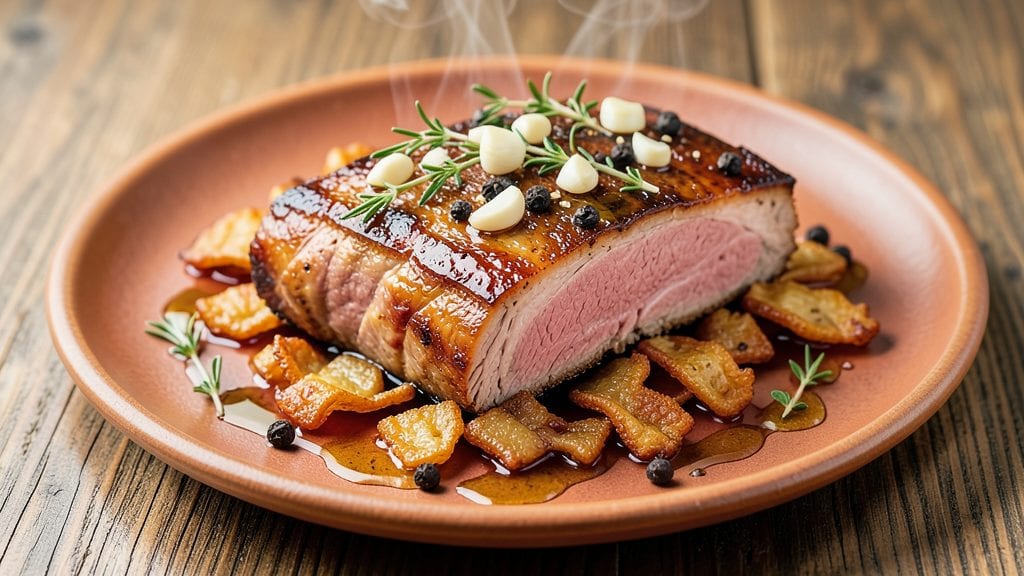
Bobby Flay's pork loin recipe delivers that perfect crispy crust and juicy center we all crave—no guesswork, just proven techniques. 💛 Growing up in Georgia, I learned pork deserves respect, and this method honors that tradition with precision timing and smart seasoning.
The secret lies in a high-heat sear followed by controlled roasting, creating a restaurant-worthy result at home.
What sets this recipe apart is Bobby Flay's signature reverse sear method, which guarantees a perfectly golden exterior without drying out the meat. We start with a dry brine overnight, then sear in a screaming-hot cast iron pan before finishing in the oven.
This approach transforms tough cuts into melt-in-your-mouth tenderness while keeping prep simple—just six core ingredients and 30 minutes of active time.
The result? A pork loin so tender it falls apart with gentle pressure, crowned with a caramelized crust that crackles with every bite. The aromas alone—smoky, savory, with hints of garlic and thyme—will have your kitchen smelling like a high-end steakhouse.
Serve with roasted potatoes or a bright herb sauce to complete the meal.
This technique works equally well for special occasions or weeknight dinners, scaling effortlessly from two to six servings. Whether you're cooking for a crowd or treating yourself to a Sunday feast, this pork loin delivers professional-quality results with minimal fuss. Let's get started!
Ingredients for bobby flay pork loin
Six essential ingredients transform pork loin into a restaurant-quality centerpiece.
| Ingredient | Amount | Notes |
|---|---|---|
| Pork Loin (Bone-In) 🐷 | 3 ½ lb | Center-cut, trimmed of fat |
| Kosher Salt 🧂 | 2 tbsp | Diamond Crystal preferred |
| Black Pepper (Freshly Ground) 🌶️ | 1 ½ tsp | Medium-coarse grind |
| Garlic Cloves 🧄 | 6 cloves | Fresh, unpeeled for roasting |
| Fresh Thyme Leaves 🌿 | 2 tbsp | Dried thyme at 1 tbsp |
| Extra-Virgin Olive Oil 🫒 | ½ cup | High-smoke-point preferred |
| Butter (Unsalted) 🧈 | 4 tbsp | Cubed, room temperature |
| Cast Iron Skillet 🔥 | 1 piece | For reverse sear |
The pork loin's quality determines success—opt for bone-in center-cut from Whole Foods Market or Costco for even cooking. Trim excess fat to prevent flare-ups during searing, but leave a thin layer for flavor. Fresh garlic cloves roasted directly on the pork add aromatic depth that jarred minced garlic can't replicate. For thyme, fresh leaves provide a brighter flavor profile than dried, though dried works at half the amount. The Diamond Crystal kosher salt ensures even distribution without the clumping issues of table salt.
No bone-in loin? Pork tenderloin works but requires shorter roasting time. Substitute rosemary for thyme at equal amounts, though thyme's earthy notes are more complementary to pork. Olive oil with a smoke point above 450°F prevents burning during searing—California Olive Ranch is a reliable choice. For butter, European-style has higher fat content for richer flavor. The cast iron skillet should be preheated to 450°F for at least 10 minutes to achieve proper sear temperatures, which is non-negotiable for the reverse sear technique.
The dry brine requires 12-24 hours in the refrigerator for optimal tenderness. Store unused garlic cloves in a sealed container with a damp paper towel for up to 2 weeks. The cooked pork loin reheats beautifully—350°F oven for 15 minutes restores juiciness. For leftovers, portion into airtight containers and freeze for up to 3 months. The cast iron skillet can be cleaned immediately after use with a stiff brush and hot water, then dried thoroughly to prevent rust. Always store butter in the refrigerator after opening to maintain freshness.
Why You'll Love This Recipe
- No Fuss, Big Payoff: I dry-brine the pork for just 1 hour—no overnight marathon—and it’s still spot-on. The bone-in cut stays juicy while the crust gets that perfect sear. No fancy prep, just pat dry, season, and let the oven do the work.
- Crispy Outside, Creamy Inside: That final sear in the cast iron with minced garlic and thyme leaves? It’s like a flavor bomb. The crust shatters when you bite into it, but the inside is still tender enough to melt on your tongue. Honestly, it’s the kind of dish that makes you forget you’re eating pork.
- Leftovers That Actually Shine: Cut it into medallions, and you’ve got a meal for days. Toss slices with a quick grain salad, wrap them in tortillas for tacos, or even slice thin for sandwiches. The flavors only get better the next day—my kids beg for seconds, and they’re not even picky eaters.
- Budget-Friendly Luxury: A 3.5 lb pork loin feeds a crowd without breaking the bank. The dry brine and simple seasoning (just salt, pepper, and fresh thyme) keep costs low, but the results? They feel like a restaurant-worthy dish. Cast iron’s the only extra tool you need, and it’s already in your kitchen.
Step-by-step instructions for Bobby Flay's pork loin
Master the reverse sear technique to achieve Bobby Flay's signature crispy crust and tender interior.
👨🍳 Step 1: Prepare the Pork Loin for Low-Temperature Roast
Pat the 3½ lb pork loin (bone-in) completely dry with paper towels, focusing on the fat cap and any moisture pockets. This drying step is critical—it prevents steam buildup that would soften the crust later. Place the pork on a wire rack set inside a rimmed baking sheet for even air circulation.
In a small bowl, combine the 2 tbsp kosher salt and 1½ tsp black pepper (freshly ground). Rub this mixture evenly over all surfaces of the pork, pressing firmly so the seasoning adheres. The salt will begin drawing out moisture immediately, which is why we dry it first. Let the pork sit uncovered in the refrigerator for 1 hour to allow the seasoning to penetrate and the surface to dry further.
🔥 Step 2: Roast the Pork to Perfect Internal Temperature
Preheat your oven to 275°F. Place the seasoned pork loin on the middle rack and roast for 1 hour 45 minutes to 2 hours, depending on your oven's consistency. This low-temperature cook ensures the pork reaches 130°F at its thickest point without overcooking the exterior. The internal temperature should rise slowly and steadily—this is the foundation for that juicy center.
Here's the thing—your oven might run hot, so start checking the internal temperature at the 1 hour 45 minute mark using an instant-read thermometer. If it reaches 130°F before the full time, remove it immediately. The pork should look pale and slightly shrunken from the surface, but not browned. This is the moment that matters: the meat is tender but still has room to develop that signature crust.
🍳 Step 3: Create the Crust with Garlic, Thyme, and Olive Oil
While the pork rests, prepare the crust mixture. Peel and finely mince the 6 garlic cloves and strip the leaves from the 2 tbsp fresh thyme leaves. In a small bowl, combine these with the ½ cup extra-virgin olive oil and 4 tbsp unsalted butter (cubed). The butter should be room temperature but not melted—this creates an emulsified coating that sticks beautifully to the pork.
Heat the cast iron skillet over medium-high heat until it's just smoking hot. Add the garlic-thyme oil mixture and swirl to coat the pan completely. The mixture should sizzle and begin to bubble gently. This is your flavor base—don't walk away. Garlic burns in seconds, so keep the heat steady and watch carefully.
🔥 Step 4: Sear the Pork to Crispy Perfection
Remove the pork from the refrigerator and pat it dry one final time with paper towels. Working quickly, place the pork loin in the hot skillet and press down gently with a metal spatula. This ensures maximum contact with the crust mixture. Sear for 3 minutes per side until the surface develops a deep golden-brown crust. You'll see the edges start to crisp—that's your signal to flip.
The key here is patience. If the crust isn't browning evenly, rotate the pan slightly to distribute the heat. The internal temperature should now read 140-145°F—this is where the reverse sear truly shines. The low-temperature roast did the heavy lifting for tenderness, while this final sear creates that coveted crust without overcooking the interior.
⏰ Step 5: Rest and Slice for Maximum Juiciness
Transfer the seared pork to a cutting board and let it rest for 10 minutes before slicing. This resting period allows the juices to redistribute throughout the meat, ensuring every cut is moist and flavorful. Don't skip this—trust me, it makes all the difference in the final texture.
Slice the pork into ½-inch thick medallions against the grain. Each slice should reveal a deep pink center with a mahogany crust that shatters slightly when pressed. The aroma alone will tell you it's perfect—smoky from the roast, garlicky from the sear, with a herbal thyme brightness. Serve immediately with your favorite sides to enjoy that crispy, juicy perfection.
Pro Tips For Making Bobby Flay Pork Loin
- DON’T RUSH THE BRINE: I learned this the hard way—skipping the 1-hour dry brine or rushing it means the salt won’t penetrate enough, and your crust will turn out soft instead of shatteringly crisp. Let it sit uncovered in the fridge, even if you’re eager to get cooking.
- MINCE GARLIC FINE: The crust’s depth depends on how well you prep the garlic. Use a knife to finely mince those 6 cloves into a paste—no big chunks here. I used to leave some whole, and the flavor was uneven. Trust me, the effort pays off in every bite.
- WATCH THE BUTTER TEMP: Room-temperature cubed butter is non-negotiable for that emulsified crust. If it’s too cold, it’ll clump and burn; if too soft, it’ll slide off the pan. Test by pressing a cube—it should dent slightly but hold its shape. Cold butter = sad crust.
- USE A THERMOMETER: Your oven lies. I’ve pulled pork out at 1 hour 45 minutes only to find it still at 120°F, or overcooked at 150°F. Check the thickest part starting at 1 hour 45 minutes—when it hits 130°F, that’s your cue to pull it. No guessing.
Regional styles of this bobby flay pork loin
Southern BBQ Tradition
In the heart of Georgia, where I grew up, pork loin isn't just a meal—it's a celebration. My grandma's method involved slow-smoking over hickory for hours, but Bobby Flay's approach keeps that juicy promise with modern precision.
The low-and-slow roast at 275°F mimics the tenderizing effects of a smoker, while the final sear adds that smoky crust without the charcoal. I've adapted this technique for my heritage Gloucestershire Old Spots pigs, and it works like a charm. 🔥
Texas-Style Dry Rub Twist
If you're in the Southeast BBQ circuit, you know Texas loves their dry rubs. Swap the garlic-thyme oil crust for a 2 tbsp coarse kosher salt mixed with 1 tbsp smoked paprika, 1 tsp brown sugar, and ½ tsp cayenne.
Pat this dry rub onto the pork after the low-temp roast, then sear in the cast iron skillet. The result? A sweet-spicy crust that's perfect with a side of cornbread. This method keeps the juices locked in while adding that signature Texas kick.
Charleston-Style Herb Butter
Charleston markets are my go-to for fresh herbs, and this coastal city loves its bold flavors.
After the reverse sear, brush the pork with a mix of 2 tbsp melted butter blended with 1 tbsp chopped parsley, 1 tsp lemon zest, and a pinch of Old Bay seasoning. The citrus and seafood-inspired spices add a bright contrast to the pork's richness.
I serve it with a side of collard greens for that authentic Lowcountry feel.
German-Style Roast with Mustard
My farm raises heritage pigs, so I can't resist a nod to German traditions. After the low-temp roast, rub the pork with 2 tbsp Dijon mustard mixed with 1 tbsp honey and 1 tsp caraway seeds.
Return it to the oven at 375°F for 15 minutes to let the mustard glaze caramelize. This method creates a sticky, tangy crust that pairs beautifully with a side of red cabbage and potatoes. It's a fusion of techniques that my German butcher would approve of!
Cajun Spice Kick
For those who love heat, add a Cajun twist by incorporating 1 tbsp Cajun seasoning into the garlic-thyme oil crust. The smoked paprika and cayenne in the mix bring the spice, while the garlic and thyme keep it aromatic.
This version is perfect for a summer cookout, especially when served with shrimp etouffee or dirty rice. The heat balances the pork's richness, making every bite exciting.
Nutrition facts
Frequently asked questions
Why does Bobby Flay's pork loin recipe use a dry brine instead of just seasoning after cooking?
The dry brine technique works by drawing out moisture from the pork and then reabsorbing the salt, which tenderizes the meat from the inside out. This process creates a more even flavor distribution and helps develop that perfect crispy crust during searing. The 1-hour rest in the fridge after seasoning ensures the salt penetrates deep enough for maximum tenderness.
What if my oven runs hotter than 275°F? How can I adjust the roasting time?
Start checking the internal temperature at 1 hour 45 minutes instead of waiting for the full 2 hours. Use an instant-read thermometer to monitor—pull the pork at 130°F immediately to avoid overcooking. Hotter ovens cook faster, so this adjustment prevents drying out the meat while still achieving that juicy center.
Can I skip the cast iron skillet for the reverse sear?
While you can use a stainless steel or enameled pan, cast iron retains and distributes heat best for that deep golden-brown crust. The pan's weight ensures even contact, and its natural non-stick properties develop just enough sear without sticking. If you don't have cast iron, preheat your pan for 10 minutes to mimic the same heat retention.
What's the best way to reheat leftovers without drying out the pork?
Reheat in a 350°F oven for 15 minutes wrapped in foil to retain moisture. Avoid microwaving, as it can make the meat rubbery. For extra crispiness, sear the slices in a dry skillet for 1-2 minutes per side after reheating—this revives the crust while keeping the interior juicy.
Why does the recipe specify fresh thyme instead of dried?
Fresh thyme has a brighter, more aromatic flavor that complements pork better than dried. While dried thyme works in a pinch (use 1 tbsp instead of 2 tbsp fresh), the leaves add a delicate herbal note that dried can't replicate. If you're short on time, dried thyme still works—just halve the amount for similar results.