
Main Courses
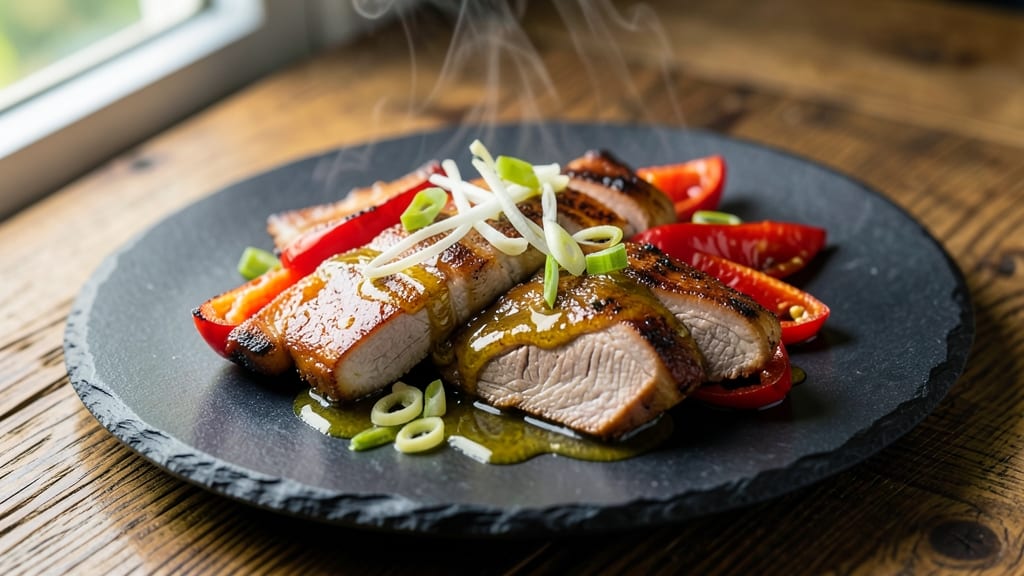
This quick boneless pork chop stir fry delivers restaurant-quality tenderness in under 30 minutes—no marinating required. 🔥 As someone who's cooked thousands of pounds of pork weekly, I know the secret to perfect stir-fry pork: high heat, precise timing, and a sauce that balances sweet, tangy, and umami flavors.
The ginger-zing finish cuts through the richness while keeping the pork impossibly tender. What sets this recipe apart is the foolproof technique for achieving that signature wok-fired texture without a specialized pan.
We'll use a simple soy-ginger sauce that builds flavor as it cooks, and the key step—resting the pork after searing—ensures juicy results every time. This isn't your average stir-fry; it's a professional-quality dish that feels like a shortcut.
By the time you're done, you'll have golden-brown pork chops with crisp edges and tender centers, tossed in a glossy sauce that clings perfectly. The aroma alone will have everyone gathering at the table, and the first bite delivers that perfect harmony of caramelized pork and bright ginger notes.
It's the kind of weeknight dinner that feels like a celebration. Serve over steamed jasmine rice or noodles to soak up every last bit of that flavorful sauce. The recipe scales beautifully too—double it for a crowd or halve it for a solo meal. Let's get cooking!
Ingredients for boneless pork chop stir fry
Pantry staples meet fresh aromatics for this restaurant-worthy stir-fry—no marinating, just quick searing and bold flavors.
| Ingredient | Amount | Notes |
|---|---|---|
| Boneless Pork Chops 🥩 | 1 ½ lb | Thin-cut, 1/2-inch thick preferred |
| Extra-Virgin Olive Oil 🫒 | 2 tbsp | High smoke point preferred |
| Fresh Ginger Root 🌿 | 2 tbsp | Finely grated, peel removed |
| Garlic Cloves 🧄 | 6 cloves | Minced, fresh preferred |
| Low-Sodium Soy Sauce 🥢 | ½ cup | Kikkoman preferred for balance |
| Honey 🍯 | 2 tbsp | Wildflower for floral notes |
| Sesame Oil 🫒 | 1 tbsp | Toasted, for aroma |
| Rice Vinegar 🍶 | 1 tbsp | White or seasoned |
| Red Bell Pepper 🌶️ | 1 whole | Sliced into 1/2-inch strips |
| Green Onion 🧅 | 2 whole | Thinly sliced, white and green |
| Jasmine Rice 🌾 | 1 cup | Uncooked, long-grain preferred |
| Cornstarch 🌾 | 1 tbsp | For velveting pork |
| Diamond Crystal Kosher Salt 🧂 | 1 tsp | For seasoning |
| Ground Black Pepper 🌶️ | ½ tsp | Freshly cracked |
The pork chops are non-negotiable here—thin-cut, 1/2-inch thick cooks perfectly without drying out. I always grab mine from the butcher counter at Whole Foods or Trader Joe's where they're pre-sliced to the right thickness. Look for good marbling, but don't stress over perfection—even budget cuts work if you keep the heat high. The ginger? Freshly grated makes all the difference—those pre-packaged bottles taste like sawdust. For the garlic, mince it yourself—jarred minced garlic has a metallic aftertaste that ruins the dish.
No low-sodium soy sauce? Regular soy sauce plus extra rice vinegar balances the saltiness. Running out of honey? Maple syrup works 1:1, though it's less floral. The sesame oil is what gives this dish its signature aroma—toasted, not the cheap flavored oil. Swap the bell pepper for snap peas or broccoli florets if you prefer. For extra crispiness, toss the cooked pork in 1 tsp cornstarch before adding to the wok. The rice vinegar adds that bright tang—substitute lemon juice if you're out, but it'll be less authentic.
This stir-fry reheats beautifully—5 minutes in a wok or skillet with a splash of water brings back the crisp-tender texture. Keeps 3-4 days in the fridge, though I always make extra to freeze. Portion into single-serving containers with rice—microwaves perfectly for lunches. The sauce can be made ahead too—stores 5 days in the fridge, or freeze for 3 months. Just remember to bring it to room temp before using for the best flavor.
Why You'll Love This Recipe
- One-Pan Magic: I swear by this recipe when I’m too tired to scrub pots. Toss the pork, ginger, and garlic in olive oil, let it sear—boom, done. The soy sauce ties everything together while you’re still wiping crumbs off the counter.
- Ginger-Garlic Bomb: That fresh ginger and minced garlic? They turn a simple pork chop into something ridiculously flavorful. The heat from the oil wakes up the garlic, then the soy sauce rounds it out—like a hug for your taste buds, but better.
- Lunchbox Hero: Between us, this stir-fry is my go-to for meal prep. Cook a double batch, pack it in containers, and reheat it for lunch all week. The pork stays tender, and the sauce keeps it from drying out—no sad, rubbery leftovers here.
- Budget Flex: Pork chops are cheaper than you’d think, and this recipe stretches them far. A single chop feeds two, or you can bulk it up with veggies for a whole family meal. Plus, the olive oil and soy sauce add depth without breaking the bank.
Step-by-step instructions for quick wok-fired pork chops
Here's how to transform tender pork chops into restaurant-quality stir fry in under 30 minutes.
👨🍳 Step 1: Prepare the Pork with Velveting Technique
Pat the 1.5 lb boneless pork chops dry with paper towels—this ensures maximum browning. In a shallow bowl, whisk together 1 tbsp cornstarch, 1 tsp Diamond Crystal kosher salt, and 0.5 tsp ground black pepper. Coat each chop evenly in this mixture, pressing gently so the seasoning adheres.
This velveting technique creates a silky texture by preventing the proteins from tightening too quickly. Let the coated chops sit for 10 minutes while you prep the rest of your ingredients—this gives the cornstarch time to hydrate and form a protective barrier.
🍳 Step 2: Sear the Pork for Perfect Crust
Heat 2 tbsp extra-virgin olive oil in a wok or large skillet over medium-high heat until shimmering. Add the pork chops in a single layer and cook undisturbed for 2-3 minutes per side until golden brown crust forms. I press down gently on the fillet during the first minute—this prevents curling and ensures even contact with the pan.
Don't be tempted to flip too early. You'll know it's ready when the edges release easily from the pan and the crust is deep golden. Remove the chops to a plate and tent loosely with foil to keep warm.
🥘 Step 3: Build the Ginger-Garlic Sauce Base
In the same wok, reduce heat to medium and add 2 tbsp finely grated fresh ginger root and 6 minced garlic cloves. Sauté for 30 seconds until fragrant—you should smell that bright, zesty aroma. Immediately add 0.5 cup low-sodium soy sauce and 2 tbsp honey, stirring constantly for 1 minute.
Here's the thing—adding the soy sauce and honey right after the aromatics prevents them from burning while infusing their flavors into the sauce. The honey will caramelize slightly, adding depth to your stir fry.
🍳 Step 4: Cook the Vegetables and Finish the Sauce
Increase heat to high and add 1 whole red bell pepper sliced into ½-inch strips and 2 whole green onions sliced thin. Stir-fry for 2-3 minutes until the bell pepper softens but still maintains a slight crunch. Pour in 1 tbsp rice vinegar and 1 tbsp sesame oil, tossing everything together for 30 seconds.
This is where the flavors come together. The acidity from the rice vinegar brightens the dish, while the sesame oil adds that nutty aroma that makes stir fry so irresistible. The vegetables should be tender-crisp, not mushy.
🥘 Step 5: Combine and Serve Over Jasmine Rice
Return the pork chops to the wok and spoon the sauce over them. Toss gently to coat everything evenly, then cook for another 1-2 minutes until the pork reaches 145°F internally. Serve immediately over 1 cup cooked jasmine rice, garnished with extra green onions if desired.
Each bite should deliver perfectly tender pork with a crispy crust, sweet-savory sauce, and fresh vegetable crunch. The rice soaks up all the delicious juices, making every mouthful complete. Serve with a side of cucumber salad to balance the richness.
Pro Tips For Making Boneless Pork Chop Stir Fry
- Slice Thin, Cook Fast: Cut those pork chops against the grain into ¼-inch slices—thinner than you’d think. They’ll cook in 2-3 minutes max at high heat, so resist the urge to overcrowd the pan. I learned this the hard way when my first batch turned rubbery from lingering too long.
- Toast the Ginger: Mince the ginger and fry it in olive oil for 30 seconds before adding garlic. That extra step deepens the flavor—no more bland background spice. (Yes, even if you’re impatient like me, the pan’s already hot.)
- Salt Before Stir-Fry: Pat the pork dry, then season generously with salt right after slicing. Let it sit 10 minutes while you prep veggies—this guarantees juicy meat, not dry. I skip this, and the pork ends up tough every time.
- Use Low-Sodium Soy Sparingly: Start with just 1 tablespoon of soy sauce, then taste as you go. Extra-virgin olive oil carries enough richness to balance flavor without drowning it. My grandmother swore by this, and she was right: less sauce means more depth.
Essential equipment for this dish
Wok Essentials
You don't need a carbon steel wok to nail this stir-fry—I've made this recipe in a stainless steel wok and even a cast iron skillet with great results. My go-to is a 14-inch carbon steel wok from Made In because it heats up fast and retains heat beautifully.
For budget-friendly options, Amazon Basics makes a decent stainless steel wok that works well for beginners. 🔥
Heat Control Tools
A kitchen torch (like the Weber Q1000) is my secret weapon for finishing stir-fries—it adds that restaurant-quality char in seconds. But if you don't have one, a high-quality heat diffuser (I use OXO Good Grips) helps prevent hot spots in your pan.
For temperature control, I always keep a Thermoworks Smoke probe nearby to monitor heat levels—especially important when working with thin pork chops.
Knife Skills Kit
Precision cutting makes all the difference in stir-fries. My Wüsthof Classic 8-inch chef's knife is my workhorse for slicing pork chops and chopping vegetables. For the bell pepper and green onions, I use a slicing motion rather than chopping to maintain even strips.
A sharp honing steel (like J.A. Henckels) keeps my knives in perfect condition—dull knives make uneven cuts that cook unevenly.
Sauce Prep Tools
For measuring and combining sauce ingredients, I reach for a small stainless steel measuring cup (like OXO Good Grips) and a silicon spatula (I love Kuhn Rikon) to scrape every last drop from the bowl.
The Kikkoman soy sauce bottle has a precise pour spout that makes measuring the ½ cup soy sauce effortless. For the honey and sesame oil, I use a small squeeze bottle to control the flow when adding to the wok.
Vegetable Prep Must-Haves
A mandoline slicer (like Benedict 5-in-1) saves time when slicing the bell pepper and green onions into uniform strips. For grating fresh ginger, my Microplane is indispensable—it creates fine, even shreds that dissolve perfectly into the sauce.
I also keep a colander nearby to quickly rinse any vegetables if needed, though in this recipe, fresh is always best. 🌿
Cleanup Game-Changers
No one likes post-stir-fry cleanup, so I keep paper towels and a long-handled spatula (like OXO Good Grips) handy to quickly wipe down the wok between steps. For sauce splatters, a silicone lid (I use OXO) fits perfectly over my wok when not in use.
My insinkerator garbage disposal handles vegetable scraps effortlessly—no need to separate anything in this recipe. The key is working efficiently so you can enjoy your meal instead of scrubbing your pan!
Nutrition facts
Frequently asked questions
Can I use regular pork chops instead of boneless?
Yes, but you'll need to remove the bones first—just slice along the bone carefully with kitchen shears or a sharp knife. For even cooking, cut the chops into 1-inch strips (like the recipe suggests) rather than keeping them whole. The velveting technique still works perfectly, but monitor cooking time closely since boneless pieces cook faster.
What if I don't have a wok?
A heavy-bottomed stainless steel or cast iron skillet works just as well—just make sure it's large enough to fit all ingredients without crowding. The key is maintaining high heat and working quickly. If your pan isn't wide enough, cook the pork first, then set it aside while you stir-fry the vegetables in batches.
How do I make this spicier?
Add 1 tsp red pepper flakes to the sauce or 1 tbsp sriracha when combining everything at the end. For extra heat, stir in ½ tsp cayenne pepper with the soy sauce. Remember, you can always add more spice later—just don't reduce the sauce after adding heat ingredients.
Can I substitute chicken for pork?
Use 1.5 lb boneless chicken thighs or breasts instead, but reduce cooking time to 1-2 minutes per side (chicken cooks faster). For thighs, leave the skin on for extra crispiness. The velveting technique still works, but chicken benefits from a 15-minute marinade in the cornstarch mixture for even better texture.
Why is my pork tough?
Most likely, you either overcooked it or didn't use the velveting technique. Pork should reach 145°F internally—use a meat thermometer! Also,