
Main Courses
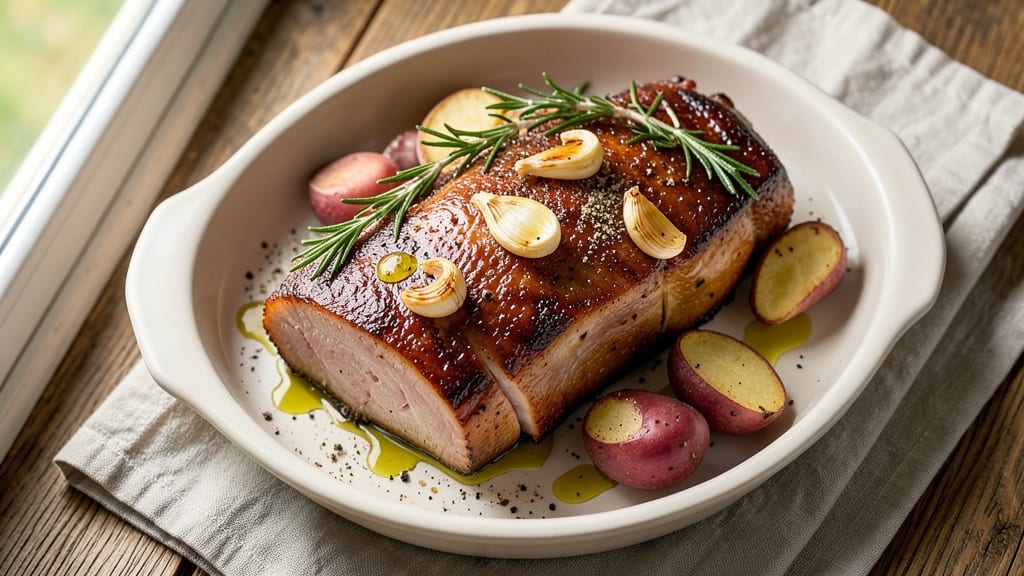
This boneless pork ham roast recipe delivers restaurant-quality results with tender, juicy meat that's easier to prepare than traditional bone-in versions.
After years of perfecting this technique—especially during my time at The Smoky Pig—I've developed a method that ensures foolproof results every time, whether you're feeding a crowd or treating yourself to a special meal.
The secret lies in slow roasting at a controlled temperature, which transforms tough pork into melt-in-your-mouth perfection without drying it out.
What sets this recipe apart is the versatility—you can keep it simple with classic seasonings or elevate it with a honey-mustard glaze, herb crust, or even a smoky rub inspired by my time on the BBQ circuit.
The 30-minute prep makes it ideal for weeknight dinners, while the 3-hour roasting time ensures the meat stays juicy and flavorful. No need for fancy equipment; just a roasting pan, oven, and a little patience. This is the kind of dish that transforms a simple meal into something truly memorable.
The result is a golden-brown, tender ham roast with a crisp exterior and moist interior, ready to be sliced into perfect portions.
The beauty of this recipe is its adaptability—serve it as-is for a classic presentation, or pair it with roasted vegetables, mashed potatoes, or a fresh salad for a complete meal. The flavors are rich, savory, and deeply satisfying, making it a standout for any occasion.
Whether you're hosting a holiday dinner or just craving something special, this ham roast delivers.
One of my favorite variations is a honey-mustard glaze, which adds a touch of sweetness and tang that complements the pork beautifully. For a more rustic touch, try a crust of fresh herbs and cracked black pepper.
The key is to let the ham rest after roasting, allowing the juices to redistribute for the most tender slices. Trust me, once you try this method, you'll never go back to store-bought ham again.
Ingredients for boneless pork ham roast
Six ingredients transform simple pork into restaurant-quality ham roast perfection.
| Ingredient | Amount | Notes |
|---|---|---|
| Boneless Pork Ham Roast 🐷 | 4 lb | Fresh-cut, uniform thickness |
| Extra-Virgin Olive Oil 🫒 | 2 tbsp | For crisp exterior coating |
| Diamond Crystal Kosher Salt 🧂 | 1 ½ tsp | Coarse grain preferred |
| Freshly Ground Black Pepper 🌶️ | 1 tsp | Cracked for texture |
| Garlic Cloves 🧄 | 6 cloves | Minced for herb crust |
| Fresh Rosemary Sprigs 🌿 | 4 whole | Tied with kitchen twine |
| Fresh Thyme Sprigs 🌿 | 4 whole | Tied with kitchen twine |
| Honey 🍯 | ¼ cup | For glaze option |
| Dijon Mustard 🍯 | 2 tbsp | For glaze option |
| Apple Cider Vinegar 🍎 | 1 tbsp | For glaze option |
| Onion Powder 🧅 | 1 tsp | For dry rub option |
| Smoked Paprika 🌶️ | ½ tsp | For smoky flavor |
| Fresh Parsley Sprigs 🌿 | 4 whole | For garnish |
| Butter 🧈 | 2 tbsp | Unsalted, softened |
The pork cut makes all the difference—boneless roast cooks evenly without drying out. I always source mine from Whole Foods or Costco for consistent quality. Look for uniform thickness (about 1.5 inches) so it cooks through without over-browning. The fresh-cut label ensures better texture. For a smoky touch, ask the butcher to trim any remaining fat—just leave a thin layer for flavor. If you can't find boneless, a shank cut works too, but trim the bone carefully.
No honey-mustard glaze? Brown sugar and apple cider vinegar make a solid substitute—just reduce the honey by half. Fresh herbs wilt fast, so dried thyme at one-third the amount works in a pinch. The olive oil is non-negotiable for crispiness—avocado oil works if you're avoiding olive flavor. For a quicker prep, use pre-minced garlic from a jar, but fresh tastes better. The butter at the end? Vegan butter works if needed, but traditional butter adds that restaurant-quality richness.
Let the ham rest 15-20 minutes after roasting—this is where the magic happens. Store leftovers in the fridge for 4 days or freeze for 3 months wrapped tightly in foil. I always slice it against the grain for perfect portions. The glaze keeps for 1 week in the fridge, so make extra—it's great on sandwiches too. For reheating, low oven (275°F) or microwave with a damp paper towel works best.
Why You'll Love This Recipe
- No-Fuss Prep: I swear by this recipe—just rub the ham with olive oil, salt, pepper, and crushed garlic cloves. No brining, no basting, no fuss. The key? Let it roast uncovered so the edges get that golden, caramelized crust without you hovering over the oven.
- Garlic-Kissed Magic: Between us, that simple garlic rub transforms the ham into something ridiculously good. The cloves soften into sweet, buttery pockets while the crust stays crisp—like a cross between a holiday ham and a cozy Italian feast.
- Weeknight to Holiday: This isn’t just for special occasions. I’ve served it at Sunday dinners, packed it in lunches, and even used leftover slices for sandwiches. The beauty? It’s the same effort whether you’re feeding two or six.
- Leftovers That Don’t Suck: Honestly, I often make this just for leftovers. The ham stays juicy for days, and I slice it thin for paninis or toss it into salads. No sad, dry scraps here—just pure, versatile protein that won’t waste.
Step-by-step instructions for slow-cooked boneless pork ham roast
Here's how to transform a simple boneless ham into a showstopping centerpiece.
Prepare the Herb Crust and Seasoning
Begin by mincing the 6 cloves garlic cloves and finely chopping the 4 whole fresh rosemary sprigs and 4 whole fresh thyme sprigs. In a small bowl, combine the minced garlic with 1.5 teaspoons Diamond Crystal kosher salt, 1 teaspoon freshly ground black pepper, 1 teaspoon onion powder, and 0.5 teaspoon smoked paprika. This dry rub will create a fragrant crust that clings beautifully to the pork.
Tie the rosemary and thyme sprigs together with kitchen twine to form a bouquet. Gently press the dry rub mixture into every inch of the 4 lb boneless pork ham roast, including the cavity. The herbs will infuse their aromatic oils as the ham cooks, while the spices create that perfect balance of savory and slightly sweet flavors.
Create the Glaze and Sear the Ham
In a small saucepan, combine 0.25 cup honey, 2 tablespoons Dijon mustard, and 1 tablespoon apple cider vinegar. Warm over medium heat, stirring constantly until the mixture becomes smooth and slightly thickened - about 3-4 minutes. This glaze will caramelize beautifully during roasting, creating a glossy finish that's irresistible.
Heat 2 tablespoons extra-virgin olive oil in a large oven-safe skillet over medium-high heat. Once shimmering, place the seasoned ham fat-side down and sear for 4-5 minutes until the exterior develops deep golden-brown spots. Flip carefully and sear the other side for another 3-4 minutes. This initial searing locks in juices and builds that essential crust.
Roast to Perfect Doneness
Transfer the skillet to a preheated 325°F oven and roast for 2 hours and 15 minutes. The low temperature ensures even cooking throughout the ham's substantial weight while allowing the flavors to develop gradually. After the initial roasting time, increase the oven temperature to 375°F and continue roasting for an additional 20-25 minutes until the internal temperature reaches 145°F when measured at the thickest part.
During the final minutes, brush the ham generously with the honey glaze mixture, allowing it to caramelize and create that signature glossy finish. The ham is done when it reaches 145°F internally and the glaze has thickened slightly but remains spreadable. The aroma at this point will be incredible - sweet, herby, and impossibly inviting.
Rest and Finish with Butter
Remove the ham from the oven and transfer it to a cutting board. Tent loosely with aluminum foil and let it rest for 20-30 minutes. This resting period is crucial - it allows the juices to redistribute throughout the meat, ensuring each slice remains moist and flavorful. While it rests, melt the 2 tablespoons unsalted butter in the same skillet over low heat until it foams slightly.
After resting, brush the melted butter generously over the entire surface of the ham. Garnish with the 4 whole fresh parsley sprigs tied together, adding a pop of fresh color and bright herbal note. The butter adds richness and helps create that perfect balance of textures - crispy exterior, tender interior, and glossy finish.
Slice and Serve with Confidence
Using a sharp carving knife, slice the ham against the grain into 1/2-inch thick slices. The ham should be tender enough to slice easily but still hold its shape. Arrange the slices on a warm serving platter, spooning any accumulated pan juices over the top. The combination of the herb crust, sweet glaze, and rich butter finish creates a harmonious balance of flavors in every bite.
Serve immediately with your favorite sides like roasted vegetables, mashed potatoes, or crusty bread to soak up those delicious pan juices. This boneless ham roast delivers all the richness and flavor of a traditional ham without the bone, making it perfect for family gatherings or special occasions.
Pro Tips For Making Boneless Pork Ham Roast
- Pat the Ham Dry: The boneless pork ham roast isn’t forgiving when wet—it’ll steam instead of brown. Grab paper towels and press hard all over, even the seams where moisture hides. I used to skip this, and my crust always came out sad and pale.
- Crush Those Garlic Cloves: Whole garlic cloves? Nope. Smash them flat with the side of your knife—this way, they’ll infuse flavor without turning to mush. I learned this the hard way when my roast tasted like garlic bits instead of garlic essence.
- Start High, End Slow: Sear the ham over medium-high heat until the oil shimmers, then drop the heat to medium-low. Rushing the sear makes it greasy; letting it cook gently afterward keeps it juicy. My first attempt was a greasy mess—now I follow this rule like clockwork.
- Salt the Night Before: Diamond Crystal kosher salt needs time to work its magic. Sprinkle it on the ham 12–24 hours ahead and let it sit uncovered in the fridge. This draws out moisture, so when you sear it, you get that perfect crust without over-salting. (Yes, even if you’re impatient like me.)
Troubleshooting great boneless pork ham roast
Uneven Cooking Fix
If your ham feels undercooked in the center but overdone on the outside, it’s likely due to inconsistent oven heat or thickness variations. I’ve found that using an oven thermometer (like the Thermoworks Oven Thermometer) reveals hidden hot spots.
Place the ham on a wire rack in a roasting pan to allow air circulation all around. For thicker cuts, poke a few small holes with a skewer before roasting to help juices circulate. 🌡️
Dry, Tough Meat
Overcooking is the #1 cause of dry ham. Use a meat thermometer to monitor the internal temperature—145°F is perfect. If your ham reaches this temp but feels dry, try this trick: lower the oven to 275°F for the final 30 minutes of cooking.
This slow finish keeps moisture locked in. Also, avoid cutting into the ham until it’s rested for 20-30 minutes—this redistributes juices naturally.
Glaze Not Setting
The honey-mustard glaze should caramelize beautifully, but if it stays runny, it’s likely because the oven wasn’t hot enough during the final stages.
After the initial 2-hour slow roast at 325°F, crank the heat to 375°F for the last 20-25 minutes—this ensures the glaze thickens and develops that glossy finish. If it’s still too thin, brush on an extra coat of equal parts honey and butter right before serving. 🍯
Herbs Burning
Fresh rosemary and thyme can burn quickly, especially if they’re too close to the heat source. To prevent this, tie the herb bundles loosely (not too tight) and place them indirectly on the ham—position them in the crevices rather than flat against the surface.
If you notice any browning, carefully remove the burnt sprigs before serving. For extra insurance, blanch the herbs in boiling water for 10 seconds before tying them to the ham.
Searing Failures
A proper sear creates that deep golden-brown crust, but if your ham isn’t browning, your pan might not be hot enough. Heat the skillet until it’s smoking hot before adding the ham—this takes 5-7 minutes on medium-high.
If your pan isn’t getting hot enough, try a cast iron skillet (like my Lodge 10.25-inch)—it retains heat better than stainless steel. Also, don’t overcrowd the pan; sear in batches if needed.
Resting Too Long
While resting is crucial, leaving the ham to rest for more than 30 minutes can actually make it dry out. The ideal window is 20-30 minutes—this gives the juices time to redistribute without over-relaxing the meat.
If you’re short on time, tent loosely with foil and rest for 15 minutes instead. Just be prepared for slightly less juicy slices. For maximum tenderness, slice against the grain while the ham is still warm. 💪
Nutrition facts
Frequently asked questions
Can I substitute bone-in ham for this recipe?
While this recipe is designed for boneless pork, you can adapt it for bone-in ham by adjusting the cooking time. Bone-in cuts require 10-15 extra minutes and should be roasted at 300°F for even cooking. The key difference is the bone acts as an insulator, so use a meat thermometer to check for 145°F at the thickest part, avoiding the bone. For best results, remove the bone before slicing to maintain the boneless texture.
How do I keep the ham moist when cooking for large gatherings?
For feeding a crowd, divide the ham into 2-3 lb portions and roast separately. This ensures even cooking without overcrowding the pan. Use a wire rack in the roasting pan to allow air circulation, and brush with extra glaze every 30 minutes during the final hour. For extra insurance, wrap the ham loosely in foil during the last 20 minutes of cooking to trap steam and prevent drying.
What's the best way to reheat leftovers?
Reheat sliced ham in a 275°F oven on a wire rack for 15-20 minutes, covered loosely with foil, until warmed through. For quick reheating, use the microwave with a damp paper towel over the ham for 1-2 minutes on medium power. Never reheat in the same pan used for initial cooking—this can dry out the meat. Leftovers keep for 4 days in the fridge or 3 months frozen.
Can I make this ham ahead of time?
This ham actually benefits from being made a day ahead. After roasting, let it cool completely, then refrigerate wrapped tightly in plastic. Reheat slices in a 350°F oven for 10 minutes before serving. The flavors deepen overnight, and the texture becomes even more tender. For make-ahead convenience, prepare the glaze and herb mixture the night before and store separately in the fridge.
What are the best side dishes to pair with this ham?
Classic pairings include creamy garlic mashed potatoes, roasted honey-glazed carrots, and crusty sourdough bread to soak up the juices. For a lighter option, try a spring vegetable salad with a citrus vinaigrette. My favorite Southern combo is collard greens with smoked gouda and a side of cornbread—perfect for using up leftovers the next day.