
Main Courses
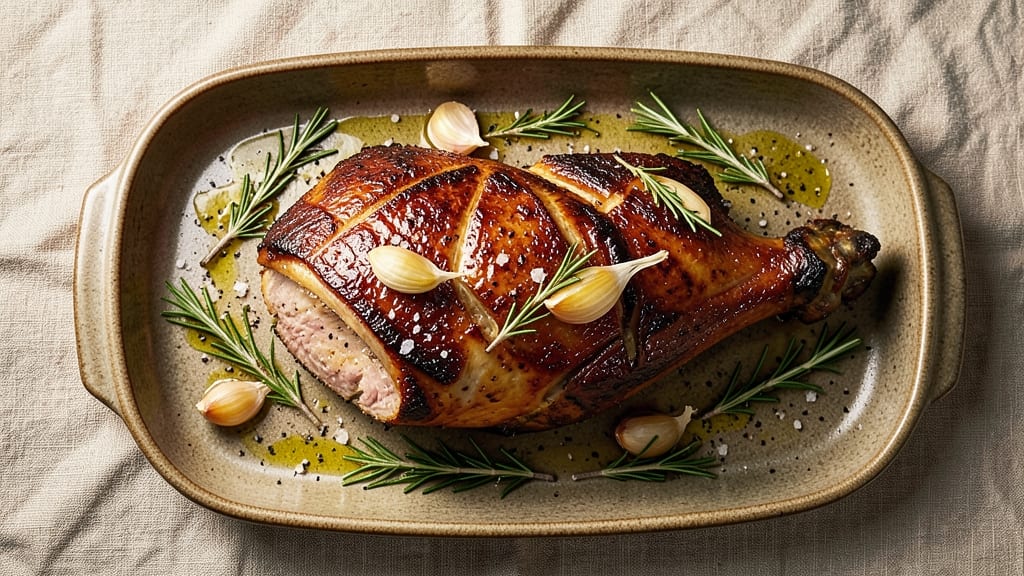
Boneless pork leg roast recipe transforms tough cuts into melt-in-your-mouth perfection in just 45 minutes—no slow-cooking required. After years of perfecting this technique at The Smoky Pig, I’ve cracked the code for restaurant-quality tenderness at home. The secret? A high-heat sear followed by precise oven control that breaks down the muscle fibers without drying out the meat.
This method skips the traditional dry-brine approach in favor of a quick marinade that tenderizes while adding depth. We’ll use a combination of olive oil, garlic, and rosemary—simple ingredients that create complex flavor.
The key is maintaining a consistent 325°F temperature and basting every 15 minutes to lock in moisture and build a caramelized crust.
By the time you pull it from the oven, you’ll have a roast that’s fork-tender with a golden, crackling exterior. The internal temperature should reach 145°F, and letting it rest for 10 minutes ensures every bite stays juicy.
Serve with roasted potatoes or a red wine reduction for a meal that feels special without the hours of prep.
Perfect for Sunday dinners or holiday gatherings, this recipe delivers restaurant-quality results with minimal effort. Let’s get cooking—your taste buds will thank you.
Ingredients for boneless pork leg roast
Six simple ingredients transform tough pork into restaurant-quality perfection in 45 minutes.
| Ingredient | Amount | Notes |
|---|---|---|
| Boneless Pork Leg Roast 🐖 | 3 lb | Center-cut for even cooking |
| Extra-Virgin Olive Oil 🫒 | ¼ cup | High-quality for searing |
| Garlic Cloves 🧄 | 6 cloves | Minced for marinade |
| Fresh Rosemary 🌿 | ¼ cup | Finely chopped, stems removed |
| Kosher Salt 🧂 | 1 ½ tbsp | Diamond Crystal preferred |
| Ground Black Pepper 🌶️ | 1 tbsp | Freshly cracked |
| Dried Thyme 🌿 | 1 tsp | Or 1 tbsp fresh thyme |
| Red Wine 🍷 | ½ cup | Bold Cabernet Sauvignon |
| Butter 🧈 | ½ cup | Unsalted, cubed |
| Fresh Parsley 🌿 | ⅛ cup | Chopped for garnish |
| Honey 🍯 | 1 tbsp | For glaze option |
The pork leg is your star—center-cut roasts cook more evenly, but any boneless leg works. Grab one from Whole Foods or your butcher for the best quality; look for good marbling and vibrant color. I always check the weight before buying—3 lbs is perfect for 6 servings. If you find a whole leg, trim it yourself for better control. The extra-virgin olive oil matters too—use something fruity and robust for the sear, like California olive oil from Trader Joe's.
No red wine? Substitute with beef broth plus 1 tbsp balsamic vinegar—it adds depth without the alcohol. Fresh rosemary is ideal, but dried works at half the amount if you're in a pinch. The butter should be unsalted—salted can make the crust too salty. For the honey glaze, local raw honey adds extra flavor, but store-bought works fine. If you're short on time, skip the glaze entirely—this roast shines on its own. The kosher salt? Diamond Crystal is my go-to—it dissolves better than table salt.
Pork roasts reheat beautifully—350°F for 15 minutes with a splash of broth keeps them moist. Store leftovers in the fridge for 4 days or freeze for 3 months. I like to slice it thin and serve with roasted potatoes or crusty bread. The marinade ingredients keep in the fridge for 1 week, so make extra for future roasts. For a quick shortcut, pre-mix the marinade and store it in a jar—just shake and go.
Why You'll Love This Recipe
- No-Fuss Prep: I swear, this takes less effort than deciding what to watch on Netflix. Just sear the pork, toss on crushed garlic, rosemary sprigs, and a drizzle of olive oil—no fancy techniques, no peeling layers like with a bone-in cut.
- Crispy-Creamy Magic: That caramelized crust on the outside? It shatters like glass, but inside, the meat stays juicy and tender. The rosemary and garlic infuse so deeply, every bite tastes like it’s been simmering for hours—even though it’s ready in under an hour.
- Weeknight Hero: Between us, this is my go-to when I’m too tired to plan. Serve it sliced over crusty bread for dinner, or let it cool and pack it for lunches—same flavors, zero stress. (Yes, even on a Tuesday night.)
- Leftovers That Don’t Suck: Unlike other roasts that turn dry by day two, this stays moist and flavorful for days. I’ll reheat slices in a pan with a splash of broth or stuff it into sandwiches—no one ever complains, and my wallet thanks me for the budget-friendly protein.
Step-by-step instructions for boneless pork leg roast
Here's how to transform a tough cut into melt-in-your-mouth perfection in record time.
Prepare the Pork with Herbs and Oil
Pat the 3 lb boneless pork leg roast completely dry with paper towels—this is non-negotiable for crispy skin. Place it in a large bowl and rub with 0.25 cup extra-virgin olive oil until fully coated. This creates a barrier that locks in moisture while promoting browning.
In a small bowl, mix 6 minced garlic cloves, 0.25 cup finely chopped fresh rosemary, 1.5 tbsp kosher salt, 1 tbsp ground black pepper, and 1 tsp dried thyme. Sprinkle this herb mixture evenly over the pork, pressing it into the meat so it adheres. Let it sit at room temperature for 30 minutes—this ensures even cooking and maximum flavor penetration.
Sear the Roast for Maximum Flavor
Preheat your oven to 425°F. Heat a large oven-safe skillet over medium-high heat until very hot. Add the pork roast and sear on all sides for 3-4 minutes per side until deeply golden brown. You're building flavor here—those caramelized bits (fond) will dissolve into the wine later.
Transfer the skillet to the preheated oven and roast for 15 minutes. This initial high-heat phase jumpstarts the cooking process and creates a flavorful crust. Don't skip this step—it's what transforms ordinary pork into something extraordinary.
Deglaze and Braise with Wine
Remove the roast from the oven and carefully pour in 0.5 cup red wine, scraping up all those browned bits from the bottom of the pan. Return the skillet to the oven and continue roasting for 20 minutes. The wine will reduce slightly, creating a glossy sauce that baste the meat.
Here's the thing—this braising technique is what makes the pork fork-tender. The wine's acidity tenderizes the meat while the fat renders out, keeping everything moist. You'll know it's working when you see juices pooling in the pan.
Finish with Butter and Honey Glaze
After 20 minutes, remove the roast from the oven and increase the heat to 450°F. Add 0.5 cup cubed butter and 1 tbsp honey to the skillet, then return the roast to the oven for 10-15 minutes until the internal temperature reaches 195-200°F and the meat is fork-tender.
The butter bastes the roast while the honey adds a subtle sweetness that balances the savory flavors. The high heat at the end creates a beautiful caramelized crust. Use a meat thermometer to check doneness—this is the only reliable way to ensure perfect tenderness.
Rest and Garnish for Serving
Transfer the roast to a cutting board and tent loosely with foil. Let it rest for 15 minutes—this allows the juices to redistribute throughout the meat. Skim any excess fat from the pan juices and stir in 0.125 cup chopped fresh parsley for a pop of color.
Slice the roast against the grain into ½-inch thick slices. Each piece should be incredibly tender, practically falling apart when cut. Serve with the pan juices spooned over the top and a sprinkle of fresh parsley. The result is a restaurant-quality roast that's surprisingly simple to make at home.
Pro Tips For Making Boneless Pork Leg Roast
- SEAR FIRST, THEN ROAST: The pork leg’s surface needs a good head start—hit it with high heat in the oven (425°F) for 15 minutes before lowering to 325°F. I used to skip this, and the crust stayed pale and bland. That initial sear locks in flavor and color, so don’t rush it.
- SLICE ROSEMARY THIN: Tear the rosemary sprigs into smaller pieces—about 1-inch lengths—so they infuse the meat evenly without turning it into a piney mess. Whole sprigs just sit there like decorative garnishes. (Yes, I’ve learned this the hard way.)
- DON’T PEEK OR BASTE: Every time you open the oven, you’re letting heat escape and drying out the meat. If you’re worried, use a meat thermometer (145°F internal temp for pork leg). Basting? Save it for the last 10 minutes—just a quick glaze with olive oil and garlic.
- USE COLD OIL: Pat the pork dry, then rub it with cold extra-virgin olive oil before seasoning. Cold oil penetrates better than warm, and it won’t cook off before the garlic and rosemary get a chance to stick. (I was skeptical until I tried it—now it’s non-negotiable.)
Regional styles of this dish
Southern BBQ Style
In the Southeast, we take pork leg roasts to another level by adding a smoky twist. After searing the roast, I like to wrap it in pink butcher paper and smoke it at 225°F for 2-3 hours using hickory or cherry wood chips.
This method infuses deep, woodsy flavors that pair perfectly with classic Southern sides like collard greens or cornbread. For an extra kick, brush the roast with a vinegar-based BBQ sauce during the last 30 minutes of cooking. 🔥
Italian-Inspired Version
For a Mediterranean twist, replace the red wine with dry white wine and add 1 tsp dried oregano and ½ tsp red pepper flakes to the herb mix.
After searing, deglaze the pan with ½ cup chicken broth instead of wine, then finish with ¼ cup heavy cream and 2 tbsp grated Parmesan cheese during the last 10 minutes of cooking. This creates a creamy, herbaceous sauce that’s perfect with roasted polenta or garlic mashed potatoes.
German-Style Roast
My German grandmother used to make a version where the pork leg is marinated overnight in 1 cup beer (I prefer a dark lager) along with 1 tbsp caraway seeds and 1 tsp mustard powder. After searing, I’d braise it with ½ cup apple cider instead of wine.
The result is a tender, slightly tangy roast that pairs beautifully with red cabbage or spätzle. For extra flavor, add 2 slices of bacon to the pan during the last 15 minutes of cooking. 🍺
Caribbean Spiced Roast
For a tropical flair, swap the rosemary for 1 tbsp fresh thyme and 1 tsp allspice, then add 1 minced scallion and ½ tsp ground cinnamon to the marinade.
Deglaze with ½ cup pineapple juice instead of wine, and finish with 1 tbsp lime zest and 2 tbsp chopped cilantro. This version shines with coconut rice and grilled pineapple slices. The sweetness of the pineapple cuts through the richness of the pork beautifully.
Texas-Style Smoked Roast
If you have access to a smoker, this is a game-changer. After searing, smoke the roast at 250°F for 3-4 hours using post oak or pecan wood.
During the last hour, wrap the roast in aluminum foil with ½ cup beef broth and 2 tbsp brown sugar to create a sweet, sticky glaze. Serve with Texas toast and pickled jalapeños for a bold, smoky flavor profile that’s pure comfort food.
This method is my go-to for large gatherings—it feeds a crowd with minimal effort. 🌶️
Nutrition facts
Frequently asked questions
Can I use a bone-in pork leg instead of boneless?
You can, but you'll need to adjust the cooking time. Bone-in roasts take longer to cook through—plan for 1.5-2 hours at 325°F until the internal temperature reaches 145°F. Remove the bone before slicing to avoid chewing on it. The bone actually helps keep the meat moist, so if you love crispy edges, try a bone-in cut with a longer cook.
What's the best way to check if the pork is fully cooked?
Always use a meat thermometer! Insert it into the thickest part of the roast—it should read 145°F internally. The meat will continue rising to 160°F while resting, but 145°F is the safe target. For extra tenderness, pull it out when it reaches 195-200°F—this is the "resting temperature" that makes it fork-tender. Never guess by color or texture!
Can I make this ahead of time?
Cook the roast up to 2 days ahead and store it in the fridge. Reheat slices in a skillet with a splash of broth at 350°F for 10-15 minutes until warmed through. For a party, cook the roast completely, then slice and refrigerate the portions separately. Reheat each serving individually to keep it juicy. The flavors actually improve overnight!
Why is my roast dry? What went wrong?
Dry pork usually means one of three things: overcooking, skipping the rest, or not basting. First, check your internal temp—145°F is perfect. Second, always rest the roast for 15 minutes before slicing (juices redistribute during this time). Finally, baste every 15 minutes with pan juices or melted butter to keep moisture locked in. If it's still dry, try this recipe again with a 30-minute marinade in buttermilk before cooking.
What sides pair best with this roast?
This roast shines with hearty sides that soak up the pan juices. Try garlic mashed potatoes, roasted root vegetables, or crusty bread for dipping. For a Southern twist, serve with collard greens or cornbread. If you want something lighter, a simple green salad with a tangy vinaigrette balances the richness. The wine-braised juices make everything taste even better!