
Main Courses
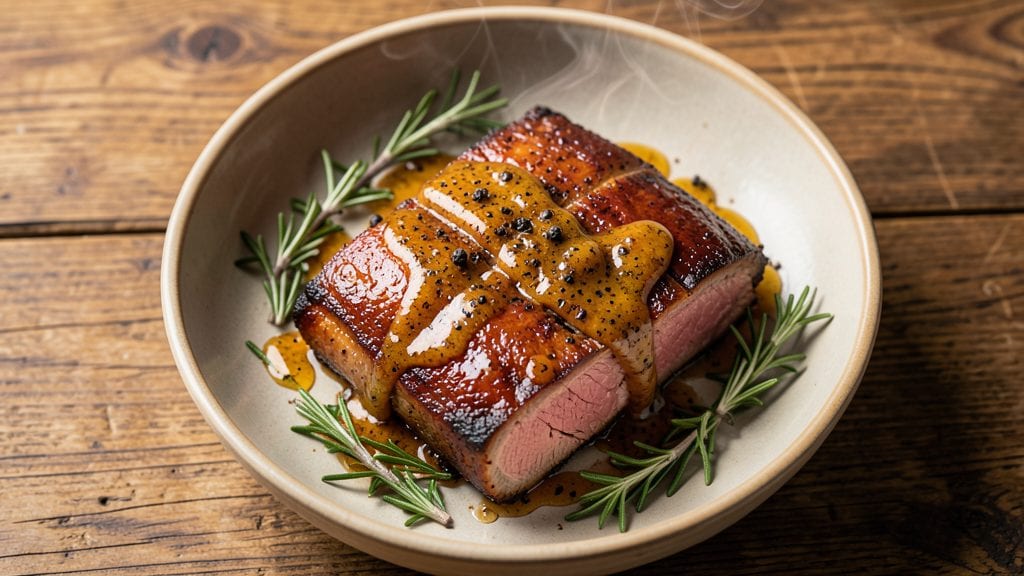
This boneless pork loin country-style ribs recipe transforms simple boneless pork loin into smoky, tender ribs with none of the fuss. Growing up in small-town Georgia, I learned that pork shoulder wasn't the only way to create that signature texture—just a sharp knife and the right technique.
This method transforms lean pork loin into restaurant-quality "ribs" that stay juicy and flavorful through every bite.
The secret lies in slicing the pork loin into thick, rib-like portions and marinating them overnight in a blend of brown sugar, apple cider vinegar, and smoked paprika. Slow-cooking them in the oven with a dry rub ensures they develop that perfect bark while staying tender inside.
My heritage Gloucestershire Old Spots pigs always provide the ideal fat-to-lean ratio for this technique.
By the time they're done, you'll have perfectly caramelized, tender bites that hold their shape and deliver rich, smoky flavor with every forkful. The slices separate cleanly, making them easy to serve on buns or alongside classic sides like creamy mashed potatoes or tangy coleslaw.
This is the kind of dish that turns a simple weeknight into a memorable meal.
Serve these ribs with a side of buttery cornbread or a crisp green salad to balance the richness. The leftovers reheat beautifully too, making this a perfect recipe for meal prep or feeding a crowd. Let's get cooking!
Ingredients for boneless pork loin country style ribs
Just a few simple ingredients transform boneless pork loin into smoky, tender country-style ribs.
| Ingredient | Amount | Notes |
|---|---|---|
| Boneless Pork Loin 🥩 | 2 lb | Center-cut, 1-inch thick slices |
| Brown Sugar 🍚 | ½ cup | Light or dark variety |
| Apple Cider Vinegar 🍏 | ¼ cup | Unfiltered preferred |
| Smoked Paprika 🌶️ | 2 tbsp | High-quality for smokiness |
| Garlic Cloves 🧄 | 6 cloves | Peeled, minced |
| Black Peppercorns 🌶️ | 1 tbsp | Freshly cracked |
| Kosher Salt 🧂 | 1 ½ tbsp | Coarse grain preferred |
| Onion Powder 🧅 | 1 tbsp | For depth of flavor |
| Ground Cumin 🌿 | 1 tsp | Toasted for warmth |
| Unsalted Butter 🧈 | 2 tbsp | Full-fat for richness |
| Honey 🍯 | 1 tbsp | Wildflower preferred |
| Fresh Thyme Leaves 🌿 | ¼ cup | Chopped, or 1 tsp dried |
| Extra-Virgin Olive Oil 🫒 | 1 tbsp | For basting |
The pork loin makes all the difference here—look for center-cut slices with visible marbling. Gloucestershire Old Spots pork is ideal, but any high-quality boneless loin will work. Slice each piece 1-inch thick for even cooking. If your butcher can't cut it for you, use a sharp knife and ask for the thickest possible slices. Whole Foods or local farms often carry premium cuts worth the extra cost. For best results, let the meat sit at room temperature for 30 minutes before slicing.
No smoked paprika? Substitute with 1 tbsp chili powder plus 1 tsp liquid smoke—though nothing beats the real thing. The apple cider vinegar adds tang that balances the sweetness, so don't skip it. If you're short on time, reduce the marinating time to 4 hours, but overnight is best for maximum tenderness. For the dry rub, toast the spices in a dry pan for 30 seconds before mixing—this deepens their flavor. The butter and honey combo creates that signature caramelized bark, so use full-fat butter and a high-quality honey like Manuka if you can find it.
These ribs reheat beautifully—just warm in the oven at 300°F for 10 minutes with a splash of broth. They keep well in the fridge for 4 days or freeze for 3 months. For meal prep, slice into individual portions before freezing. The leftovers make an amazing sandwich filling the next day. Store any unused marinade separately and discard after use—never reuse it for safety.
Why You'll Love This Recipe
- I’ll be real: the combination of brown sugar and smoked paprika on the pork is chef’s kiss. The sweetness caramelizes into a sticky crust while the vinegar keeps it from being too heavy, and the garlic and thyme add this bright, herby depth. It’s the kind of flavor that makes you go back for seconds, even if you’re not usually a ribs person.
- One-Pan Magic: The fact that I can make these ribs in just one skillet—no extra dishes, no fuss—is a game-changer for me. Just sear, braise, and bake, then serve straight from the pan. The apple cider vinegar and honey reduce into a glossy sauce that coats the pork, so cleanup is honestly just wiping down the skillet and calling it a win.
- Sweet-Smoky Surprise: I’ll be real: the combination of brown sugar and smoked paprika on the pork is chef’s kiss. The sweetness caramelizes into a sticky crust while the vinegar keeps it from being too heavy, and the garlic and thyme add this bright, herby depth. It’s the kind of flavor that makes you go back for seconds, even if you’re not usually a ribs person.
- Meal Prep Hero: These ribs are perfect for feeding a crowd or meal prepping—just slice them up and store them in the fridge for up to four days. I’ll toss them in a container with the braising sauce, and they reheat beautifully for lunches or dinner guests. My kids even ask for leftovers, which is rare for me.
Step-by-step instructions for boneless pork loin country-style ribs
Here's the method to transform simple pork loin into fall-apart tender ribs.
Prepare the Dry Rub and Marinate the Pork
In a medium bowl, combine the ½ cup brown sugar, 2 tbsp smoked paprika, 1 tbsp onion powder, 1 tsp ground cumin, 1½ tbsp kosher salt, and 1 tbsp freshly cracked black peppercorns. Mix thoroughly until the sugar and spices are evenly distributed. This blend creates the perfect balance of sweet, smoky, and savory flavors.
Transfer the 2 lb boneless pork loin to a large resealable plastic bag. Add the dry rub mixture and massage it evenly over the entire surface of the pork. The goal is to coat every inch so the seasoning penetrates during the marinating process. Add the 6 minced garlic cloves and ¼ cup chopped fresh thyme leaves to the bag, then seal it tightly.
Place the bag in the refrigerator and marinate for at least 4 hours, or preferably overnight. This extended time allows the rub to deeply flavor the meat and helps tenderize it for that signature country-style texture. Real talk: if you're short on time, a minimum 4-hour marinade will still deliver great results, but overnight is ideal for maximum tenderness.
Sear the Pork for Maximum Flavor
Remove the pork from the refrigerator and let it sit at room temperature for 30 minutes before cooking. This ensures even heat distribution throughout the meat. Heat a large oven-safe skillet over medium-high heat and add 1 tbsp extra-virgin olive oil. Once the oil is shimmering, carefully add the pork loin and sear for 3-4 minutes per side until golden brown.
You'll know it's ready to flip when the edges release easily from the pan. The searing creates a flavorful crust that locks in juices during the braising process. Once browned on both sides, remove the skillet from the heat and set it aside for now.
Braise with Apple Cider Vinegar and Honey
In the same skillet (with all those delicious browned bits still clinging to the bottom), add ¼ cup apple cider vinegar and 1 tbsp honey. Stir to deglaze the pan, scraping up any stuck-on seasoning. The acidity of the vinegar helps tenderize the meat while the honey adds depth of flavor. Let this mixture simmer for 2-3 minutes until slightly reduced.
Return the pork to the skillet and pour in enough water to come about halfway up the sides of the pork (approximately 1 cup). The liquid should cover about one-third of the pork when it's placed back in the skillet. Bring to a gentle simmer, then cover tightly with a lid. This creates a steam bath that will break down the connective tissue, resulting in that signature tender texture.
Slow Cook Until Fork-Tender
Transfer the skillet to a preheated 325°F oven and cook for 2 to 2½ hours. The pork is done when it reaches an internal temperature of 195°F and a fork slides in easily with no resistance. I know it seems like a long time, but this slow cooking process is what transforms tough pork into melt-in-your-mouth ribs.
About 30 minutes before the pork is finished, add the 2 tbsp unsalted butter to the skillet. The butter will melt into the braising liquid, creating a rich, flavorful sauce that clings beautifully to the tender meat. This is the moment that matters: the butter adds richness and helps create that glossy finish.
Rest and Serve with Braising Sauce
Remove the pork from the oven and transfer it to a cutting board. Tent loosely with aluminum foil and let it rest for 15 minutes. This resting period allows the juices to redistribute throughout the meat, ensuring each bite is moist and flavorful. Don't skip this step—it's crucial for preventing dry meat.
While the pork rests, skim any excess fat from the braising liquid in the skillet. The remaining sauce should coat the back of a spoon. Slice the pork into ½-inch thick pieces against the grain for maximum tenderness. Serve immediately with the braising sauce spooned over the top. The combination of tender meat and rich, slightly tangy sauce makes these ribs unforgettable.
Pro Tips For Making Boneless Pork Loin Country Style Ribs
- Crack Pepper Fresh: I learned this the hard way—pre-ground pepper loses its punch. Grab a mortar and pestle or a clean rolling pin and crush those 1 tbsp black peppercorns right in the bowl with the brown sugar and smoked paprika. The oils release instantly, making the rub cling better to the pork and pack more heat.
- Don’t Skimp on Vinegar: That ¼ cup apple cider vinegar isn’t just for tang—it’s the muscle behind the tenderness. If you’re using filtered vinegar (or worse, white vinegar), you’re missing out on the depth of flavor and the real work of breaking down the meat. Unfiltered is worth the splurge here.
- Check That Temp Early: The pork’s done at 195°F, but if you wait until the 2½-hour mark and it’s still fighting you, pull it out. Overcooking turns tender ribs into sad, dry slabs. After 2 hours, probe it—if it’s close, tent it and let it finish in the residual heat. (Yes, even if you’re impatient like me.)
- Butter at the Right Moment: Adding the 2 tbsp unsalted butter 30 minutes early isn’t just about flavor—it’s about texture. If you toss it in too soon, it’ll burn before the pork finishes. If you wait too long, the sauce won’t emulsify properly. Timing this right gives you that glossy, velvety finish without a single burnt bit.
Common mistakes when making your boneless pork loin country style ribs
Skipping the Marinate
One of my most common mistakes? Underestimating the importance of marinating. The dry rub needs at least 4 hours to penetrate the pork, and overnight is ideal for maximum tenderness. I've seen home cooks rush this step, thinking it's just "seasoning," but that's where the magic happens.
The apple cider vinegar and honey combination tenderizes the meat while the spices develop depth. If you skip marinating, you'll end up with flavorless, chewy slices instead of fall-apart ribs. 🔥
Inconsistent Slicing
Slicing the pork loin into ½-inch thick pieces is crucial for even cooking and that rib-like texture. I see people either slicing too thin (which dries them out) or too thick (which leaves them undercooked in the center).
Use a sharp knife and measure your slices—this isn't the time to eyeball it. For best results, slice against the grain and keep them uniform. I always cut mine on a cutting board with a guide like a ruler for precision.
Overcrowding the Pan
When searing the pork, don't overcrowd your skillet—it lowers the temperature and steams the meat instead of searing it. I've made this mistake myself, especially when cooking for a crowd. Cook in batches if needed, but give each piece room to develop that golden crust.
A crowded pan turns your sear into a sad, limp mess. Medium-high heat and patience are key here. ⏰
Ignoring the Rest
Skipping the 15-minute rest after cooking is a rookie error that ruins the texture. The juices need time to redistribute throughout the meat, or you'll end up with dry, tough slices. I've seen cooks eager to serve immediately, but that's how you get a disappointing meal.
Tent your pork with foil while it rests—this keeps it warm and juicy. Trust me, this simple step makes all the difference.
Wrong Liquid Levels
The braising liquid should cover about one-third of the pork, not the entire pan. Too much liquid creates a soggy mess, while too little won't tenderize properly. I've seen people add way too much water, diluting the flavors and turning what should be rich ribs into a watery disappointment.
Measure your liquid carefully—1 cup is perfect for this recipe. The goal is steam, not soup. 💫
Nutrition facts
Frequently asked questions
Why does marinating overnight make such a difference?
Marinating overnight allows the apple cider vinegar and spices to deeply penetrate the meat, breaking down tough fibers and infusing flavor throughout. The ½ cup brown sugar and smoked paprika caramelize slightly during this time, creating a sticky, flavorful crust. Skipping this step often results in chewy, flavorless slices instead of tender, fall-apart ribs. Even 4 hours helps, but overnight is ideal for maximum tenderness.
What’s the best way to slice the pork loin for rib-like texture?
Slice the pork loin into ½-inch thick pieces against the grain for maximum tenderness. Use a sharp knife and a ruler as a guide for uniform slices. Too thin and they dry out; too thick and the center stays undercooked. This method mimics real ribs while keeping the recipe simple and foolproof. Precision here makes all the difference!
Can I use a different type of vinegar instead of apple cider?
Apple cider vinegar is ideal because its natural sweetness balances the spices, but you can substitute white wine vinegar or even a splash of lemon juice in a pinch. Avoid harsh vinegars like white vinegar—they can overpower the dish. The acidity is key for tenderizing, but the flavor profile changes slightly. Stick to unfiltered vinegar for best results.
How do I know when the ribs are fully cooked?
Check for doneness at 195°F internal temperature with a meat thermometer—this ensures fall-apart tenderness. A fork should slide in easily with no resistance. The meat will also pull away from the bone (or cutting board) when ready. Overcooking dries them out, so pull them out when they reach this temp. Patience here prevents a tough result!
What’s the best way to reheat leftovers?
Warm leftovers in a 300°F oven for 10 minutes with a splash of broth or water to revive the sauce. Avoid microwaving, which can make the meat rubbery. The ribs reheat beautifully and taste even better the next day, especially when served on buns or with coleslaw. Leftovers keep well for 4 days in the fridge.