
Main Courses
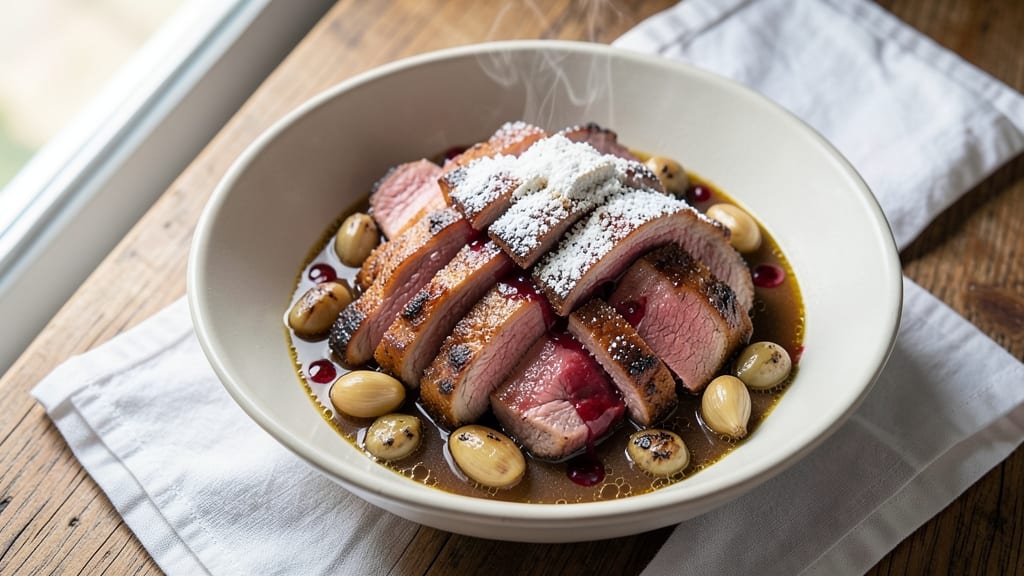
This boneless pork shank recipe delivers restaurant-quality depth without the bone-cracking hassle—tender, fall-apart meat that soaks up rich flavors in just 3 hours of hands-off cooking.
After years of perfecting braising techniques with tough cuts, I learned boneless shanks actually work better: they cook faster, absorb seasonings more evenly, and yield juicy, melt-in-your-mouth results every time.
The secret lies in a two-stage sear that builds flavor before the slow braise, creating a crust that locks in moisture while developing layers of caramelized depth.
What sets this recipe apart is the balance between tradition and efficiency. While classic pork shank recipes demand hours of simmering with bone-in cuts, this version skips the bone entirely—no need to pick through connective tissue or worry about uneven cooking.
Instead, we focus on high-heat searing to develop a flavorful crust, followed by a low-and-slow braise in aromatic liquids that transform the meat into silky, fork-tender perfection. The result? A dish that tastes like it simmered all day, but with half the effort.
By the final resting period, your pork shank will be richly sauced, with meat that practically dissolves at the touch of a fork. The sauce—infused with garlic, thyme, and a splash of red wine—adds complexity without overpowering the natural pork flavor.
This technique works equally well for weeknight dinners or special occasions, proving that deep flavor doesn’t require complexity. Serve with crusty bread to soak up every last drop of that velvety, herb-infused sauce—the kind that makes your table the center of attention.
For those who love make-ahead meals, this recipe shines: the flavors actually improve overnight, making it perfect for meal prep. Store leftovers in the sauce for up to 5 days, or freeze for 3 months without losing texture.
Whether you're feeding a family or treating yourself to a luxurious solo meal, this boneless pork shank delivers restaurant-quality results with the simplicity of a home cook’s approach. Let’s get started on mastering this technique that’s been a game-changer in my professional kitchen—and now yours.
Ingredients for boneless pork shank
Rich flavors start with just these twelve simple ingredients—no bones to pick.
| Ingredient | Amount | Notes |
|---|---|---|
| Boneless Pork Shank 🥩 | 2 lb | Evenly cut, 1-inch thick slices |
| All-Purpose Flour 🌾 | ½ cup | For dredging meat |
| Olive Oil 🫒 | ¼ cup | Extra-virgin for searing |
| Red Wine 🍷 | 1 cup | Bold dry variety like Cabernet |
| Beef Broth 🥄 | 1 ½ cups | Low-sodium preferred |
| Garlic Cloves 🧄 | 6 cloves | Minced for depth |
| Fresh Thyme 🌿 | ¼ cup | Leaves only, chopped |
| Bay Leaves 🍃 | 2 whole | Dried, removed before serving |
| Salt 🧂 | 1 ½ tsp | Kosher or sea salt |
| Black Pepper 🌶️ | 1 tsp | Freshly ground |
| Tomato Paste 🍅 | 2 tbsp | For rich sauce base |
| Balsamic Vinegar 🍶 | 1 tbsp | For brightness |
| Crusty Bread 🍞 | 4 slices | For serving with sauce |
The pork shank is the star, so look for well-marbled cuts at your butcher or grocery store's meat counter. Costco or Whole Foods often carry pre-cut boneless shanks, but if you're buying whole, ask for it to be trimmed and sliced evenly. The flour dredge is non-negotiable—it creates that perfect crust that locks in moisture during the braise. For the red wine, any bold, dry variety works—Cabernet Sauvignon or Merlot are my go-tos. If you don't have fresh thyme, dried works at one-third the amount, but the aroma is worth hunting down fresh if possible.
No red wine? Substitute beef broth with an extra splash of balsamic vinegar—it adds that same tangy depth. Short on tomato paste? A handful of sun-dried tomatoes (oil-packed) works in a pinch. The crusty bread can be any sturdy loaf—sourdough or a good baguette from the bakery section. For the flour dredge, all-purpose works best—bread flour gets too heavy. And trust me on the balsamic vinegar—it's what elevates this from good to restaurant-quality.
This braise gets better overnight, so make extra if you can. Store in an airtight container with the sauce for up to 5 days in the fridge, or freeze for 3 months. The bread? Toast it fresh when serving—it soaks up that velvety sauce like a dream. Leftovers reheat beautifully—just warm through with a splash of broth or water to loosen the sauce. Perfect for meal prep, especially since the flavors deepen with time.
Why You'll Love This Recipe
- No-Fuss Prep: I swear by this recipe because it’s the kind of meal where you can walk away—literally. Just pat the pork dry, toss it in flour, and let the red wine and beef broth do the heavy lifting while you sip your own glass. Honestly, the hardest part is waiting for it to simmer.
- Deep Umami Magic: That pork shank? It turns into something else entirely—tender, almost falling-apart, with a sauce so rich it’ll make you forget you’re not at a fancy restaurant. The red wine cuts through the richness like a secret weapon, and the beef broth ties it all together with that je ne sais quoi depth.
- Leftovers That Save You: Between us, this recipe is my meal-prep best friend. The sauce thickens beautifully when reheated, and the pork stays juicy for days. I’ll make a double batch on Sundays, freeze half, and still have hearty lunches for the week—no sad, dried-out leftovers here.
- Budget-Friendly Luxury: Pork shank is cheaper than steak but tastes like you splurged. A single cut feeds four, and the flour, wine, and broth cost pennies compared to takeout. Plus, the red wine? That’s the one bottle you don’t mind opening for dinner—because it’s part of the meal.
Step-by-step instructions for braised boneless pork shank
Transform tough pork into melt-in-your-mouth perfection with this hands-off braising technique.
Season and Sear the Pork for Maximum Flavor
Pat the 2 lb boneless pork shank slices dry with paper towels—this ensures a proper sear. In a shallow bowl, combine the 0.5 cup all-purpose flour, 1.5 tsp salt, and 1 tsp black pepper. Dredge each pork slice thoroughly, pressing the seasoning into the meat so it adheres well.
Heat 0.25 cup olive oil in a large Dutch oven over medium-high heat until shimmering. Working in batches if needed, add the pork slices and cook undisturbed for 3-4 minutes per side until deeply golden brown. The key here is patience—don't rush the searing or the crust will be pale and flavorless. Once all slices are browned, transfer them to a plate and set aside.
Build the Aromatic Base for Deep Flavor
Reduce the heat to medium and add the 6 cloves minced garlic to the Dutch oven. Sauté for 30 seconds until fragrant—don't let it brown or it'll turn bitter. Add the 2 tbsp tomato paste and stir for 1 minute to toast slightly, deepening its umami flavor.
Pour in the 1 cup red wine, scraping up any browned bits from the bottom of the pot with a wooden spoon. This deglazing step captures all the caramelized pork flavor. Let the wine simmer for 2-3 minutes until reduced by half. The alcohol will cook off, leaving behind concentrated wine flavor—this is where the magic begins.
Simmer the Pork in Rich, Herb-Infused Broth
Add the 1.5 cups beef broth, 0.25 cup chopped fresh thyme, and 2 whole bay leaves to the Dutch oven. Return the pork slices to the pot, spooning some of the braising liquid over the top to keep them moist. Bring everything to a gentle simmer, then reduce heat to maintain a barely bubbling state.
Cover the pot and let it cook for 1 hour 15 minutes. Here's where the real transformation happens—the collagen in the pork breaks down into gelatin, creating that luxurious, fork-tender texture. Stir occasionally to prevent the pork from sticking, but don't overdo it—you want to preserve that beautiful browned crust.
Finish with Brightness and Serve
After the initial braising time, remove the lid and increase heat to medium-high. Add the 1 tbsp balsamic vinegar and simmer uncovered for 5-7 minutes to reduce the sauce slightly and intensify its flavor. The vinegar adds a bright tang that cuts through the richness of the pork and sauce.
Remove the pork slices and transfer them to a serving platter. Strain the braising liquid through a fine-mesh sieve to remove the thyme and bay leaves, then return the sauce to the pot. Reduce heat to low and let it thicken slightly if needed. Serve the pork with the sauce spooned over the top and the 4 slices crusty bread on the side for soaking up every last drop.
Pro Tips For Making Boneless Pork Shank
- SEAR IT RIGHT: After browning the pork shank, don’t rush the deglazing—let those fond bits build for 3-4 minutes on medium-high heat. I used to scrape too soon, and the wine turned muddy instead of rich. Wait for deep caramelization first.
- VELVET OUT THE FLOUR: Mix the all-purpose flour with a pinch of salt and a splash of cold water before dredging—it’ll clump less and stick better. My grandmother swore by this, and the crust stays crisp instead of falling apart when you flip.
- LOW AND SLOW AFTER SEARING: Once the pork hits the pot with wine and broth, keep the heat at a bare simmer (tiny bubbles, not rolling). I learned this the hard way—too high heat makes the meat tough instead of tender. Cover and let it work for at least 1.5 hours.
- SALT THE BROTH LATER: Hold off on adding salt to the beef broth until the very end—after the pork has cooked and absorbed flavors. The wine and sear already bring enough saltiness, and you’ll avoid overpowering the dish. (Yes, even if you’re impatient like me.)
Essential equipment for boneless pork shank
Dutch Oven Must-Have
Your Dutch oven is non-negotiable for this recipe—I use my Lodge 5.5-quart cast iron, but any heavy, oven-safe pot will work. The deep sides prevent spills during the braise, and the tight lid traps steam for even cooking.
If you don’t own one, Le Creuset’s enameled version is my backup for delicate sauces. Avoid nonstick—it can’t handle the high heat needed for that perfect crust. 🔥
Instant-Read Thermometer
Skip the guesswork with a ThermoWorks Smoke or Meater Plus thermometer to monitor internal temps. Pork shank should reach 195°F for maximum tenderness. I check temps at the thickest part of each slice—this ensures perfect doneness without overcooking.
A cheap dial thermometer won’t cut it; invest in probe accuracy for restaurant-quality results.
Heavy-Duty Tongs
Use OXO Good Grips or J.B. Prince tongs to handle the hot pork without piercing the meat. Their long handles keep your fingers safe from the Dutch oven’s sides, and the serrated grips prevent slipping.
I keep mine near the stove at all times—trust me, you’ll use them for every braise, stew, and roast.
Fine-Mesh Sieve
A stainless steel sieve like OXO’s Good Grips strainer is essential for removing thyme and bay leaves from the sauce. Its tight weave catches even the smallest herb bits while letting the rich liquid pass through. I’ve tried plastic sieves—they melt under hot liquids. This one’s dishwasher-safe and lasts forever.
Wooden Spoon Set
Wooden spoons are your best friend for deglazing and stirring—Ozeri’s hickory set is my go-to. They won’t scratch your Dutch oven like metal utensils, and their shape helps scrape up flavorful browned bits.
Keep a long-handled spoon for safety when working with hot liquids. I’ve ruined many a sauce with a metal spoon—don’t make that mistake!
Butcher’s Twine
If you’re prepping ahead, heavy-duty butcher’s twine (like White Cotton) ties pork slices into bundles for even cooking. It also makes beautiful presentation when serving. I use it to secure herbs into bundles for garnishes too—it’s a kitchen workhorse.
Store it in a glass jar to keep it clean and ready for use.
Nutrition facts
Frequently asked questions
Why does boneless pork shank cook faster than bone-in?
Without the bone's insulating effect, heat penetrates the meat more evenly and quickly. The 1.5-hour braise time here transforms tough fibers into tender perfection without the 3+ hours bone-in cuts typically require. Plus, boneless shanks absorb seasonings more uniformly, giving you that restaurant-quality flavor throughout every bite.
Can I substitute red wine with something else?
Use 1 cup beef broth + 1 tbsp balsamic vinegar for depth, or swap in 1 cup apple cider for a sweeter profile. For non-alcoholic versions, try 1 cup cranberry juice + 1 tbsp lemon juice. The key is balancing acidity—just ensure your substitute adds 1 tbsp of acid (vinegar, citrus, or wine) to brighten the sauce.
What if my pork shank slices aren't evenly thick?
Use a sharp knife to trim thicker edges to 1-inch thickness before cooking. This ensures even doneness—thicker slices need 10-15 extra minutes of braising. For thinner slices (0.75-inch), reduce braising time by 10 minutes to avoid overcooking. Always check with a thermometer at 195°F for perfect tenderness.
Can I make this in a slow cooker?
Yes! Sear the pork first, then transfer everything to a 6-quart slow cooker on LOW for 6 hours or HIGH for 3.5 hours. Add 0.5 cup extra broth to prevent drying out. The sauce will be thinner—reduce it on the stovetop afterward. For best results, use a Dutch oven first to develop that deep crust before transferring.
How do I store leftovers without drying out the meat?
Store the pork and sauce together in an airtight container in the fridge for up to 5 days. For reheating, warm in a skillet with 2 tbsp broth over medium-low heat until heated through. Never microwave—it turns the sauce rubbery. For freezing, portion into single-serving bags with sauce and freeze for 3 months. Thaw overnight in the fridge.